 Back
BackStudy Guide: Mechanical Energy, Work-Energy Theorem, and Conservation Principles
Study Guide - Smart Notes
 Tailored notes based on your materials, expanded with key definitions, examples, and context.
Q1. Explain in your own words the work-energy theorem and give a clear example.
Background
Topic: Work-Energy Theorem
This question tests your understanding of how work done by forces relates to changes in kinetic energy.
Key Terms and Formulas
Work (): The energy transferred to or from an object via force along a displacement.
Kinetic Energy (): The energy an object has due to its motion.
Work-Energy Theorem:
Step-by-Step Guidance
Start by defining what 'work' means in physics: it's the product of force and displacement in the direction of the force.
Describe kinetic energy as the energy of motion, given by .
Explain that the work-energy theorem states that the net work done on an object equals the change in its kinetic energy.
Think of a simple example, such as pushing a sled across ice, and relate the work you do to the increase in the sled's speed.
Try solving on your own before revealing the answer!
Q2. Explain in your own words the concept of kinetic energy. Give a clear example.
Background
Topic: Kinetic Energy
This question is about understanding what kinetic energy is and how it applies to moving objects.
Key Terms and Formulas
Kinetic Energy ():
Where is mass and is velocity.
Step-by-Step Guidance
Define kinetic energy as the energy possessed by an object due to its motion.
Identify the variables: mass () and velocity ().
Use the formula to show how kinetic energy increases with mass and velocity.
Think of a real-world example, like a moving car or a thrown ball, and describe how its kinetic energy changes as it speeds up or slows down.
Try solving on your own before revealing the answer!
Q3. Explain in your own words the concept of potential energy. Give a clear example.
Background
Topic: Potential Energy
This question is about understanding stored energy due to position or configuration.
Key Terms and Formulas
Potential Energy (): Energy stored due to an object's position.
Gravitational Potential Energy:
Where is mass, is acceleration due to gravity, and is height.
Step-by-Step Guidance
Define potential energy as energy stored in an object due to its position or arrangement.
Focus on gravitational potential energy, which depends on height above the ground.
Use the formula to relate mass, gravity, and height.
Think of an example, such as a book on a shelf or a ball held above the ground, and describe how its potential energy changes if its height changes.
Try solving on your own before revealing the answer!
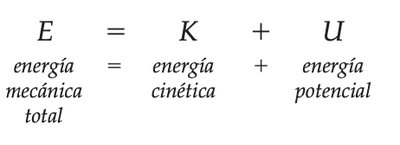
Q4. Clearly explain the principle of conservation of total mechanical energy.
Background
Topic: Conservation of Mechanical Energy
This question tests your understanding of how the total mechanical energy (kinetic + potential) remains constant in the absence of non-conservative forces.
Key Terms and Formulas
Mechanical Energy ():
Conservation Principle: (if only conservative forces act)
Step-by-Step Guidance
Define mechanical energy as the sum of kinetic and potential energy.
State the conservation principle: in a system with only conservative forces, total mechanical energy remains constant.
Explain that energy can transform between kinetic and potential forms, but the total stays the same.
Think of an example, like a pendulum swinging, where energy shifts between kinetic and potential but the sum is constant.
Try solving on your own before revealing the answer!
Q5. Explain the principle of conservation of energy (with conservative and non-conservative forces).
Background
Topic: Conservation of Energy with Different Forces
This question is about how energy is conserved or transformed when both conservative and non-conservative forces are present.
Key Terms and Formulas
Conservative Forces: Forces like gravity or spring force, which store energy and allow recovery.
Non-Conservative Forces: Forces like friction, which dissipate energy as heat or other forms.
Energy Conservation Equation:, where is work done by non-conservative forces.
Step-by-Step Guidance
Define conservative and non-conservative forces and give examples.
Explain how conservative forces allow energy to be stored and recovered, while non-conservative forces transform energy into other forms (like heat).
Use the energy conservation equation to show how total mechanical energy changes when non-conservative forces are present.
Think of a scenario, such as a sled sliding on ice (conservative) versus sliding on rough ground (non-conservative), and describe how energy is conserved or lost.
Try solving on your own before revealing the answer!
o=opuesto
a=adyasente
h=hipotenusa
o
a
o
a
h
h
voy al ORTODONCISTA
me ponen APARATOS
vuelvo al ORTODONCISTA
me quitan los APARATOS
y quedo HERMOSA
y quedo HERMOSA
Final Answer Example:
The work-energy theorem states that the net work done on an object equals the change in its kinetic energy. For example, if you push a sled and it speeds up, the work you do increases its kinetic energy.
Kinetic energy is the energy of motion, calculated as . For instance, a moving car has more kinetic energy the faster it goes.
Potential energy is stored energy due to position, such as a ball held above the ground (). Raising the ball increases its potential energy.
The principle of conservation of mechanical energy means that in the absence of non-conservative forces, the sum of kinetic and potential energy remains constant.
When non-conservative forces like friction are present, some mechanical energy is transformed into other forms, but total energy is still conserved.
