 Back
Merchandising Operations and Inventory in Financial Accounting
Study Guide - Smart Notes
 Tailored notes based on your materials, expanded with key definitions, examples, and context.
Merchandising Operations
Introduction to Merchandising Businesses
Merchandising businesses are entities that purchase finished goods for resale to customers. Unlike service companies, merchandisers earn revenue by selling inventory rather than providing services. The accounting for merchandising operations introduces new accounts and transactions, particularly related to inventory and cost of goods sold.
Merchandiser: A business that sells products to earn revenue.
Inventory: Goods held for sale in the normal course of business.
Wholesaler: Sells goods to retailers.
Retailer: Sells goods to final consumers.
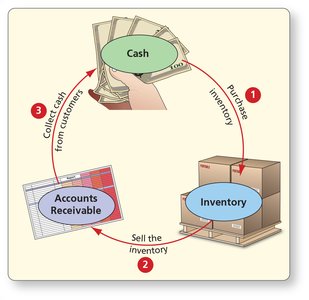
Operating Cycle of a Merchandising Company
The operating cycle for a merchandising company involves purchasing inventory, selling inventory, and collecting cash from customers. This cycle is crucial for understanding cash flow and inventory management.
Step 1: Purchase inventory.
Step 2: Sell inventory (often on account).
Step 3: Collect cash from customers.
Financial Statements for Merchandising Companies
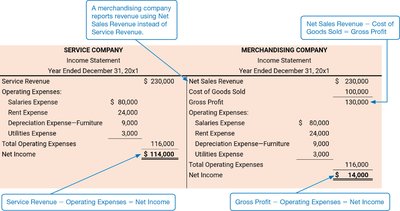
Income Statement Differences
Merchandising companies report Net Sales Revenue and Cost of Goods Sold (COGS) on the income statement, which are not present in service companies. The difference between net sales revenue and COGS is called Gross Profit.
Net Sales Revenue = Sales Revenue - (Sales Returns and Allowances + Sales Discounts)
Gross Profit = Net Sales Revenue - Cost of Goods Sold
Net Income = Gross Profit - Operating Expenses
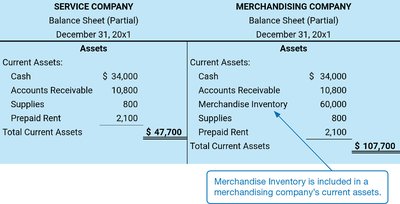
Balance Sheet Differences
Merchandising companies include Merchandise Inventory as a current asset, which is not present in service companies.
Purchasing Inventory
Purchase Transactions
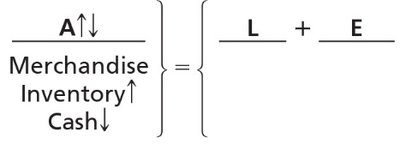
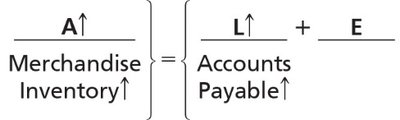
Inventory can be purchased for cash or on account. The accounting equation is affected as follows:
When inventory is purchased for cash: ,
When inventory is purchased on account: ,
Freight Terms: FOB Shipping Point vs. FOB Destination
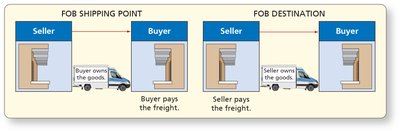
Freight terms determine who pays for shipping and when ownership of goods transfers.
FOB Shipping Point: Buyer pays freight; ownership transfers at shipping point.
FOB Destination: Seller pays freight; ownership transfers at destination.
Purchase Returns, Allowances, and Discounts
Merchandisers may return goods to suppliers (purchase returns), receive price reductions (allowances), or take advantage of early payment discounts (purchase discounts).
Purchase Return: Returning unsatisfactory goods to the supplier.
Purchase Allowance: Price reduction for defective goods kept by the buyer.
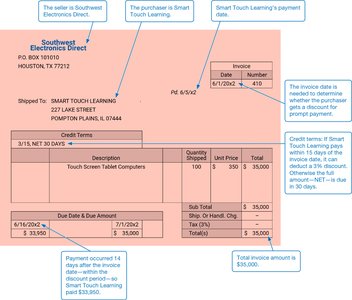
Purchase Discount: Reduction in price for early payment (e.g., 2/10, n/30 means 2% discount if paid within 10 days, net due in 30 days).
Sales Transactions
Recording Sales and Cost of Goods Sold
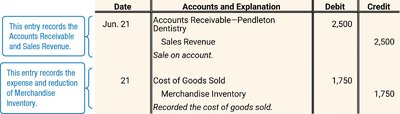
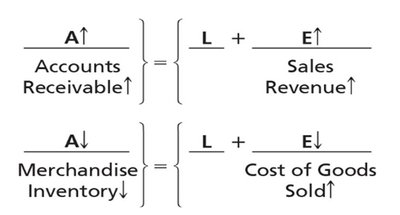
When inventory is sold, two entries are made: one for the sale and one for the cost of goods sold.
Record sales revenue and cash/accounts receivable.
Record cost of goods sold and reduce inventory.
Sales Returns, Allowances, and Discounts
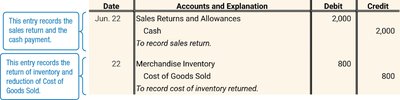
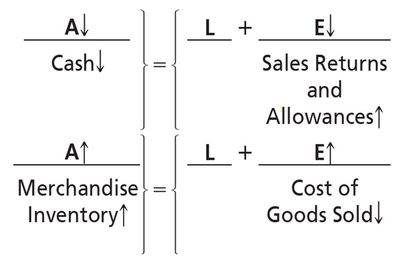
Customers may return goods (sales returns), receive price reductions (sales allowances), or take advantage of early payment discounts (sales discounts).
Sales Return: Customer returns goods for a refund.
Sales Allowance: Price reduction for goods kept by the customer.
Sales Discount: Reduction in amount owed for early payment.
Inventory Systems
Perpetual vs. Periodic Inventory Systems
There are two main systems for tracking inventory:
Perpetual System: Continuously updates inventory and cost of goods sold with each purchase and sale.
Periodic System: Updates inventory and cost of goods sold at the end of the accounting period based on a physical count.
Inventory Shrinkage
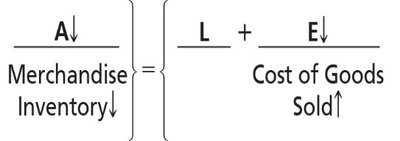
Inventory shrinkage is the loss of inventory due to theft, damage, or errors. It is detected by comparing physical counts to accounting records and is recorded as an expense.
Financial Statement Presentation
Classified Income Statement for Merchandisers
The classified income statement for a merchandising company includes net sales revenue, cost of goods sold, gross profit, operating expenses, and net income.
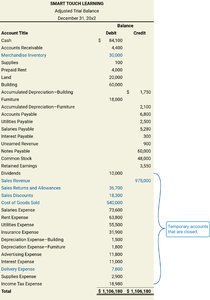
Classified Balance Sheet for Merchandisers
Merchandise inventory is reported as a current asset on the balance sheet, distinguishing merchandising companies from service companies.
Key Formulas
Net Sales Revenue:
Gross Profit:
Cost of Goods Sold (COGS):
Net Purchases:
Summary Table: Key Differences Between Service and Merchandising Companies
Aspect | Service Company | Merchandising Company |
|---|---|---|
Primary Revenue | Service Revenue | Sales Revenue (Net Sales) |
Inventory | None | Merchandise Inventory |
Cost of Goods Sold | Not reported | Reported |
Gross Profit | Not reported | Reported |
Additional info: This guide covers the core concepts of merchandising operations, inventory accounting, and the related financial statement presentation, as found in a Principles of Accounting college course.
