 Back
BackChinese Americans and Japanese Americans: History, Experience, and Contemporary Issues
Study Guide - Smart Notes
 Tailored notes based on your materials, expanded with key definitions, examples, and context.
Race and Ethnicity: Chinese Americans and Japanese Americans
Chinese Americans: The Early Experience
The history of Chinese Americans is marked by both opportunity and adversity. Early Chinese immigrants were welcomed for their labor but faced hostility due to cultural differences and economic competition. The Chinese Exclusion Act and subsequent violence shaped their settlement patterns, leading to the formation of Chinatowns across the United States.
Early Settlement Patterns: Chinese immigrants contributed significantly as laborers but were seen as economic threats and cultural outsiders. The Chinese Exclusion Act (1882) severely restricted immigration until its repeal in 1943, after which immigration resumed, especially following the 1965 Immigration Act.
Chinatowns: These urban enclaves became centers of Chinese American life, featuring organizations such as benevolent associations (hui kuan) and tongs (secret societies). Chinatowns also faced social challenges, including poverty and discrimination.
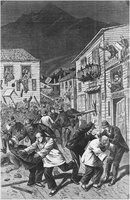
Violence and Discrimination: Anti-Chinese violence was widespread, exemplified by events like the Denver Riot of 1880, where mobs attacked Chinese communities with little legal consequence for perpetrators.
Contemporary Chinese Americans
Today, Chinese Americans are a diverse and dynamic community, with significant representation in professional and managerial occupations. Despite economic progress, they continue to face prejudice and discrimination.
Occupational Profile: About half of Chinese Americans work in managerial, professional, and related fields, compared to one-third of the general population. Many own small businesses, particularly in service sectors such as food, beauty, and transportation.
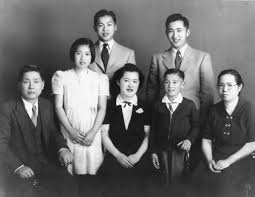
Family Life: Chinese American families often maintain traditional values, including strong parental authority, the importance of extended family, low divorce rates, and strict attitudes toward sexual behavior. However, they also experience discrimination that affects family dynamics.

Japanese Americans: The Early Years
Japanese immigration to the United States began in the late 19th century, with immigrants often working in low-wage, difficult jobs. Discriminatory laws, such as the Alien Land Act, restricted their economic opportunities and forced many into urban businesses.
Early Immigration: Japanese immigrants faced legal barriers to land ownership and citizenship, leading to concentration in urban areas and business ownership.
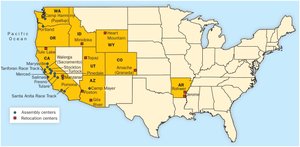
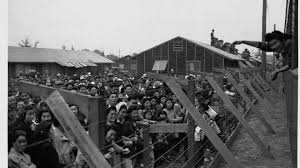
Wartime Evacuation: Following the attack on Pearl Harbor in 1941, Executive Order 9066 authorized the forced relocation and internment of Japanese Americans. Over 120,000 people, most of whom were U.S. citizens, were sent to internment camps without due process.
Contemporary Japanese Americans
Japanese Americans today are among the most socioeconomically successful minority groups in the United States. The legacy of internment, however, continues to influence their collective memory and identity.
Economic Picture: Japanese Americans have high levels of educational attainment and family income, often surpassing those of White Americans. They are less affected by recent immigration and have stable community structures.
Family Life: Japanese American families traditionally emphasize unity, respect for authority, and community duty. Divorce rates have historically been low, and crime and mental illness rates are lower than those of other groups.
Cultural Identity: Many Japanese Americans balance traditional values with American identity, finding ways to be both "good Japanese" and "good Americans."
Remnants of Prejudice and Discrimination
Despite progress, Chinese and Japanese Americans continue to face prejudice and discrimination. The Japanese American Citizens League identifies four main causes for ongoing intolerance:
Xenophobia and Visibility: The distinct appearance and cultural practices of Asian Pacific Americans (APAs) make them targets for xenophobia.
Economic and International Relations: Competition and international tensions can fuel negative attitudes toward APAs.
Media Stereotypes: Persistent stereotypes, including the "model minority" myth, shape public perceptions and can obscure real challenges faced by these groups.
The "Asian Monolith" View: Many Americans overlook the diversity within APA communities, treating them as a single, undifferentiated group.
Case Study: Allegiance and Collective Memory
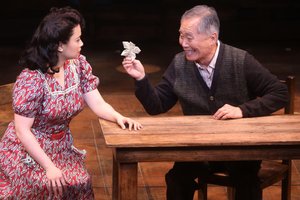
The legacy of Japanese American internment remains a powerful part of community memory. Cultural works, such as the Broadway musical Allegiance, retell these stories and help educate new generations about the injustices faced by Japanese Americans during World War II.
Additional info: These notes are based on a sociology textbook chapter and are relevant to the topics of race, ethnicity, prejudice, discrimination, and the experiences of minority groups in the United States. They align with the course chapters on Race and Ethnicity, Social Structure, and Social Control.
