 Back
BackSpace, Power, and Inclusion/Exclusion in the (Post)Apartheid City: Sociological Perspectives
Study Guide - Smart Notes
 Tailored notes based on your materials, expanded with key definitions, examples, and context.
Space, Power, and Inclusion/Exclusion in the (Post)Apartheid City
The Apartheid City: Power to Exclude
The apartheid city in South Africa was shaped by policies of racial segregation, which systematically excluded nonwhite populations from political, economic, and social participation. The spatial organization of cities reflected the power dynamics between groups, with laws and practices designed to enforce separation and inequality.
Apartheid: Official policy of racial segregation practiced in South Africa, involving discrimination against nonwhites.
Historical Roots: The Dutch settled the Cape Colony in 1652, later becoming Afrikaners. British colonialism and the Boer War further shaped racial and spatial divisions.
Union of South Africa (1910): Combined British and Dutch colonies, but denied rights to black South Africans.
National Party (1948): Instituted apartheid, assigning different races to different parts of the city and enforcing exclusion through passes and legal restrictions.
Spatial Segregation: Urban areas were divided, with Africans assigned to "homelands" and restricted from white areas.
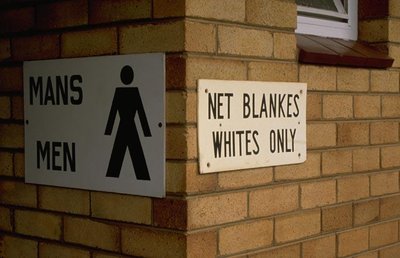
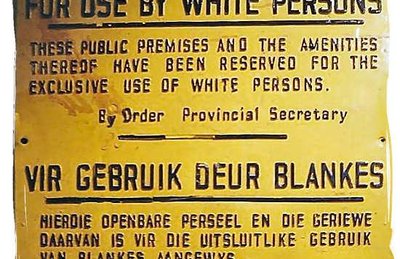
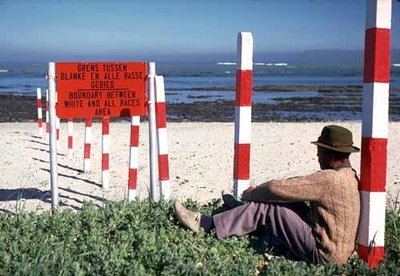
Colonial Urban Segregation
Urban exclusion and segregation predate apartheid, with roots in colonial practices. Passes and spatial controls were used to regulate movement and access for slaves and settlers, reflecting broader patterns of social control.
Passes: Introduced during colonial period to control slaves and some settlers.
Historical Roots: Segregation in English military foundations in Wales and Ireland (Christopher, 1983).
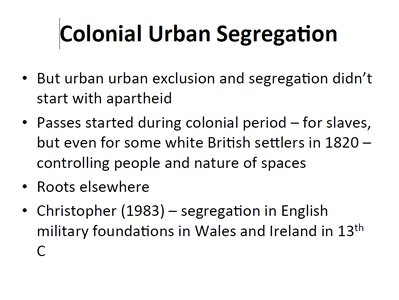
Apartheid Laws and Enforcement
Apartheid laws institutionalized racial classification and spatial separation. Key legislation included the Population Registration Act, Group Areas Act, and Bantu Authorities Act, which defined and enforced segregation.
Population Registration Act (1950): Classified South Africans into racial groups.
Group Areas Act (1950, 1957, 1966): Restricted ownership and residence to certain groups.
Bantu Authorities Act (1951): Created African "homelands" for self-government.
Bantu Homelands Citizenship Act (1970): Made black South Africans citizens of homelands, excluding them from national politics.
Homelands and Urban Exclusion
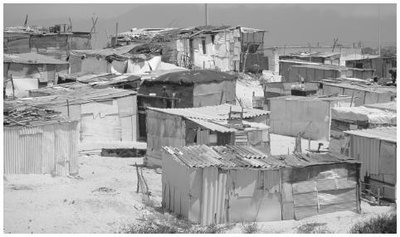
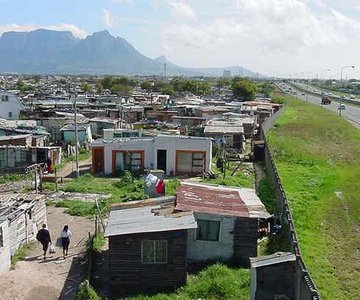
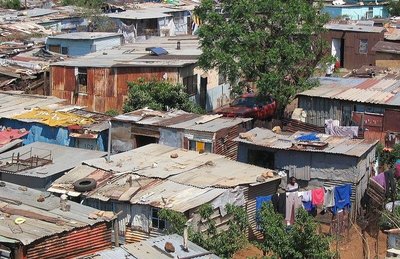
Homelands were designated areas for black South Africans, often based on inaccurate records. Political rights were restricted to these homelands, and movement into urban areas required passports.
Homelands: Independent states assigned by government; Africans lost South African citizenship.
Soweto Township: Largest black urban community near Johannesburg.
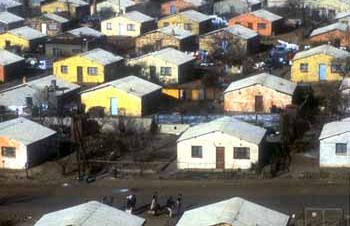
Inequality in Education and Resources
Government spending and resources were heavily skewed in favor of white populations, resulting in poor educational facilities and opportunities for black children.
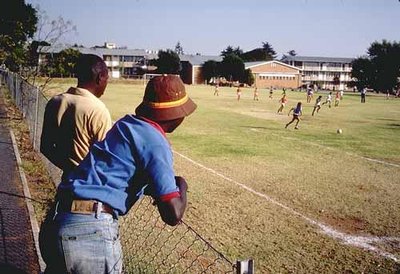
Resource Allocation: White children received ten times more government spending than black children.
Educational Disparities: Overcrowded classrooms, poorly trained teachers, and inadequate facilities for black children.
The Pass System
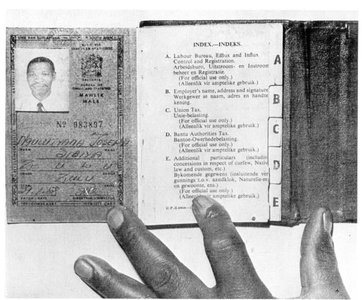
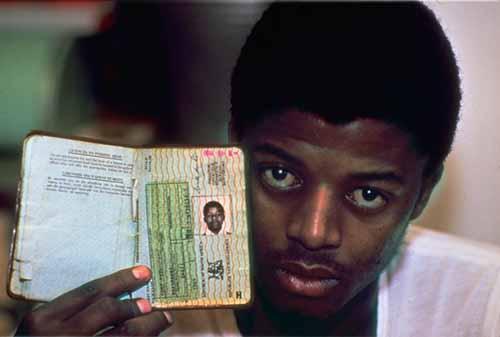
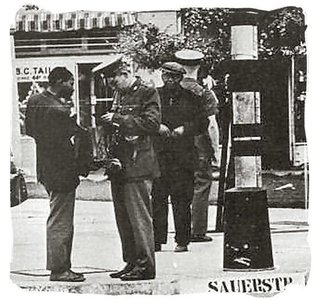
The pass book was a symbol of apartheid, used to control movement and employment of black South Africans. Passes were required for entry into urban areas and employment, with severe penalties for violations.
Pass Book: Issued only to black persons with approved work; restricted movement and separated families.
Enforcement: Police patrolled white areas to arrest those without valid passes.
Resistance and the Struggle Against Apartheid
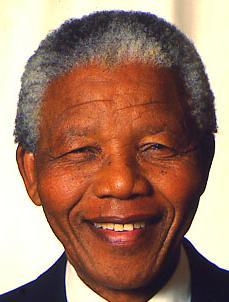
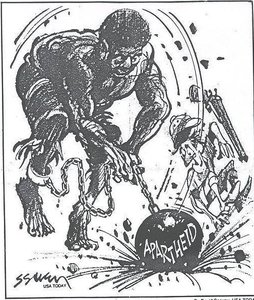
Throughout apartheid, various groups resisted the system using strikes, demonstrations, and symbolic acts of defiance. The African National Congress (ANC) and leaders like Nelson Mandela played key roles in the fight for democracy.
Resistance Tactics: Violence, strikes, demonstrations, sabotage.
Defiance Campaign: Mass resistance and public disobedience in the 1950s.
Freedom Charter (1955): Declaration for equality and democracy.
Nelson Mandela: Imprisoned for political efforts, released in 1990, first democratic president in 1994.
Post-Apartheid Issues of Exclusion
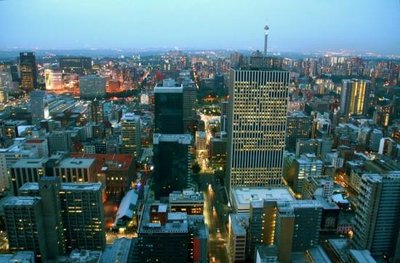
Despite the end of apartheid, cities continue to face challenges of exclusion, poverty, and inequality. Many urban residents lack the skills and resources to compete for jobs, leading to overcrowding and social tension.
Economic and Social Inclusion: Critical for sustainability and competitiveness of cities.
Consequences of Exclusion: Unsafety, collective violence, vulnerability of populations.
Intergovernmental Coordination: Needed to address urban challenges.
Urban Growth and Sustainability
South African cities have grown unsustainably, with inefficiencies in energy, water, waste, and transport. Spatial transformation is needed to make cities more productive, inclusive, and sustainable.
Resource-Intensive Growth: Unsustainable energy mix, waste disposal, and greenhouse gas emissions.
Spatial Transformation: Needed to address inefficiency and exclusion, improve productivity, and reduce commutes.
Governance and Inclusion
Good governance requires participation from all actors: government, private sector, civil society, and knowledge institutions. Sustainable development and active citizenship are essential for positive urban growth.
Governance: All actors have a role; cities should be financed properly and managed well.
Integrated Urban Development Framework: Emphasizes cooperation and shared recognition of cities' roles.
Defining Power, Space, and Inclusion/Exclusion
Power is a contested concept, with multiple meanings and forms. It can be seen as control, agency, collective action, or self-awareness. Inclusion and exclusion are complex, with "adverse inclusion" highlighting participation under unfavorable conditions.
Forms of Power:
Power 'over': Ability to affect actions of others.
Power 'to': Capacity to act; agency.
Power 'with': Collective action and alliance building.
Power 'within': Self-dignity and self-awareness.
Inclusion/Exclusion: Social exclusion prevents participation; adverse inclusion involves participation under poor conditions.
Space: Sociological and Geographical Perspectives
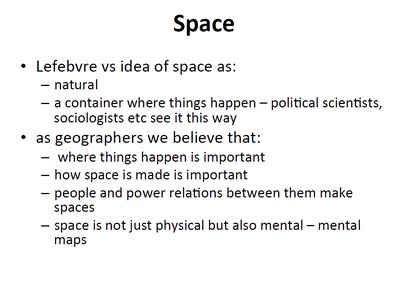
Space is not just a physical container but is shaped by social relations and power dynamics. Geographers emphasize the importance of how space is made, the people and power relations involved, and the mental maps that influence spatial understanding.
Lefebvre's Idea of Space: Space as natural or a container for events.
Geographical Perspective: Space is made by people and power relations; includes both physical and mental aspects.
Race and Space: Historical and Social Links
The relationship between race and space has deep historical roots, linked to imperialism and the control of land. Racialized groups have been defined and regulated through spatial practices, and these processes continue to shape social hierarchies.
Imperialism: Racializing bodies and groups linked to land theft and spatial control.
Interactional and Relational: Meanings of race and space are continuously made and remade through interactions.
Imagined Geographies: Concept by Said (1979) explaining how spatial dimensions maintain hierarchies.
Example: Immigrants may be included in labor markets but under poor conditions, illustrating "adverse inclusion."
Additional info: These notes integrate sociological concepts of power, space, and exclusion with historical and contemporary examples from South Africa, providing a comprehensive overview for Introduction to Sociology students.
