 Back
BackThe Dynamics of Correctional Institutions: Prisoners’ Experiences and Prison Reform in Canada
Study Guide - Smart Notes
 Tailored notes based on your materials, expanded with key definitions, examples, and context.
The Dynamics of Correctional Institutions
Prisoners’ Experiences
This section explores the social realities and lived experiences of prisoners in Canadian correctional institutions, focusing on demographic patterns, overrepresentation of marginalized groups, and the unique needs of specific populations.
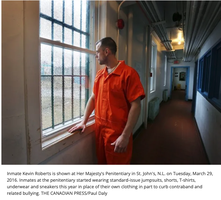
Typical Canadian Prisoner: Most prisoners are young, single, poorly educated, and unskilled males. There is a disproportionate representation of Indigenous and Black individuals. Many have unstable life histories, face structural inequalities, and have experienced trauma, mental health, or substance use disorders. Most are housed in provincial or territorial institutions.
Overrepresentation of Indigenous Adults: The overrepresentation index measures the relative difference in incarceration rates between Indigenous and non-Indigenous populations, controlling for age and gender. Indigenous adults are significantly overrepresented in both provincial and federal custody, reflecting systemic inequalities and historical injustices.
Overrepresentation of Black Adults: Black Canadians are also disproportionately incarcerated, highlighting ongoing issues of racial profiling and systemic discrimination within the justice system.
Needs of Specific Groups in Prisons
Different populations within prisons face unique challenges and require tailored interventions to address their needs and promote equity.
LGBTQ2A+ Prisoners: Experience homo/transphobia from both guards and other prisoners, face challenges regarding placement in gendered facilities, and are at high risk of sexual violence.
Women/Women-Identified Prisoners: Higher rates of past abuse, mental health challenges, and Indigenous identity. They often have child-care responsibilities and serve sentences far from their communities.
Indigenous Prisoners: Many have histories in the child welfare system, family members in prison, or are residential school survivors. Substance use is prevalent, and many are introduced to cultural teachings while incarcerated.
Managing on the Inside
Prisoners must navigate complex institutional environments characterized by overcrowding, health and safety concerns, and social tensions.
Overcrowding: Leads to increased tension and reduced access to resources.
Health and Safety: Includes risks of violence, infectious diseases, and inadequate healthcare.
Tension Between Groups: Social divisions and conflicts among prisoner groups are common.
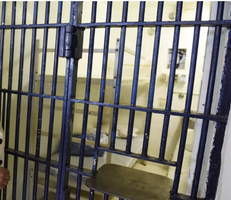
Segregation: Used for disciplinary or administrative reasons, but can have severe psychological effects.

Prisonization and Institutionalization
Prisonization refers to the process by which inmates adopt the norms, values, and culture of prison life. Institutionalization describes the reduced ability to function outside of the institution due to prolonged incarceration.
"Failure to Cope" Behaviours: Difficulty adjusting to life outside prison, often resulting in recidivism.
Health and Safety: Harm Reduction
Principles of Harm Reduction
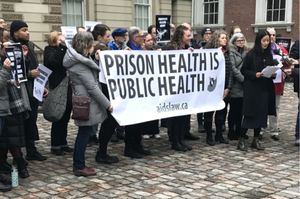
Harm reduction strategies in prisons aim to minimize the negative health consequences associated with drug use and other risky behaviours, rather than enforcing abstinence.
Acceptance: Recognizes that safer ways to use drugs exist and prioritizes quality of life.
Non-Judgmental, Non-Coercive: Approaches are grounded in respect for individual autonomy and lived experience.
Empowerment: Involves people who use drugs in decision-making and acknowledges structural inequalities.
Examples of Harm Reduction in Prisons:
Bleach kits for cleaning drug paraphernalia
Methadone maintenance therapy
Needle exchange programs
Safe/sterile tattooing tools
Prison Reform in Canada
Focus on Prisoner Rights
Recent reforms in Canada have emphasized the protection of prisoner rights and the improvement of institutional conditions.
Gender of Staffing: Increasing diversity among correctional staff to better reflect and support the prison population.
Use of Force Protocols: Revisions to reduce unnecessary violence and improve accountability.
Access to Healing Lodges: Facilities that incorporate Indigenous cultural practices for rehabilitation.
Restricting Segregation: Limiting the use of solitary confinement due to its harmful psychological effects.
The Arbour Report (1996): A landmark inquiry into abuses at the Prison for Women in Kingston, leading to significant recommendations for reform.
The Ashley Smith Inquest (2012)
The inquest into the death of Ashley Smith, a young woman who died in federal custody, resulted in 104 recommendations aimed at improving mental health care and reducing the use of segregation.
Key Recommendations:
Early psychological assessment upon admission
More effective therapeutic interventions
Peer support programs
Increased staffing for health and mental health services
Prohibition of long-term segregation
Personal Narratives and Advocacy
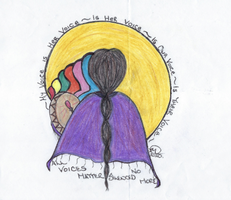
"One Heartbeat" by Terri M. (2020)
This narrative highlights the transformative power of education and advocacy within carceral settings, emphasizing the importance of community and collective voice among incarcerated individuals.
"Equality" by Joker (2022)
This testimony calls for equality and mutual respect between guards and prisoners, advocating for a more humane and just correctional system.
Summary Table: Overrepresentation and Needs in Canadian Prisons
Population | Key Issues | Unique Needs |
|---|---|---|
Indigenous | Overrepresentation, trauma, substance use, family history of incarceration | Cultural programming, healing lodges, trauma-informed care |
Black | Overrepresentation, systemic discrimination | Anti-racism initiatives, community support |
LGBTQ2A+ | Violence, discrimination, inappropriate placement | Safe housing, anti-violence policies, support services |
Women | Abuse history, mental health, child-care responsibilities | Trauma-informed care, family support, mental health services |
Additional info: The notes above integrate academic context on overrepresentation, harm reduction, and prison reform, as well as the sociological concepts of prisonization and institutionalization, to provide a comprehensive overview suitable for sociology students.
