 Back
BackWomen: The Oppressed Majority – Gender, Society, and Inequality
Study Guide - Smart Notes
 Tailored notes based on your materials, expanded with key definitions, examples, and context.
Women: The Oppressed Majority
Introduction
This chapter explores the sociological understanding of gender roles, the history and impact of the feminist movement, and the economic, educational, familial, and political experiences of women in the United States. It draws on multiple sociological perspectives to analyze the persistent inequalities faced by women and the intersectional nature of their experiences.
Gender Roles
Understanding Gender Roles
Gender roles are society’s expectations regarding the appropriate behaviors, attitudes, and activities of men and women.
Gender identity refers to how individuals perceive themselves as male, female, or another gender.
Sexual identity (or sexual orientation) is the self-awareness of being romantically or sexually attracted to a particular group of people.
Ethnic Diversity Among Women
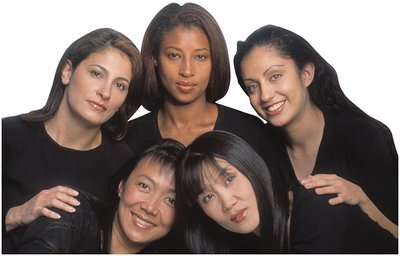
Women’s experiences are shaped by both gender and ethnicity, leading to diverse challenges and perspectives within the broader category of 'women.' Intersectionality is crucial for understanding these differences.
Sociological Perspectives on Gender
Major Theoretical Approaches
Functionalist Perspective: Argues that sex differentiation contributes to social stability by assigning complementary roles to men and women.
Conflict Perspective: Emphasizes the unequal power relationship between men and women, with men historically dominant.
Both perspectives agree that significant changes in gender roles require major shifts in social structure.
Gender differentiation is embedded in social institutions such as family, education, religion, politics, the economy, medicine, and media.
The Feminist Movement
History and Evolution
The Suffrage Movement: Focused on women’s right to vote, culminating in the 19th Amendment (1920).
The Women’s Liberation Movement: Advocated for bodily autonomy, contraception, and challenged the notion that women’s roles were limited to motherhood and marriage (e.g., Betty Friedan’s The Feminine Mystique).
Feminism Today: Seeks equal rights for women and addresses critiques of earlier movements, including the marginalization of women of color and other groups.
Intersectionality: The concept that social identities (race, class, gender, etc.) overlap, creating unique systems of advantage and disadvantage.
The Economic Picture
Women’s Economic Situation
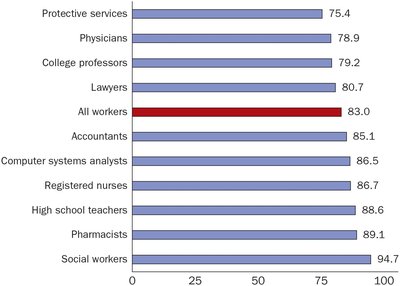
Sexism and Institutional Discrimination: Persistent biases and structural barriers limit women’s economic opportunities.
Occupational Segregation: Men dominate high-paying occupations, while women are overrepresented in lower-paying fields.
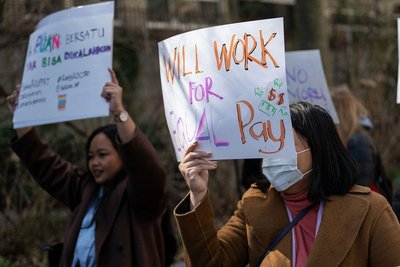
Pay Equity (Comparable Worth): The principle that men and women should receive equal pay for work of equal value.
Glass Ceiling: An invisible barrier that prevents women from advancing to top positions.
Mommy Track: Career paths that accommodate motherhood but limit advancement.
Sexual Harassment: A widespread issue in workplaces, with significant legal and financial consequences. The #MeToo movement has brought increased attention to this problem.
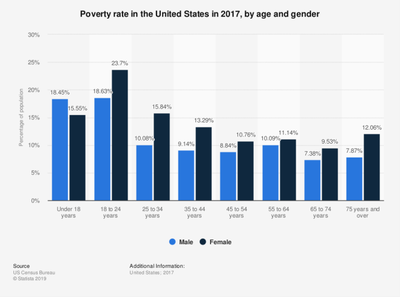
Feminization of Poverty: Women, especially single mothers, are disproportionately affected by poverty. In 2021, 23% of single-mother families lived in poverty compared to 4.8% of married-couple families.
Education
Women’s Experience in Education
Women gained access to higher education much later than men, often with an emphasis on traditional gender roles.
Early female graduates became leaders in the feminist movement.
Despite outperforming males academically today, women still face classroom sexism.
Title IX (1970s): Federal law requiring schools to eliminate sex discrimination in admissions, financial aid, hiring, and athletics. Title IX remains controversial but has significantly advanced gender equality in education.
Family Life
Gender and the Family
Childcare and Housework: Women perform more unpaid labor at home, including the 'invisible' mental labor of childcare (Waltzer, 1996).
Second Shift: Term coined by Arlie Hochschild to describe the double burden of paid work and domestic responsibilities faced by women.
Mommy Tax: The lifetime earnings penalty women face due to childrearing responsibilities.
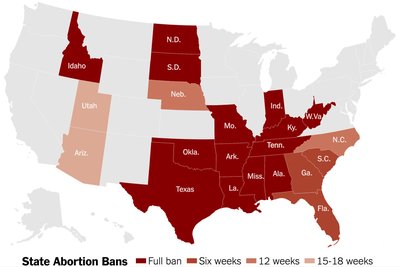
The Abortion Issue: Legal and political debates over abortion rights have shifted over time, with landmark Supreme Court decisions such as Roe v. Wade (1973) and Dobbs v. Jackson Women’s Health Organization (2022) shaping access to abortion.
Political Activity
Women in Politics
Women make up 53% of the voting population and 49% of the labor force but hold only 8% of high government positions.
As of mid-2023, women hold 25 out of 100 Senate seats and 124 out of 435 House seats.
Women tend to vote less Republican than men, but voter turnout rates are similar for both genders.
Barriers to office include fundraising and differential media coverage.
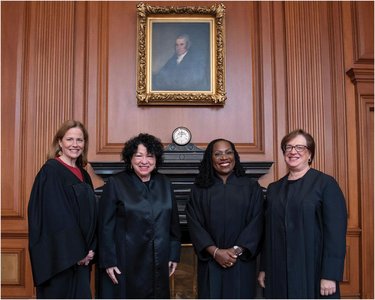
Only 6 of the 116 Supreme Court justices through 2023 have been women.
Sexual Harassment
Definition and Impact
Sexual harassment includes unwelcome sexual advances, requests for sexual favors, and other verbal or physical harassment of a sexual nature in the workplace or educational settings.
It is a significant barrier to gender equality and can have severe professional and psychological consequences for victims.

Key Terms and Concepts
Gender roles
Gender identity
Sexual identity
Intersectionality
Sexism
Institutional discrimination
Occupational segregation
Pay equity
Glass ceiling
Mommy track
Feminization of poverty
Second shift
Mommy tax
Sexual harassment
Summary Table: Selected Gender Inequality Concepts
Concept | Definition | Example |
|---|---|---|
Glass Ceiling | Invisible barrier to advancement for women | Few women CEOs in Fortune 500 companies |
Pay Equity | Equal pay for work of equal value | Efforts to close the gender wage gap |
Second Shift | Women’s dual burden of paid work and housework | Working mothers doing most household chores |
Intersectionality | Overlapping systems of advantage/disadvantage | Black women facing both racism and sexism |
