Back
BackIntroductory Statistics: Course Structure, Success Strategies, and Study Skills
Study Guide - Smart Notes
 Tailored notes based on your materials, expanded with key definitions, examples, and context.
Course Overview and Introduction
Purpose and Scope of Statistics
Statistics is the science of collecting, analyzing, interpreting, and presenting data. This course, MATH 1530, is designed to introduce students to both descriptive and inferential statistics, equipping them with the skills to interpret statistical information, solve real-world problems, and communicate findings effectively. While mastery of all statistical methods is not expected in an introductory course, students will gain the foundational knowledge necessary for further study and for critical engagement with statistical information in everyday life and professional contexts.
Descriptive Statistics: Methods for summarizing and organizing data (e.g., measures of center, variation, and graphical displays).
Inferential Statistics: Techniques for making predictions or inferences about a population based on sample data (e.g., confidence intervals, hypothesis testing).
Statistical Reasoning: Understanding probability, sampling, and the limitations of statistical conclusions.
Key Learning Outcomes:
Apply statistical reasoning to solve conceptual and applied problems.
Communicate statistical concepts using appropriate terminology and symbolic language.
Analyze and solve real-world problems using statistical methods.
Use technology (e.g., calculators, statistical software) to analyze data and model behavior.
Additional info: The course emphasizes the importance of statistical literacy for citizenship and career readiness, as highlighted by H.G. Wells' assertion that statistical thinking is essential for efficient citizenship.
Course Structure and Requirements
Course Components and Resources
This course is delivered asynchronously online, requiring students to manage their time and learning independently. The following resources and tools are essential for success:
Momentum (Learning Management System): Access course news, technical support, calculator requests, and guided notes.
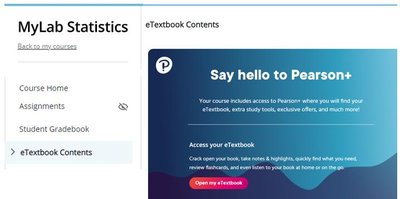
MyLab Statistics: Complete assignments, quizzes, exams, and access the eTextbook.
Guided Notebook: Print and organize course notes, which are critical for studying and completing assignments.
Calculator: A TI-83 or TI-84 Plus is required for statistical computations.
Instructor Support: The instructor provides guidance, answers questions, and offers encouragement, but students are expected to use all other resources first.
Grading and Evaluation
Grades are determined by a combination of online homework, quizzes, practice tests, and exams. The grading scale is as follows:
A: 90–100%
B: 80–89.9%
C: 70–79.9%
D: 60–69.9%
F: 0–59.9%
Grade Components:
Online Homework: 20%
Online Quizzes & Practice Tests: 15%
3 Unit Exams + Final Exam: 65%
Policies include dropping the lowest homework and quiz scores, and allowing the final exam to replace one missed unit exam.
Success Strategies for Statistics Students
Time Management and Study Habits
Success in an online statistics course requires strong time management, self-motivation, and the ability to follow written instructions. Students should plan to spend 6–10 hours per week on coursework, including watching videos, taking notes, and completing assignments.
Print and organize all course materials in a three-ring binder.
Set reminders for assignment and exam due dates.
Use guided notes and complete all indicated sections by hand.
Review mistakes on quizzes and practice tests before retaking them.
Seek help from the instructor only after using all other resources and being prepared to explain what you have tried.
Using Course Resources Effectively
Students are expected to use the following resources before seeking instructor assistance:
Syllabus: For class policies and grading procedures.
Course Calendar: For assignment and exam dates.
Media Assignments and eText: For primary content delivery and examples.
Guided Notes: For structured note-taking and study reference.
Homework and Quizzes: For practice and assessment of understanding.
Practice Tests: For exam preparation.
Learning Centers: For tutoring and additional support.

Academic Integrity and Student Support
Academic Integrity
Academic misconduct, including plagiarism, cheating, fabrication, and facilitation, is strictly prohibited. Consequences may include a failing grade for the assignment or course, and students may not drop the class if found guilty of misconduct. Due process and appeal procedures are available.
Support for Students
Disability Services: Reasonable accommodations are provided for eligible students.
Title IX: The college prohibits sex discrimination and harassment. Contact the Title IX Coordinator for concerns.
Technical Support: Assistance is available for issues with course access or technology.
Emergency Procedures: Students should be familiar with campus safety resources and emergency communication protocols.
Course Policies and Best Practices
Assignment Submission and Deadlines
All assignments, quizzes, and exams must be submitted by the deadlines listed in the course calendar.
Late submissions incur a 10% penalty and are only accepted up to the test date for the relevant material.
Extensions are only granted for documented disability accommodations.
Communication with the Instructor
Use professional language and complete sentences in all communications.
Contact the instructor via Raidernet email for assistance, after consulting the syllabus and other resources.
Be prepared to share your notes and explain what you have already tried when seeking help.
Technology and Tools
Required Technology
Calculator: TI-83 or TI-84 Plus (no substitutions or cellphone calculators allowed).
Internet Access: Reliable high-speed internet and a working computer are required.
CamScanner App: Recommended for scanning and submitting handwritten assignments as PDFs.

Course Calendar and Organization
Staying on Track
The course calendar outlines all assignment, quiz, and exam dates. Students are responsible for keeping up with deadlines and organizing their study schedule accordingly. Drop grades are provided as an accommodation for emergencies, not as an excuse for poor planning.
Conclusion and Encouragement
Success in statistics requires consistent effort, resourcefulness, and a willingness to seek help when needed. The instructor is committed to supporting students, but ultimate responsibility for learning rests with the student. Stay organized, use all available resources, and approach the course with determination and curiosity.