
فوائد استخدام الأجهزة اللوحية في الفصل الدراسي الابتدائي

Jacqueline Martin
Jacqueline Martin
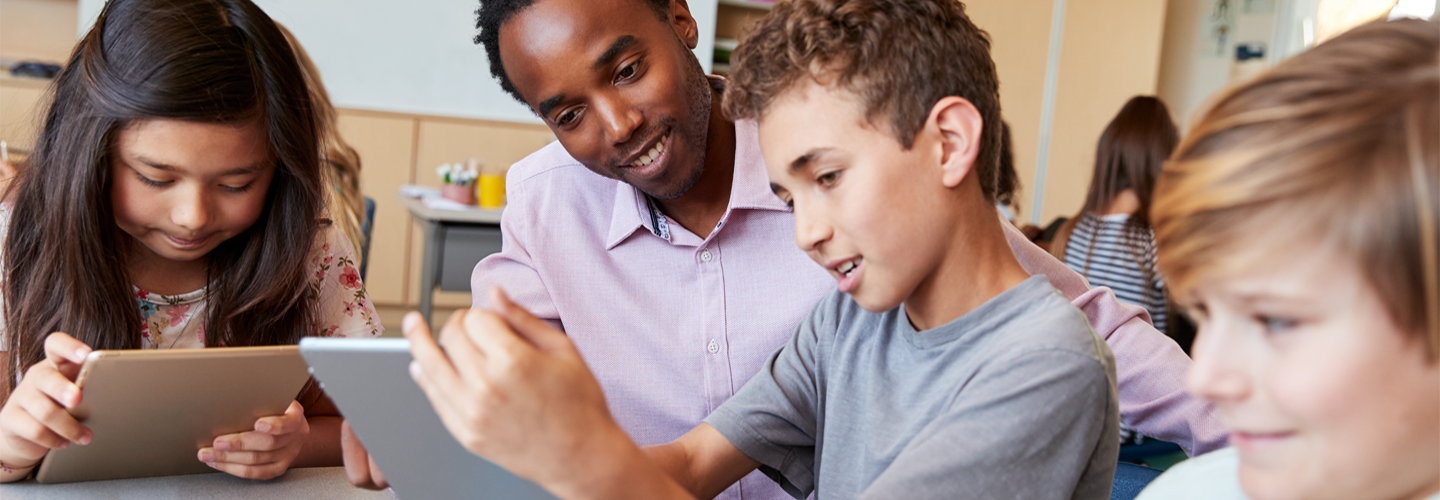
جلس المعلم مع الطلاب على طاولة ، والطلاب يستخدمون الأجهزة اللوحية.

وقت القراءة: 5 الدقائق

تعد السبورات البيضاء التفاعلية وأجهزة الكمبيوتر الشخصية وأجهزة الكمبيوتر المحمولة شائعة في العديد من المدارس في جميع أنحاء العالم ، ولكن هل فكرت يوما في استخدام الأجهزة اللوحية في فصول المتعلمين الصغار؟

يمكن استخدام الأجهزة اللوحية لأشياء كثيرة. البحث عبر الإنترنت ومشاهدة وإنشاء مقاطع الفيديو وممارسة الألعاب ورواية القصص الرقمية ليست سوى أمثلة قليلة. بالطبع ، هناك أيضا فائدة بيئية إضافية تتمثل في عدم استخدام الورق.

في هذا المنشور ، سوف نستكشف بعض الأسباب التي تجعل استخدام الأجهزة اللوحية مفيدا في الفصل الدراسي للمتعلم الصغير وما يجب مراعاته قبل القيام بذلك.

ما هي فوائد استخدام الأجهزة اللوحية في الفصل؟

1. تسهيل المشاركة

مع التوجيه الجيد من المعلم ، يمكن للأجهزة اللوحية محاكاة التفاعل الاجتماعي الطبيعي والتفاعل. يمكنهم أيضا تقديم أنشطة حل المشكلات وتحديد أهداف قابلة للتحقيق وتقديم ملاحظات فورية.

علاوة على ذلك ، عندما يشارك المتعلمون الصغار حقا في نشاط ما ، فقد ينظر إليه على أنه سهل - ويتعلمون ويستخدمون لغتهم الثانية (L2) دون أن يدركوا ذلك.

2. إدخال الأصالة والاستقلالية

من حيث المحتوى ، تسمح لنا الأجهزة اللوحية بإحضار العالم الحقيقي إلى الفصل الدراسي بنقرة على الشاشة. يمكننا تزويد المتعلمين بمواد أصلية عبر مقاطع فيديو مناسبة للمستوى والعمر والتواصل الواقعي. وكذلك التفاعل مع المعلمين والمتعلمين الآخرين من خلال فرق العمل أو باستخدام تطبيق آمن مثل الرسائل الخاصة بالنجوم.

تعزز الأجهزة اللوحية أيضا استقلالية المتعلم. إنها سهلة الاستخدام ، مما يسمح لنا بالتراجع خطوة إلى الوراء والسماح لطلابنا بالعمل بالسرعة التي تناسبهم ، والاستعداد كميسر عندما يحتاج الطلاب إلى المساعدة أو القليل من الدفع في الاتجاه الصحيح.

3. تعزيز الإبداع والتواصل والشمول

تحتوي جميع الأجهزة اللوحية تقريبا على كاميرا ويب ومسجل صوت ، مما يعني أنه يمكن إنشاء المحتوى الذي ينشئه المتعلم بسهولة - حتى بدون برامج مخصصة.

يمكنك أن تجعل طلابك يصنعون مدونات الفيديو الخاصة بهم (يوميات الفيديو) والكتب الإلكترونية والرسوم الهزلية والرسوم المتحركة ومقطورات الأفلام. كل ما عليك فعله هو تثبيت تطبيقات مثل Book Creator أو هذه السلسلة من التطبيقات المصممة خصيصا للمتعلمين الصغار جدا من Duck Duck Moose. بينما تم إنشاء هذه التطبيقات للفصول الدراسية "التي تتحدث بطلاقة" ، يمكن تكييفها بسهولة مع سياق ELT.

الأجهزة اللوحية تعزز أيضا التواصل. يمكن أن يساعد ذلك في تحسين المهارات الشفوية للطلاب L2 على أي مستوى ، عندما يكون المعلم موجودا لدعمهم وتوجيههم.

واحدة من أعظم مزايا الجهاز اللوحي بدلا من الكمبيوتر هي أنه يمكن لأي شخص استخدام واحد وهو أكثر قابلية للحمل.

بالنسبة للطلاب ذوي الاحتياجات التعليمية الخاصة ، يمكن أن تكون الأجهزة اللوحية أداة تعليمية أساسية ويمكن استخدامها أيضا من قبل الطلاب ذوي المهارات الحركية منخفضة المستوى ، مثل المتعلمين الصغار جدا. وبالمثل ، يمكن أن تعمل الأجهزة اللوحية بشكل جيد مع الفصول متعددة المستويات ، لأنها تتيح لك تقديم مواد وأنشطة ودعم متباينة عند الضرورة.

4. تمكين التقييم عبر الإنترنت

يمكن للأجهزة اللوحية أيضا تسهيل الاختبارات التفاعلية عبر الإنترنت أو المساعدة في قياس التقدم. تم تصميم اختبارات مثل "الإنجليزية Benchmark - Young المتعلمين" مع وضع المتعلمين الأساسيين في الاعتبار ، ليتم إجراؤها في أي وقت وفي أي مكان. يشرك تنسيقها الشبيه باللعبة الطلاب ويزيل الخوف من التقييم. كما يوفر ملاحظات فورية للمعلم مع تقارير إعلامية ونصائح للدراسة المستقبلية.

5. بناء العلاقات مع مقدمي الرعاية

أخيرا ، كما هو الحال مع أي محتوى عبر الإنترنت ، تتيح لك الأجهزة اللوحية التواصل مع المتعلمين لدينا خارج الفصل الدراسي. يمكنك إرسال روابط بسرعة إلى الواجبات الصفية والتعليقات إلى مقدمي الرعاية للأطفال ، مما يعزز علاقة إيجابية واهتماما أكبر بتقدم أطفالهم وتعلمهم.

نصائح لاستخدام الأجهزة اللوحية في الفصل

قبل تنفيذ استخدام الأجهزة اللوحية في فصلك الدراسي ، هناك بعض الأشياء التي يجب مراعاتها. فيما يلي بعض النصائح المفيدة التي ستساعدك على تحقيق أقصى فائدة من الأجهزة اللوحية.

قابليه الاستخدام:

  • قرر ما الذي ستستخدمه للأجهزة اللوحية ومتى. هل ستسمح للطلاب باستخدام الأجهزة اللوحية لجميع أجزاء الدرس أم لأنشطة محددة فقط؟ قد يعتمد هذا على عدد الأجهزة اللوحية المتوفرة لديك.
  • استخدم التكنولوجيا لتحسين نشاط ما أو تصميم أنشطة جديدة لن تكون ممكنة بدون التكنولوجيا ، بدلا من استخدامها لمواصلة العمل كالمعتاد. فكر في الوقت الذي سيساعد فيه الجهاز اللوحي المتعلمين على القيام بشيء لن يتمكنوا من القيام به بدونه ، على سبيل المثال ، إنشاء مقطع فيديو أو إنشاء جزء من الكتابة ومشاركته مع الفصل بأكمله.
  • فكر في استخدام الأجهزة اللوحية للإنشاء بدلا من الاستهلاك. يمكن لطلابك (وربما يفعلون) قضاء قدر لا بأس به من الوقت في استهلاك مقاطع الفيديو في أوقات فراغهم. سواء فعلوا ذلك في الإنجليزية أم لا ، فهذه قصة أخرى ، ولكن في الفصل الدراسي ، يجب على الطلاب استخدام اللغة قدر الإمكان (انظر النقطة التالية).
  • استخدم الأجهزة اللوحية للمهام التعاونية التي تتطلب التفاعل الاجتماعي والتواصل. من غير المحتمل أن يكون لديك جهاز لوحي واحد لكل طالب. حقق أقصى استفادة من هذا القيد من خلال جعل الطلاب يعملون في أزواج أو مجموعات صغيرة. يمكن للطلاب استخدام أجهزتهم الخاصة بشكل فردي خارج الفصل الدراسي.
  • حاول دمج الأجهزة اللوحية في الأنشطة والتفاعلات الصفية العادية. تجنب جعلها "مكافأة" أو لمجرد "الألعاب". حتى إذا كانت الألعاب جزءا من استخدامك المخطط له للكمبيوتر اللوحي ، فأوضح أن الطلاب يلعبونها من أجل تعلم الإنجليزية. شجع الطلاب على التفكير في الجهاز اللوحي كأداة لمساعدتهم في رحلة التعلم الخاصة بهم.
  • نصائح عامة

    • جرب أي تطبيقات أو أدوات قبل مطالبة الطلاب باستخدامها. إذا لزم الأمر، يمكنك إنشاء برنامج تعليمي خطوة بخطوة أو البحث عنه لمساعدة الطلاب على استخدام أحد التطبيقات. لا يوجد شيء أسوأ من وجود فصل من خمسة وعشرين طالبا يرفعون أيديهم في نفس الوقت لأنهم لا يعرفون من أين يبدأون.
    • ضع قواعد وإرشادات واضحة لاستخدام الجهاز اللوحي. تثقيف الطلاب حول استخدام المعدات بمسؤولية. افعل ذلك قبل توزيع الأجهزة اللوحية في المرة الأولى.
    • زود الطلاب وأولياء الأمور بقائمة بالتطبيقات الموصى بها لمواصلة التعلم المنزلي. سواء كان لديك مجموعة من الأجهزة اللوحية أو كنت تستخدم BYOD (إحضار جهازك الخاص) ، سيتمكن العديد من الطلاب من الوصول إلى جهاز لوحي أو هاتف محمول في المنزل ، والذي يمكنهم استخدامه لمزيد من التدريب. من المحتمل أن يكون الطلاب متحمسين لمواصلة ممارسة الألعاب في المنزل وقد يرغبون في إظهار والديهم وأصدقائهم أي محتوى قاموا بإنشائه في الفصل.

    الجوانب العملية

    • النظر في الأجهزة والمتطلبات الفنية. هل تحتاج إلى اتصال Wi-Fi؟ كم عدد الأجهزة التي ستحصل عليها؟ ما التطبيقات والبرامج التي تريد استخدامها؟
    • تأكد من أن الميزات والتطبيقات التي تخطط لاستخدامها تناسب الفئة العمرية التي تقوم بتدريسها. قم ببعض الأبحاث ، وإذا أمكن ، اختر التطبيقات المصممة للمعلمين ، وتجنب تطبيقات الهدية الترويجية التي قد تحتوي على إعلانات. احظر أي مواقع ويب تعتقد أنها غير مناسبة وقم بتثبيت محرك بحث بفلاتر صديقة للأطفال.
    • اضبط لغة الأجهزة على الإنجليزية. حتى لو كان طلابك صغارا جدا ، فسوف يلتقطون لغة مفيدة وسيكونون أكثر ميلا لاستخدام الإنجليزية أثناء استخدامهم للجهاز اللوحي.
    • حدد المكان الذي ستحتفظ فيه بالأجهزة اللوحية وكيف سيتم صيانتها. كم مرة وأين سيتم فرض رسوم عليهم؟
    • فكر في كيفية إعداد فصلك الدراسي بمرونة لدمج الاستخدام التعاوني للأجهزة اللوحية. انقل الجداول معا لتسهيل العمل الجماعي. قم بإنشاء محطات عمل أو حتى ضع وسائد أو أكياس فول في زاوية من الفصل الدراسي.

    استخدام الأجهزة اللوحية لتقييم تقدم الطلاب باستخدام Benchmark

    باستخدام البرنامج المناسب ، يمكن أن تسمح لنا الأجهزة اللوحية بإجراء تقييمات تكوينية من خلال التعليقات الفورية وتحليلات التعلم.

    لقد طورنا اختبار اللغة الإنجليزيةالخاص بنا للأطفال الذين تتراوح أعمارهم بين 6 و 13 عاما في تطبيق مصمم خصيصا لاستخدام الجهاز اللوحي. هذا الاختبار الممتع الذي يشبه اللعبة محفز للغاية ويقيم جميع المهارات الأربع في بيئة مريحة ، مما يزيل ضغوط الاختبارات التقليدية. كما يسمح لك بمعرفة المكان الذي يحتاج فيه كل متعلم إلى مزيد من التحسين ، وتقديم توصيات حول ما يجب تدريسه بعد ذلك والأنشطة المقترحة في برامج Pearson التعليمية المختارة.

    تعرف على المزيد من المعلومات حول اختبار الإنجليزيةBenchmark.

    المزيد من المدونات من بيرسون

    • Students sat together talking
      Mindfulness in the classroom: Autopilot and paying attention
      By Amy Malloy
      وقت القراءة: 4 minutes

      In today's digital world, students face constant distractions that can make it difficult to stay focused during lessons. From social media notifications to endless online content, maintaining attention has become one of the biggest challenges in modern education.

      This is where mindfulness in the classroom can make a significant difference. By helping students become more aware of the present moment, mindfulness can strengthen concentration, improve learning outcomes, and support overall wellbeing.

      What is "Autopilot" thinking?

      Have you ever reached the end of a page in a book and realized you can't remember what you just read?

      This experience occurs when the brain slips into a semi-conscious state, often referred to as "autopilot" mode. During autopilot, we continue carrying out tasks while our thoughts drift elsewhere, planning future events, worrying about problems or replaying past experiences.

      While this automatic mode helps us complete routine tasks efficiently, it can also reduce our awareness of what's happening right now. As a result, students may appear present in class while their attention is elsewhere.

      For educators, understanding this tendency is essential because sustained attention is critical for learning, memory formation and academic success.

      Why mindfulness matters in education

      According to mindfulness expert Jon Kabat-Zinn, mindfulness means:

      "Paying attention in a particular way: on purpose, in the present moment and non-judgmentally."

      The key phrase is "on purpose".

      Mindfulness trains students to deliberately focus their attention rather than allowing their minds to wander automatically. Like any skill, attention becomes stronger with practice. Repeated mindfulness exercises help create neural pathways that support concentration and self-awareness.

      For younger children, this is especially important because the brain develops rapidly during the primary school years. Building healthy attention habits early can have lasting benefits throughout education and beyond.

      Benefits of mindfulness in the classroom

      Implementing mindfulness activities in schools can offer several advantages:

      Improved attention span

      Regular mindfulness practice helps students sustain focus for longer periods, making it easier to engage with lessons, reading tasks and independent study.

      Better learning outcomes

      When students pay closer attention, they absorb and retain information more effectively, leading to stronger academic performance.

      Reduced stress and anxiety

      Mindfulness techniques can help students manage exam pressure, classroom stress and emotional challenges by encouraging calm, focused awareness.

      Stronger emotional regulation

      Students become more aware of their thoughts and feelings, helping them respond thoughtfully rather than react impulsively.

      Enhanced digital wellbeing

      Mindfulness can help counteract the constant distractions created by smartphones, social media and digital devices.

      Why attention skills are more important than ever

      Many educators are concerned about the impact of technology on student concentration. While researchers continue to debate whether overall attention spans are shrinking, there is broad agreement that attention is shaped by habit.

      The brain becomes better at whatever it repeatedly practices.

      If students frequently switch between apps, notifications and multiple streams of information, sustained focus can become more difficult. Conversely, practicing mindful attention strengthens the brain's ability to concentrate on a single task.

      This is particularly important for teenagers. During adolescence, the brain undergoes significant restructuring, strengthening frequently used neural pathways while reducing those that are rarely activated.

      The message is simple: attention is a skill that improves through use.

      Three mindfulness activities for students

      Teachers can introduce mindfulness through simple exercises that fit naturally into the school day.

      1. Mindful technology use

      Help students develop awareness around screen time by encouraging intentional device use.

      Steps:

      1. Pause before using a device.
      2. Notice how you feel.
      3. Decide on a single task to complete.
      4. Visualize the steps required.
      5. Complete the task without distractions.
      6. Put the device away once finished.
      7. Reflect on any urge to continue scrolling.

      2. Mindful eating exercise

      This activity encourages students to engage all their senses and become fully present.

      Ask students to:

      • Observe five things they can see about their snack.
      • Notice five things they can feel.
      • Identify five scents.
      • Slowly taste the food and recognize subtle flavors.
      • Reflect on the experience.

      This exercise develops sensory awareness and helps students practice sustained attention.

      3. Breath counting for focus

      One of the simplest and most effective mindfulness exercises for students.

      Instructions:

      1. Sit comfortably.
      2. Close your eyes or soften your gaze.
      3. Focus on your breathing.
      4. Count each breath from one to ten.
      5. If your mind wanders, gently return attention to the breath.
      6. Repeat as needed.

      Over time, students often find it easier to maintain concentration and remain present.

      How teachers can introduce mindfulness successfully

      Teachers do not need extensive training to begin incorporating mindfulness into lessons. Small, consistent practices often produce the greatest benefits.

      Consider:

      • Starting lessons with a one-minute breathing exercise.
      • Using mindfulness before tests or presentations.
      • Encouraging reflection at the end of lessons.
      • Incorporating mindful listening activities during discussions.
      • Promoting conscious technology use in digital learning environments.

      Consistency is more important than duration. Even a few minutes each day can help students develop stronger focus and self-awareness.

      By helping students move away from autopilot thinking and engage more fully with the present moment, mindfulness supports both academic success and emotional well-being.

      Whether through mindful breathing, mindful eating or conscious technology use, small daily practices can have a lasting impact on how students learn, focus and thrive.

    • A teachr standing by students in a classroom holding a tablet up
      Assessment Evolved ELT edition: Supporting English language assessment in the age of GenAI
      By Mike Mayor
      وقت القراءة: 3 minutes

      The conversation around generative AI in education has moved quickly.

      For English language teachers, though, the reality in classrooms has often felt more complicated than the headlines suggest.

      AI tools are already being used by students. Teachers are trying to understand where these tools help, where they create challenges and what this means for learning moving forward.

      One thing educators continue to raise is the need for practical support. Not just discussions about AI itself, but guidance that connects to real classroom experiences and day-to-day teaching.

      That is part of the reason behind the ELT Edition of Assessment Evolved: Formative Assessment in a Generative AI Era.

    • Two business people working together on a tablet
      How to politely say no in business English
      By Charlotte Guest
      وقت القراءة: 3 minutes

      Knowing how to say “no” politely is an important communication skill in the workplace. Whether you are declining a meeting, turning down a request or rejecting a business proposal, the way you respond can affect professional relationships.

      For English learners, saying no can feel especially difficult. Many people worry about sounding rude, unhelpful or unfriendly. The good news is that Business English includes many polite and professional phrases that help you refuse requests clearly while still showing respect.

      Here are five useful ways to politely say no in Business English, with examples and tips for when to use them.

      1. “Thank you for considering me, but I must respectfully decline.”

      This phrase is polite, professional and direct. It shows appreciation for the opportunity while making your decision clear.

      When to use it

      • Declining a job offer
      • Turning down a business proposal
      • Refusing a formal invitation

      Example

      “Thank you for considering me, but I must respectfully decline the offer at this time.”

      Why it works

      This phrase sounds professional because it:

      • Starts with appreciation
      • Communicates your answer clearly
      • Maintains a respectful tone

      2. “I appreciate your interest but, unfortunately, I’m unable to commit at this time.”

      This expression is useful when you cannot accept something because of time, workload or other responsibilities.

      When to use it

      • Declining extra work
      • Saying no to projects
      • Refusing invitations professionally

      Example

      “I appreciate your interest but, unfortunately, I’m unable to commit at this time due to other priorities.”

      Why it works

      This phrase helps soften the refusal and explains that your decision is based on circumstances rather than the person themselves.

      3. “I understand where you’re coming from, but I don’t think it’s the right fit for me.”

      This is a good phrase for situations where you want to disagree politely or decline an offer that does not meet your needs.

      When to use it

      • Declining a service or product
      • Rejecting a business idea
      • Turning down partnerships

      Example

      “I understand where you’re coming from, but I don’t think it’s the right fit for our team right now.”

      Why it works

      The phrase shows empathy first before giving your opinion. This helps keep the conversation positive and respectful.

      4. “Thank you for the opportunity, but I’m afraid it’s not something I can take on right now.”

      This phrase is useful when you may be interested in the future, but cannot accept now.

      When to use it

      • Declining freelance work
      • Refusing additional responsibilities
      • Saying no to speaking events or collaborations

      Example

      “Thank you for the opportunity, but I’m afraid it’s not something I can take on right now.”

      Why it works

      This response sounds polite and professional without completely closing the door to future opportunities.

      5. “Thank you for thinking of me, but I won’t be able to.”

      This is a shorter and more informal way to politely say no.

      When to use it

      • Declining small requests
      • Saying no to casual invitations
      • Refusing minor tasks

      Example

      “Thank you for thinking of me, but I won’t be able to attend the meeting tomorrow.”

      Why it works

      It is simple, clear and friendly. However, it works best in less formal business situations.