

قواعد القواعد 101: نصائح وحيل من الداخل لتحسين كتابتك على الفور (الجزء 2)

Hannah Lawrence
Hannah Lawrence
رجل محترف يجلس على مكتب ، ويكتب الملاحظات مع جهاز كمبيوتر محمول مفتوح أمامه.
وقت القراءة: 5 دقائق

بصفتي مدققا لغويا ومحررا ، غالبا ما يطلب مني شرح قواعد القواعد. لقد أجبت على ثلاثة من الأسئلة الأكثر شيوعا في المنشور الأول من هذه السلسلة ، والآن حان الوقت للنظر في استفسار متكرر آخر: كيفية استخدام الفواصل العليا. إلى أين يذهبون؟ متى تكون هناك حاجة إليها؟ ومتى يجب استبعادهم تماما؟

قد تكون الفواصل العليا صغيرة ولكنها يمكن أن تسبب ارتباكا كبيرا لأنها تستخدم للإشارة إلى الموقف وللتعبير عن الكلمات. لكن الخبر السار هو أن هناك أنماطا واضحة وبسيطة يجب اتباعها ، والتي سنستكشفها ، جنبا إلى جنب مع استثناءات يجب الانتباه إليها. سواء كنت تكتب تقريرا أو مجرد رسالة نصية ، ستساعدك هذه النصائح على استخدام الفواصل العليا بشكل صحيح وثقة.

الفواصل العليا بسهولة: posession

تظهر الفواصل العليا الحيازة: فهي تخبرنا أن شيئا ما ينتمي إلى شخص ما أو شيء ما. عندما نريد إظهار الحيازة لصيغة الجمع العادية (عندما تحتاج الكلمة إلى حرف "s" لجعلها جمع) ، فإن الفاصلة العليا تذهب في النهاية ولا تتم إضافة "s" أخرى: 

  • نقابة المعلمين
  • رسالة النشطاء
  • عشاء

بينما عندما نريد إظهار posession إما لاسم واحد أو جمع غير منتظم (على سبيل المثال ، الأطفال والإوز) ، فإننا نضيف "posttrophe s":

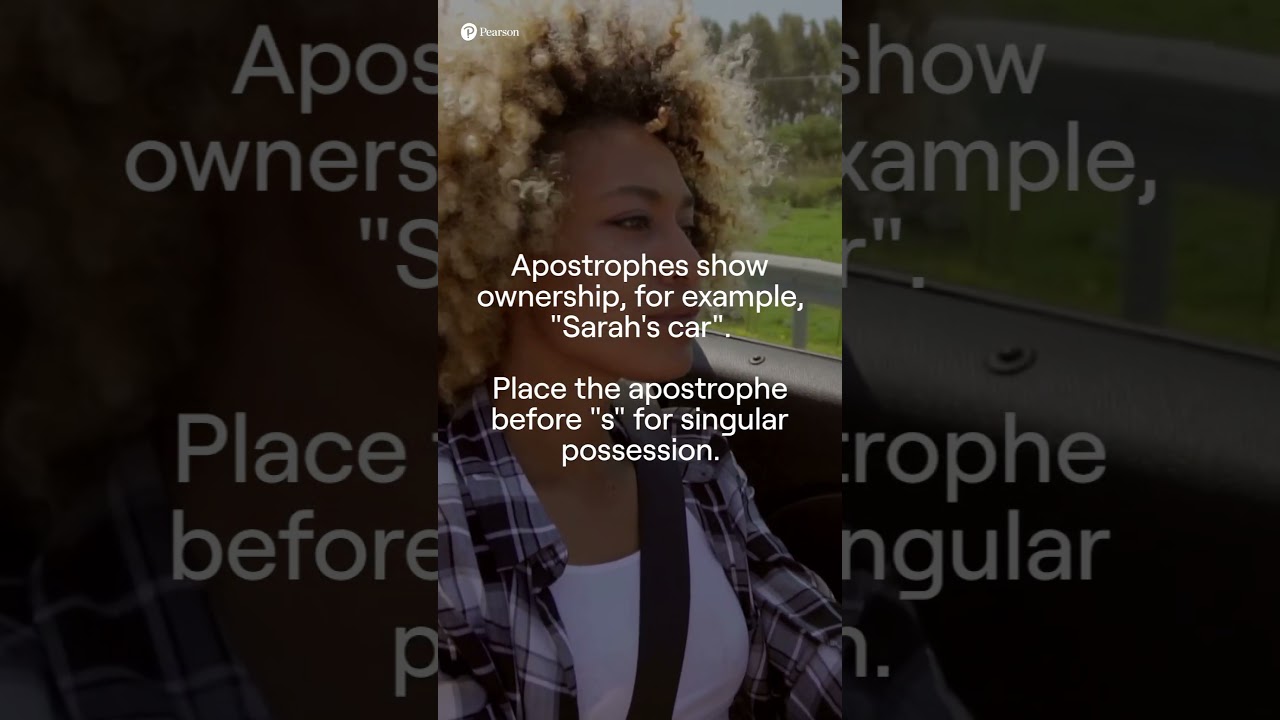
  • سيارة سارة
  • أدوات التقييم الخاصة ببيرسون
  • هدايا الأطفال
  • بركة الأوز

الأسماء الفردية التي تنتهي ب "s" تحصل على "فاصلة عليا" ولكن أسماء الجمع تحصل على فاصلة عليا فقط:

  • سيارة السيدة جونز
  • قطة جيمس
  • مكاتب هول فودز
  • أقرب متجر ستاربكس

هناك استثناء واحد مهم يجب ملاحظته: "its" و "it's". الصيغة الإيجابية "لها" لا تحتوي على فاصلة عليا: "إنها" تعني دائما "هو". 

  • أكلت القطة طعامها

الفواصل العليا بسهولة: الانقباضات

الكلمات المتعاقد عليها هي الأشكال المجمعة والمختصرة لكلمتين ، والتي تستخدم بشكل شائع في الكتابة والكلام اليومي لتبدو أكثر طبيعية ومحادثة. يتم تصنيعها عن طريق حذف أحرف معينة واستبدالها بفاصلة عليا: على سبيل المثال ، في "don't" ، تحل محل "o" المفقودة من لا. 

عندما يفوتك حرف واحد أو أكثر، استخدم فاصلة عليا:

  • "لن يفعل" يصبح "لن يفعل"
  • "لا يمكن" يصبح "لا يمكن"
  • "نحن" يصبح "نحن"
  • وكما كان من قبل ، تصبح "هو" "إنه"

متى لا تستخدم الفواصل العليا

من الأخطاء الشائعة استخدام الفواصل العليا عند جعل الكلمات بصيغة الجمع أو عند الإشارة إلى العقود والأرقام. على سبيل المثال:

  • كان لدى الثمانينيات أفضل الموسيقى (وليس "الثمانينيات")
  • يتقاعد الكثير من الناس من العمل في السبعينيات من العمر (وليس "السبعينيات")
  • اشتريت بعض التفاح من المتجر (وليس "تفاح")
استخدام الفواصل العليا: نصائح بسيطة لتحسين مهاراتك في الكتابة
Play
الخصوصية وملفات تعريف الارتباط (الكوكيز)

من خلال المشاهدة، فإنك توافق على أن تشارك بيرسون بيانات مشاهدتك لأغراض التسويق والتحليل لمدة عام، ويمكن إلغاء هذا الاتفاق عن طريق حذف ملفات تعريف الارتباط الخاصة بك.

اختبر معرفتك

الآن أنت تعرف القواعد الأساسية للفواصل العليا ، حان الوقت للتحقق من معرفتك.

ما هي الجملة الصحيحة؟:

  1. انتهى وقت استراحة الأطفال
  2. انتهى وقت استراحة الأطفال
  3. انتهى وقت استراحة الأطفال

إنها الجملة 3. نريد أن نظهر الموقف - وقت الاستراحة ينتمي إلى الأطفال - و "الأطفال" هو الجمع لذا فهو يحصل على "فاصلة عليا".
جرب الآن هذه الجمل ومعرفة ما إذا كان يمكنك معرفة أيها صحيح:

  1. عندما تمشي كلبي ، من المهم أن تتذكر أنه طوق.
  2. عندما تمشي كلبي ، من المهم أن تتذكر طوقه.
  3. عندما تمشي كلبي ، من المهم أن تتذكر أنه طوق.

الجواب الصحيح هو 2. "أنت" هو تقلص ل "أنت" ، "إنه مهم" لذلك نستخدم "إنه" ونظهر أن الطوق ينتمي إلى باستخدام "له". أخيرا: 

  1. ابنة لويس لن تنام. 
  2. ابنة لويس لن تذهب إلى النوم. 
  3. ابنة لويس لن تنام. 

هنا ، الإجابة الصحيحة هي 3. "Luis" هو اسم واحد ، لذلك يحصل على "فاصلة عليا" ، و "لن يفعل" يتم اختصاره إلى "لن يفعل". 

نأمل أن تشعر الآن بمزيد من الثقة في استخدام الفواصل العليا في كتاباتك. ابحث عن المنشور التالي في هذه السلسلة ، حيث سنستكشف المزيد من الأخطاء النحوية الشائعة وكيفية تجنبها.

المزيد من المدونات من بيرسون

  • Grammar 101: insider tips and tricks to instantly improve your writing (part 4)
    By Hannah Lawrence
    وقت القراءة: 7 minutes

    Punctuation makes your writing easier to read and understand, but it can be tricky to master. As an editor and proofreader, I often notice people confusing semi-colons and colons, so we'll explore the difference between them. And because both are often used in lists, we'll also look at the humble comma – and its sometimes-controversional cousin, the Oxford comma. 

    Semi-colons and colons both connect phrases in a sentence but are used in different situations. 

    Understanding colons

    Colons introduce important information and explanations. They're often used before lists as a replacement for phrases like "they are" and "which is":

    • He offered me a choice of drinks: tea, coffee or hot chocolate. 
    • I packed the essentials in my bag: water, pens and a magazine. 
    • She speaks three languages: English, French and Portuguese. 

    You can also think of a colon as a spotlight, with the phrase that comes after the colon explaining or expanding what came before it. 

    • In 1903, travel was changed forever by an important event: Orville and Wilbur Wright's first successful flight.
    • He loves visiting the animals at the farm: cows are his favourite. 
    • There is one rule I live by: I treat others as I wish to be treated.

    The secrets of semi-colons

    A semi-colon links two ideas that are closely related and that would be two complete sentences if you used a period instead. They give a softer transition than a period would, and they're often used instead of conjunctions like "and", "but" and "because":

    • I love eating pizza; my sister loves eating burgers.
    • I wanted to go for a swim; I couldn't find my goggles. 
    • I'm going to the park; the weather is beautiful.

    Semi-colons also seperate items in long lists to make life easier for the reader and stop a sentence becoming a sea of apostrophes. For example:

    • I've got my shopping list ready: peppers, carrots and oranges from the market; toothpaste, shampoo and pain relief from the drugstore; and a newspaper, snack and drink from the newsstand.  

    Standard comma or Oxford comma?

    An Oxford comma goes before "and" or "or" at the end of a list. The first example has an Oxford comma, the second doesn't. 

    • Please bring me a sandwich made with cheese, lettuce, and tomato. 
    • Please bring me a sandwich made with cheese, lettuce and tomato. 

    American English generally favors the Oxford comma, British English typically omits it, unless needed for clarity. Compare:

    • I love my parents, Taylor Swift and Keanu Reeves.
    • I love my parents, Taylor Swift, and Keanu Reeves. 

    As with many areas of punctuation, whether you choose to use the Oxford comma is a matter of personal preference. However, the most important thing is to be consistent in your usage. 

  • Precision teaching with AI: Aligning GSE objectives with generative AI for targeted materials
    By Fajarudin Akbar
    وقت القراءة: 4 minutes

    English teachers today face increasing demands: create engaging content, differentiate instruction and address diverse learner needs – all within a limited time. The rise of Generative AI, like ChatGPT, offers a promising solution. But without proper guidance, AI-generated content can lack educational value. This blog post introduces a practical, research-informed approach to using AI tools aligned with the Global Scale of English (GSE). You will learn how this framework helps educators design accurate, personalized and level-appropriate English teaching materials quickly and confidently.

    Why GSE and AI are a game-changing combination for ELT

    The Global Scale of English (GSE) is a CEFR-aligned framework developed by Pearson, offering detailed "can-do" learning objectives. It includes nearly 4,000 descriptors across speaking, listening, reading and writing skills, offering more precision than traditional level labels like A2 or B1. At the same time, Generative AI tools such as ChatGPT can generate entire lessons, tasks and assessments in seconds. The challenge lies in ensuring this content is aligned with clear pedagogical outcomes.

    Pairing AI’s creative speed with the GSE’s structured outcomes offers a scalable way to meet learner needs without compromising instructional quality.

    Unlocking measurable, differentiated and efficient teaching with GSE and AI

    The GSE makes objectives measurable

    Unlike generic teaching goals, GSE objectives are specific and measurable. For example, a B1-level learner objective might state:

    “Can identify a simple chronological sequence in a recorded narrative or dialogue.” (GSE 43)
     This clarity helps teachers define outcomes and ensure each AI-generated task targets an actual language skill, not just generic content.

    Generative AI enhances productivity

    Teachers using Generative AI can create draft lesson materials in minutes. By inputing a structured prompt such as:

    “Create a B1 reading activity that helps learners summarize the main points of a short article.”
    ChatGPT can instantly generate content that meets the learning goal. When guided by the GSE, AI becomes a collaborative assistant as well as a time-saver.

    The GSE + AI combination supports differentiation

    Because the GSE includes descriptors across a wide proficiency range (from pre-A1 to C2), teachers can tailor AI-generated content to meet the exact needs of their students. Mixed-level classrooms or tutoring contexts benefit especially from this, as teachers can create multiple versions of a task with consistent scaffolding.

    Practical tips

    • Use the GSE Teacher Toolkit to select objectives based on skill, level or function.
    • When prompting ChatGPT, include the GSE descriptor in your input for more precise results.
    • Always review and adapt the AI output to match your learners’ context, culture and curriculum.
    • Create a prompt library mapped to GSE codes to save time in future planning.

    A step-by-step example of the GSE and AI in action

    Here is a typical application of the workflow:

    1. A teacher selects a GSE objective, such as:
      “Can write a basic formal email/letter requesting information.” (GSE 46).
    2. Within seconds, a sample formal email, accompanied by a short reading comprehension task and a vocabulary activity, is generated.
    3. The reading task serves as a model to help learners analyze the structure, tone, and key language features of a well-written email before attempting their own.
    4. The teacher then reviews and refines the output for clarity, appropriateness, and context relevance.

    This process supports targeted teaching while significantly reducing preparation time.

    Overcoming challenges: Ensuring quality and relevance

    Challenge: AI outputs may lack cultural context, level appropriateness or instructional clarity.
    Solution: Always pair AI with professional judgment. Use the GSE to check that skills match the intended outcome, and adjust the complexity of the language as needed.

    Challenge: Teachers may be unfamiliar with how to write effective AI prompts.
    Solution: Start simple with templates like:

    “Create a [skill] activity at [level] that supports this GSE objective: [insert objective].”

    Challenge: Risk of over-relying on AI for instruction.
    Solution: Use AI as a starting point, not the final product. Combine AI-generated content with classroom interaction, feedback and your own creativity.

    Teaching tools that make this easier

    • GSE Teacher Toolkit: for exploring and selecting level-appropriate learning objectives
    • ChatGPT: for generating customizable teaching content
    • GSE Smart Lesson Generator: an AI-powered lesson creation tool developed by Pearson that uses the GSE framework to automatically generate high-quality activities and lesson plans
    • Google Docs or Word: for editing and organizing your materials before class

    Confidently transforming English teaching

    Combining Generative AI with the Global Scale of English allows teachers to design materials that are both fast and focused. The GSE provides the structure; AI provides the speed. Together, they offer a sustainable solution for personalized English instruction that respects both learner needs and instructional quality.

  • woman writing in notepad while looking at laptop computer and smiling
    Grammar 101: insider tips and tricks to instantly improve your writing (part 3)
    By Hannah Lawrence
    وقت القراءة: 7 minutes

    Many people can't tell the difference between the hyphen (-), the en-dash (–), and the em-dash (—). They may look similar but they can all help ensure that your writing looks professional and is easy to read. As an overview:

    • Hyphens improve clarity: there is a big difference between "a man-eating shark" and "a man eating shark".
    • En-dashes and em-dashes share a lot of the same functionality – including allowing for explanations and examples to be shared, and separating clauses – however, they are not interchangeable and their use is often down to personal preference. 

    Let's explore what these three different dashes do and how they could improve your writing.