تصميم تعلم اللغة لتلبية الاحتياجات المتنوعة مع GSE

Heba Morsey
جلس الأطفال بجانب معلمهم في الفصل الدراسي ، يبتسمون لبعضهم البعض
وقت القراءة: 5 دقائق

لماذا تعليم اللغة الشامل مهم أكثر من أي وقت مضى

ربما تكون قد سمعت كلمة "شاملة" أكثر فأكثر في السنوات الأخيرة ، على الرغم من أنني واجهتها لأول مرة منذ أكثر من 20 عاما. (أقول 20 لأن هذا هو الوقت الذي تخرجت فيه ، وكان لدينا دورة تدريبية عن المتعلمين المتنوعين تسمى "الاختلافات الفردية". ولكن في ذلك الوقت ، لم تكن تلبية احتياجاتهم في الواقع شاملة كما هي اليوم.)

Today، يأتي المتعلمون بمجموعة واسعة من مستويات الكفاءة والأساليب المعرفية والخلفية التعليمية والأهداف الشخصية. هذا هو السبب في أن ضمان فرص التعلم العادلة لم يعد اختياريا - إنه ضروري. بعبارات بسيطة ، يعني التدريس الشامل التأكد من أن جميع المتعلمين يشعرون بالانتماء ويمكنهم النجاح.

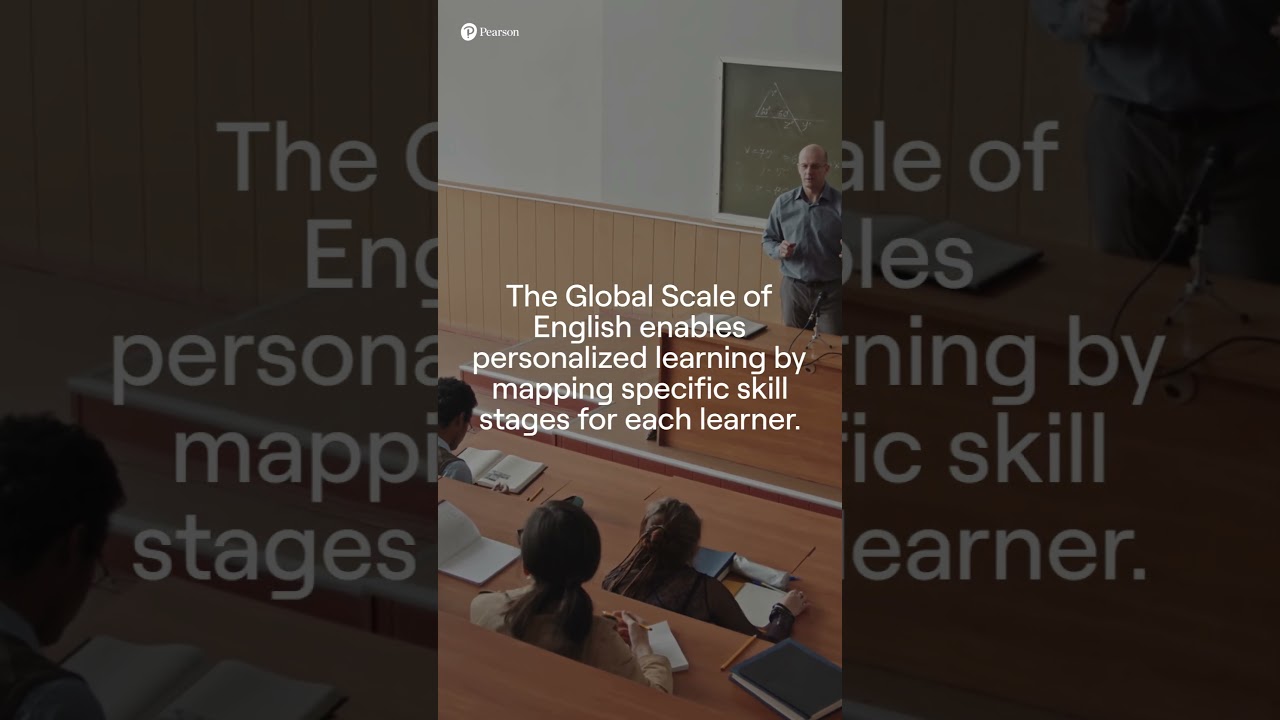
وهو يدعو إلى تعليم متباين وتقييم مرن ومواد تعليمية تحترم الاحتياجات الفردية. هذا هو المكان الذي يأتي فيه Global Scale of English (GSE) .

تعليم اللغة الشامل مع GSE
Play
الخصوصية وملفات تعريف الارتباط (الكوكيز)

من خلال المشاهدة، فإنك توافق على أن تشارك بيرسون بيانات مشاهدتك لأغراض التسويق والتحليل لمدة عام، ويمكن إلغاء هذا الاتفاق عن طريق حذف ملفات تعريف الارتباط الخاصة بك.

ما هي GSE ولماذا هي مفيدة للإدراج؟

يعملGlobal Scale of English   (GSE) كخريطة مفصلة لإتقان الإنجليزية ، ويكسر مهارات الاستماع والتحدث والقراءة والكتابة من 10 إلى 90. تظهر عبارات "يمكن أن تفعل" بوضوح ما يمكن للمتعلمين القيام به في كل مرحلة ، مما يزيل التخمين حول استعدادهم. بدلا من مجرد تصنيف الطالب على أنه "متوسط" ، يمكنك تحديد مهارات مثل "تلقي الرسائل" و "توصيل الاستفسارات" و "شرح المشكلات" (GSE 53 - المهارة: الكتابة).

هذه الواصفات هي "SMART":

  • خاص
  • القياس
  • قابله 
  • واقعي
  • محدد زمنيا

هذا يدعم نوع تحديد الأهداف الفردية التي يتطلبها التدريس الشامل (Kormos ، 2017).

كيف تدعم GSE ممارسات التدريس الشاملة

فهم ملفات تعريف المتعلم باستخدام GSE

تتمثل إحدى الخطوات الأولى في التدريس الشامل في معرفة نقطة انطلاق كل متعلم ، وهو أمر يمثل تحديا في فصل دراسي متنوع. يساعد GSE في تتبع التقدم في الاستماع والتحدث والقراءة والكتابة ، مما يوفر رؤى أوضح لمهارات الطلاب.

على سبيل المثال ، قد يكون لدى اثنين من المتعلمين في نفس الفصل "المتوسط" مهارات مختلفة: قد يتفوق أحدهما في المناقشة ولكنه يعاني من الكتابة ، بينما قد يكون الآخر عكس ذلك. يمكن ل GSE تحديد هذه الاختلافات ، مما يسمح بدعم مخصص بدلا من الحلول العامة.

تحديد أهداف مخصصة للتقدم

بمجرد أن تفهم نقطة انطلاق المتعلمين ، فإن الخطوة التالية هي معرفة أين وكيف ترشدهم. يبسط GSE ذلك من خلال مكتبته من عبارات "يمكن القيام به" الواضحة والجاهزة للاستخدام. على عكس الأهداف الغامضة مثل "تحسين القراءة" ، فهذه أهداف محددة مثل "يمكن فهم رسائل البريد الإلكتروني والرسائل الشخصية القصيرة والبسيطة" (GSE 37). يساعد هذا الوضوح المتعلمين على رؤية التقدم ويحافظ على تركيز التخطيط والتعليقات الخاصة بك.

مثال: بالنسبة للمتعلم الذي يعاني من عسر القراءة والذي يتفوق في التحدث والاستماع ولكنه يعاني من القراءة والكتابة ، يتيح لك GSE تسليط الضوء على نقاط القوة مثل "يمكن أن تعطي أو تسعى للحصول على وجهات نظر وآراء شخصية في مناقشة الموضوعات التي تهم". (GSE 46) ومجالات الدعم مثل "يمكن عمل فواصل فقرة بسيطة ومنطقية في نص أطول". (GSE 45).

تخطيط الدروس والأنشطة الشاملة

الآن بعد أن حددت أهدافا مخصصة ، يمكنك تكييف مهمة واحدة لتلبية الاحتياجات المختلفة في الفصل الدراسي مع الحفاظ على التوافق مع نفس نتيجة التعلم. لا حاجة لخطط دروس متعددة - ما عليك سوى تعديل المهمة باستخدام GSE كدليل لك.

لتحقيق ذلك، يمكنك:

  • توفير أوراق مهام متباينة
  • تقديم نصوص متنوعة
  • ضبط مدى تعقيد الإخراج
  • استخدام التجميع المرن

مثل: إذا كان الفصل يهدف إلى "يمكن كتابة بريد إلكتروني" (GSE 36-50) ، تستخدم مجموعة واحدة بداية الجملة ، وأخرى تكتب بحرية ، وثالثة تصقل النغمة والأسلوب. إنها نفس المهمة ، تتكيف مع مستوى كل متعلم.

وماذا عن ESP؟ إذا كنت تقوم بتدريس شيء مثل الإنجليزية للتمريض ، فلا يزال بإمكان GSE المساعدة ، على سبيل المثال ، عن طريق توقيت المحتوى الخاص بك حتى لا يشعر المتعلمون بالارتباك.

مثال - الإنجليزية للتمريض:

  • GSE 50: يمكن أن تجعل مجموعة من التعليمات أسهل في الفهم من خلال نطقها ببطء ، وبضع كلمات أو إشارات في كل مرة ، باستخدام التركيز اللفظي وغير اللفظي لتسهيل الفهم.
  • GSE 62: يمكن أن تصف كيفية القيام بشيء ما ، مع إعطاء تعليمات مفصلة.

بدلا من القفز إلى مفردات المستشفى المعقدة في وقت مبكر جدا ، يمكنك السقالة نحوها باستخدام واصفات الإنجليزية العامة.

تصميم التقييمات الشاملة

يمكن اختبار إنشاء فصل دراسي شامل أو كسره. تم القيام به بشكل جيد ، فإنه يفتح الأبواب. يتم القيام به بشكل سيئ ، يمكن أن يغلقهم. تساعدك GSE على تصميم التقييمات التي:

  • تعكس نمو المهارات الحقيقي
  • السماح بطرق مختلفة لإظهار التعلم
  • الحفاظ على معايير عالية بمرونة

لجعل هذا العمل عمليا ، يمكنك:

  • استخدام المهام المستندة إلى الأداء (مثل العروض التقديمية أو لعب الأدوار)
  • إنشاء محافظ تظهر التقدم بمرور الوقت
  • إضافة تقييم ذاتي وتقييم الأقران باستخدام واصفات GSE
  • تقديم تنسيقات مرنة (مثل الشفهية والمكتوبة والمرئية والمستندة إلى التكنولوجيا)

مثل: لتحقيق الهدف "يمكن فهم رسائل البريد الإلكتروني والرسائل الشخصية القصيرة والبسيطة" ، اسمح للمتعلمين بالاختيار بين الكتابة إلى صديق أو الرد على دعوة أو طلب معلومات من شركة. الهدف هو نفسه ، لكن مسارات الوصول إلى هناك مختلفة.

وللمتعلمين الذين يتنوعون عصبيا؟ يمكنك:

  • تقسيم المهام إلى خطوات أصغر (التقسيم الصغير)
  • استخدم قوائم مرجعية مرئية مرتبطة بأهداف "يمكن القيام بها"
  • تبسيط التعليمات دون تخفيف الهدف
  • إضافة خيارات صوتية أو مرئية لدعم المعالجة

هذه ليست أماكن إقامة إضافية ، إنها أمثلة على التدريس الجيد.

للتلخيص ، يساعدنا GSE في تحديد الأهداف مع الطلاب ، وتتبع التقدم عبر المحافظ ، وتقديم خيارات المهام ، والسقالات الدروس ، وتقديم محتوى ESP عندما تكون جاهزا ، وتصميم العمل الجماعي بناء على نقاط القوة GSE .

نبذة عن المؤلف

يتمتع هبة الله مرسي بخبرة تزيد عن 18 عاما في التدريس وتصميم المناهج والقيادة التربوية. عملت مع منظمات وطنية ودولية مرموقة ، حيث قادت كل شيء من تطوير المناهج الدراسية إلى إطلاق مبادرات إبداعية مثل النوادي اللامنهجية للمتعلمين المتحمسين. بدورية في مؤتمرات ELT ، تستمتع بمشاركة الأفكار حول التطوير التعليمي والتقييم ونمو المعلمين - دائما من منظور جديد ونهج مدروس.

المزيد من المدونات من بيرسون

  • Students looking at notebooks smiling
    Get same-day results with Pearson English Express Test
    By Abi Fordham
    وقت القراءة: 2 minutes

    If you’ve ever taken an English test and found yourself constantly checking your inbox, wondering when your score will arrive, you’re not alone. I worked across Pearson’s social media channels for years, and I heard from students every day who were anxious to know how they did, despite it only being an hour into the standard 48-hour turnaround time.

    That’s why I’m so excited about the Pearson English Express Test - because it gives you something most tests don’t: a score in minutes.

    The score that helps you plan

    Let’s talk about the unofficial score. You’ll see it just minutes after finishing the test. While it’s not certified for university applications just yet, it’s a powerful tool for planning your next move.

    If your score is where you hoped it would be, you can start preparing your application materials with confidence. If it’s not quite there, you’ve got a head start on knowing what to improve, and you haven’t lost time waiting to find out. It’s like getting a sneak peek at your future, and it’s one of the most empowering parts of the Pearson English Express Test experience.

    Fast and reliable certified results

    Of course, you’ll still need your certified score to apply to universities. That’s delivered within 48 hours, after a security review.

    • AI scoring ensures fairness and consistency.
    • Remote proctoring and ID checks keep the process secure.
    • Certified results align with CEFR standards and are trusted by institutions.

    You get speed and reliability – without compromise.

    Why fast English test results matter for students

    When you’re applying to study in the USA, every day counts and you’ll have so many things to tick off your list. You might be juggling deadlines, coordinating with universities, or planning your next big move. The Pearson English Express Test was built to support you, not slow you down.

    It’s fast, fair and designed for students who want to move forward with confidence.

    Ready to take the Pearson English Express Test?

    If you’re looking for a test that gives you answers quickly and helps you plan your next step, this is it.

    Take your test today and experience the difference for yourself.

  • Grammar 101: insider tips and tricks to instantly improve your writing (part 4)
    By Hannah Lawrence
    وقت القراءة: 7 minutes

    Punctuation makes your writing easier to read and understand, but it can be tricky to master. As an editor and proofreader, I often notice people confusing semi-colons and colons, so we'll explore the difference between them. And because both are often used in lists, we'll also look at the humble comma – and its sometimes-controversional cousin, the Oxford comma. 

    Semi-colons and colons both connect phrases in a sentence but are used in different situations. 

    Understanding colons

    Colons introduce important information and explanations. They're often used before lists as a replacement for phrases like "they are" and "which is":

    • He offered me a choice of drinks: tea, coffee or hot chocolate. 
    • I packed the essentials in my bag: water, pens and a magazine. 
    • She speaks three languages: English, French and Portuguese. 

    You can also think of a colon as a spotlight, with the phrase that comes after the colon explaining or expanding what came before it. 

    • In 1903, travel was changed forever by an important event: Orville and Wilbur Wright's first successful flight.
    • He loves visiting the animals at the farm: cows are his favourite. 
    • There is one rule I live by: I treat others as I wish to be treated.

    The secrets of semi-colons

    A semi-colon links two ideas that are closely related and that would be two complete sentences if you used a period instead. They give a softer transition than a period would, and they're often used instead of conjunctions like "and", "but" and "because":

    • I love eating pizza; my sister loves eating burgers.
    • I wanted to go for a swim; I couldn't find my goggles. 
    • I'm going to the park; the weather is beautiful.

    Semi-colons also seperate items in long lists to make life easier for the reader and stop a sentence becoming a sea of apostrophes. For example:

    • I've got my shopping list ready: peppers, carrots and oranges from the market; toothpaste, shampoo and pain relief from the drugstore; and a newspaper, snack and drink from the newsstand.  

    Standard comma or Oxford comma?

    An Oxford comma goes before "and" or "or" at the end of a list. The first example has an Oxford comma, the second doesn't. 

    • Please bring me a sandwich made with cheese, lettuce, and tomato. 
    • Please bring me a sandwich made with cheese, lettuce and tomato. 

    American English generally favors the Oxford comma, British English typically omits it, unless needed for clarity. Compare:

    • I love my parents, Taylor Swift and Keanu Reeves.
    • I love my parents, Taylor Swift, and Keanu Reeves. 

    As with many areas of punctuation, whether you choose to use the Oxford comma is a matter of personal preference. However, the most important thing is to be consistent in your usage. 

  • Precision teaching with AI: Aligning GSE objectives with generative AI for targeted materials
    By Fajarudin Akbar
    وقت القراءة: 4 minutes

    English teachers today face increasing demands: create engaging content, differentiate instruction and address diverse learner needs – all within a limited time. The rise of Generative AI, like ChatGPT, offers a promising solution. But without proper guidance, AI-generated content can lack educational value. This blog post introduces a practical, research-informed approach to using AI tools aligned with the Global Scale of English (GSE). You will learn how this framework helps educators design accurate, personalized and level-appropriate English teaching materials quickly and confidently.

    Why GSE and AI are a game-changing combination for ELT

    The Global Scale of English (GSE) is a CEFR-aligned framework developed by Pearson, offering detailed "can-do" learning objectives. It includes nearly 4,000 descriptors across speaking, listening, reading and writing skills, offering more precision than traditional level labels like A2 or B1. At the same time, Generative AI tools such as ChatGPT can generate entire lessons, tasks and assessments in seconds. The challenge lies in ensuring this content is aligned with clear pedagogical outcomes.

    Pairing AI’s creative speed with the GSE’s structured outcomes offers a scalable way to meet learner needs without compromising instructional quality.

    Unlocking measurable, differentiated and efficient teaching with GSE and AI

    The GSE makes objectives measurable

    Unlike generic teaching goals, GSE objectives are specific and measurable. For example, a B1-level learner objective might state:

    “Can identify a simple chronological sequence in a recorded narrative or dialogue.” (GSE 43)
     This clarity helps teachers define outcomes and ensure each AI-generated task targets an actual language skill, not just generic content.

    Generative AI enhances productivity

    Teachers using Generative AI can create draft lesson materials in minutes. By inputing a structured prompt such as:

    “Create a B1 reading activity that helps learners summarize the main points of a short article.”
    ChatGPT can instantly generate content that meets the learning goal. When guided by the GSE, AI becomes a collaborative assistant as well as a time-saver.

    The GSE + AI combination supports differentiation

    Because the GSE includes descriptors across a wide proficiency range (from pre-A1 to C2), teachers can tailor AI-generated content to meet the exact needs of their students. Mixed-level classrooms or tutoring contexts benefit especially from this, as teachers can create multiple versions of a task with consistent scaffolding.

    Practical tips

    • Use the GSE Teacher Toolkit to select objectives based on skill, level or function.
    • When prompting ChatGPT, include the GSE descriptor in your input for more precise results.
    • Always review and adapt the AI output to match your learners’ context, culture and curriculum.
    • Create a prompt library mapped to GSE codes to save time in future planning.

    A step-by-step example of the GSE and AI in action

    Here is a typical application of the workflow:

    1. A teacher selects a GSE objective, such as:
      “Can write a basic formal email/letter requesting information.” (GSE 46).
    2. Within seconds, a sample formal email, accompanied by a short reading comprehension task and a vocabulary activity, is generated.
    3. The reading task serves as a model to help learners analyze the structure, tone, and key language features of a well-written email before attempting their own.
    4. The teacher then reviews and refines the output for clarity, appropriateness, and context relevance.

    This process supports targeted teaching while significantly reducing preparation time.

    Overcoming challenges: Ensuring quality and relevance

    Challenge: AI outputs may lack cultural context, level appropriateness or instructional clarity.
    Solution: Always pair AI with professional judgment. Use the GSE to check that skills match the intended outcome, and adjust the complexity of the language as needed.

    Challenge: Teachers may be unfamiliar with how to write effective AI prompts.
    Solution: Start simple with templates like:

    “Create a [skill] activity at [level] that supports this GSE objective: [insert objective].”

    Challenge: Risk of over-relying on AI for instruction.
    Solution: Use AI as a starting point, not the final product. Combine AI-generated content with classroom interaction, feedback and your own creativity.

    Teaching tools that make this easier

    • GSE Teacher Toolkit: for exploring and selecting level-appropriate learning objectives
    • ChatGPT: for generating customizable teaching content
    • GSE Smart Lesson Generator: an AI-powered lesson creation tool developed by Pearson that uses the GSE framework to automatically generate high-quality activities and lesson plans
    • Google Docs or Word: for editing and organizing your materials before class

    Confidently transforming English teaching

    Combining Generative AI with the Global Scale of English allows teachers to design materials that are both fast and focused. The GSE provides the structure; AI provides the speed. Together, they offer a sustainable solution for personalized English instruction that respects both learner needs and instructional quality.