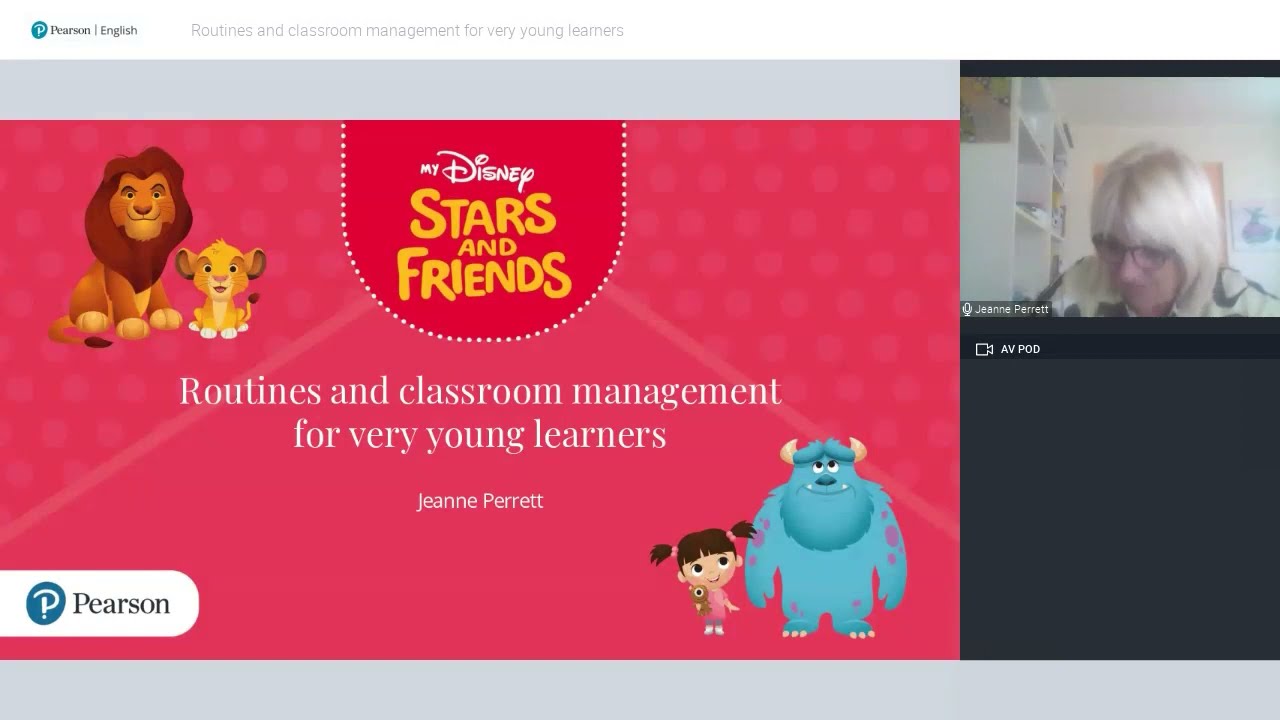
إجراءات الإدارة الصفية الفعالة للمتعلمين الصغار جدا

Jeanne Perrett
Jeanne Perrett
معلم مع طلاب صغار يجلسون على طاولة ينظرون إلى البطاقات التعليمية
وقت القراءة: 4 دقائق

بالنسبة للمتعلمين الصغار جدا ، الأطفال الذين تتراوح أعمارهم بين 3-6 سنوات ، قد يكون التواجد في الفصل الدراسي تجربة جديدة تماما. معظمهم لن يعرفوا أي كلمات الإنجليزية على الإطلاق وقد يكون لديهم فكرة قليلة جدا عن ماهية الإنجليزية أو لماذا يتعلمونها. قد لا يجيد بعضهم لغتهم الأم بطلاقة. 

في بداية العام الدراسي ، قد يجد بعضهم أنه من المحزن الانفصال عن والديهم وعليهم أيضا أن يتعلموا التعايش مع زملائهم الجدد. 

إذا أردنا أن نبقيهم مرتاحين وآمنين وتوفير بيئة ودية ومرحبة ، فنحن بحاجة إلى إنشاء روتين. 

7 طرق يمكنك من خلالها بناء إجراءات روتينية في فصولك الدراسية

فيما يلي بعض المجالات التي يمكنك فيها بسهولة دمج إجراءات إدارة الفصل الدراسي في فصل اللغة الإنجليزية .

1. فكر في لغتك المستهدفة

قد تكون لغتنا المستهدفة لكل درس عبارة أو جملتين قصيرتين أو بضع كلمات جديدة. يجب أن نحافظ دائما على عرض وممارسة هذا الأمر بسيطا وواضحا. 

ومع ذلك ، يمكننا استخدام الإنجليزية لجميع تحياتنا والثناء والتعليمات والتفسيرات. بعد بضعة أيام ، سيبدأ الأطفال في توقع ذلك وسيفهمون تدريجيا ما تقوله. 

2. القدوم إلى الفصل

خذ بعض الوقت لتحية كل طفل بالاسم عند دخوله الفصل الدراسي وشجعهم على التعلم واستخدام أسماء بعضهم البعض أيضا. سيؤدي ذلك إلى تغيير الطريقة التي ينظرون بها إلى أنفسهم وبعضهم البعض ويشجع التواصل الودي. 

لاحظ الأشياء الصغيرة عن كل طفل. قد يكون لديهم قميص جديد أو قاموا بتصفيف شعرهم بشكل خاص. قد لا يخبرونك أنهم بذلوا جهدا لتبدو لطيفة لدرسهم ، لكنهم سيكونون سعداء عندما تلاحظ ذلك وسيشعرون بالتشجيع على الاستمرار. 

3. وقت الدائرة

اجعل وقت الدائرة بداية كل درس. يجعل الأطفال يجلسون معا وهذا يساعدهم على التعرف على بعضهم البعض والشعور بأنهم جزء من مجموعة مريحة. 

إنه الوقت الذي تقدم فيه اللغة المستهدفة لهذا اليوم. استخدم دمية لمساعدتك على القيام بذلك. اجعل الدمية جزءا من الروتين عن طريق الاحتفاظ بها في مكان معين وإخراجها من هناك كل يوم. يمكن للأطفال استدعاء اسمها. 

يمكن للدمية تحية الأطفال بالاسم ويمكن للأطفال الرد عليها. أولا ، استخدم بطاقات الصور أو الكائنات لتقديم اللغة إلى الدمية. بعد ذلك ، يمكن للدمية أن تظهر أنها تفهم أو تطلب التكرار. 

دع الأطفال ينادون بالردود كمجموعة. بينما يبنون ثقتهم في الإنجليزية سيرغبون في التحدث بأنفسهم. 

اقبل دائما تقريب الكلمات والعبارات. بدلا من تصحيح الأطفال ، استمر في نمذجة الكلمات وسيقوم الطلاب تدريجيا بالتصحيح الذاتي. مرر هذه النصيحة إلى الآباء أيضا. 

4. وقت الكتاب

امنح الطلاب الوقت لاكتشاف الصفحات والصور التي يحبونها في الكتب التي يستخدمونها. اترك دائما وقتا لمساعدة كل طفل في العثور على الصفحة الصحيحة ثم ساعده على تركيز انتباهه على تلك الصفحة. 

في وقت الدائرة ، قمت بإدخال اللغة وتقديمها مع البطاقات التعليمية أو الأشياء. في وقت الكتاب ، يمكن للأطفال إلقاء نظرة على هذه الصور - سيكون المحتوى مألوفا وسيبدأون في الشعور بملكية ما يتعلمونه. 

5. الأغاني والألعاب والمحاكاة

الغناء وممارسة الألعاب والمحاكاة هي الطرق الرئيسية التي سيبدأ بها الطلاب في الاستخدام بحرية وإظهار فهمهم للغة الهدف. 

في My Disney Stars and Friends يتم تفصيل كل مرحلة من كل لعبة ، جنبا إلى جنب مع اللغة التي يمكنك أنت والطلاب استخدامها. قد يشارك الطلاب في حركة اللعبة لدرجة أنهم ينسون التحدث في الإنجليزية! لا بأس - استمر في استخدام اللغة وفي النهاية سيبدأون في استخدامها أيضا. 

عندما تتضمن لعبة أو أغنية نشاطا بدنيا ، تناول مشروبات الماء جاهزة واتركها ترتاح وتسترخي بعد ذلك. احرص دائما على إعداد نشاط "الجلوس" لهم للانتقال إليه حتى لا يصبحوا مفرطين في الإثارة أو التعب.

6. الحرف والملصقات

لأي عمل حرفي هناك أربع مراحل: الإعداد والإنتاج واللعب مع العمل الحرفي المكتمل والترتيب.

إذا كنت تستخدم My Disney Stars and Friends، فهناك أغنية Tidy Up خاصة وجميع المشاريع الحرفية عبارة عن مكابس ، لذا ليست هناك حاجة للمقص. 


سيحتاج الأطفال الذين تتراوح أعمارهم بين 3 أو 4 سنوات إلى تعلم كيفية إزالة الملصق ثم إعادة لصقه. امنح وقتا لذلك وشجعهم على التعلم من بعضهم البعض بمجرد أن يتقن بعضهم هذه المهارة الحركية الدقيقة. 

7. مغادرة الفصل

حدد وقت دروسك حتى لا يضطر الطلاب إلى المغادرة في عجلة من أمرهم. يستغرق الأمر بعض الوقت لجمع أغراضهم والعثور على حقائبهم ومعاطفهم. 

إذا كنت تريد أن يعرف الوالدان شيئا ما ، فتأكد من أن الأطفال يعرفون أين وضعوا الملاحظة. يعد دفتر ملاحظات واحد لمثل هذه الرسائل طريقة بسيطة للقيام بذلك ، ويمكنك إخبار الآباء بالتحقق من ذلك بعد كل درس. 

تماما كما استقبلت كل طفل بالاسم عند دخوله ، قل وداعا لهم بشكل فردي أثناء مغادرتهم. 

إن دمج إجراءات إدارة الفصول الدراسية الفعالة يجعل المتعلمين الصغار يشعرون براحة أكبر لأنهم يعرفون ما يمكن توقعه من دروس اللغة الخاصة بهم. الألفة مرحب بها للأطفال ، لذا استغل هذه الأوقات لمزيد من فرص تعلم اللغة. 

اعثر على المزيد من الأفكار حول إجراءات إدارة الفصل الدراسي الفعالة في ندوة Jeanne Perrettعبر الإنترنت ، حيث تركز على الأفكار العملية ونصائح التدريس حول كيفية تنظيم وإدارة فصل من المتعلمين الصغار.


الروتين وإدارة الفصول الدراسية للمتعلمين الصغار جدا I Pearson الإنجليزية Disney Day
Play
الخصوصية وملفات تعريف الارتباط (الكوكيز)

من خلال المشاهدة، فإنك توافق على أن تشارك بيرسون بيانات مشاهدتك لأغراض التسويق والتحليل لمدة عام، ويمكن إلغاء هذا الاتفاق عن طريق حذف ملفات تعريف الارتباط الخاصة بك.

هل تريد معرفة المزيد عن تعليم المتعلمين الصغار؟ اقرأ منشورنا "المتعلمون الصغار من الإنجليزية يستحقون المزيد".

المزيد من المدونات من بيرسون

  • Students looking at notebooks smiling
    Get same-day results with Pearson English Express Test
    By Abi Fordham
    وقت القراءة: 2 minutes

    If you’ve ever taken an English test and found yourself constantly checking your inbox, wondering when your score will arrive, you’re not alone. I worked across Pearson’s social media channels for years, and I heard from students every day who were anxious to know how they did, despite it only being an hour into the standard 48-hour turnaround time.

    That’s why I’m so excited about the Pearson English Express Test - because it gives you something most tests don’t: a score in minutes.

    The score that helps you plan

    Let’s talk about the unofficial score. You’ll see it just minutes after finishing the test. While it’s not certified for university applications just yet, it’s a powerful tool for planning your next move.

    If your score is where you hoped it would be, you can start preparing your application materials with confidence. If it’s not quite there, you’ve got a head start on knowing what to improve, and you haven’t lost time waiting to find out. It’s like getting a sneak peek at your future, and it’s one of the most empowering parts of the Pearson English Express Test experience.

    Fast and reliable certified results

    Of course, you’ll still need your certified score to apply to universities. That’s delivered within 48 hours, after a security review.

    • AI scoring ensures fairness and consistency.
    • Remote proctoring and ID checks keep the process secure.
    • Certified results align with CEFR standards and are trusted by institutions.

    You get speed and reliability – without compromise.

    Why fast English test results matter for students

    When you’re applying to study in the USA, every day counts and you’ll have so many things to tick off your list. You might be juggling deadlines, coordinating with universities, or planning your next big move. The Pearson English Express Test was built to support you, not slow you down.

    It’s fast, fair and designed for students who want to move forward with confidence.

    Ready to take the Pearson English Express Test?

    If you’re looking for a test that gives you answers quickly and helps you plan your next step, this is it.

    Take your test today and experience the difference for yourself.

  • Grammar 101: insider tips and tricks to instantly improve your writing (part 4)
    By Hannah Lawrence
    وقت القراءة: 7 minutes

    Punctuation makes your writing easier to read and understand, but it can be tricky to master. As an editor and proofreader, I often notice people confusing semi-colons and colons, so we'll explore the difference between them. And because both are often used in lists, we'll also look at the humble comma – and its sometimes-controversional cousin, the Oxford comma. 

    Semi-colons and colons both connect phrases in a sentence but are used in different situations. 

    Understanding colons

    Colons introduce important information and explanations. They're often used before lists as a replacement for phrases like "they are" and "which is":

    • He offered me a choice of drinks: tea, coffee or hot chocolate. 
    • I packed the essentials in my bag: water, pens and a magazine. 
    • She speaks three languages: English, French and Portuguese. 

    You can also think of a colon as a spotlight, with the phrase that comes after the colon explaining or expanding what came before it. 

    • In 1903, travel was changed forever by an important event: Orville and Wilbur Wright's first successful flight.
    • He loves visiting the animals at the farm: cows are his favourite. 
    • There is one rule I live by: I treat others as I wish to be treated.

    The secrets of semi-colons

    A semi-colon links two ideas that are closely related and that would be two complete sentences if you used a period instead. They give a softer transition than a period would, and they're often used instead of conjunctions like "and", "but" and "because":

    • I love eating pizza; my sister loves eating burgers.
    • I wanted to go for a swim; I couldn't find my goggles. 
    • I'm going to the park; the weather is beautiful.

    Semi-colons also seperate items in long lists to make life easier for the reader and stop a sentence becoming a sea of apostrophes. For example:

    • I've got my shopping list ready: peppers, carrots and oranges from the market; toothpaste, shampoo and pain relief from the drugstore; and a newspaper, snack and drink from the newsstand.  

    Standard comma or Oxford comma?

    An Oxford comma goes before "and" or "or" at the end of a list. The first example has an Oxford comma, the second doesn't. 

    • Please bring me a sandwich made with cheese, lettuce, and tomato. 
    • Please bring me a sandwich made with cheese, lettuce and tomato. 

    American English generally favors the Oxford comma, British English typically omits it, unless needed for clarity. Compare:

    • I love my parents, Taylor Swift and Keanu Reeves.
    • I love my parents, Taylor Swift, and Keanu Reeves. 

    As with many areas of punctuation, whether you choose to use the Oxford comma is a matter of personal preference. However, the most important thing is to be consistent in your usage. 

  • Precision teaching with AI: Aligning GSE objectives with generative AI for targeted materials
    By Fajarudin Akbar
    وقت القراءة: 4 minutes

    English teachers today face increasing demands: create engaging content, differentiate instruction and address diverse learner needs – all within a limited time. The rise of Generative AI, like ChatGPT, offers a promising solution. But without proper guidance, AI-generated content can lack educational value. This blog post introduces a practical, research-informed approach to using AI tools aligned with the Global Scale of English (GSE). You will learn how this framework helps educators design accurate, personalized and level-appropriate English teaching materials quickly and confidently.

    Why GSE and AI are a game-changing combination for ELT

    The Global Scale of English (GSE) is a CEFR-aligned framework developed by Pearson, offering detailed "can-do" learning objectives. It includes nearly 4,000 descriptors across speaking, listening, reading and writing skills, offering more precision than traditional level labels like A2 or B1. At the same time, Generative AI tools such as ChatGPT can generate entire lessons, tasks and assessments in seconds. The challenge lies in ensuring this content is aligned with clear pedagogical outcomes.

    Pairing AI’s creative speed with the GSE’s structured outcomes offers a scalable way to meet learner needs without compromising instructional quality.

    Unlocking measurable, differentiated and efficient teaching with GSE and AI

    The GSE makes objectives measurable

    Unlike generic teaching goals, GSE objectives are specific and measurable. For example, a B1-level learner objective might state:

    “Can identify a simple chronological sequence in a recorded narrative or dialogue.” (GSE 43)
     This clarity helps teachers define outcomes and ensure each AI-generated task targets an actual language skill, not just generic content.

    Generative AI enhances productivity

    Teachers using Generative AI can create draft lesson materials in minutes. By inputing a structured prompt such as:

    “Create a B1 reading activity that helps learners summarize the main points of a short article.”
    ChatGPT can instantly generate content that meets the learning goal. When guided by the GSE, AI becomes a collaborative assistant as well as a time-saver.

    The GSE + AI combination supports differentiation

    Because the GSE includes descriptors across a wide proficiency range (from pre-A1 to C2), teachers can tailor AI-generated content to meet the exact needs of their students. Mixed-level classrooms or tutoring contexts benefit especially from this, as teachers can create multiple versions of a task with consistent scaffolding.

    Practical tips

    • Use the GSE Teacher Toolkit to select objectives based on skill, level or function.
    • When prompting ChatGPT, include the GSE descriptor in your input for more precise results.
    • Always review and adapt the AI output to match your learners’ context, culture and curriculum.
    • Create a prompt library mapped to GSE codes to save time in future planning.

    A step-by-step example of the GSE and AI in action

    Here is a typical application of the workflow:

    1. A teacher selects a GSE objective, such as:
      “Can write a basic formal email/letter requesting information.” (GSE 46).
    2. Within seconds, a sample formal email, accompanied by a short reading comprehension task and a vocabulary activity, is generated.
    3. The reading task serves as a model to help learners analyze the structure, tone, and key language features of a well-written email before attempting their own.
    4. The teacher then reviews and refines the output for clarity, appropriateness, and context relevance.

    This process supports targeted teaching while significantly reducing preparation time.

    Overcoming challenges: Ensuring quality and relevance

    Challenge: AI outputs may lack cultural context, level appropriateness or instructional clarity.
    Solution: Always pair AI with professional judgment. Use the GSE to check that skills match the intended outcome, and adjust the complexity of the language as needed.

    Challenge: Teachers may be unfamiliar with how to write effective AI prompts.
    Solution: Start simple with templates like:

    “Create a [skill] activity at [level] that supports this GSE objective: [insert objective].”

    Challenge: Risk of over-relying on AI for instruction.
    Solution: Use AI as a starting point, not the final product. Combine AI-generated content with classroom interaction, feedback and your own creativity.

    Teaching tools that make this easier

    • GSE Teacher Toolkit: for exploring and selecting level-appropriate learning objectives
    • ChatGPT: for generating customizable teaching content
    • GSE Smart Lesson Generator: an AI-powered lesson creation tool developed by Pearson that uses the GSE framework to automatically generate high-quality activities and lesson plans
    • Google Docs or Word: for editing and organizing your materials before class

    Confidently transforming English teaching

    Combining Generative AI with the Global Scale of English allows teachers to design materials that are both fast and focused. The GSE provides the structure; AI provides the speed. Together, they offer a sustainable solution for personalized English instruction that respects both learner needs and instructional quality.