10 tips for student wellbeing at back to school time

Donatella Fitzgerald MBE
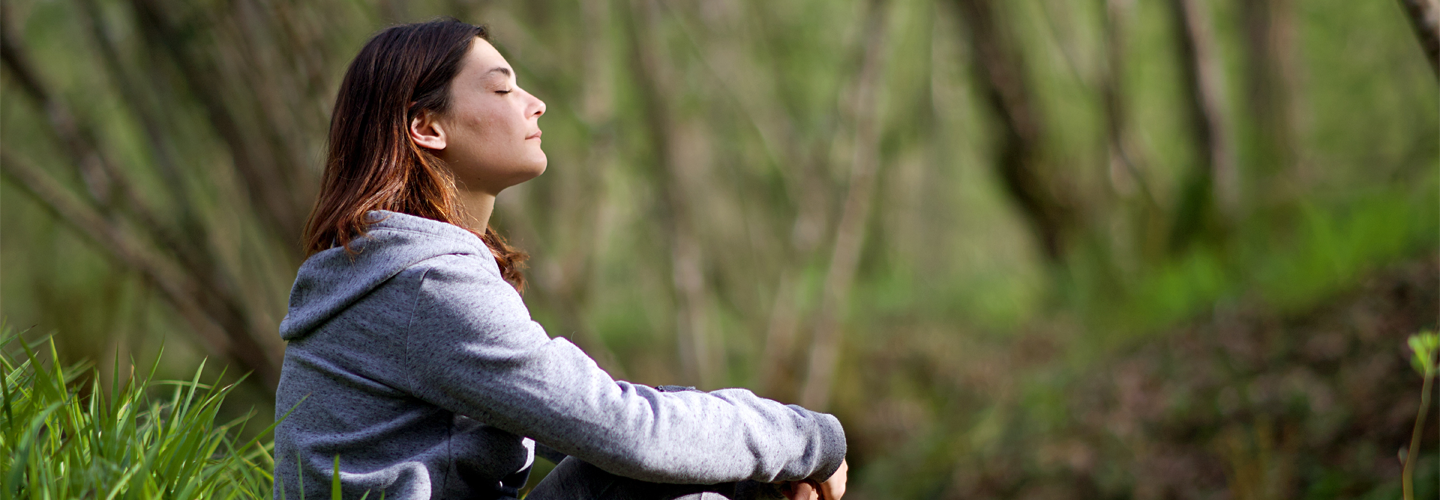
A woman sat outside in a forest relaxing with her eyes closed
Reading time: 5 minutes

Donatella Fitzgerald is a teacher, teacher trainer, and trained to teach the MISP Mindfulness in Schools Project (from pre-school to teens) and has completed Module 1 on the Teacher Training Pathway with the Mindfulness Network in collaboration with Bangor University. Her specialist interest areas are Extensive Reading Projects, CLIL, Citizenship, Mindfulness, Plurilingualism and Artificial Intelligence in Education.  In her current role as ELL Consultant at Pearson in Italy she works with teachers and students every day to find solutions to help them achieve their teaching and learning goals. In 2024, she was awarded an MBE (Member of the British Empire) in the King’s Birthday Honours List for Services to English Education and Youth Engagement.

The first weeks back at school after a break can be both exciting and overwhelming. It’s a time of new beginnings, fresh challenges, and opportunities for growth. Prioritizing wellbeing during this period is crucial for a smooth transition and long-term success. Students may be feeling anxious and unsettled due to starting a new school year, or even a new school. In today's fast-paced academic environment, maintaining mental, emotional, and physical health is more crucial than ever. Here are some tips to help your students stay balanced and thrive throughout the school year.

tips for student wellbeing at back to school time
Play
Privacy and cookies
By watching, you agree Pearson can share your viewership data for marketing and analytics for one year, revocable upon changing cookie preferences. Disabling cookies may affect video functionality. More info...

1. Establish a routine

Creating a consistent daily schedule can help you manage your time effectively. As well as study, include time for extracurricular activities, hobbies and relaxation. Keep your study area tidy as this can help you focus more. Having a consistent daily routine can reduce anxiety by providing structure and predictability.

2. Get enough sleep

Aim for 8-10 hours of sleep each night. A good night’s rest is crucial for concentration, memory, and overall health. Lack of sleep can affect your concentration, focus, mood, emotional well-being and immune system.

How can you do this?

  • Create a sleep schedule – Try to maintain a consistent bedtime and wake-up time daily. This helps keep your body’s internal clock in sync.
  • Limit screen time before bed – The blue light from screens can interfere with your sleep. Turn off your devices at least an hour before bed.

3. Stay organized

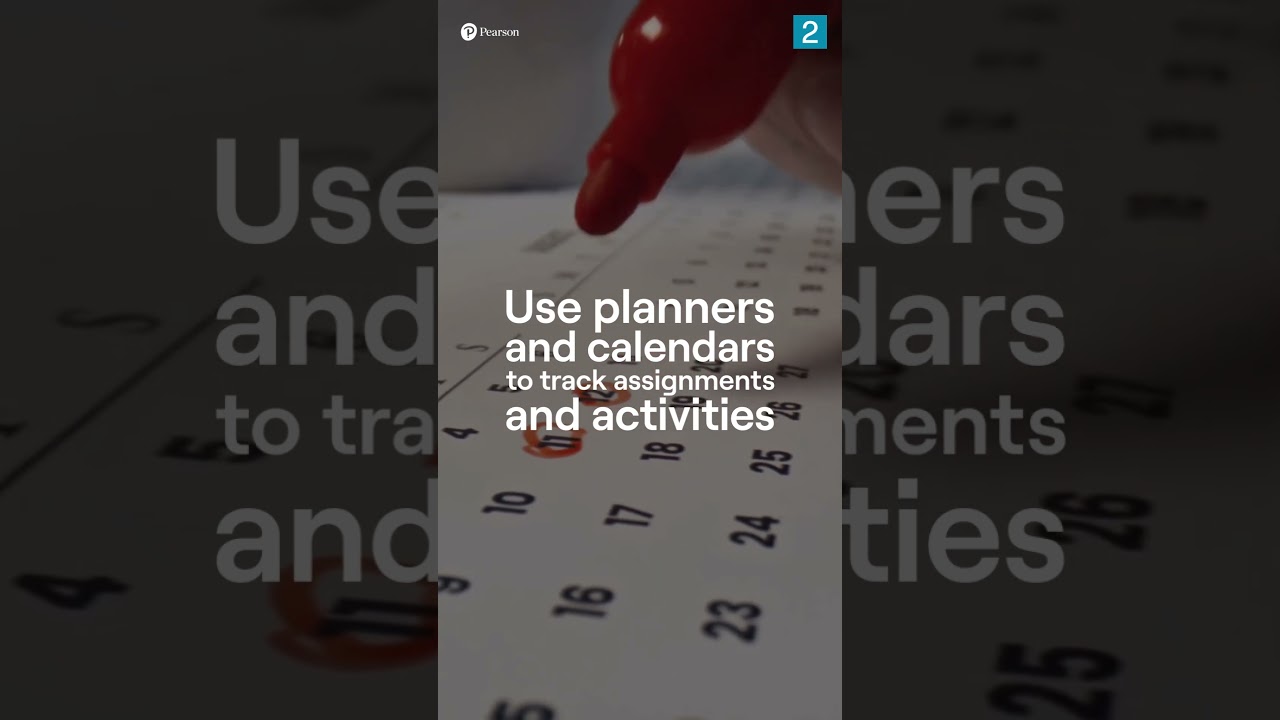
Use planners, calendars, or apps to keep track of assignments, tests and activities. Staying organized reduces stress and helps you stay on top of your responsibilities. Set achievable academic and personal goals. Break them down into smaller steps to make them more manageable and celebrate your progress along the way. Create a study plan to help you with your scheduling your homework and revision for tests so you don't leave things to the last minute. Make sure you schedule time for hobbies and relaxing. Don’t forget to make time to read a good book.

4. Stick to a balanced diet and drink plenty of water throughout the day

Eating well is essential for everyone. Fuel your body with balanced meals that include fruits, vegetables, proteins and whole grains. Avoid excessive junk food and sugary drinks. A balanced diet can make a big difference in your energy levels and overall health.

  • Start with breakfast – Kickstart your day with a nutritious breakfast. Try oatmeal with fruits, yogurt, or a smoothie. These options are quick and easy, and they give you the energy to tackle your morning classes.
  • Healthy snacking – Keep healthy snacks like nuts, fruit in your school bag.
  • Stay hydrated – Drink plenty of water throughout the day. Carrying a reusable water bottle can help have water available whenever you need to drink.

5. Stay physically active, take breaks and make time for a mindful walk every day

Incorporate physical activity into your daily routine to boost your mood and energy levels. Taking short breaks of 5-10 minutes every hour while studying, can help maintain focus and prevent burnout.  Go on a mindful walk everyday, noticing what is around you and connecting with nature.

A mindful walk can significantly reduce stress by helping you stay present and focused on your surroundings. It also boosts mental clarity and creativity, making it easier to tackle daily challenges. Additionally, it promotes physical health by encouraging gentle exercise and improving overall well-being and is a wonderful way to connect with the present moment. Here are some steps to get you started:

Choose a peaceful location: Find a quiet place where you can walk without many distractions.

Engage your senses: Notice the sights, sounds, smells and textures around you. Feel the ground beneath your feet with each step.

Walk slowly and deliberately: Pay attention to each movement, from lifting your foot to placing it down.

Stay present: If your mind starts to wander, gently bring your focus back to your breath and surroundings.

You can also play an outdoor mindfulness game to have a mindful moment and really connect with nature:

Find a bench or a quiet place.

Name/notice

  • 5 things you can see
  • 4 things you can feel
  • 3 things you can hear
  • 2 things you can smell
  • 1 thing you can taste

6. Practice gratitude

Practicing gratitude daily can significantly boost your wellbeing, especially during the back-to-school season. It helps reduce stress by shifting your focus from worries to positive aspects of your life. Gratitude can improve your mood, making you more resilient to challenges. It also enhances your relationships with classmates and teachers by fostering a positive and supportive environment. Lastly, it promotes better sleep, which is crucial for maintaining energy and concentration throughout the school day.

Gratitude needs to be practiced and you can do this by incorporating gratitude into your daily routine. Here are a few ideas to get you started:

  1. Gratitude journal: Spend a few minutes each day writing down three things that you’re grateful for. This can be done in the morning to start your day positively or at night to reflect on the day.
  2. Gratitude jar: Write down things you’re thankful for on small pieces of paper and put them in a jar. Over time, you’ll have a collection of positive moments to look back on.
  3. Mindful moments: Take a moment during your day to pause and appreciate something around you, whether it’s a beautiful view, a kind gesture, or a personal achievement.
  4. Gratitude reminders: Set reminders on your phone or place sticky notes in visible areas to prompt you to think about what you’re grateful for.
  5. Express gratitude: Make it a habit to thank people around you, whether it’s a friend, family member, or teacher. Expressing gratitude can strengthen your relationships and spread positivity.

7. Stay connected

Social support is vital for emotional wellbeing, especially during stressful times. Building a support network is important for your well-being. Positive social interactions can help reduce stress and improve your mood. Join after school/college clubs and take up a new hobby or sport. Have homework study buddies to study with.

8. Practice mindfulness

Incorporate mindfulness or meditation practices into your routine. These can help reduce anxiety and improve your focus and emotional regulation.

An easy one to practice is the S.T.O.P. mindfulness practice: It  is a great way for students to manage stress and stay focused.

S - Stop: Pause whatever you’re doing. Just take a moment to stop what you are doing.

T - Take a breath: Take a deep breath in and out. Focus on your breathing to help center yourself.

O - Observe: Notice what is happening around you and pay attention to your thoughts, feelings, and physical sensations.

P - Proceed: Continue with your activity, but do so with a sense of calm and mindfulness.

This practice can be done in just a few minutes and can help students feel more grounded and present.

Guide your learners to use well-being apps, which can help with things like sleeping, focus, movement and waking up.

9. Set realistic goals

Set achievable academic and personal goals. Break them down into smaller steps to make them more manageable and celebrate your progress along the way. Create a study plan to help you with your scheduling your homework and revision for tests so you do not leave things to the last minute.

10. Adopt a growth mindset

Adopting a growth mindset means believing you can improve through effort and learning. Embrace challenges as opportunities to grow. Learn from mistakes and see them as steps towards success. Stay curious and keep trying new things. Remember, your abilities can always develop with persistence and hard work.

How are you feeling about being back at school or college?

More blogs from Pearson

  • Children and teacher looking at a tablet smiling and laughing in the classroom
    Incorporating reflection activities to kickstart the New Year
    By Charlotte Guest
    Reading time: 5 minutes

    A new calendar year offers a natural reset, an opportunity for your learners to pause, look back and lean forward with purpose. Reflection isn’t just a feel-good exercise; it’s a powerful learning accelerator. It helps students consolidate knowledge, develop metacognition and set actionable goals. It also helps you, the teacher, gain insights into what’s working, what needs adjustment and how to sustain momentum. Below are activities that fit into real classrooms and real schedules, with variations for different age groups and subject areas.

    Why start with reflection?

    Reflection builds self-awareness and agency. When students name what they’ve learned and where they want to grow, they’re more likely to persevere and achieve. For you, structured reflection provides a clearer picture of learning gaps and strengths, enabling intentional planning. Think of these routines as small investments that pay off in greater engagement, clearer goals and smoother instruction all year long.

    Quick wins you can do in one class period

    Rose–Thorn–Bud

    • Purpose: Recognize successes ("rose"), challenges ("thorn") and emerging opportunities ("bud").
    • How-to: Give students three sticky notes or three boxes on a digital form. Prompt: “One thing that went well last term”, “One challenge I faced”, “One idea I want to try”.
    • Teacher moves: Sort responses to identify class-wide trends. Celebrate roses. Normalize thorns with a growth mindset. Turn buds into a short list of new strategies to try together.
    • Variations: Pair-share for younger grades; content-specific (rose = strategy that helped with fractions, thorn = multi-step problems, bud = practice with word problems).

    Start–Stop–Continue

    • Purpose: Turn reflection into immediate behavior and study habits.
    • How-to: Ask students to list one habit to start, one to stop, and one to continue this term. Provide sentence stems: “I will start…”, “I will stop…”, “I will continue… because…”
    • Teacher moves: Have students star the one they’ll commit to this week and set a check-in date. Invite a brief self-assessment after two weeks.
    • Variations: Subject-specific (start annotating texts, stop cramming, continue reviewing notes nightly).

    3–2–1 Learning snapshot

    • Purpose: Capture key learning quickly.
    • How-to: Prompt with “three concepts I understand now”, “two questions I still have” and “one resource or strategy that helped me learn”.
    • Teacher moves: Use the “two questions” to plan mini-lessons or office-hours topics. Share a class list of “one resource” to build a peer-sourced toolkit.
    • Tools: Paper exit tickets or a quick digital form, whatever is easier and quicker for you. 

    Peer reflection interviews

    • Purpose: Build belonging and metacognition through conversation.
    • How-to: In pairs, students ask: “What’s one thing you’re proud of from last term?”, “When did you feel stuck – and how did you get unstuck?”, “What’s a goal you have for this month?”
    • Teacher moves: Teach active listening (eye contact, paraphrasing) and capture themes. Close with a 2-minute write: “One insight I gained from my partner.”
    • Variations: Record short audio or video reflections for classes using multimedia tools.

    Two stars and a wish (Portfolio refresh)

    • Purpose: Reflect using evidence.
    • How-to: Students choose two artifacts from last term to highlight ("stars") and one area to improve ("wish"). They attach a brief reflection: what it shows and why it matters.
    • Teacher moves: Model with your own sample. Provide a rubric for reflective depth (specificity, evidence, next steps).
    • Variations: Early grades can draw or use photos; older students link to digital artifacts.

    Deeper dives for week-one routines

    Personal learning timeline

    • Purpose: See growth over time and connect effort to outcomes.
    • How-to: Students draw a timeline of the term: key topics, pivotal moments, breakthroughs, setbacks and supports that helped. They mark future milestones: “By Week 4, I will…”
    • Teacher moves: Guide students to identify strategies that worked (study groups, retrieval practice), then add them to their plan. Create wall or digital gallery for optional sharing.
    • Extension: Have students revisit the timeline mid-term to add new milestones.

    Goal-setting conferences

    • Purpose: Craft specific, measurable goals with support.
    • How-to: Provide a short goal sheet: “My priority skill”, “Evidence I’ll use”, “Daily/weekly actions”, “Support I need”, “Check-in date”.
    • Teacher moves: Rotate through 3-minute conferences to coach students toward clarity and feasibility. Encourage process goals (such as practicing 10 minutes daily) alongside performance goals.
    • Variations: Small-group coaching if individual conferences aren’t feasible; student-led with peer feedback for time efficiency.

    Class norms refresh (Community agreements)

    • Purpose: Re-center your classroom culture.
    • How-to: Invite students to propose two norms that helped learning and one to adjust. Synthesize into 5–7 concise agreements.
    • Teacher moves: Co-create routines that enact the norms (silent start, exit reflections, peer tutoring). Post and practice with brief weekly check-ins.
    • Equity lens: Ensure norms protect voice and belonging, not just compliance.

    Make it stick: Implementation tips

    • Keep it short and regular. Even just 5–10 minutes a week builds powerful habits.
    • Use sentence stems to reduce cognitive load: “A strategy that helped me was…”, “Next time I’ll try…”
    • Celebrate progress. Highlight student reflections that show growth, not just perfection.
    • Close the loop. Bring reflections back into instruction: “I noticed many of you asked about synthesizing sources—let’s start with a mini-lesson.”
    • Make it visible. A reflection wall or digital board keeps goals at the forefront.

    Inclusive informed considerations

    • Offer multiple modalities: writing, drawing, audio or a private form. Choice increases safety and authenticity.
    • Normalize struggle and curiosity. Use language that validates effort: “Challenges are data, not defects”.
    • Protect privacy. Invite, but don’t require, public sharing. Summarize themes anonymously.

    Using tools you already have

    Many of you use courseware, dashboards and assessment reports. Use them to ground reflection in evidence:

    • Pull a quick progress report to anchor 3–2–1 reflections in actual performance trends.
    • Use item analysis to identify common thorns and plan targeted practice.
    • Invite students to look at their data with you during goal-setting conferences.

    A quick start plan for week one

    • Day 1: Rose–Thorn–Bud plus a short norms refresh.
    • Day 2: 3–2–1 Learning Snapshot tied to last term’s key skills.
    • Day 3–4: Goal-setting conferences; peers do Two Stars and a Wish.
    • Day 5: Personal Learning Timeline and a brief share-out; set check-in dates.

    Reflection is a powerful tool. Begin small, stay consistent and let students’ feedback guide you. With clear prompts, support and the right tools, including Pearson’s, you can turn New Year’s energy into steady progress for your class.

  • University students stood in a class together working on tablets
    How PTE Express helps agents beat admissions deadlines
    By Alice Bazzi
    Reading time: 2 minutes

    For students applying to US universities, timing is everything. Admissions deadlines can be tight, and delays in English proficiency scores can lead to missed opportunities. Your reputation as an agent depends on helping students have a seamless process, which includes meeting timelines.

    Why speed matters for US admissions

    US institutions often require English test scores before issuing offers or processing visas. Traditional testing methods can take days or even weeks for results, creating stress for students and agents. PTE Express changes the game by delivering certified results within 48 hours, ensuring students can submit scores quickly and confidently.

  • Young students in a classroom raising their hands and smiling
    Putting inquiry-based learning into practice with young learners
    By Jeanne Perrett
    Reading time: 5 minutes

    What are the benefits of inquiry-based learning?

    Inquiry-based learning is all about using questions to generate interest. Starting a class with a question helps young learners engage with the topic straight away. Introductory questions can be big or small, and here are some examples of big questions: 

    • What makes someone a hero? 
    • Why do we go to school? 
    • Why do people live in cities? 

    These open questions get students thinking about lots of different aspects of each topic. However, small questions can work as well: 

    • What is your favourite superhero called? 
    • Do you like your school? 
    • Do you live in a village or a city?

    These closed questions don’t necessarily lead to further discussion. However, they are a way to introduce a topic and give learners an easy way to contribute without the pressure of getting an answer right or wrong. 

    When students are invited to share their opinions, they feel that their contributions are valuable. It also lets the teacher gain insight into what the learners already know. 

    How can we help students explore big questions?

    Inquiry-based learning can support students to answer these big questions in an easy and satisfying way, including:

    • Making notes on their ideas, or drawing a sketch
    • Working in pairs or groups to share ideas
    • Using a bulletin board

    A bulletin board fits in well with the concept of inquiry-based learning. The teacher pins a big question to the center and then encourages learners to add their notes, sketches and ideas to the board. 

    Because there are many possible answers to the big questions, it’s important to emphasize that learners can change their minds as they learn more: after all, that’s the whole point of learning.

    The Now I Know! series follows this structure. Each unit has language aims based around a big question to get learners thinking more deeply.

    How can inquiry-based learning work in practice?

    You can put it into practice in your own classroom by starting off with a topic, and then thinking of a big question to get things started. So, for example, if your topic is outer space, your big question could be: Why do we explore space? 

    That will get your students thinking and sharing their knowledge about space travel, moon landings, astronauts, aliens – you might be surprised at some of their answers. Ask them to write notes, do a sketch or do a mind map, then pin their contributions to your bulletin board. 

    There are lots of options for follow-up activities: 

    • Assign pairs a planet from the solar system to research
    • Share an interesting fact about an unnamed planet and encourage students to research which planet it is
    • Allow students to play to their strengths: one student can draw the planets and another can name their order from the sun (for example)
    • Create a game: get learners to write two false facts and one true fact about their planet, and the rest of the class has to guess which is which

    Once you’ve piqued their interest and the students are excited about the topic, it’s time to channel that enthusiasm into a more focused activity. For example, you could introduce the story of the Golden Record on the Voyager space probe. At the time of the Voyager launch in 1977, a phonograph record was included onboard which contained, in the words of then-president Jimmy Carter, “a present from a small, distant world, a token of our sounds, our science, our images, our music, our thoughts and our feelings.” The record included music from different cultures, greetings in 55 languages and sounds of the natural world. There were also 115 images of life on Earth, many annotated with explanations. 

    Bring it back to inquiry-based learning, and instead of telling students what is on the record, ask them what they think might have been included. Again, they can add their ideas to the bulletin board. 

    Follow-up activities could include: 

    • Making their own recording for an interplanetary space voyage
    • Doing a sound quiz where students record sounds and ask their classmates to guess what each sound is 
    • Making a modern playlist for aliens to listen to 
    • Taking photographs of their daily lives and adding comments, just as the NASA committee did, and doing more research into the Voyager space probe
    • Checking its progress through interstellar space on the NASA website

    This is just one example of a topic, but any topic can be treated in the same way. If you, as a teacher, share your curiosity and enthusiasm with your students, they’ll pick up on that and become enthused in turn.

    How do we nurture enquiring minds?

    The spirit of enquiry is one of the most important things we can instill in our young learners. Inquiring minds are innate - just think of the way toddlers ask “Why?” about everything. The mistake that adults can sometimes make is to reply to the ‘why’ questions with an answer, when actually, sometimes children just want to have a discussion. 

    As educators, it’s important to reply to children’s questions by opening up a discussion, no matter how abstract the question. For example, if a toddler asks something like “Why a leaf?”, you can expand that conversation to talk about colours, trees, nature, things that grow... the possibilities are endless. 

    In fact, this is our main role as educators: to facilitate and continue those conversations, to pique our learners’ curiosity, to share our enthusiasm and wonder rather than simply teach the correct answer.

    Show your students that you don’t have to find immediate answers, that there’s no such thing as a silly answer. It’s okay to wonder and muse. In your lessons, focus not on giving students the answers but on equipping them with the tools to research and find them themselves. In this way, you’ll create lifelong learners with a passion for education.