An Introduction to Bone and Skeletal Tissue definitions Flashcards

An Introduction to Bone and Skeletal Tissue definitions
11 students found this helpful
Control buttons has been changed to "navigation" mode.
1/15
  • Bone Marrow
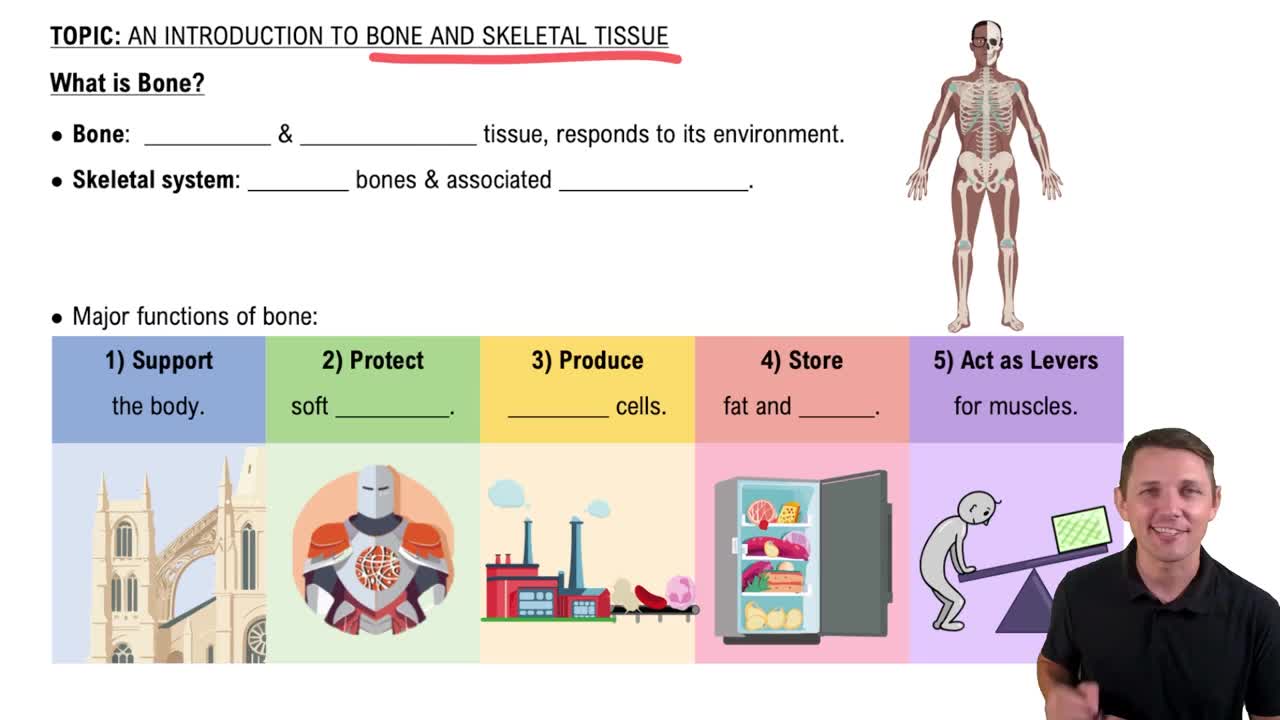
    A soft tissue inside bones responsible for producing blood cells and storing fat.
  • Calcium
    A mineral stored in bones, crucial for maintaining bone strength and various bodily functions.
  • Long Bones
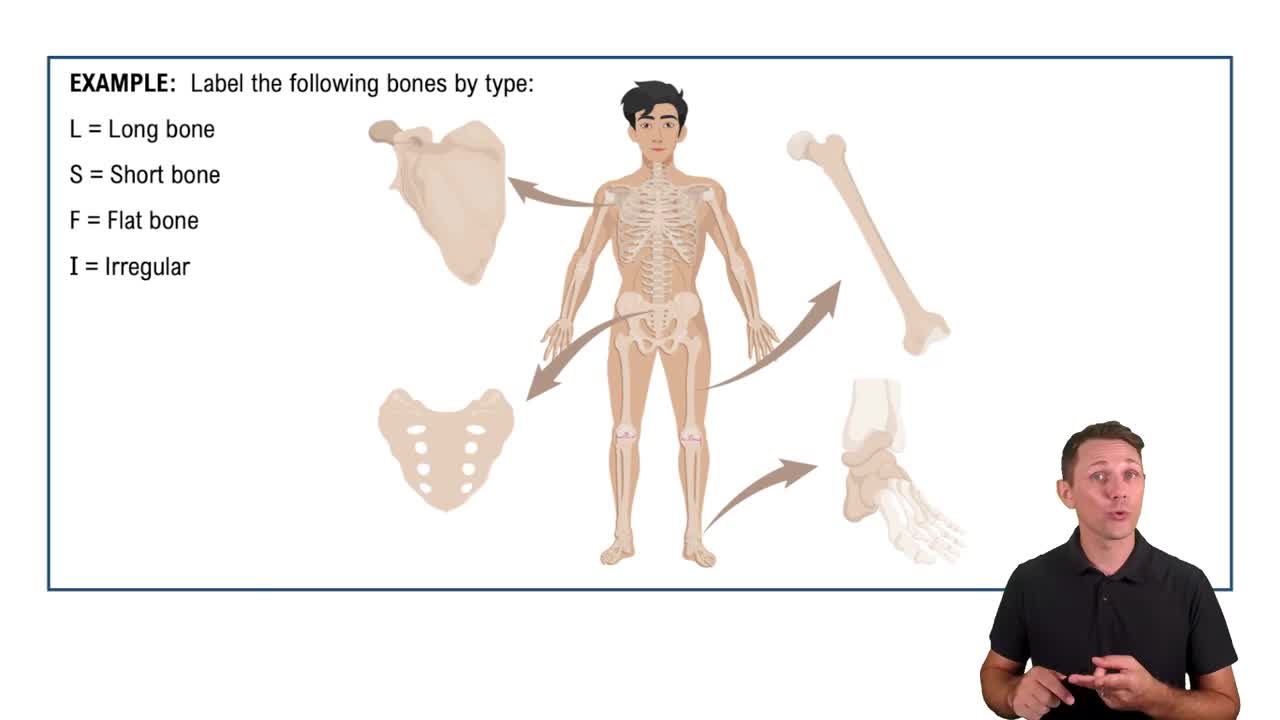
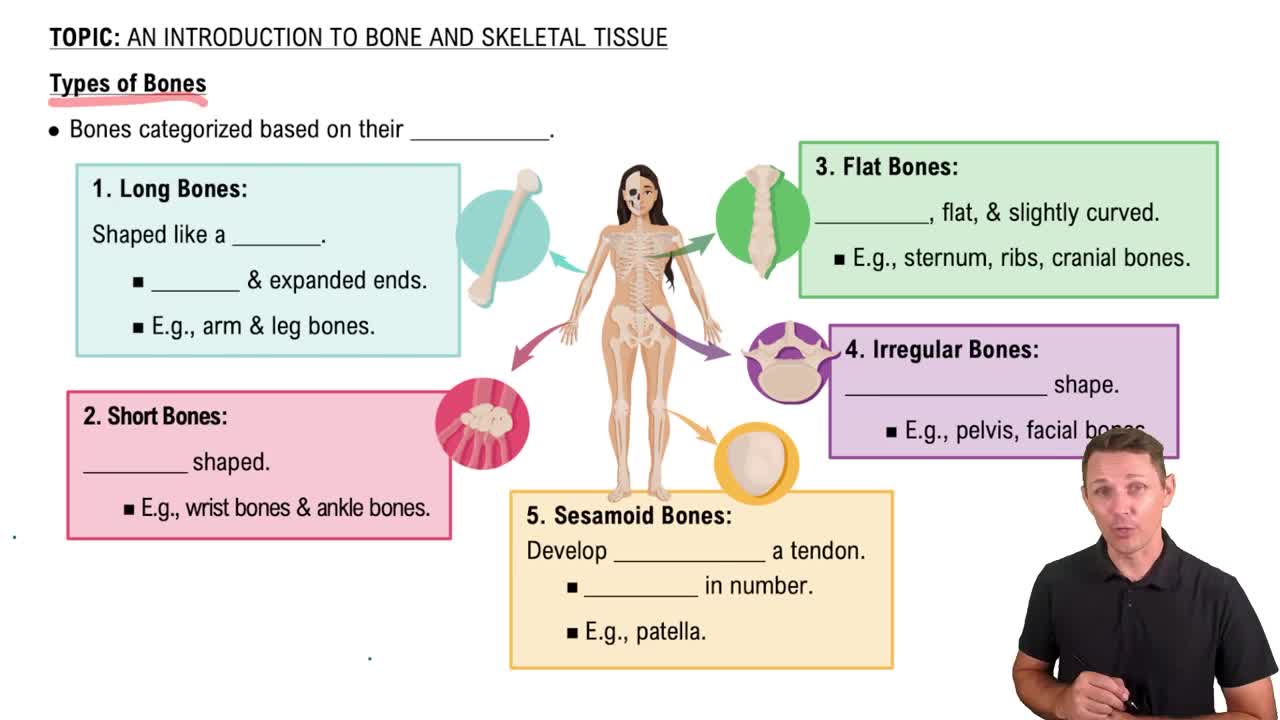
    Bones characterized by a shaft and expanded ends, found in arms and legs.
  • Short Bones
    Cube-shaped bones found in the wrists and ankles, known for their compact form.
  • Flat Bones
    Thin, slightly curved bones like the sternum and cranial bones, providing protection.
  • Irregular Bones
    Bones with complex shapes, such as the pelvis and vertebrae, not fitting other categories.
  • Sesamoid Bones
    Bones that form within tendons, like the patella, varying in number among individuals.
  • Cartilage
    A flexible connective tissue associated with bones, aiding in movement and cushioning.
  • Skeleton
    The framework of 206 bones in the human body, providing structure and support.
  • Cranium
    The part of the skull that encloses and protects the brain.
  • Patella
    A sesamoid bone located in the knee, also known as the kneecap.
  • Humerus
    A long bone in the upper arm, extending from shoulder to elbow.
  • Rib Cage
    A structure of bones protecting the thoracic organs, including the heart and lungs.
  • Pelvis
    An irregular bone structure supporting the spine and housing reproductive organs.
  • Tendons
    Connective tissues that attach muscles to bones, facilitating movement.