 Back
Ch: 33 Animal Nutrition: Structure and Function of Digestive Systems
Study Guide - Smart Notes
 Tailored notes based on your materials, expanded with key definitions, examples, and context.
Animal Nutrition
Introduction to Animal Nutrition
Animal nutrition is the study of the dietary requirements of animals and the processes by which food is consumed, digested, absorbed, and utilized for energy, growth, and maintenance. All animals require a set of essential nutrients to survive and thrive.
Nutrient: Any substance consumed by an animal that is necessary for survival, growth, development, tissue repair, or reproduction.
Ingested organic macromolecules serve two main purposes:
To provide energy (used in ATP synthesis)
To make new molecules (biosynthesis)
All animals require the same fundamental organic macromolecules: carbohydrates, proteins, lipids, and nucleic acids.
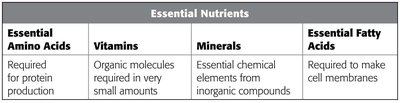
Essential Nutrients
Essential nutrients are substances that animals cannot synthesize on their own and must obtain from their diet. These include essential amino acids, vitamins, minerals, and essential fatty acids.
Essential Amino Acids: Required for protein production.
Vitamins: Organic molecules needed in very small amounts for various biochemical functions.
Minerals: Essential chemical elements derived from inorganic compounds.
Essential Fatty Acids: Required for the synthesis of cell membranes and other vital functions.
Overview of the Digestive Process
Stages of Food Processing
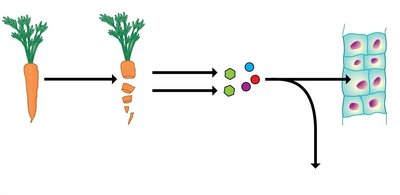
The process of animal nutrition involves several key stages: ingestion, digestion, absorption, and elimination. Each stage is essential for breaking down food into usable molecules and expelling waste.
Ingestion: Intake of food into the mouth.
Digestion: Mechanical and chemical breakdown of food into small molecules.
Absorption: Uptake of small molecules into the body’s cells.
Elimination: Removal of undigested materials from the body.
Types of Digestive Systems
Intracellular vs. Extracellular Digestion
Animals have evolved different digestive strategies depending on their complexity and dietary needs.
Intracellular Digestion: Occurs within single cells, as seen in single-celled organisms and sponges.
Extracellular Digestion: Occurs within a digestive cavity; most multicellular animals use this method.
Gastrovascular Cavity
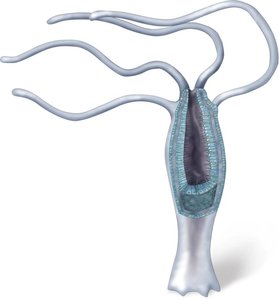
Certain simple animals, such as cnidarians and flatworms, possess a gastrovascular cavity with only one opening. This cavity serves both digestive and circulatory functions but lacks specialized regions.
Alimentary Canal (Digestive Tract)
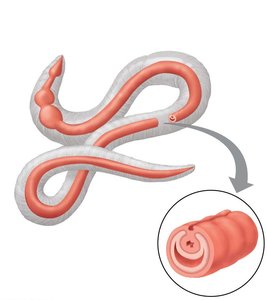
More complex animals, such as earthworms and vertebrates, have a complete digestive tract (alimentary canal) with two openings (mouth and anus) and specialized regions for different digestive functions.
Allows for sequential processing of food.
Specialized organs include the mouth, pharynx, esophagus, stomach, intestines, and accessory organs.
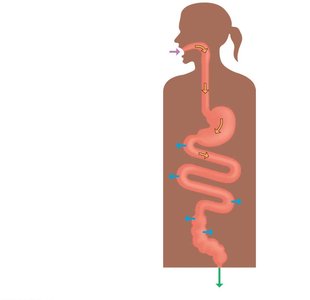
Human Digestive System
Major Organs and Functions
The human digestive system consists of the alimentary canal and accessory organs. Each part has a specific role in the breakdown and absorption of nutrients.
Mouth: Begins mechanical digestion (chewing) and chemical digestion (salivary amylase).
Pharynx and Esophagus: Serve as passageways for food; peristalsis moves food to the stomach.
Stomach: Stores food, mixes it with gastric juices, and initiates protein digestion.
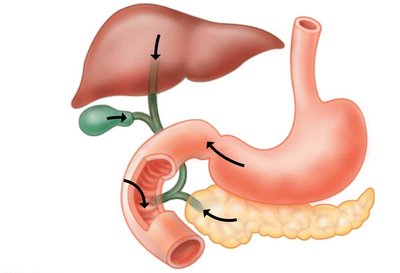
Small Intestine: Main site for digestion and absorption; receives secretions from the pancreas, liver, and gallbladder.
Large Intestine (Colon): Absorbs water and electrolytes; forms and expels feces.
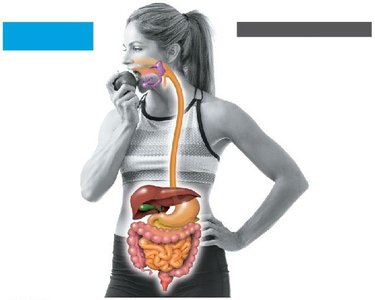
Accessory Organs
Salivary Glands: Secrete saliva to moisten food and begin starch digestion.
Liver: Produces bile for fat emulsification.
Gallbladder: Stores and concentrates bile.
Pancreas: Secretes digestive enzymes and bicarbonate to neutralize stomach acid.
Specialized Digestive Adaptations
Bird Digestive System
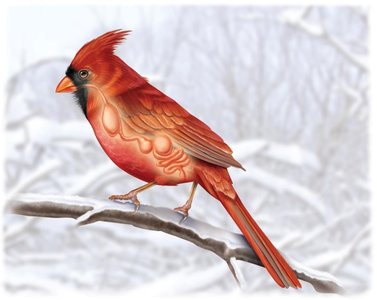
Birds have specialized digestive structures, including a crop for food storage, a proventriculus for chemical digestion, and a gizzard for mechanical digestion. Birds that eat grains and seeds have larger crops and more muscular gizzards than those that eat insects or worms.
Stomach Structure and Function
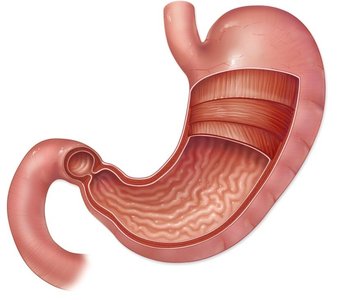
The stomach is a muscular, sac-like organ with a convoluted surface for expansion. It contains three layers of smooth muscle for mixing food with gastric juice and three types of secretory cells:
Mucus-secreting cells: Protect the stomach lining.
Parietal cells: Secrete hydrochloric acid (HCl) and intrinsic factor (for vitamin B12 absorption).
Chief cells: Secrete pepsinogen, the inactive precursor of pepsin (a protein-digesting enzyme).
Digestion and Absorption in the Small Intestine
Structure of the Small Intestine
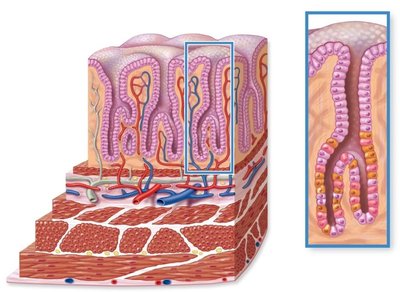
The small intestine is highly specialized for digestion and absorption. Its inner surface is folded and covered with villi and microvilli, increasing the surface area for nutrient absorption by up to 600 times.
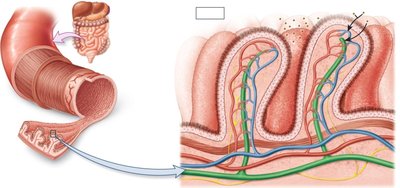
Villi: Finger-like projections containing blood capillaries and lacteals (lymphatic vessels).
Microvilli: Tiny projections on epithelial cells, forming the brush border.
Accessory Organs and Their Secretions
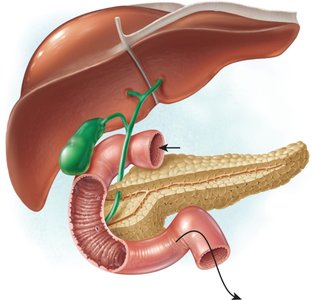
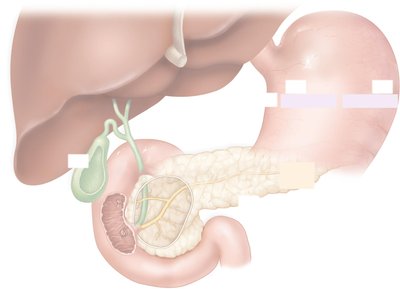
Pancreas: Secretes digestive enzymes (trypsin, chymotrypsin, amylase, lipase) and bicarbonate into the duodenum.
Liver: Produces bile, which emulsifies fats for digestion.
Gallbladder: Stores and releases bile in response to fatty foods entering the duodenum.
Absorption Mechanisms
Different nutrients are absorbed by different mechanisms:
Proteins and Carbohydrates: Broken down into amino acids and monosaccharides, absorbed into blood capillaries, and transported to the liver via the hepatic portal vein.
Fats: Broken down into fatty acids and monoglycerides, absorbed into epithelial cells, reassembled into triglycerides, packaged as chylomicrons, and transported via lacteals into the lymphatic system.
The Large Intestine (Colon)
Structure and Function
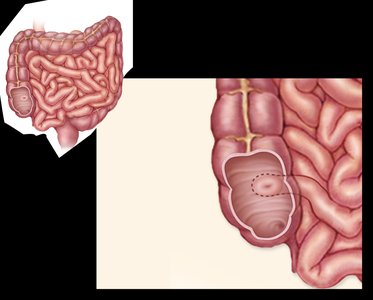
The large intestine is shorter but wider than the small intestine. It absorbs water, electrolytes, and vitamin K, and compacts undigested material into feces for elimination. The cecum and appendix are vestigial structures at the junction of the small and large intestines.
Regulation of Digestion
Nervous and Endocrine Control
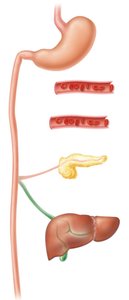
The digestive process is regulated by both the nervous and endocrine systems. Local nerves in the alimentary canal and long-distance signals from the brain coordinate muscular and glandular activity. Hormones secreted by the stomach and small intestine regulate the release of digestive enzymes and bile.
Gastrin: Stimulates secretion of HCl and pepsinogen in the stomach.
Cholecystokinin (CCK): Inhibits gastric motility, stimulates gallbladder contraction and pancreatic enzyme secretion.
Secretin: Inhibits gastric motility, stimulates secretion of pancreatic bicarbonate.
Gastric Inhibitory Peptide (GIP): Inhibits gastric motility and secretions.
Summary Table: Essential Nutrients
Essential Amino Acids | Vitamins | Minerals | Essential Fatty Acids |
|---|---|---|---|
Required for protein production | Organic molecules required in very small amounts | Essential chemical elements from inorganic compounds | Required to make cell membranes |
