 Back
BackTopic 5 - Animal Reproduction and Development
Study Guide - Smart Notes
 Tailored notes based on your materials, expanded with key definitions, examples, and context.
Animal Life Cycles
The Diplontic Life Cycle
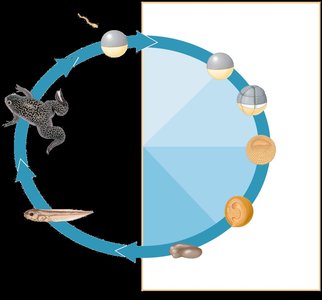
The typical animal life cycle is diplontic, meaning the multicellular stage is diploid. The only haploid cells are the gametes (sperm and egg), which fuse to form a diploid zygote. The zygote undergoes a series of developmental stages, including embryo (morula, blastula, gastrula, neurula), larva, juvenile, and adult.
Haploid stage: Gametes (sperm and egg)
Diploid stages: Zygote, embryos (morula, blastula, gastrula, neurula), larvae, juvenile, adult
Developmental sequence: Fertilization → Zygote → Morula → Blastula → Gastrula → Neurula → Larva → Juvenile → Adult
Sexual Systems in Animals
Dioecious and Monoecious Species
Animals can be classified based on their reproductive systems. Dioecious species have separate male and female individuals, while monoecious (hermaphroditic) species possess both male and female reproductive organs.
Dioecious: Separate sexes; about 50% of encounters are with potential mates.
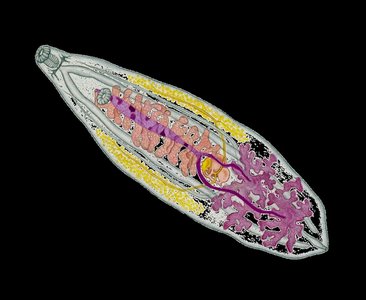
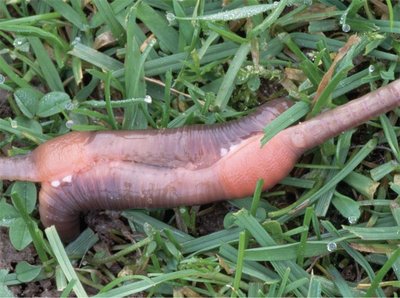
Monoecious (Hermaphrodites): Each individual has both male and female organs; nearly 100% of encounters are with potential mates. Mutual cross-fertilization is common.
Types of Hermaphroditism
Simultaneous hermaphrodites: Both sets of reproductive organs are present at the same time.
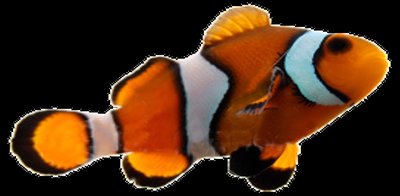
Sequential hermaphrodites: Individuals start as one sex and change to another later in life.
Protandry: Male to female (e.g., clownfish)
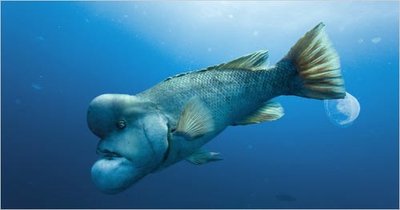
Protogyny: Female to male (e.g., wrasses)
Gametogenesis
Formation of Gametes
Gametogenesis is the process by which animals produce gametes (sperm and eggs) via meiosis. There are two main types: spermatogenesis (formation of sperm) and oogenesis (formation of eggs).
Spermatogenesis: Produces four functional sperm from each primary spermatocyte.
Oogenesis: Produces one functional ovum and three polar bodies from each primary oocyte.
Both processes involve mitosis of germ cells before meiosis and maturation of gametes.
Eggs are large, non-motile gametes with a plasma membrane, vitelline layer, and protective granules (yolk) for nourishment.
Isolecithal eggs: Small amount of yolk, evenly distributed
Mesolecithal eggs: Moderate yolk, concentrated at one end (vegetal pole)
Telolecithal eggs: Large amount of yolk, unevenly distributed
Modes of Reproduction
Sexual vs. Asexual Reproduction
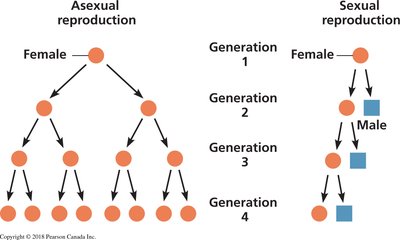
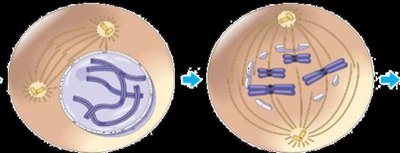
Animals can reproduce sexually or asexually. Sexual reproduction involves gametes and increases genetic variation through meiosis and recombination. Asexual reproduction does not involve gametes and produces genetically identical offspring (clones) via mitosis.
Sexual reproduction: Egg and sperm required; genetic variation
Asexual reproduction: Gametes optional; no genetic variation
Types of Asexual Reproduction
Gemmules: Clumps of cells break away from the parent (e.g., Porifera)
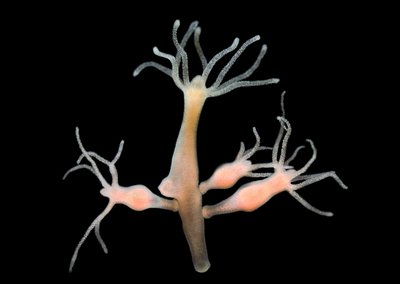
Budding: Offspring grow off the side of the parent (e.g., some Cnidaria)
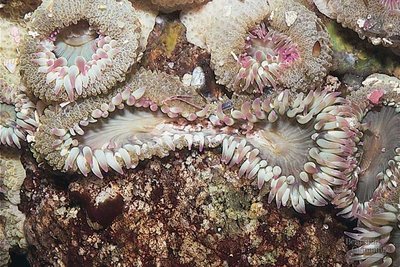
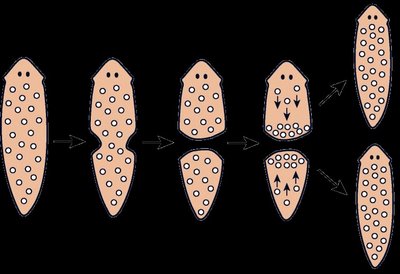
Fission: Parent divides into two (e.g., some Cnidaria, Platyhelminthes, Echinodermata)
Asexual Reproduction with Gametes: Parthenogenesis
Parthenogenesis is a form of asexual reproduction where offspring develop from unfertilized eggs. It occurs in some invertebrates and vertebrates.
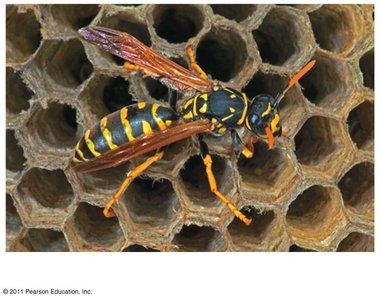
Hymenoptera (e.g., bees, wasps): Females are diploid (2n), males are haploid (1n). Fertilized eggs become females; unfertilized eggs become males.
Daphnia: Can reproduce sexually (haploid eggs fertilized) or asexually (diploid eggs by mitosis, producing clones).
Whiptail lizards: Undergo DNA doubling before meiosis; all offspring are female.
Fertilization
Mechanisms of Fertilization
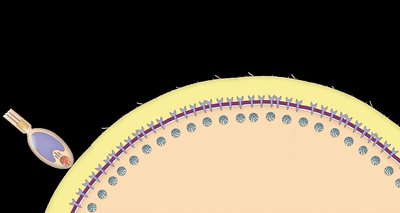
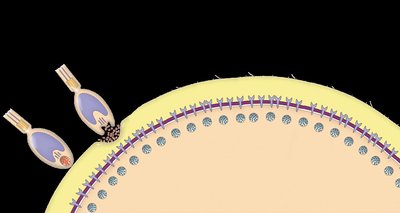
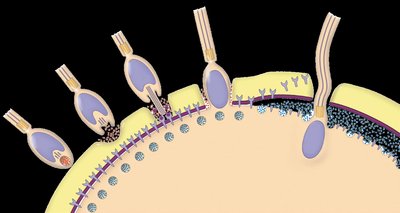
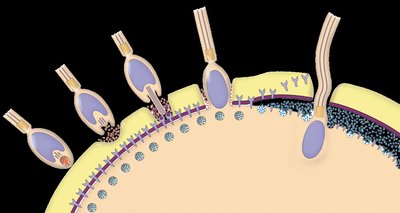
Fertilization is the union of sperm and egg to form a zygote. In mammals, the secondary oocyte is fertilized by sperm, triggering the acrosome reaction and cortical reaction to ensure species compatibility and prevent polyspermy.
Acrosome reaction: Sperm releases enzymes to penetrate the egg's protective layers.
Cortical reaction: Prevents entry of additional sperm (blocks to polyspermy).
Fast block: Membrane depolarization (immediate, short-lived)
Slow block: Fertilization envelope formation (delayed, long-lasting)
External vs. Internal Fertilization
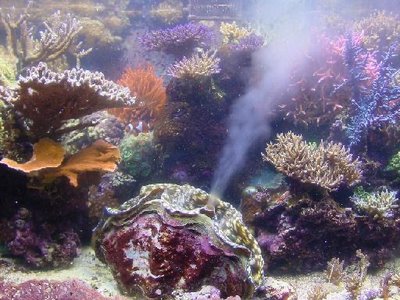
External fertilization: Gametes released into the environment; requires synchronization (e.g., pheromones, environmental cues); risks include asynchrony and osmotic stress.
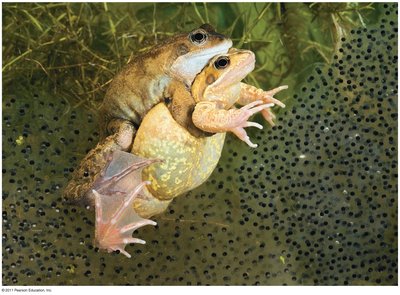
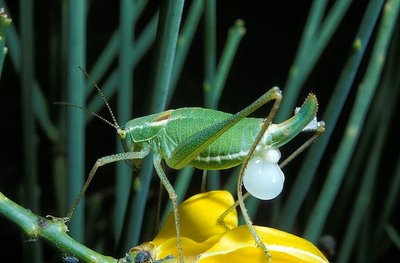
Internal fertilization: Sperm deposited within female reproductive tract or via spermatophores; often involves courtship behaviors.
Developmental Stages
Oviparity, Ovoviviparity, Viviparity
After fertilization, animals have different strategies for developing embryos:
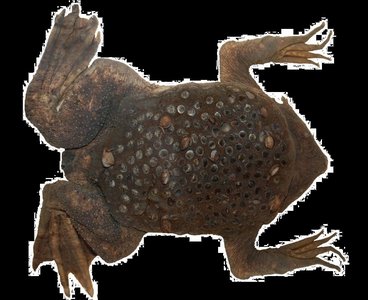
Oviparity: Eggs are laid; embryos nourished by yolk.
Ovoviviparity: Eggs retained within female; embryos nourished by yolk.
Viviparity: Embryos develop within female; nourished directly by mother.
Cleavage and Blastulation
Cleavage is a series of rapid cell divisions without growth (no G1 or G2 phases), forming a morula and then a blastula. Blastulation is the transition from morula to blastula, a hollow ball of cells.
Gastrulation
Gastrulation reorganizes the blastula into a gastrula with three germ layers: ectoderm, mesoderm, and endoderm. Key events include formation of the blastopore, archenteron, and arrangement of tissue layers.
Neurulation (Chordata)
Neurulation forms the nervous system. The dorsal ectoderm thickens to form the neural plate, which folds and fuses to create the dorsal hollow nerve cord.
Organogenesis
Organogenesis is the formation of organs from the three germ layers:
Ectoderm: Epidermis, central nervous system
Mesoderm: Muscles, skeleton, gonads, kidneys, dermis
Endoderm: Digestive tract, lungs, urogenital tract
Larval Development, Metamorphosis, and Maturation
Some animals have a larval stage, which may undergo metamorphosis to become a juvenile. Growth and maturation lead to the adult stage, defined by sexual maturity.
Additional info: This guide covers the main concepts of animal reproduction and development, including life cycles, sexual systems, gametogenesis, fertilization, and early embryonic development, as outlined in a typical college-level biology curriculum.
