Back
BIO 102 Course Syllabus and Study Guide: Core Concepts in Biology
Study Guide - Smart Notes
 Tailored notes based on your materials, expanded with key definitions, examples, and context.
Course Overview
Course Description
This course focuses on biological processes with a chemical foundation, including macromolecules, cellular structure, metabolism, and genetics in an evolutionary context. It explores the core concepts of evolution, structure and function, information flow, storage and exchange, pathways and transformations of energy and matter, and systems biology. The course emphasizes the process of science, interdisciplinary approaches, and the relevance of biology to society. It is part II of a two-course sequence and is a UCGS transfer course.
Course Schedule
Weekly Topics and Chapters
The course is organized into weekly modules, each covering specific chapters from the textbook. Below is a summary of the weekly schedule:
Week | Topics | Chapters |
|---|---|---|
1 | Phylogeny and the Tree of Life, Bacteria and Archaea, Protists | 26, 27, 28 |
2 | Plant Diversity I & II, Fungi, Unit Test 1 | 29, 30, 31 |
3 | An Overview of Animal Diversity, Soil and Plant Nutrition, Basic Principles of Animal Form and Function | 32, 37, 40 |
4 | Animal Nutrition, Unit Test 2, Circulation and Gas Exchange, The Immune System | 41, 42, 43 |
5 | Unit Test 3, Osmoregulation and Excretion, Animal Development, Hormones and the Endocrine System | 44, 45, 47 |
6 | Neurons, Synapses, and Signaling, Nervous Systems, Sensory and Motor Mechanisms | 48, 49, 50 |
7 | Animal Behavior, Unit Test 4, Introduction to Ecology and the Biosphere, Population Ecology | 51, 52, 53 |
8 | Community Ecology, Ecosystems and Restoration Ecology, Conservation Biology and Global Change, Unit Test 5, Final Exam | 54, 55, 56 |
Core Competencies
Process of Science
Students will learn how science seeks to understand the world through observation, hypothesis testing, and experimentation. Key concepts include:
Scientific Method: Steps include observation, hypothesis formation, experimentation, and analysis.
Variables: Independent variable is manipulated; dependent variable is measured.
Experiment Design: Students should be able to design hypothetical experiments.
Pathways and Transformations of Energy and Matter
This competency covers how energy and matter are related and transformed in living systems.
Sources of Energy: Sunlight (photosynthesis), chemical energy (cellular respiration).
Sources of Matter: Carbon, nitrogen, and other elements from the environment.
Energy Flow: Energy enters living systems via photosynthesis and is used to transform matter.
Information Flow, Exchange, and Storage
Students will explore how biological information is stored, replicated, processed, and inherited.
DNA and Genes: Information is stored in DNA, replicated during cell division, and expressed as proteins.
Inheritance: Observable patterns of inheritance result from information flow between generations.
Examples: Mendelian and non-Mendelian inheritance.
Evolution
Understanding evolution by natural selection, including molecular influences and evidence for evolution.
Natural Selection: Process by which organisms better adapted to their environment survive and reproduce.
Evidence: Fossil records, molecular biology, comparative anatomy.
Modifications: Updates to Darwinian theory based on new evidence.
Structure and Function
Examines how structure and function are interrelated at molecular, cellular, and organismal levels.
Examples: Enzyme structure and function, cell membrane structure and transport.
A Systems Approach to Biology
Explains how parts of biological systems interact to form functioning entities and emergent properties.
Emergent Properties: New properties that arise from the interaction of system components.
General Learning Outcomes
Scientific Literacy: Evaluate perspectives and statements about biological issues for logic and scientific merit.
Quantitative Reasoning: Perform calculations, interpret data and graphs, and use results to support conclusions.
Critical Thinking: Assess credibility, accuracy, and reliability of inferences from data.
Major Course Content Areas
Overview of Biology
Characteristics of life
Scientific method
Levels of biological organization
Diversity of life
Three biological domains: Bacteria, Archaea, Eukarya
Chemistry of Life
Atoms, molecules, and chemical bonds
Organic and inorganic compounds
Macromolecules: carbohydrates, proteins, lipids, nucleic acids
Properties of water
The Cell
Prokaryotic vs. eukaryotic cells
Plasma membranes and membrane transport
Energy and metabolism
Enzymes
Cellular respiration and photosynthesis
Cell reproduction: mitosis and meiosis
Molecular Biology and Genetics
Mendelian and non-Mendelian inheritance
DNA structure and function
Genetic code and protein synthesis
Gene expression and biotechnology
Evolution
Theory of evolution
Evidence supporting evolution
Required Course Materials
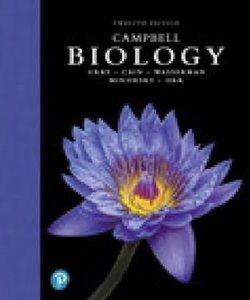
Modified Mastering Biology for Campbell Biology 12th Edition (Urry et al.)
Carolina Distance Learning Lab Kit
Technology Requirements
Reliable computer and internet access
Word-processing software
Virus-checking software
Access to college computers if needed
Course Logistics
Asynchronous course managed through Canvas
Weekly modules with assignments and materials
Recorded lectures and PowerPoint notes provided
Student Requirements and Evaluation
Grade Breakdown
Component | Percentage | Points |
|---|---|---|
Online Labs | 25% | 250 |
Unit Exams (5) | 40% | 400 |
Discussion Board Participation | 5% | 50 |
MasteringBiology Homework | 15% | 150 |
Final Exam | 15% | 150 |
Total | 100% | 1000 |
Grade Scale
A: 90-100% (900-1000 points)
B: 80-89% (800-899 points)
C: 70-79% (700-799 points)
D: 60-69% (600-699 points)
F: 59% and below (599 points and below)
Extra Credit
Dynamic Study Modules and other opportunities are available for extra credit, worth approximately 69 points.
Testing Procedures
5 regular lecture tests (multiple choice format)
Comprehensive final exam
Respondus Lockdown Browser and Web Proctoring required
No notes or outside resources allowed during tests
Discussion Board Policy
Participation required for graded assignments
Professionalism and respect expected in all communications
Academic Integrity
Plagiarism and cheating are strictly prohibited
Turnitin used for assignment submissions
Similarity scores above 20% may result in penalties
Recommendations for Success
Set aside dedicated study time
Practice and repetition
Communicate with instructor
Complete all readings and assignments
Withdrawal and Incomplete Policies
W: Withdrawal before 60% completion
I: Incomplete for mitigating circumstances, with completion deadline
Code of Conduct and Academic Dishonesty Policy
All work must be original
Collaboration and use of online sources for exams is prohibited
Refer to Student Handbook for details
Accessibility and FERPA
ADA and Rehabilitation Act compliance
FERPA protects student educational records
Student Insurance
Accident and health insurance options available
FAMIS for children under 19
SWCC Quality Enhancement Plan
Goal: Improve student oral communication skills
Outcomes: Organize presentations, deliver messages, adapt to context, support with evidence, evaluate performance