 Back
BackBiodiversity and Conservation: Threats, Importance, and Strategies
Study Guide - Smart Notes
 Tailored notes based on your materials, expanded with key definitions, examples, and context.
Biodiversity and Conservation
Introduction to Biodiversity
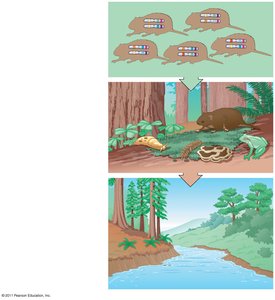
Biodiversity refers to the variety of life at different levels of biological organization. It is essential for ecosystem stability, resilience, and the provision of ecosystem services. Conservation biology aims to protect biodiversity at all levels, from genes to ecosystems.
Levels of Biodiversity
Genetic Diversity: The variety of genetic information within and among individuals of a population or species. High genetic diversity increases a population's ability to adapt to environmental changes.
Species Diversity: The number and relative abundance of species in a biological community.
Ecosystem Diversity: The variety of ecosystems in a given region, including their communities and nonliving environments.
Why Conserve Biodiversity?
Ethical Responsibility: Many believe humans have a moral obligation to protect other species.
Human Dependence: Humans rely on biodiversity for food, medicine, and industrial products.

Ecosystem Services: Biodiversity supports essential services such as clean air and water, pollination, and shoreline protection.
Economic Value: Biodiversity supports tourism and recreation industries.
Extinction and Its Causes
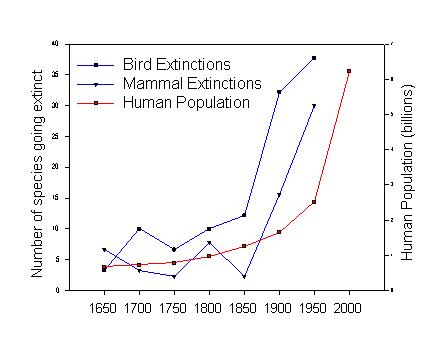
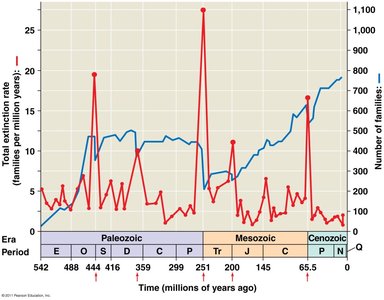
Extinction is a natural process, but current rates are much higher due to human activities. Extinctions can be classified as background (normal rate) or mass (widespread, rapid loss of species).
Main Threats to Biodiversity
1. Habitat Loss and Fragmentation
Habitat destruction reduces population sizes and leads to extinction. Fragmentation creates 'edges' that alter habitat conditions and can isolate populations.
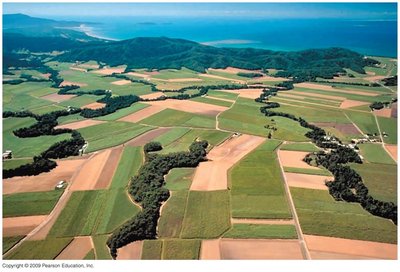
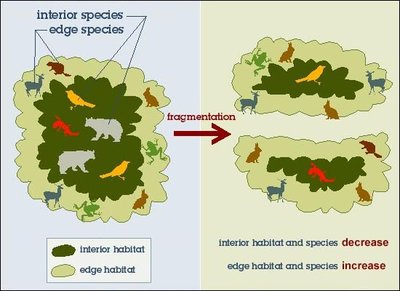
Edge Effect: Changes in population or community structures at the boundary of two habitats.
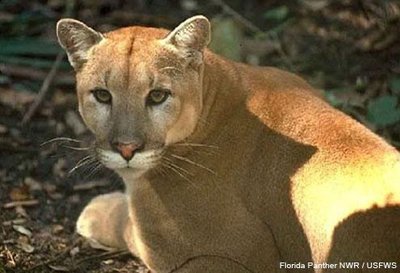
Example: The Florida panther population declined due to habitat fragmentation, leading to inbreeding and health defects. Introduction of new individuals increased genetic diversity and population health.
2. Invasive Species
Non-native species introduced to new environments can outcompete, prey on, or bring diseases to native species, often leading to declines or extinctions.
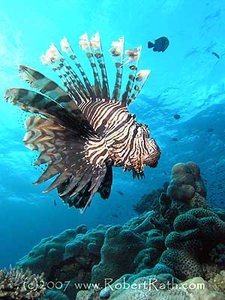
Example: Lionfish in the Caribbean and Burmese pythons in the Everglades have caused significant declines in native species.
3. Overexploitation
Overharvesting of species for food, medicine, or trade can drive populations to dangerously low levels, especially for K-selected species (those with low reproductive rates).
Example: Overfishing has reduced populations of large predatory fish by 90% since 2003.
4. Climate Change
Human activities have increased greenhouse gas concentrations, raising global temperatures and altering habitats. Effects include coral bleaching, range shifts, and phenological changes (timing of biological events).
Greenhouse Gases: CO2, CH4, N2O, CFCs
Coral Bleaching: Loss of symbiotic algae due to warming waters, leading to coral death.
Range Shifts: Species move to higher latitudes or elevations in response to warming.
5. Ocean Acidification
Increased CO2 dissolves in oceans, lowering pH and reducing calcification rates in marine organisms such as corals and shellfish.
Small Populations and Extinction Risk
Inbreeding: Mating among relatives increases the risk of genetic defects and lowers offspring survival.
Genetic Drift: Random changes in allele frequencies can reduce genetic diversity in small populations.
Minimum Viable Population (MVP): The smallest population size at which a species can sustain its numbers.
Effective Population Size: The number of individuals contributing genes to the next generation.
Conservation Strategies
Species Approach: Focuses on protecting individual species, often those that are endangered or keystone species.
Ecosystem Approach: Protects entire ecosystems and their processes, benefiting multiple species.
Biodiversity Hotspots: Regions with high levels of endemic species and significant habitat loss; priority areas for conservation.
Nature Reserves: Protected areas that conserve biodiversity; currently, less than 13% of land and less than 1% of oceans are protected.
Habitat Corridors: Strips of habitat connecting isolated reserves, allowing gene flow and movement of species.
Key Terms and Definitions
Term | Definition |
|---|---|
Biodiversity | Variety of life at genetic, species, and ecosystem levels |
Ecosystem Service | Benefit provided by ecosystems to humans (e.g., pollination, water purification) |
Habitat Fragmentation | Division of habitats into smaller, isolated patches |
Minimum Viable Population (MVP) | Smallest population size needed for species survival |
Effective Population Size | Number of individuals contributing genes to the next generation |
Biomagnification | Increase in concentration of toxins as they move up the food chain |
