 Back
BackBiological Chemistry: Elements, Bonds, and Macromolecules
Study Guide - Smart Notes
 Tailored notes based on your materials, expanded with key definitions, examples, and context.
Elements Essential for Life
Major Elements in Living Organisms
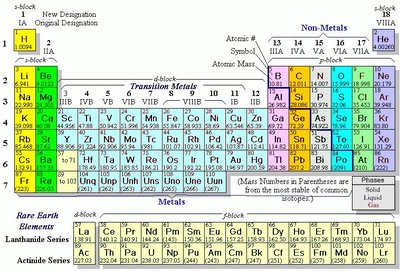
Living cells are composed primarily of a select group of elements, with hydrogen (H), carbon (C), nitrogen (N), oxygen (O), and phosphorus (P) being universally present in all life forms. These elements constitute about 99% of an organism’s weight and are fundamental to the structure of DNA and other macromolecules.
Hydrogen, Carbon, Nitrogen, Oxygen, Phosphorus: Key elements found in all living things.
Incomplete outer electron shells: These elements are reactive, meaning they can donate, accept, or share electrons to form ions and molecules.
Body mass composition: Oxygen is the most abundant element by mass in the human body.
Atomic Structure and Reactivity
Valence Electrons and Reactivity
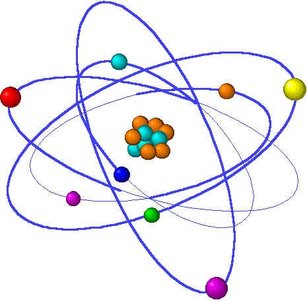
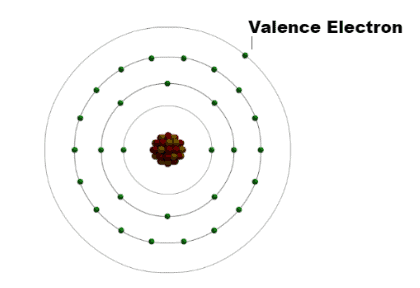
The reactivity of an element is determined by the electrons in its outermost shell, known as valence electrons. Atoms tend to react in ways that result in filled outer shells, either by gaining, losing, or sharing electrons.
Valence number: Corresponds to the group number on the periodic table (excluding transition metals).
Filled outer shell: Atoms strive for stability by achieving a full valence shell.
Electronegativity and Chemical Bonds
Electronegativity
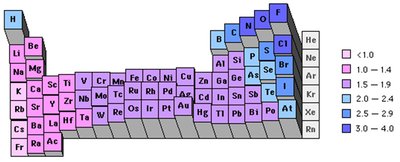
Electronegativity (EN) is the affinity of an atom for electrons. The greater the EN value, the stronger the atom’s pull on electrons. This property is crucial in determining the type of bond formed between atoms.
Electronegativity scale: Ranges from low (e.g., sodium) to high (e.g., fluorine).
Bond formation: EN differences drive the formation of polar and nonpolar covalent bonds.
Types of Chemical Bonds
Atoms form different types of bonds based on their electronegativity and electron configuration:
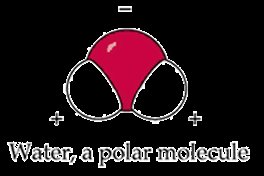
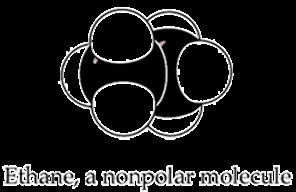
Covalent bonds: Electrons are shared between atoms. Can be polar (unequal sharing) or nonpolar (equal sharing).
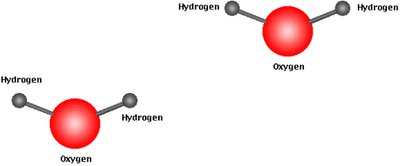
Polar covalent bonds: Result in molecules with positive and negative poles (e.g., water).
Nonpolar covalent bonds: No distinct poles; molecules are hydrophobic.
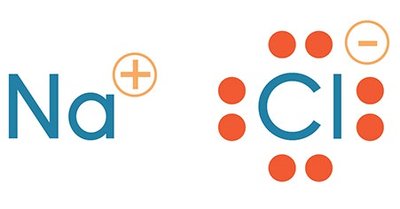
Ionic bonds: Formed through electrostatic attraction between oppositely charged ions (e.g., NaCl).
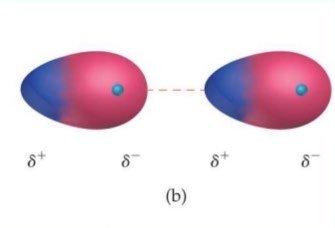
Hydrogen bonds: Weak electrostatic interactions between dipoles, often involving hydrogen bound to N, O, or F.
London dispersion forces: Weak, temporary attractive forces found in all molecules.
Organic Molecules and Carbon Chemistry
Properties of Carbon
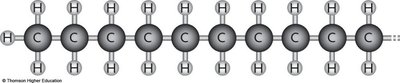
Carbon is the backbone of organic molecules due to its tetravalency, allowing it to form four covalent bonds. Its relatively neutral electronegativity and ability to form stable molecules lead to a vast diversity of organic compounds.
Tetravalent: Four valence electrons, capable of forming four bonds.
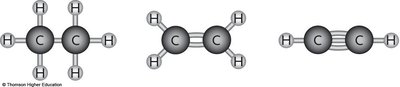
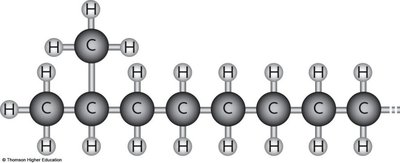
Bond types: Single, double, and triple bonds; straight chains, rings, and branched chains.
Functional Groups
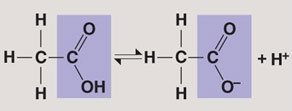
Functional groups are specific groups of atoms added to organic molecules, conferring distinct chemical properties. Common functional groups include carboxylic acids, hydroxyls, aldehydes, ketones, amines, and amides.
Carboxylic acid: Protonated, uncharged form.
Carboxylate ion: Deprotonated, charged form.
Macromolecules of the Cell
Classes of Organic Macromolecules
Cells contain four major classes of organic macromolecules: lipids, nucleic acids, carbohydrates, and proteins. Each class has unique monomer subunits and functions.
Lipids: Primarily hydrophobic, function in energy storage, membrane structure, and signal transduction.
Carbohydrates: Monosaccharides, disaccharides, and polysaccharides; main energy source and structural components.
Nucleic acids: Nucleotides; store and transmit genetic information.
Proteins: Amino acids; perform a wide range of cellular functions.
Polymerization and Breakdown
Macromolecules are synthesized and broken down by specific reactions:
Condensation (Dehydration) reaction: Joins monomers by removing water.
Hydrolysis reaction: Breaks polymers into monomers by adding water.
Carbohydrates: Structure and Function
Monosaccharides
Monosaccharides are simple sugars with a general formula of (CH2O)n. They can be classified as aldoses (containing an aldehyde group) or ketoses (containing a ketone group).
Glucose: 6-carbon aldose (aldohexose), main energy source.
Fructose: 6-carbon ketose (ketohexose), found in fruit.
Galactose: 6-carbon aldose, component of lactose.
Glyceraldehyde & Dihydroxyacetone: 3-carbon sugars (triose), metabolic intermediates.
Disaccharides and Glycosidic Bonds
Disaccharides are formed by joining two monosaccharides via a condensation reaction, resulting in a glycosidic bond (a type of covalent bond).
Maltose: Two glucose units, α1→4 linkage.
Sucrose: Glucose + fructose, α1→2 linkage.
Lactose: Galactose + glucose, β1→4 linkage.
Proteins: Structure and Levels of Organization
Primary Structure
The primary structure of a protein is its linear sequence of amino acids, genetically determined and linked by peptide bonds. The sequence has polar ends: N-terminus (amino end) and C-terminus (carboxyl end).
Secondary Structure
Secondary structure refers to localized folding or coiling of the polypeptide chain, stabilized by hydrogen bonds between NH and CO groups. Major types include α helix, β sheet, and random coils/loops.
Tertiary Structure
Tertiary structure is the final three-dimensional folding pattern of a polypeptide, stabilized by interactions between R groups, including covalent, hydrogen, ionic, hydrophobic, and van der Waals interactions.
Quaternary Structure
Quaternary structure involves the assembly of multiple polypeptide subunits into a functional protein, stabilized by the same forces as tertiary structure.
Bond Type | Strength | Example |
|---|---|---|
Covalent | Strong | Peptide bonds, disulfide bridges |
Hydrogen | Moderate | Secondary structure stabilization |
Ionic | Moderate | Salt bridges in proteins |
Hydrophobic | Weak | Core packing in proteins |
Van der Waals | Weakest | London dispersion forces |
Additional info: These notes expand on the original content by providing definitions, examples, and a comparison table of bond types relevant to biological macromolecules.
