Back

Comprehensive Biology Honors Final Exam Study Guide

Study Guide - Learn with Videos

Curated lessons matched to your uploaded material – learn every topic step by step.

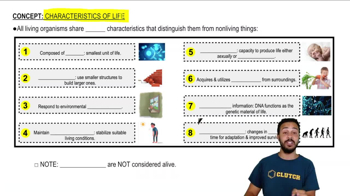
Characteristics of Life

  • Characteristics of Life
    09:26
  • Characteristics of Life Example 1
    02:59

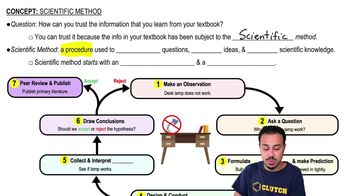
Scientific Method

  • Scientific Method Example 1
    01:35
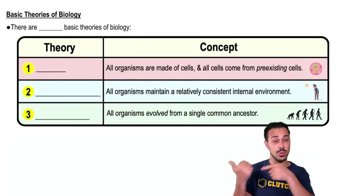
  • Basic Theories of Biology
    03:03
  • Scientific Method
    06:29

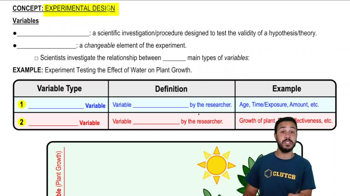
Experimental Design

  • Variables
    07:36
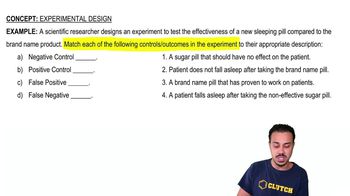
  • Experimental Design Example 1
    02:50
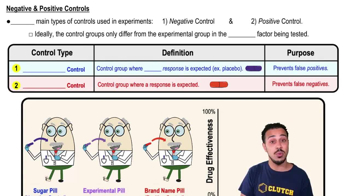
  • Negative & Positive Controls
    07:42

Properties of Water- Cohesion and Adhesion

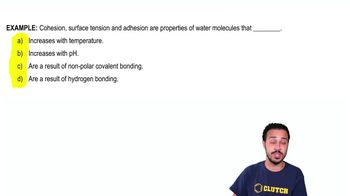
  • Properties of Water- Cohesion and Adhesion Example 1
    01:46
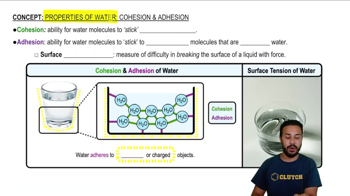
  • Properties of Water- Cohesion and Adhesion
    04:16

Introduction to Biomolecules

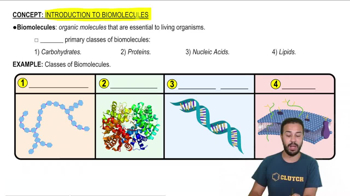
  • Introduction to Biomolecules
    01:17
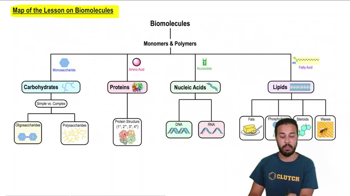
  • Map of the Lesson on Biomolecules
    01:29

Monomers & Polymers

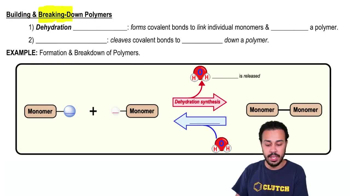
  • Building & Breaking-Down Polymers
    04:19
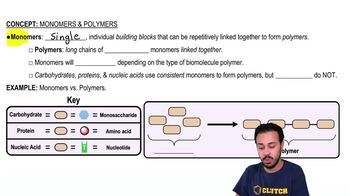
  • Monomers & Polymers
    03:42

Carbohydrates

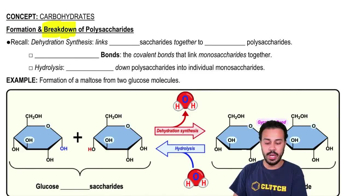
  • Formation & Breakdown of Polysaccharides
    03:08
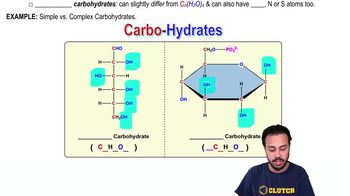
  • Carbohydrates
    04:53
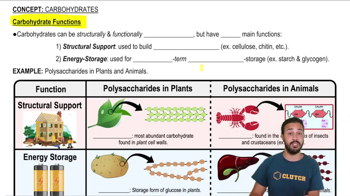
  • Carbohydrate Functions
    05:08

Lipids

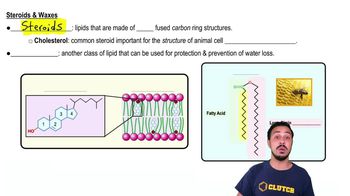
  • Steroids & Waxes
    03:30
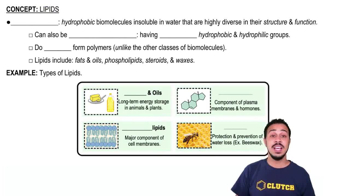
  • Lipids
    04:19
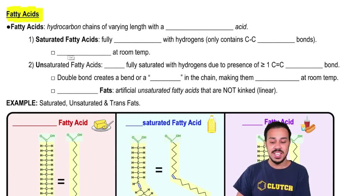
  • Fatty Acids
    06:59

Proteins

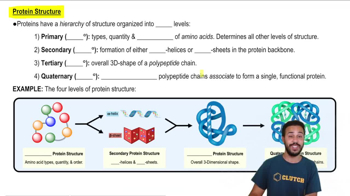
  • Protein Structure
    08:02
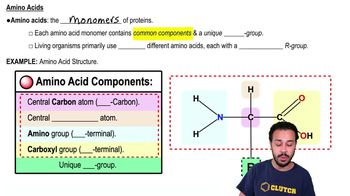
  • Amino Acids
    04:37
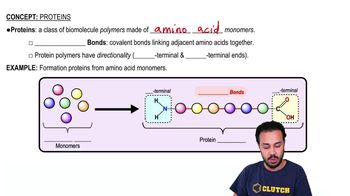
  • Proteins
    02:50

Enzymes

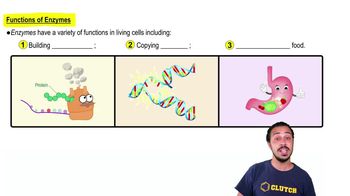
  • Functions of Enzymes
    02:32
  • Enzymes Example 1
    02:25
  • Enzymes
    02:55

Prokaryotic & Eukaryotic Cells

  • Recap: Prokaryotic vs. Eukaryotic Cells
    04:26
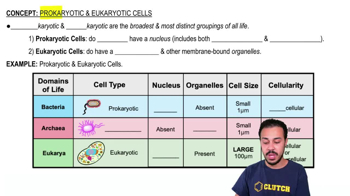
  • Prokaryotic & Eukaryotic Cells
    05:54
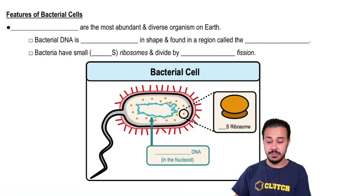
  • Features of Bacterial Cells
    03:54

Introduction to Eukaryotic Organelles

  • Introduction to Eukaryotic Organelles
    03:45
  • Ribosomes
    06:51
  • Map of the Lesson on Eukaryotic Organelles
    02:43

Biological Membranes

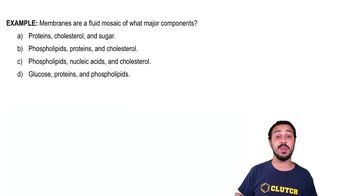
  • Biological Membranes Example 1
    02:21
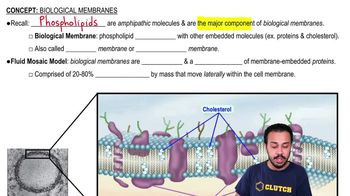
  • Biological Membranes
    06:04

Types of Membrane Proteins

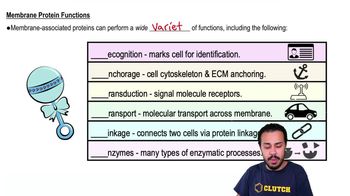
  • Membrane Protein Functions
    03:54
  • Types of Membrane Proteins
    02:35

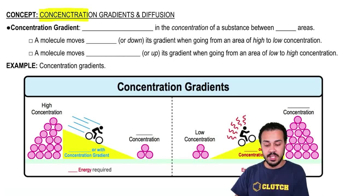
Concentration Gradients and Diffusion

  • Diffusion
    02:44
  • Concentration Gradients and Diffusion
    04:51

Introduction to Membrane Transport

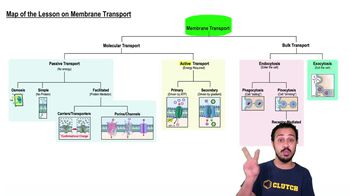
  • Map of the Lesson on Membrane Transport
    02:33
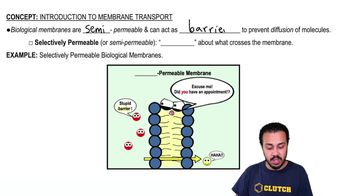
  • Introduction to Membrane Transport
    02:47
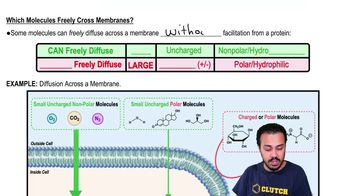
  • Which Molecules Freely Cross Membranes?
    07:10

Passive vs. Active Transport

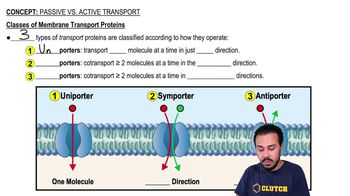
  • Classes of Membrane Transport Proteins
    03:28
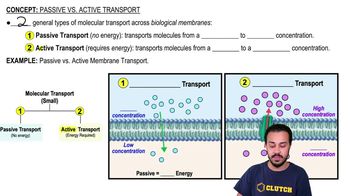
  • Passive vs. Active Transport
    04:18

Osmosis

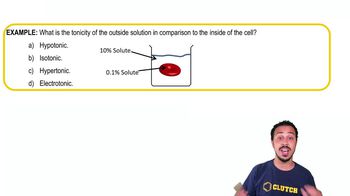
  • Osmosis Example 1
    02:18
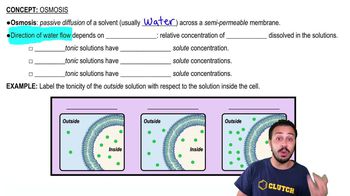
  • Osmosis
    05:59
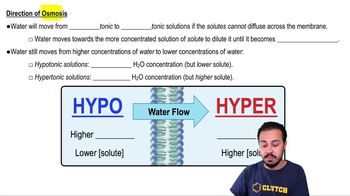
  • Direction of Osmosis
    06:48

Simple and Facilitated Diffusion

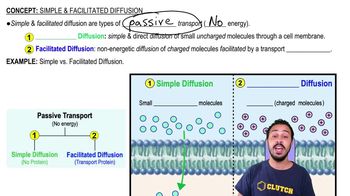
  • Simple and Facilitated Diffusion
    05:10
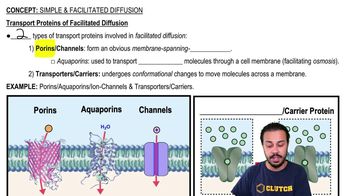
  • Transport Proteins of Facilitated Diffusion
    04:49

Active Transport

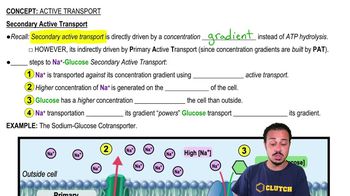
  • Secondary Active Transport
    07:06
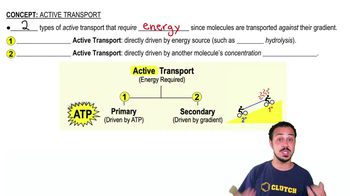
  • Active Transport
    02:37
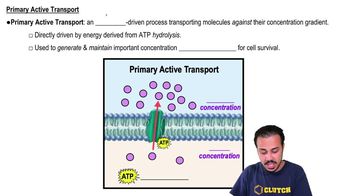
  • Primary Active Transport
    02:53

Introduction to Energy

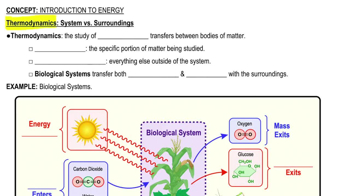
  • Thermodynamics: System vs. Surroundings
    04:21
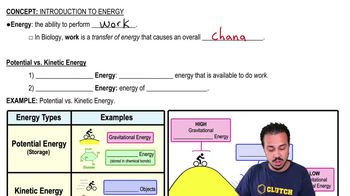
  • Introduction to Energy
    04:58

ATP

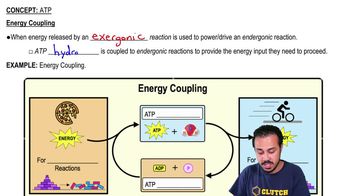
  • Energy Coupling
    04:57
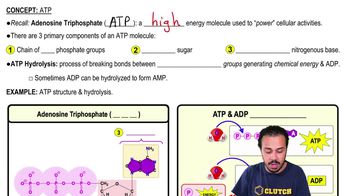
  • ATP
    06:43
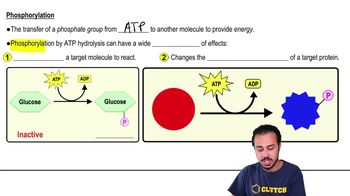
  • Phosphorylation
    03:

Introduction to Aerobic Cellular Respiration

  • Introduction to Cellular Respiration Example 2
    01:53
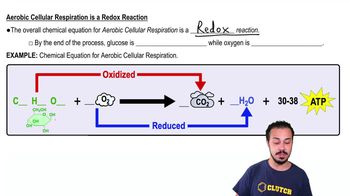
  • Aerobic Cellular Respiration is a Redox Reaction
    04:18
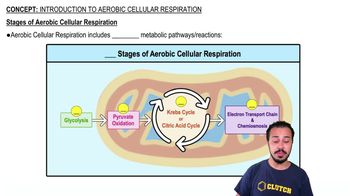
  • Stages of Aerobic Cellular Respiration
    02:31

Glycolysis

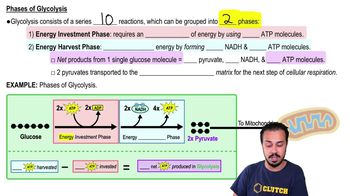
  • Phases of Glycolysis
    06:20
  • Glycolysis Example 1
    01:29
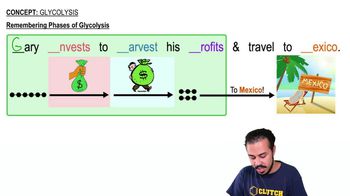
  • Remembering Phases of Glycolysis
    02:49

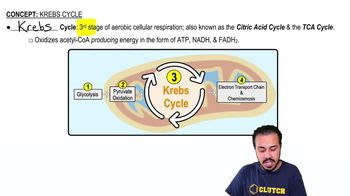
Krebs Cycle

  • Krebs Cycle Example 1
    01:20
  • Krebs Cycle
    01:37
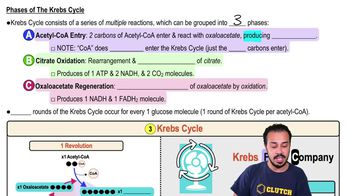
  • Phases of The Krebs Cycle
    09:54

Electron Transport Chain

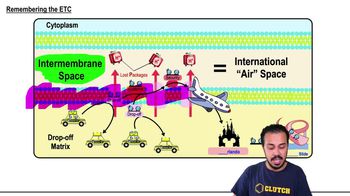
  • Remembering the ETC
    04:43
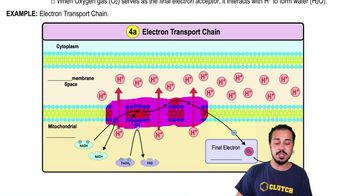
  • Electron Transport Chain
    07:41

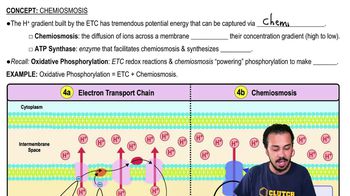
Chemiosmosis

  • Chemiosmosis
    05:01

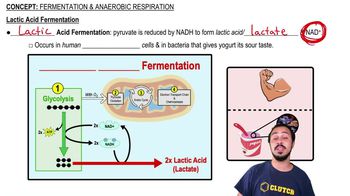
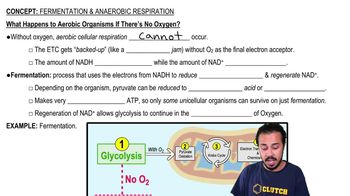
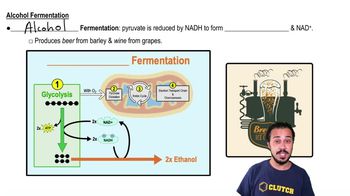
Fermentation & Anaerobic Respiration

  • Lactic Acid Fermentation
    03:34
  • What Happens to Aerobic Organisms if There's No Oxygen?
    07:51
  • Alcohol Fermentation
    02:02

Introduction to Photosynthesis

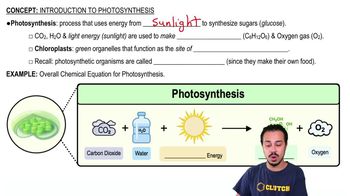
  • Introduction to Photosynthesis
    03:32
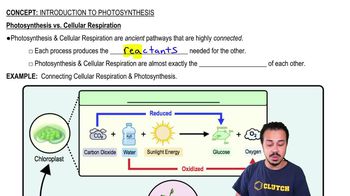
  • Photosynthesis vs. Cellular Respiration
    07:55
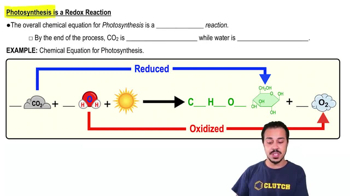
  • Photosynthesis is a Redox Reaction
    03:20

Leaf & Chloroplast Anatomy

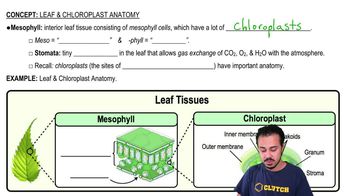
  • Leaf & Chloroplast Anatomy
    08:18

Pigments of Photosynthesis

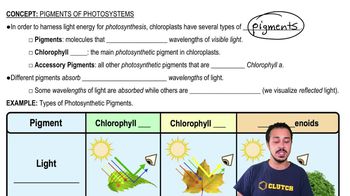
  • Pigments of Photosynthesis
    05:58
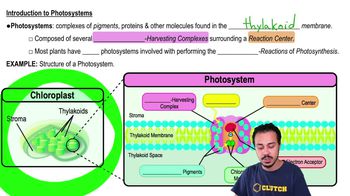
  • Introduction to Photosystems
    04:59
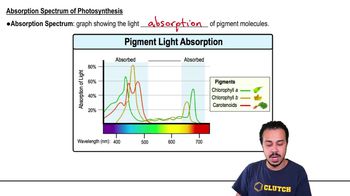
  • Absorption Spectrum of Photosynthesis
    02:52

Stages of Photosynthesis

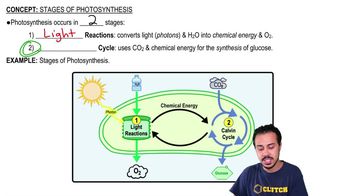
  • Stages of Photosynthesis
    03:16
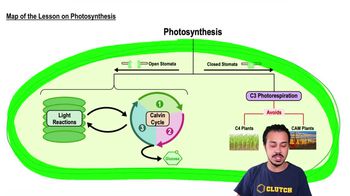
  • Map of the Lesson on Photosynthesis
    02:41

Light Reactions of Photosynthesis

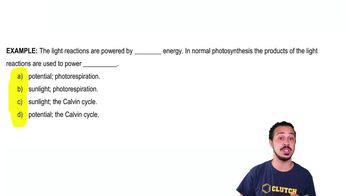
  • Light Reactions of Photosynthesis Example 1
    01:48
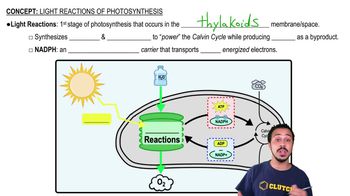
  • Light Reactions of Photosynthesis
    04:06
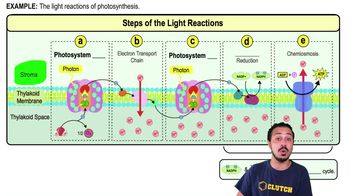
  • Steps of the Light Reactions
    15:15

Calvin Cycle

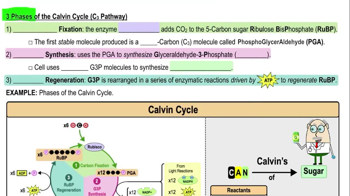
  • 3 Phases of the Calvin Cycle (C3 Pathway)
    10:58
  • Calvin Cycle
    03:42

Introduction to Cell Division

  • Asexual vs. Sexual Reproduction
    04:45
  • Introduction to Cell Division
    09:40
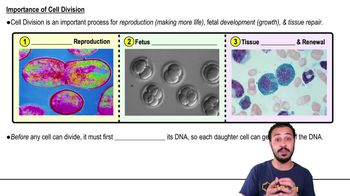
  • Importance of Cell Division
    03:19

Introduction to the Cell Cycle

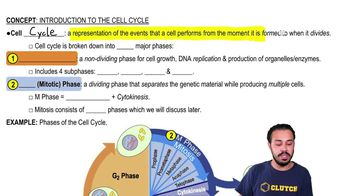
  • Introduction to the Cell Cycle
    04:46

Interphase

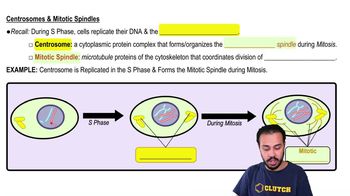
  • Centrosomes & Mitotic Spindles
    04:02
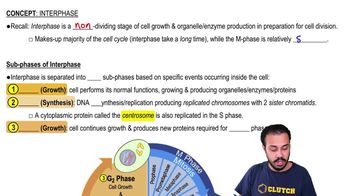
  • Interphase
    08:05

Phases of Mitosis

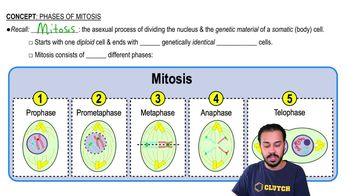
  • Phases of Mitosis
    03:21
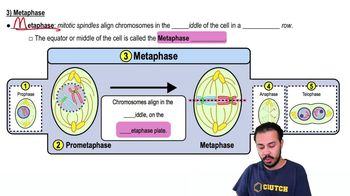
  • Metaphase
    01:58
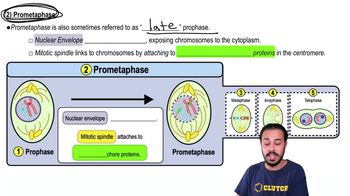
  • Prometaphase
    03:20

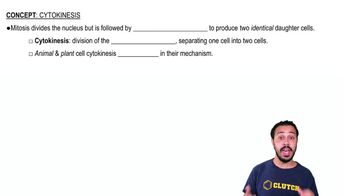
Cytokinesis

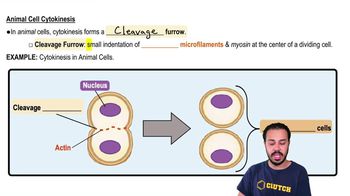
  • Animal Cell Cytokinesis
    02:56
  • Cytokinesis
    01:25
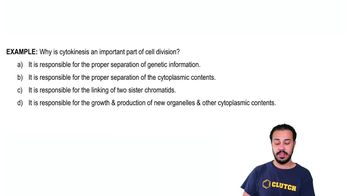
  • Cytokinesis Example 1
    01:59

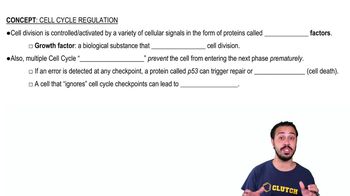
Cell Cycle Regulation

  • Cell Cycle Regulation
    03:31
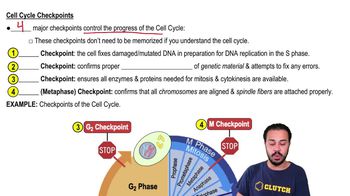
  • Cell Cycle Checkpoints
    06:32

Genes & Alleles

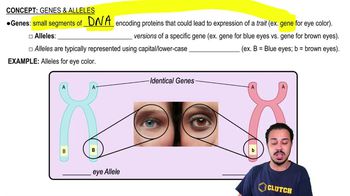
  • Genes & Alleles Example 1
    02:09
  • Genes & Alleles
    05:02
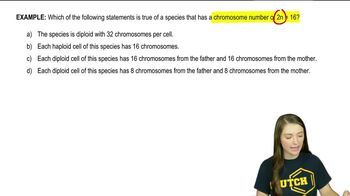
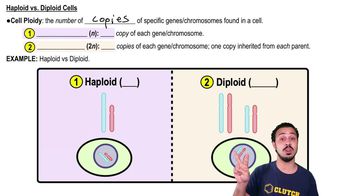
  • Haploid vs. Diploid Cells
    04:14

Homologous Chromosomes

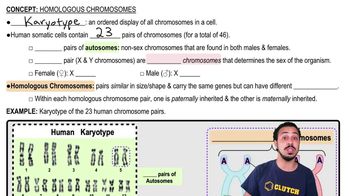
  • Homologous Chromosomes
    08:09

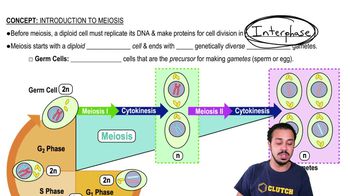
Introduction to Meiosis

  • Introduction to Meiosis Example 1
    01:43
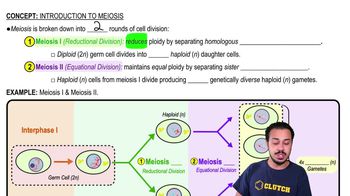
  • Meiosis I & Meiosis II
    04:49
  • Introduction to Meiosis
    04:33

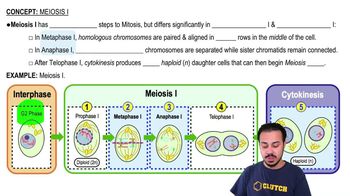
Meiosis I

  • Meiosis I
    07:55

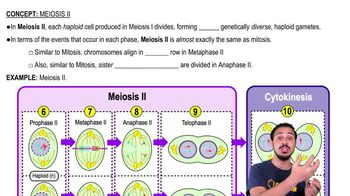
Meiosis II

  • Meiosis II
    06:17

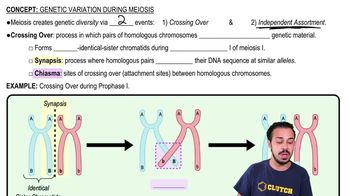
Genetic Variation During Meiosis

  • Genetic Variation During Meiosis
    07:08
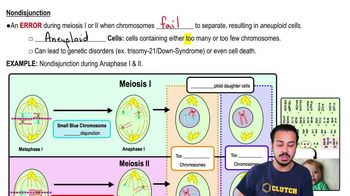
  • Nondisjunction
    05:03
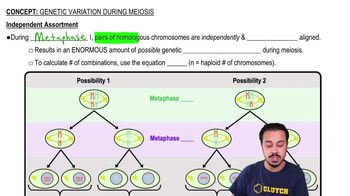
  • Independent Assortment
    08:49

Mitosis & Meiosis Review

  • Mitosis & Meiosis Review Example 1
    01:27

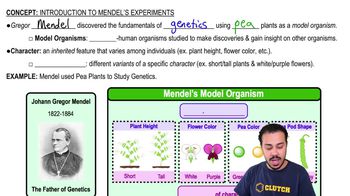
Introduction to Mendel's Experiments

  • Why Pea Plants?
    01:58
  • Introduction to Mendel's Experiments
    03:50

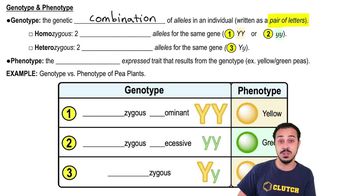
Genotype vs. Phenotype

  • Genotype & Phenotype
    06:36
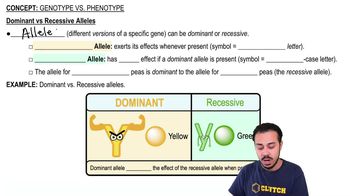
  • Dominant vs. Recessive Alleles
    03:39

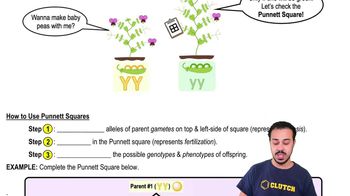
Punnett Squares

  • How to Use Punnett Squares
    07:05
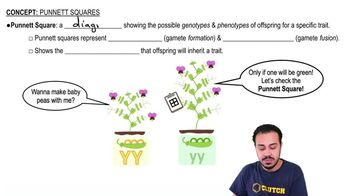
  • Punnett Squares
    01:37

Mendel's Experiments

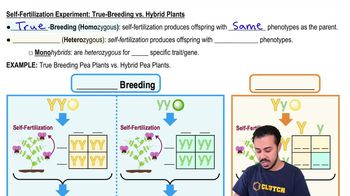
  • Self-Fertilization Experiment: True-Breeding vs. Hybrid Plants
    05:48
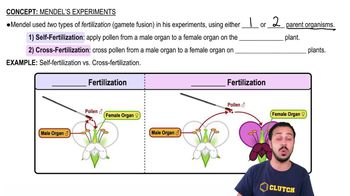
  • Mendel's Experiments
    03:02
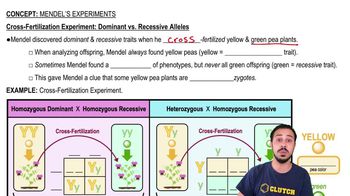
  • Cross-Fertilization Experiment: Dominant vs. Recessive Alleles
    05:04

Mendel's Laws

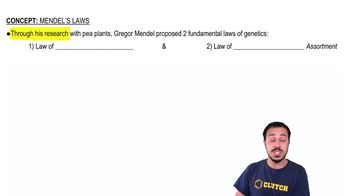
  • Mendel's Laws
    01:16
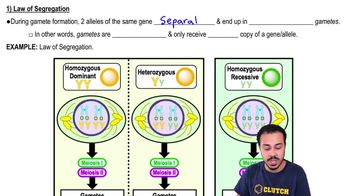
  • Law of Segregation
    03:24
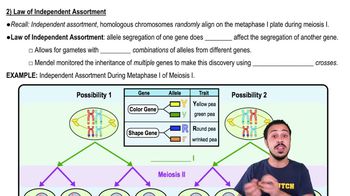
  • Law of Independent Assortment
    06:44

Monohybrid Crosses

  • Monohybrid Crosses Example 1
    03:12
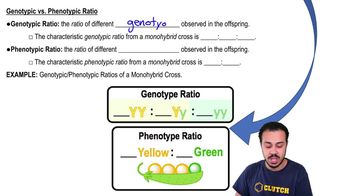
  • Genotypic vs. Phenotypic Ratio
    02:48
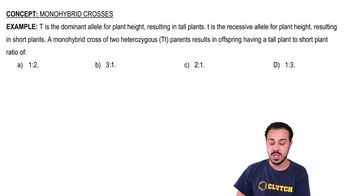
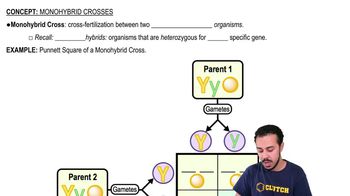
  • Monohybrid Crosses
    02:05

Test Crosses

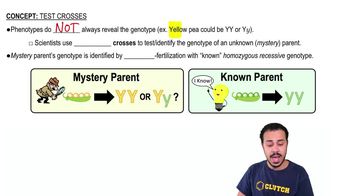
  • Test Crosses
    03:02
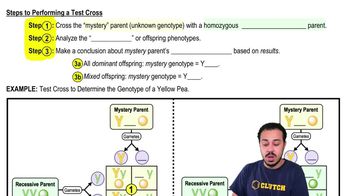
  • Steps to Performing a Test Cross
    05:05

Dihybrid Crosses

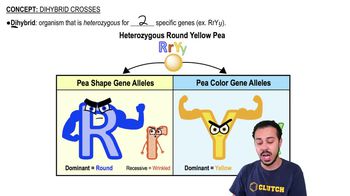
  • Dihybrid Crosses
    02:37
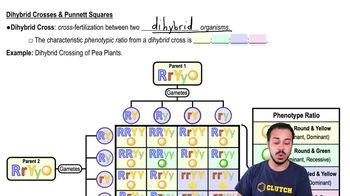
  • Dihybrid Crosses & Punnett Squares
    03:34

Incomplete Dominance vs. Codominance

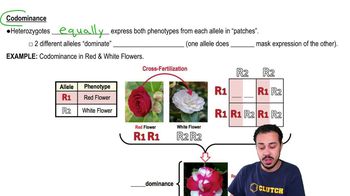
  • Codominance
    02:59
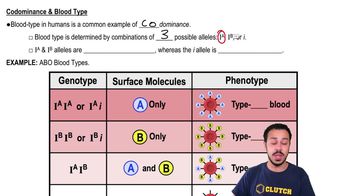
  • Codominance & Blood Type
    05:15
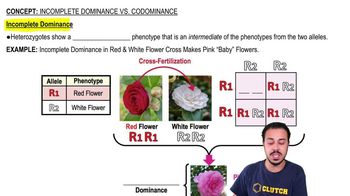
  • Incomplete Dominance
    03:09

Pedigrees

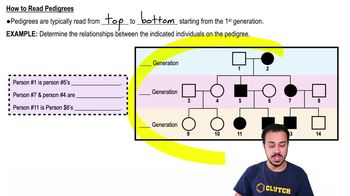
  • How to Read Pedigrees
    03:21
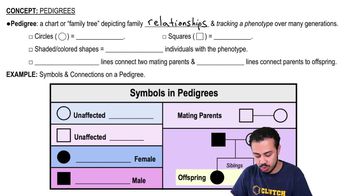
  • Pedigrees
    02:36

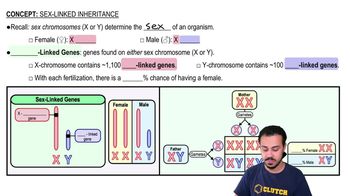
Sex-Linked Inheritance

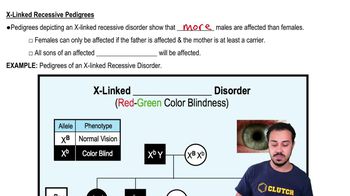
  • X-Linked Recessive Pedigrees
    03:42
  • Sex-Linked Inheritance
    04:17
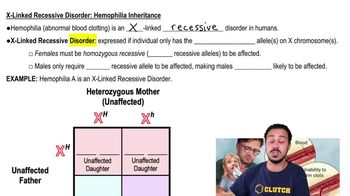
  • X-Linked Recessive Disorder: Hemophilia Inheritance
    04:37

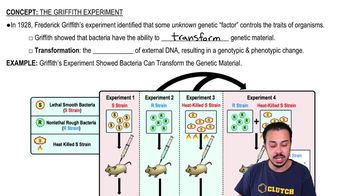
The Griffith Experiment

  • The Griffith Experiment
    08:56

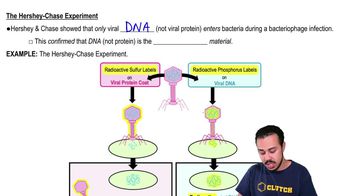
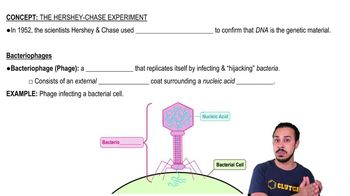
The Hershey-Chase Experiment

  • The Hershey-Chase Experiment
    03:59
  • Bacteriophages
    03:44

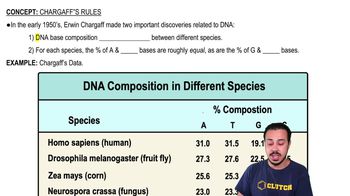
Chargaff's Rules

  • Chargaff's Rules
    04:33

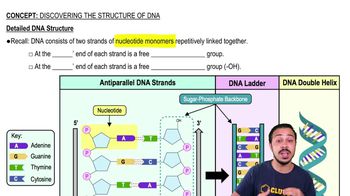
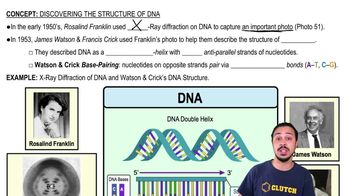
Discovering the Structure of DNA

  • Detailed DNA Structure
    06:24
  • Discovering the Structure of DNA
    04:41

Meselson-Stahl Experiment

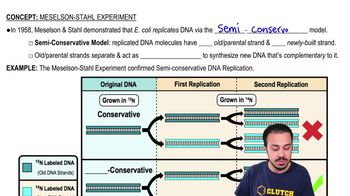
  • Meselson-Stahl Experiment
    09:03

Introduction to DNA Replication

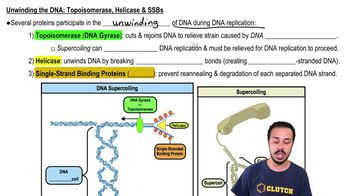
  • Unwinding the DNA: Topoisomerase, Helicase & SSBs
    05:10
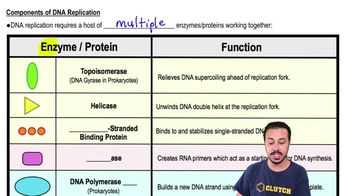
  • Components of DNA Replication
    04:47
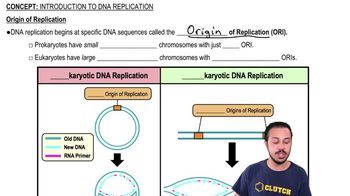
  • Origin of Replication
    03:33

DNA Polymerases

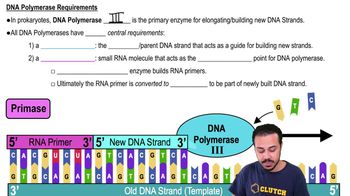
  • DNA Polymerase Requirements
    05:03
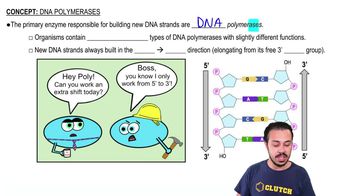
  • DNA Polymerases
    04:01

Leading & Lagging DNA Strands

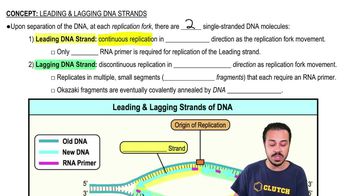
  • Leading & Lagging DNA Strands
    05:15

Steps of DNA Replication

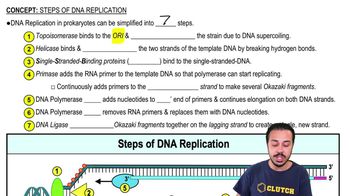
  • Steps of DNA Replication
    09:29

Central Dogma

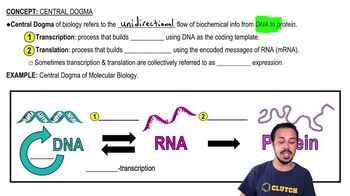
  • Central Dogma
    05:45

Introduction to Transcription

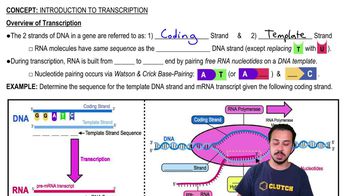
  • Overview of Transcription
    07:44
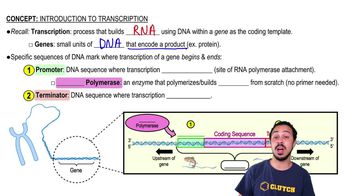
  • Introduction to Transcription
    05:51

Steps of Transcription

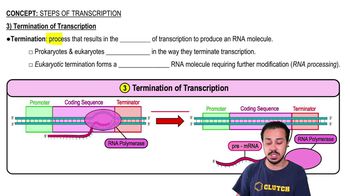
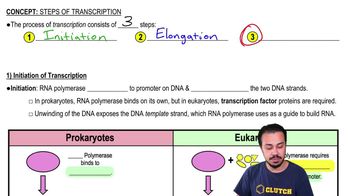
  • 3) Termination of Transcription
    02:44
  • 1) Initiation of Transcription
    04:16
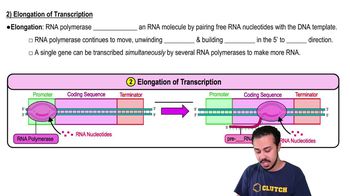
  • 2) Elongation of Transcription
    04:01

Eukaryotic RNA Processing and Splicing

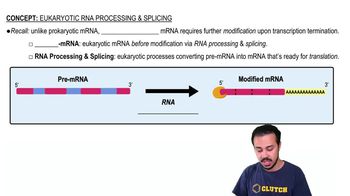
  • Eukaryotic RNA Processing and Splicing
    02:32
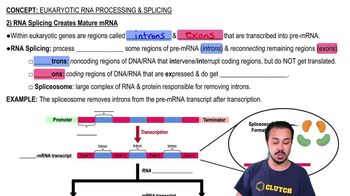
  • 2) RNA Splicing Creates Mature mRNA
    08:44
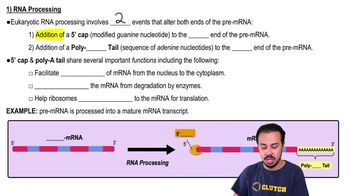
  • 1) RNA Processing
    04:19

Introduction to Types of RNA

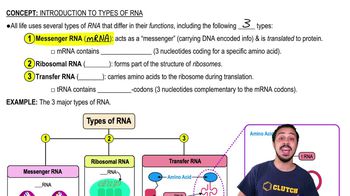
  • Introduction to Types of RNA
    07:20

Genetic Code

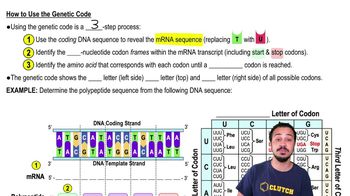
  • How to Use the Genetic Code
    11:39
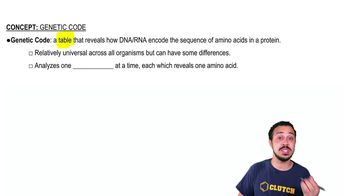
  • Genetic Code
    01:28

Introduction to Translation

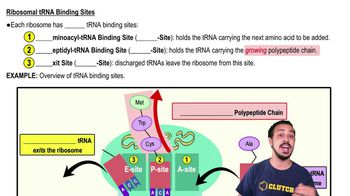
  • Ribosomal tRNA Binding Sites
    06:16
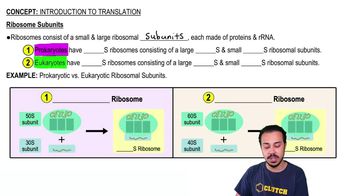
  • Ribosome Subunits
    08:42
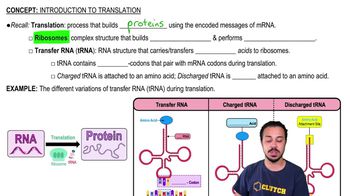
  • Introduction to Translation
    06:12

Steps of Translation

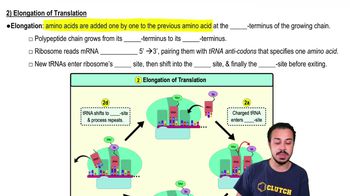
  • 2) Elongation of Translation
    04:59
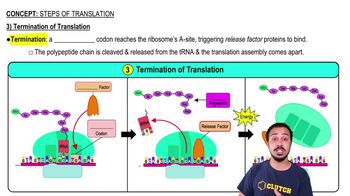
  • 3) Termination of Translation
    02:16
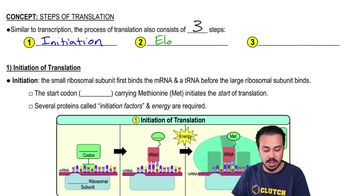
  • 1) Initiation of Translation
    05:03

Mutations

  • Mutations
    02:29
  • Types of Mutations
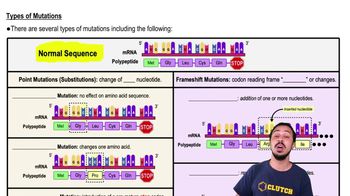
    08:44

Introduction to Regulation of Gene Expression

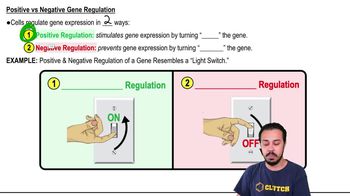
  • Positive vs Negative Gene Regulation
    02:17
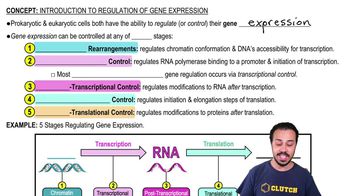
  • Introduction to Regulation of Gene Expression
    06:40

Prokaryotic Gene Regulation via Operons

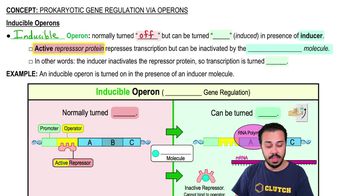
  • Inducible Operons
    04:25
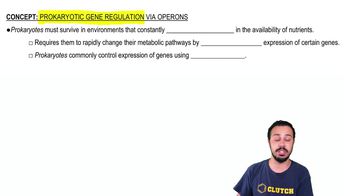
  • Prokaryotic Gene Regulation via Operons
    00:53
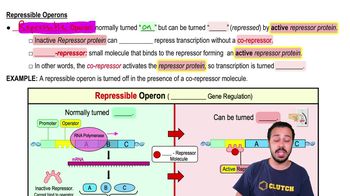
  • Repressible Operons
    03:42

The Lac Operon

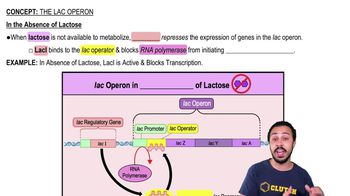
  • In the Absence of Lactose
    04:34
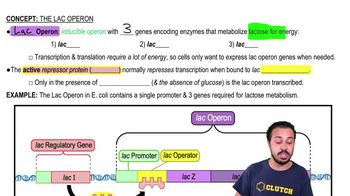
  • The Lac Operon
    07:06
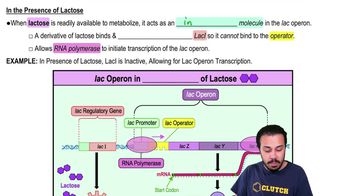
  • In the Presence of Lactose
    03:56

The Trp Operon

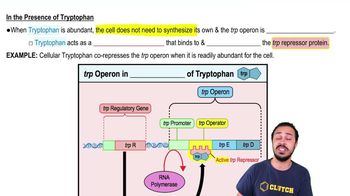
  • In the Presence of Tryptophan
    03:11
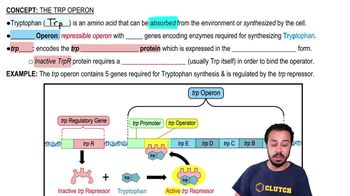
  • The Trp Operon
    05:30
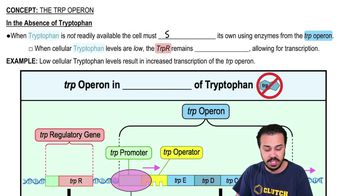
  • In the Absence of Tryptophan
    03:42

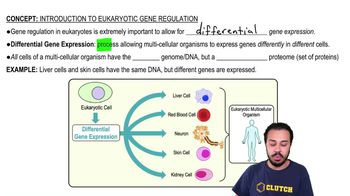
Introduction to Eukaryotic Gene Regulation

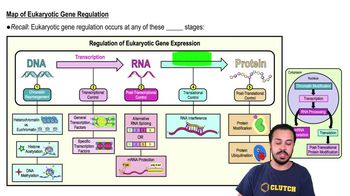
  • Map of Eukaryotic Gene Regulation
    04:22
  • Introduction to Eukaryotic Gene Regulation
    03:47

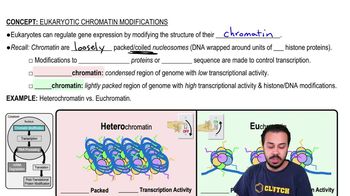
Eukaryotic Chromatin Modifications

  • Eukaryotic Chromatin Modifications
    03:55
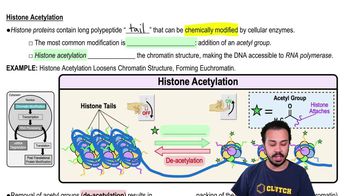
  • Histone Acetylation
    04:14
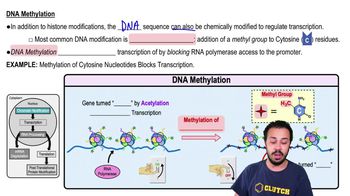
  • DNA Methylation
    03:39

Eukaryotic Transcriptional Control

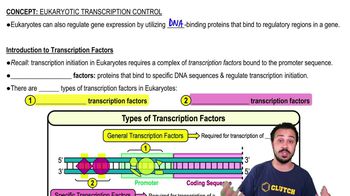
  • Introduction to Transcription Factors
    03:32
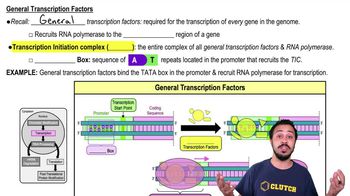
  • General Transcription Factors
    03:51
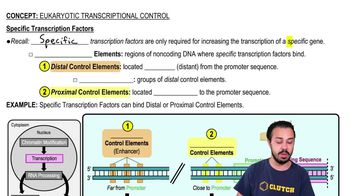
  • Specific Transcription Factors
    03:57

Eukaryotic Post-Transcriptional Regulation

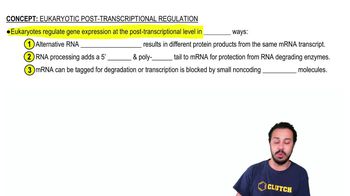
  • Eukaryotic Post-Transcriptional Regulation
    01:56
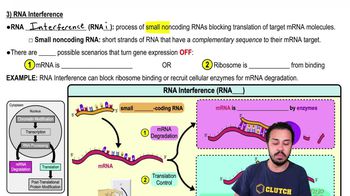
  • 3) RNA Interference
    04:16
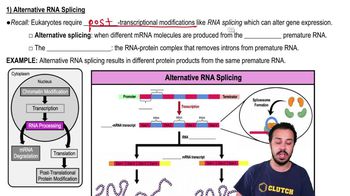
  • 1) Alternative RNA Splicing
    05:17

Eukaryotic Post-Translational Regulation

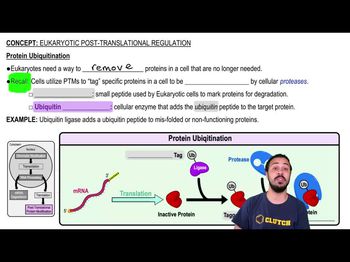
  • Protein Ubiquitination
    02:45
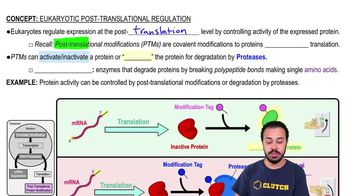
  • Eukaryotic Post-Translational Regulation
    03:55

Introduction to DNA-Based Technology

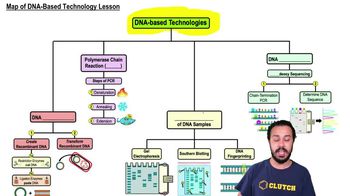
  • Map of DNA-Based Technology Lesson
    03:12
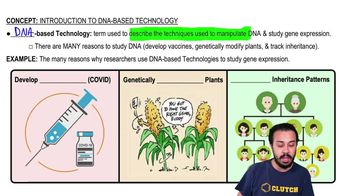
  • Introduction to DNA-Based Technology
    02:30

Gel Electrophoresis

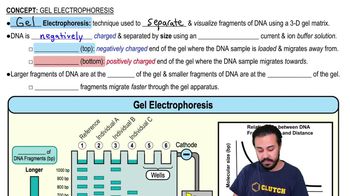
  • Gel Electrophoresis
    07:58
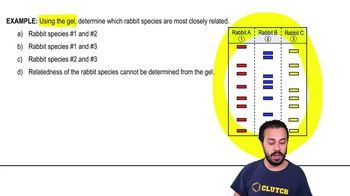
  • Gel Electrophoresis Example 1
    02:34

Introduction to Evolution and Natural Selection

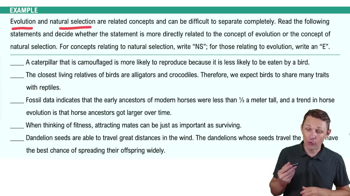
  • Introduction to Evolution and Natual Selection Example 1
    03:22
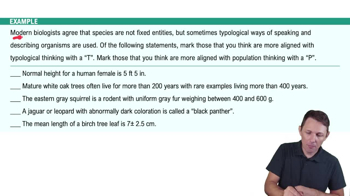
  • Introduction to Evolution and Natual Selection Example 2
    04:28
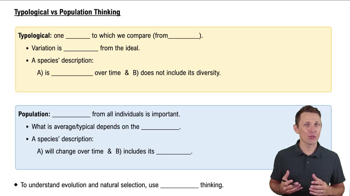
  • Typological vs. Population Thinking
    03:56

Natural Selection

  • Natural Selection Example 2
    05:11
  • Natural Selection: Observations and Inferences
    04:12
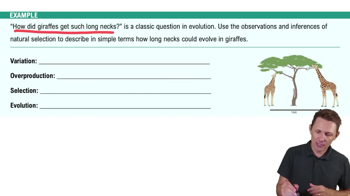
  • Natural Selection Example 1
    02:19

Evidence of Evolution

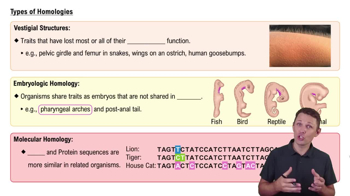
  • Types of Homologies
    04:46
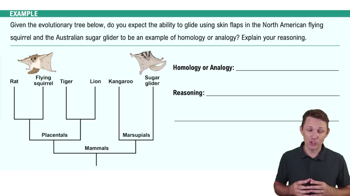
  • Evidence of Evolution Example 1
    02:27
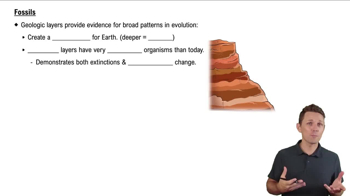
  • Fossils
    06:11

Evolution of Populations

  • Evolution of Populations Example 1
    03:33
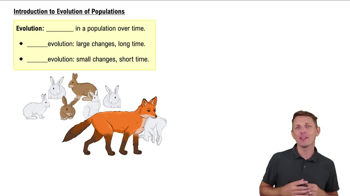
  • Introduction to Evolution of Populations
    05:14

Genetic Variation

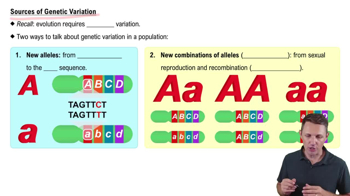
  • Sources of Genetic Variation
    02:16
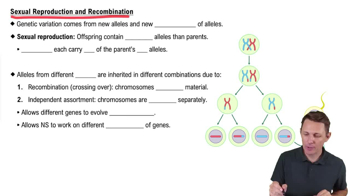
  • Sexual Reproduction and Recombination
    05:08
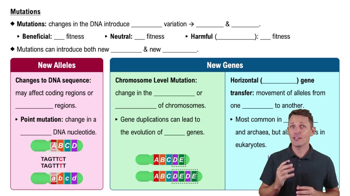
  • Mutations
    06:42

Genetics and Allele Frequencies

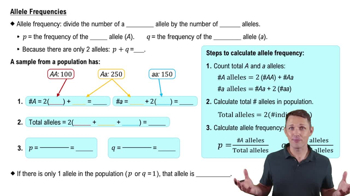
  • Allele Frequencies
    06:36
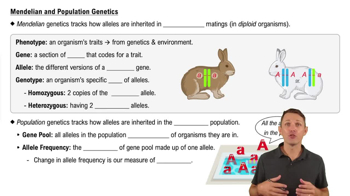
  • Mendelian and Population Genetics
    04:26
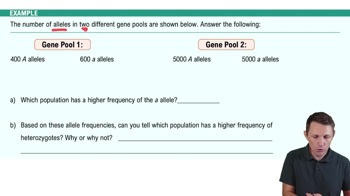
  • Genetics and Allele Frequencies Example 1
    02:56
The Hardy-Weinberg Principle

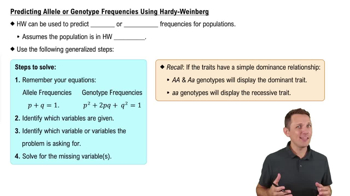
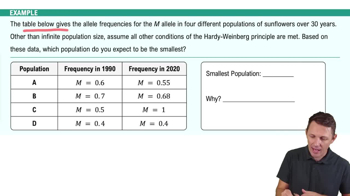
  • Predicting Allele or Genotype Frequencies Using Hardy-Weinberg
    03:31
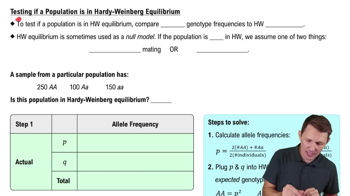
  • Testing if a Population is in Hardy-Weinberg Equilibrium
    08:26
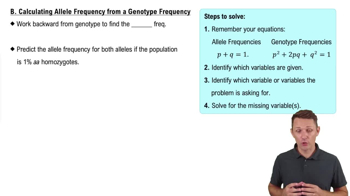
  • B. Calculating Allele Frequency from a Genotype Frequency
    03:20

Natural Selection

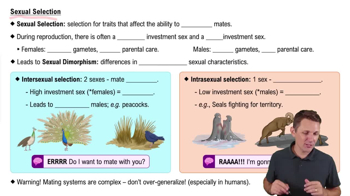
  • Sexual Selection
    06:17
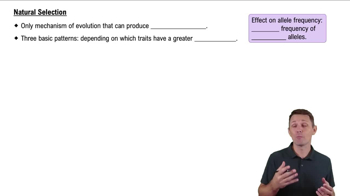
  • Natural Selection
    04:43
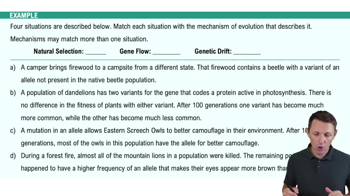
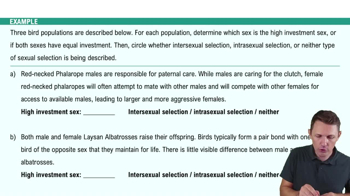
  • Natural Selection Example 3
    04:18

Genetic Drift

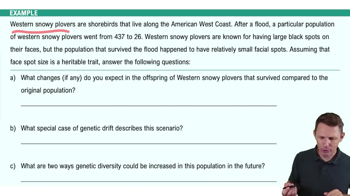
  • Genetic Drift Example 1
    02:00
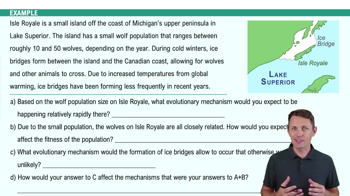
  • Genetic Drift Example 2
    02:37
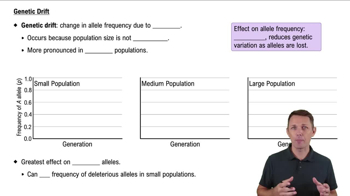
  • Genetic Drift
    05:06
Gene Flow

  • Gene Flow Example 1
    04:34
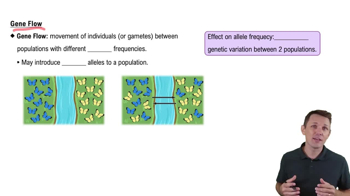
  • Gene Flow
    01:43

Introduction to Phylogeny

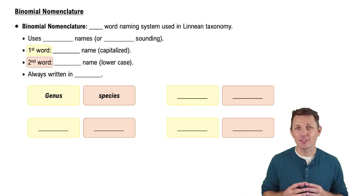
  • Binomial Nomenclature
    02:32
  • Systematics
    06:57
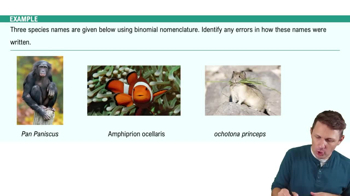
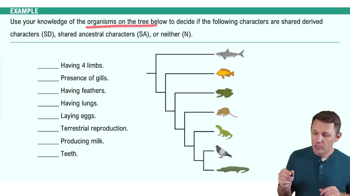
  • Introduction to Phylogeny Example 1
    01:31

Phylogeny

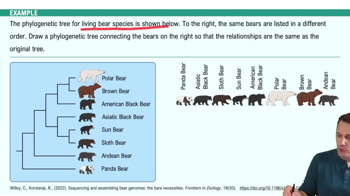
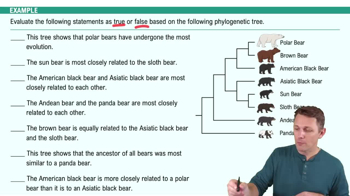
  • Phylogeny Example 3
    04:12
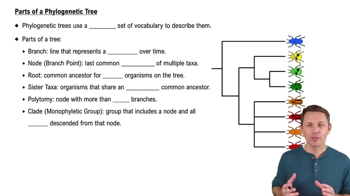
  • Parts of a Phylogenetic Tree
    05:16
  • Phylogeny Example 1
    06:11

Building Phylogenetic Trees

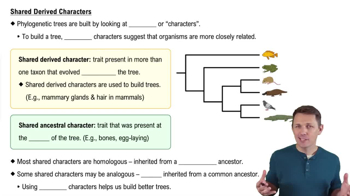
  • Shared Derived Characters
    05:42
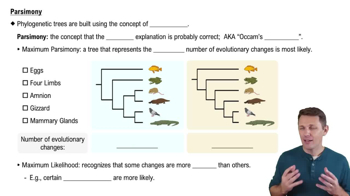
  • Parsimony
    06:46
  • Building Phylogenetic Trees Example 1
    04:35

Cladistics

  • Cladistics Example 1
    03:52
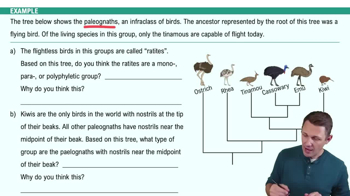
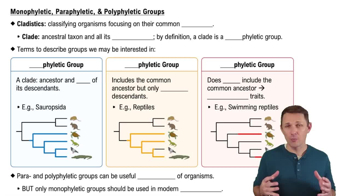
  • Monophyletic, Paraphyletic, & Polyphyletic Group
    06:37

Introduction to Prokaryotes

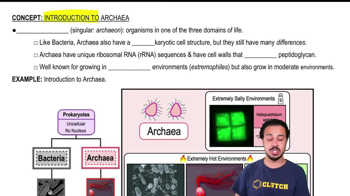
  • Introduction to Archaea
    04:39
  • Prokaryotic & Eukaryotic Cells
    05:54
  • Features of Bacterial Cells
    03:54

Prokaryotic Cell Structure

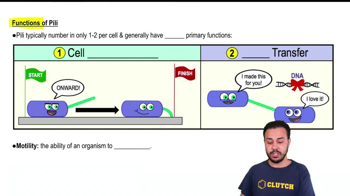
  • Functions of Pili
    01:46
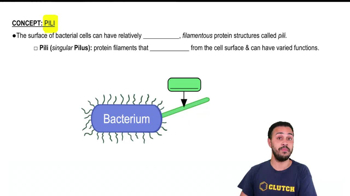
  • Pili
    01:02
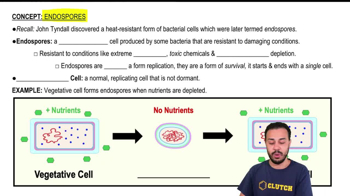
  • Endospores
    05:35

Prokaryotic Reproduction

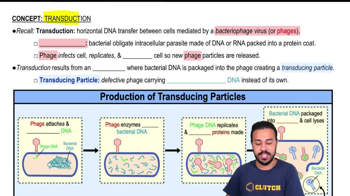
  • Transduction
    06:49
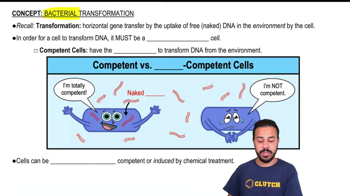
  • Bacterial Transformation
    03:06
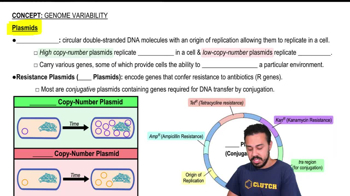
  • Plasmids
    04:44

Prokaryotic Diversity

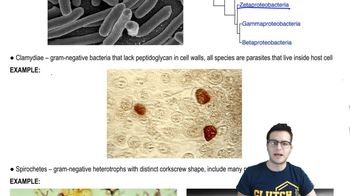
  • Prokaryote Lineages 1
    03:51
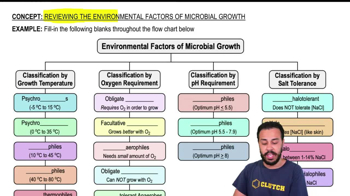
  • Reviewing the Environmental Factors of Microbial Growth
    07:21
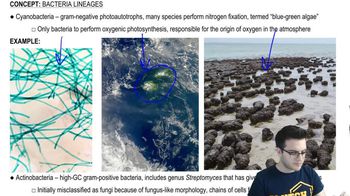
  • Prokaryote Lineages 2
    05:13

Introduction to Protists

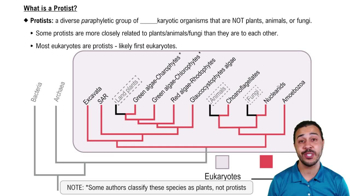
  • What is a Protist?
    03:23
  • Introduction to Protists Example 1
    02:30
  • Introduction to Protists Example 2
    01:39

Land Plants

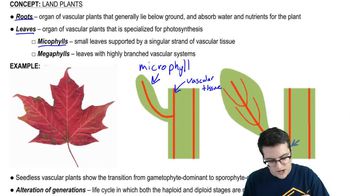
  • Land Plants - 4
    06:17
  • Land Plants - 2
    12:57
  • Land Plants - 3
    03:36

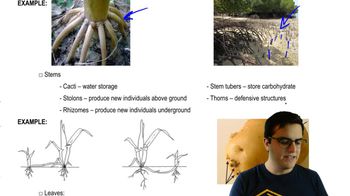
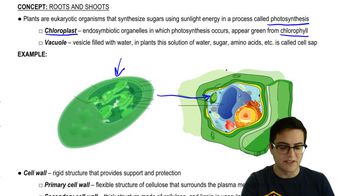
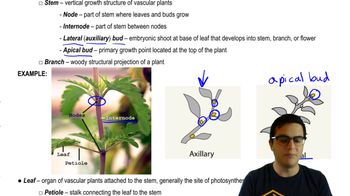
Roots and Shoots

  • Phenotypic Plasticity
    06:58
  • Plant Cells Review
    05:29
  • Shoots and Leaves
    05:46

Tissues

  • Epidermal and Ground Tissue
    05:39
  • Ground Tissue Cells
    04:03
  • Vascular Tissue
    06:58

Flowers

  • Flower Anatomy
    04:08
  • Alteration of Generations
    05:18
  • Double Fertilization
    07:44

Seeds

  • Germination
    05:30
  • Embryogenesis
    04:58
  • Fruit
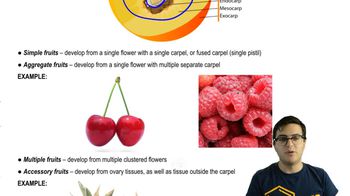
    03:49

Water Potential

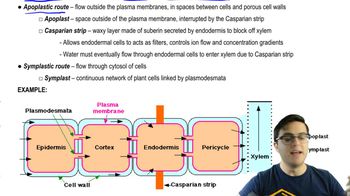
  • How Water Enters Xylem
    07:59
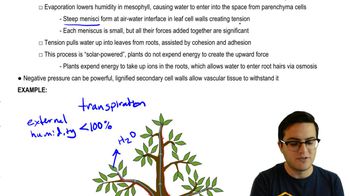
  • Cohesion-Tension Theory
    05:59
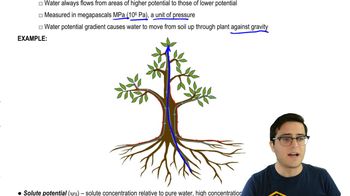
  • Water Potential
    11:32

Phototropism

  • Photomorphogenesis
    12:53
  • Auxin
    10:46
  • Signal Transduction and Response
    06:56

Tropisms and Hormones

  • Thigmotropism and Cytokinins
    05:19
  • Plant Hormones and Senescence
    08:18
  • Gravitropism
    05:39

Introduction to Ecology

  • Levels of Ecological Study
    05:01
  • Introduction to Ecology Example 1
    02:31
  • Environment vs. Habitat vs. Niche
    01:57

Animal Behavior

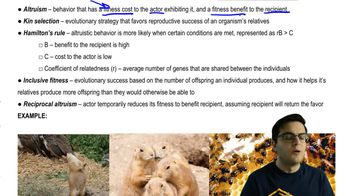
  • Migration and Altruism
    07:15
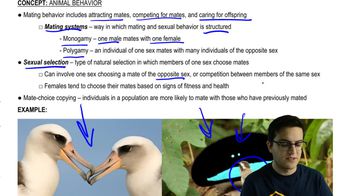
  • Mating and Parental Care
    03:59
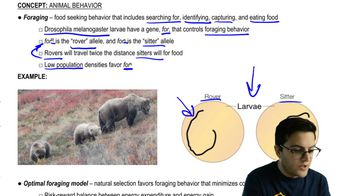
  • Foraging
    04:50

Introduction to Population Ecology

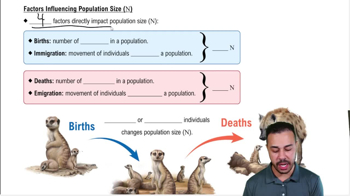
  • Factors Affecting Population Size (N)
    01:48
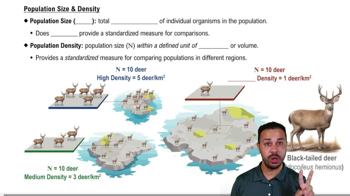
  • Population Size & Density
    01:52
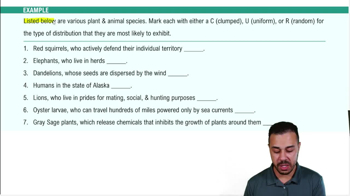
  • Introduction to Population Ecology Example 3
    01:51

Population Sampling Methods

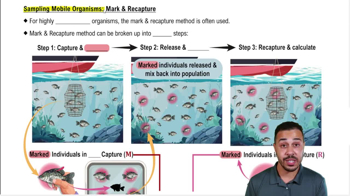
  • Sampling Mobile Organisms: Mark & Recapture
    03:12
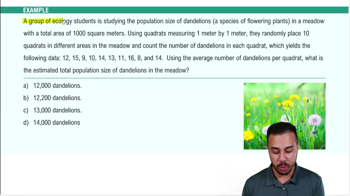
  • Population Sampling Methods Example 1
    01:54
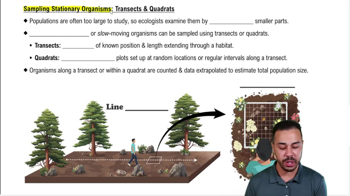
  • Sampling Stationary Organisms: Transects & Quadrats
    02:31

Life History

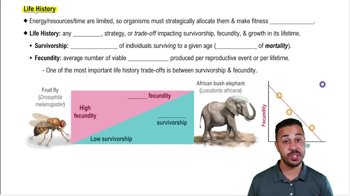
  • Life History
    04:01
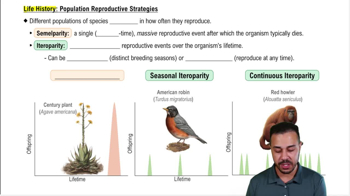
  • Life History: Population Reproductive Strategies
    02:51
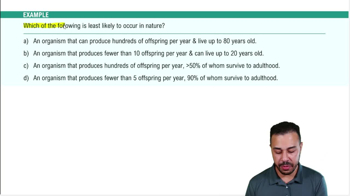
  • Life History Example 1
    02:46

Population Demography

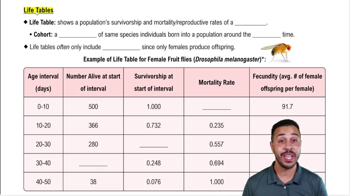
  • Life Tables
    03:49
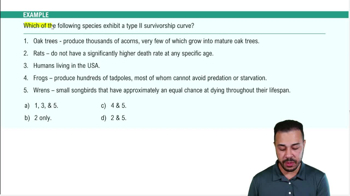
  • Population Demography Example 1
    02:18
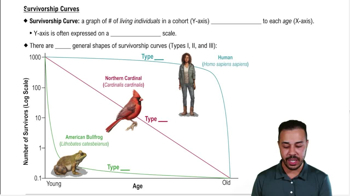
  • Survivorship Curves
    02:54

Factors Limiting Population Growth

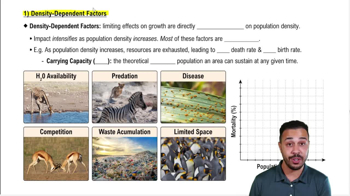
  • Density-Dependent Factors
    02:37
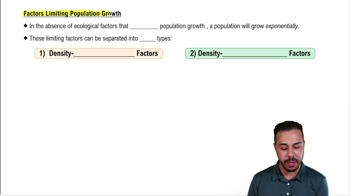
  • Factors Limiting Population Growth
    00:51
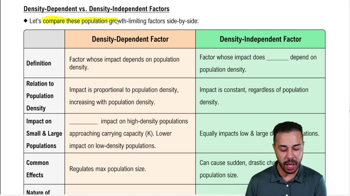
  • Density-Dependent vs. Density-Independent Factors
    03:14

Introduction to Population Growth Models

  • Introduction to Population Growth Models Example 3
    02:52
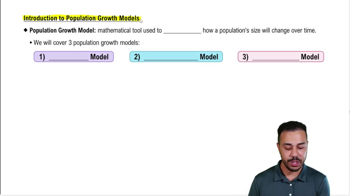
  • Introduction to Population Growth Models
    01:09
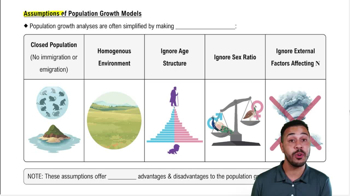
  • Assumptions of Population Growth Models
    03:29

Exponential Population Growth

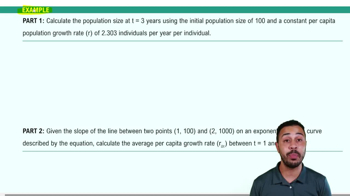
  • Exponential Population Growth Example 2
    07:34
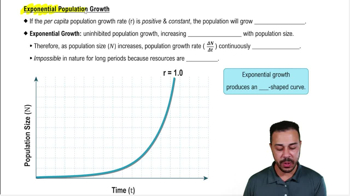
  • Exponential Population Growth
    03:05
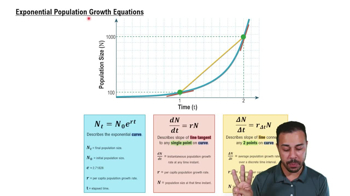
  • Exponential Population Growth Equations
    06:35

Logistic Population Growth

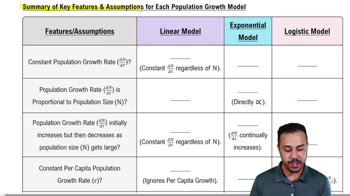
  • Summary of Key Features & Assumptions for Each Population Growth Model
    07:28
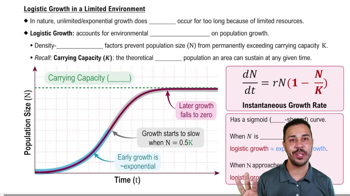
  • Logistic Growth in a Limited Environment
    05:00
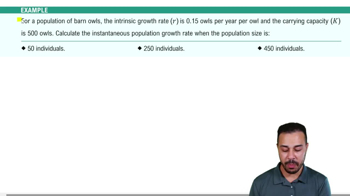
  • Logistic Population Growth Example 1
    04:28

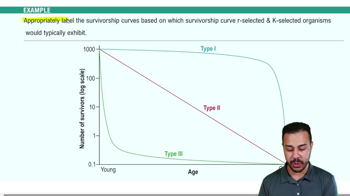
r/K Selection

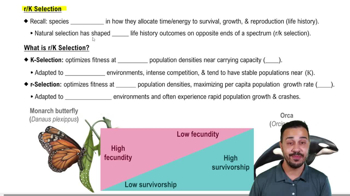
  • r/K Selection
    04:08
  • r/K Selection Example 1
    02:01

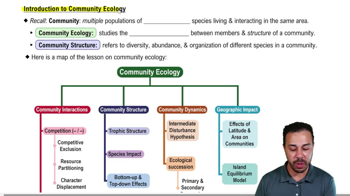
Introduction to Community Ecology

  • Introduction to Community Ecology
    02:03

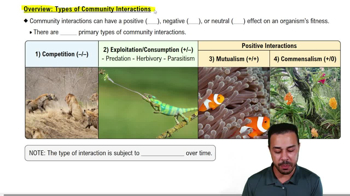
Introduction to Community Interactions

  • Overview: Types of Community Interactions
    02:55
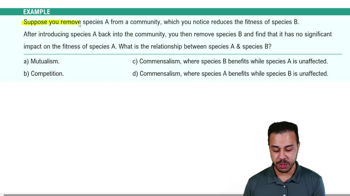
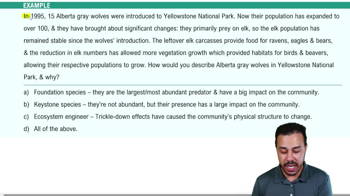
  • Introduction to Community Interactions Example 1
    02:23
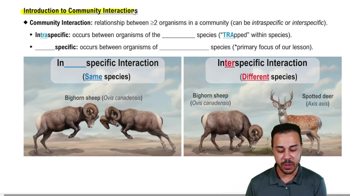
  • Introduction to Community Interactions
    01:57

Community Interactions: Competition (-/-)

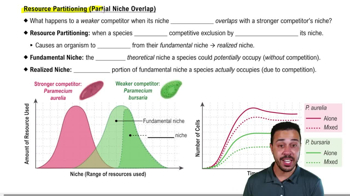
  • Resource Partitioning (Partial Niche Overlap)
    03:57
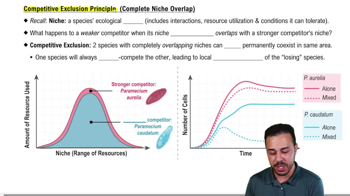
  • Competitive Exclusion Principle (Complete Niche Overlap)
    04:23
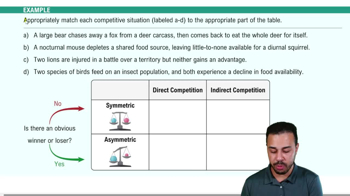
  • Community Interactions: Competition (-/-) Example 1
    04:23

Community Interactions: Exploitation (+/-)

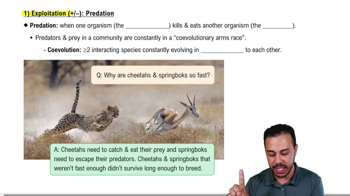
  • 1) Exploitation (+/-): Predation
    01:42
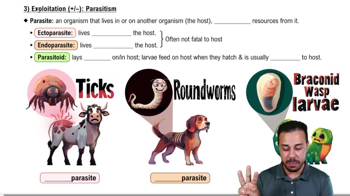
  • 3) Exploitation (+/-): Parasitism
    02:37
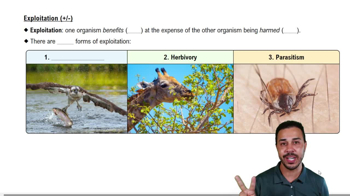
  • Community Interactions: Exploitation (+/–)
    00:49

Community Interactions: Mutualism (+/+) & Commensalism (+/0)

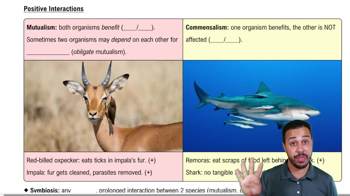
  • Positive Interactions
    02:56
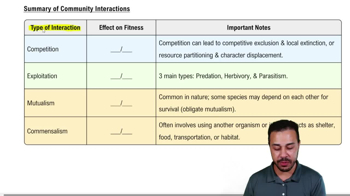
  • Summary of Community Interactions
    01:52

Community Structure

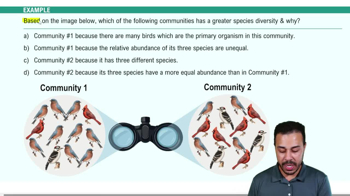
  • Community Structure Example 3
    02:22
  • Community Structure Example 1
    03:37
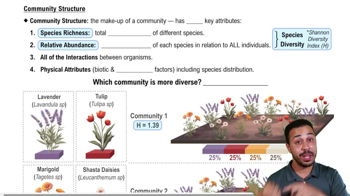
  • Community Structure
    04:25

Community Dynamics

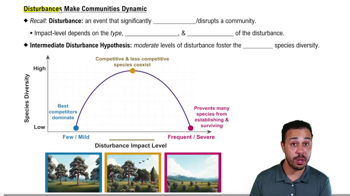
  • Disturbances Make Communities Dynamic
    03:37
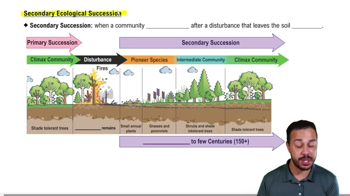
  • Secondary Ecological Succession
    02:31
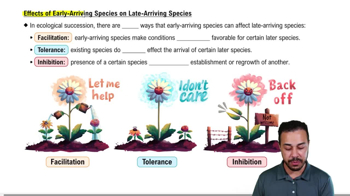
  • Effects of Early-Arriving Species on Late-Arriving Species
    01:34

Introduction to Ecosystems

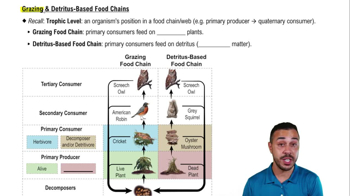
  • Grazing & Detritus-Based Food Chains
    03:29
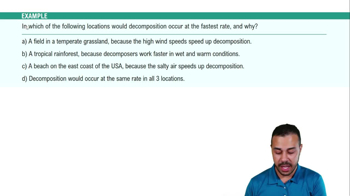
  • Introduction to Ecosystems Example 2
    01:57
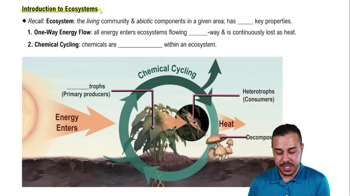
  • Introduction to Ecosystems
    04:07

Energy Flow Through Ecosystems

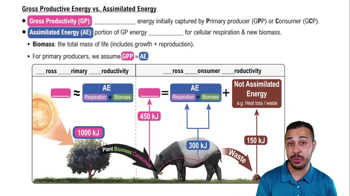
  • Gross Productive Energy vs. Assimilated Energy
    05:28
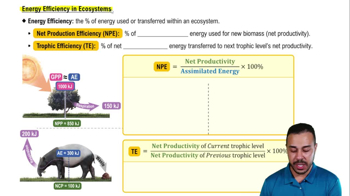
  • Energy Efficiency in Ecosystems
    06:28
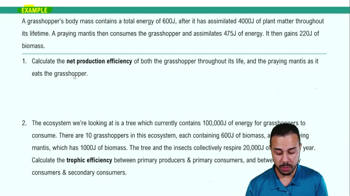
  • Energy Flow Through Ecosystems Example 2
    07:07

Energy & Biomass Pyramids

  • Energy & Biomass Pyramids
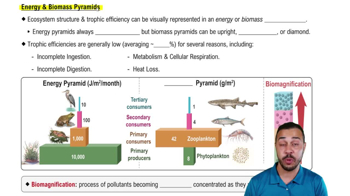
    05:41
  • Energy & Biomass Pyramids Example 1
    03:41

Biogeochemical Cycles

  • Biogeochemical Cycles Example 2
    02:40
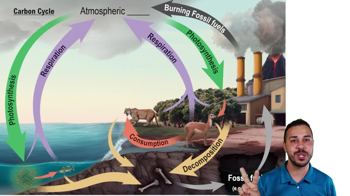
  • Carbon Cycle
    04:20
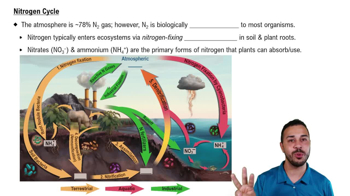
  • Nitrogen Cycle
    08:32

Conservation Biology

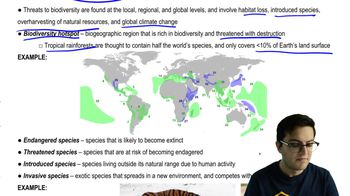
  • Biodiversity Hotspots and Endangered Species
    04:32
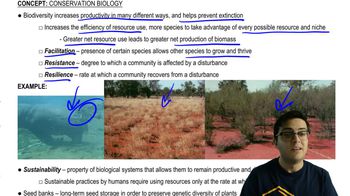
  • Biodiversity and Sustainability
    05:06
  • Pollution and Climate Change
    03:36