 Back
Core Principles and Foundations of Biology: Study Notes
Study Guide - Smart Notes
 Tailored notes based on your materials, expanded with key definitions, examples, and context.
Evolution, the Themes of Biology, and Scientific Inquiry
Biological Organization and Classification
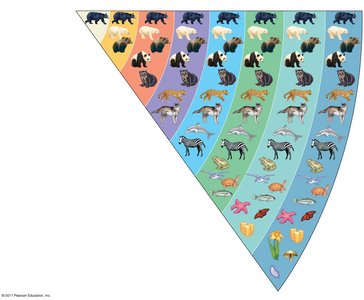
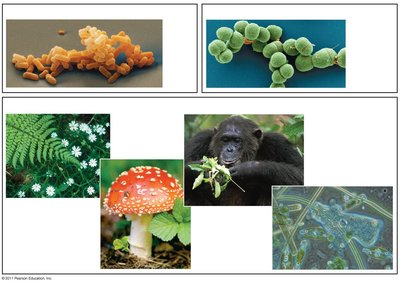
Biology studies life across a hierarchy of organization, from molecules to the biosphere. Organisms are classified into domains and kingdoms based on shared characteristics and evolutionary history.
Taxonomic Hierarchy: Domain, Kingdom, Phylum, Class, Order, Family, Genus, Species.
Domains: Bacteria, Archaea, and Eukarya (which includes Kingdoms Plantae, Fungi, Animalia, and Protists).
Scientific Inquiry: Involves observation, hypothesis formation, experimentation, and analysis.
Themes of Biology
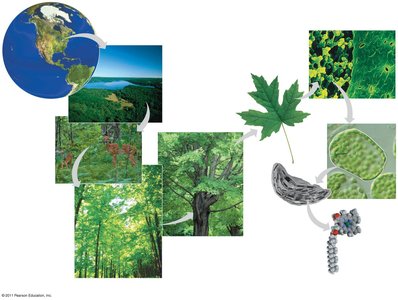
Several unifying themes run through the study of biology, providing a framework for understanding the complexity of life.
Emergent Properties: New properties arise at each level of organization due to the arrangement and interaction of parts.
Interactions: Organisms interact with their environment, exchanging matter and energy.
Genetic Information: DNA stores and transmits heritable information.
Cells: The basic unit of structure and function in living organisms.
Structure and Function: Biological structures are closely related to their functions.
Feedback Mechanisms: Regulate biological systems (e.g., homeostasis).
Core Theme – Evolution: Life’s diversity and unity are explained by evolution, the process of descent with modification from common ancestors.
The Chemical Context of Life
Atoms, Elements, and Chemical Bonds
All matter is composed of atoms, which combine to form molecules through chemical bonds. The behavior of atoms is determined by the arrangement of subatomic particles: protons, neutrons, and electrons.
Covalent Bonds: Atoms share pairs of electrons (strong bond).
Ionic Bonds: Electrons are transferred from one atom to another, creating charged ions (strong bond).
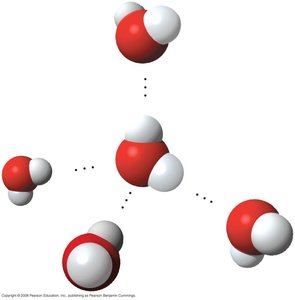
Hydrogen Bonds: Weak attractions between a hydrogen atom and an electronegative atom (e.g., oxygen or nitrogen).
Van der Waals Interactions: Weak, transient interactions due to fluctuating charges.
Water and Life
Properties of Water
Water is essential for life due to its unique chemical and physical properties, which arise from its polarity and ability to form hydrogen bonds.
Cohesion: Water molecules stick together via hydrogen bonds.
Temperature Moderation: Water absorbs and releases heat slowly, stabilizing temperatures.
Expansion Upon Freezing: Ice is less dense than liquid water, allowing it to float.
Versatility as a Solvent: Water dissolves many substances, facilitating chemical reactions in cells.
Acids, Bases, and pH
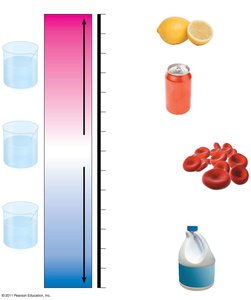
The pH scale measures the concentration of hydrogen ions (H+) in a solution. Acids increase H+ concentration, while bases decrease it. Buffers help maintain stable pH in biological systems.
Acid: Substance that donates H+ to a solution (e.g., HCl).
Base: Substance that accepts H+ or donates OH- (e.g., NaOH).
Buffer: Substance that minimizes changes in pH by reversible binding of H+.
Carbon and the Molecular Diversity of Life
Carbon Skeletons and Functional Groups
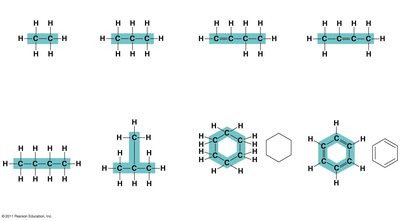
Carbon atoms form the backbone of biological molecules, creating diverse structures such as chains, branches, and rings. Functional groups attached to carbon skeletons determine the chemical properties of organic molecules.
Structural Diversity: Length, branching, double bond position, and ring formation.
Common Functional Groups: Hydroxyl, carbonyl, carboxyl, amino, sulfhydryl, phosphate, methyl.
The Structure and Function of Large Biological Molecules
Macromolecules and Polymers
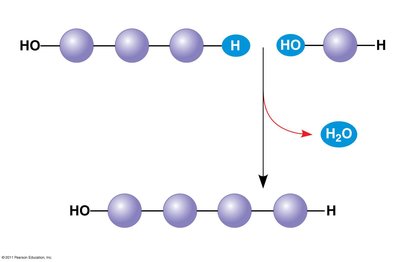
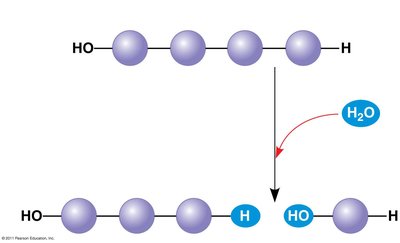
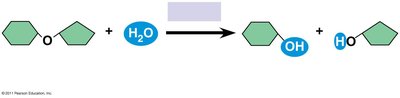
Large biological molecules, or macromolecules, include carbohydrates, proteins, nucleic acids, and lipids. Most are polymers, built from monomers by dehydration reactions and broken down by hydrolysis.
Dehydration Reaction: Joins monomers by removing water.
Hydrolysis: Breaks polymers into monomers by adding water.
Carbohydrates
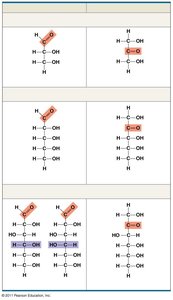
Carbohydrates serve as fuel and building material. They include simple sugars (monosaccharides) and complex carbohydrates (polysaccharides).
Monosaccharides: Simple sugars (e.g., glucose, fructose).
Disaccharides: Two monosaccharides joined by a glycosidic bond.
Polysaccharides: Long chains of monosaccharides (e.g., starch, cellulose, glycogen).
Lipids
Lipids are hydrophobic molecules that include fats, phospholipids, and steroids. They are important for energy storage, membrane structure, and signaling.
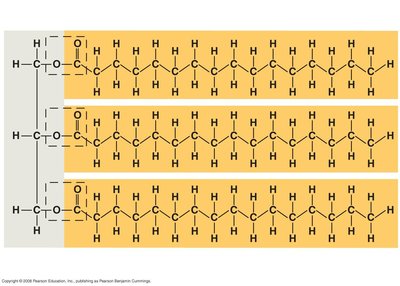
Fats (Triglycerides): Composed of glycerol and three fatty acids, joined by ester linkages.
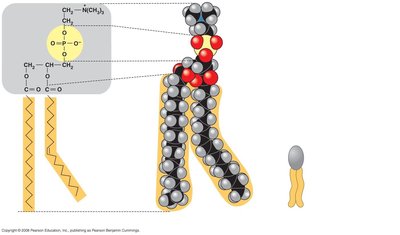
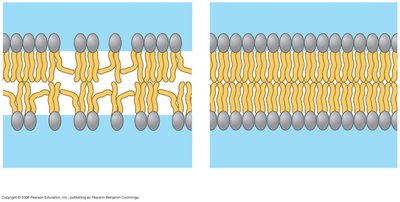
Phospholipids: Major component of cell membranes, with hydrophilic heads and hydrophobic tails.
Steroids: Lipids with a carbon skeleton of four fused rings (e.g., cholesterol).
Proteins
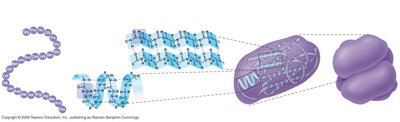
Proteins are polymers of amino acids and perform a vast array of functions, including catalysis, structure, transport, and signaling. Protein structure is organized into four levels: primary, secondary, tertiary, and quaternary.
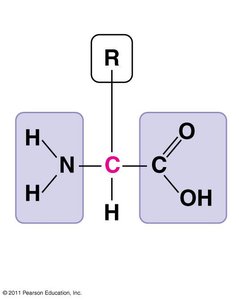
Amino Acid Structure: Central carbon, amino group, carboxyl group, hydrogen, and R group (side chain).
Levels of Structure:
Primary: Sequence of amino acids
Secondary: Alpha helices and beta sheets
Tertiary: 3D folding due to side chain interactions
Quaternary: Association of multiple polypeptides
Nucleic Acids
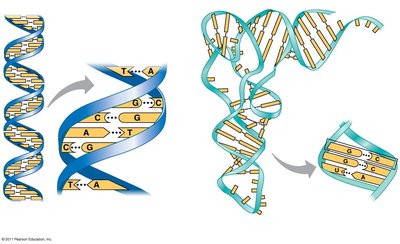
Nucleic acids store and transmit genetic information. DNA and RNA are polymers of nucleotides, each consisting of a sugar, phosphate group, and nitrogenous base.
DNA: Double helix, stores genetic information.
RNA: Single-stranded, involved in protein synthesis.
Central Dogma: DNA → RNA → Protein
A Tour of the Cell
Prokaryotic vs. Eukaryotic Cells
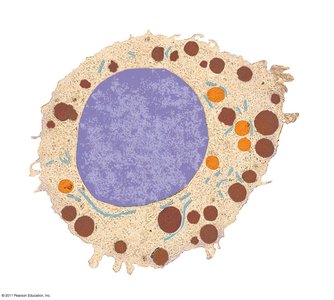
Cells are the fundamental units of life. Prokaryotic cells lack a nucleus and membrane-bound organelles, while eukaryotic cells have both.
Prokaryotes: Bacteria and Archaea; DNA in nucleoid region.
Eukaryotes: Plants, animals, fungi, protists; DNA in nucleus, organelles present.
Animal and Plant Cell Structures
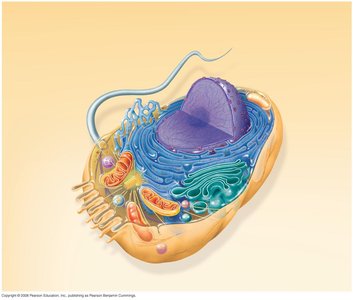
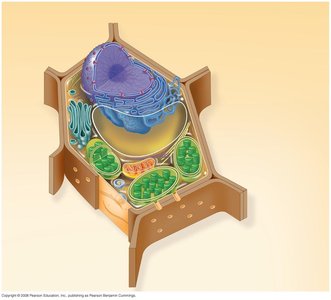
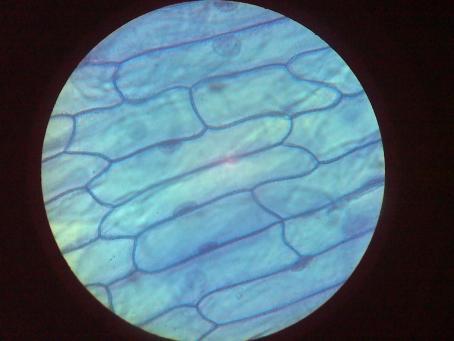
Animal and plant cells share many organelles but also have unique structures. Animal cells have lysosomes and centrosomes, while plant cells have chloroplasts, a central vacuole, and a cell wall.
Common Organelles: Nucleus, mitochondria, endoplasmic reticulum, Golgi apparatus, peroxisomes, cytoskeleton.
Plant-Specific: Chloroplasts, central vacuole, cell wall, plasmodesmata.
Animal-Specific: Lysosomes, centrosomes, flagella (in some cells).
Membrane Structure and Function
Plasma Membrane Structure
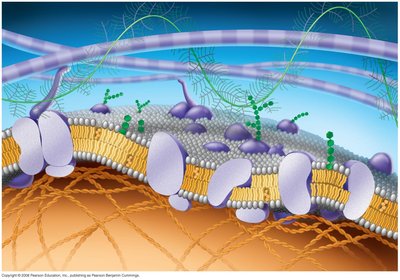
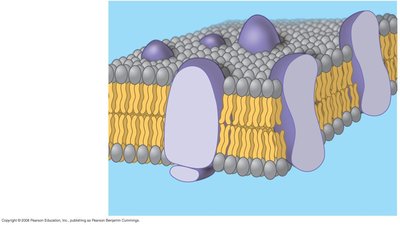
The plasma membrane is a selectively permeable barrier composed of a phospholipid bilayer with embedded proteins, carbohydrates, and cholesterol. It regulates the movement of substances into and out of the cell.
Fluid Mosaic Model: Membrane is fluid with proteins embedded in or attached to the bilayer.
Membrane Fluidity: Influenced by fatty acid composition and temperature.
Transport Across Membranes
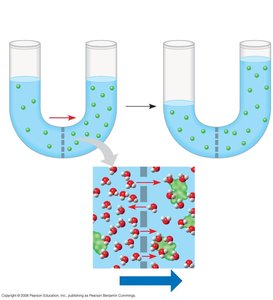
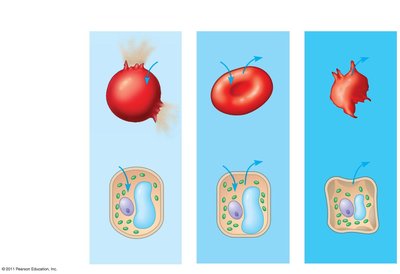
Cells transport substances across membranes via passive and active mechanisms. Passive transport includes diffusion and osmosis, while active transport requires energy input.
Passive Transport: Movement down concentration gradient (e.g., simple diffusion, facilitated diffusion).
Active Transport: Movement against concentration gradient, requires ATP.
Osmosis: Diffusion of water across a selectively permeable membrane.
An Introduction to Metabolism
Energy and Enzymes
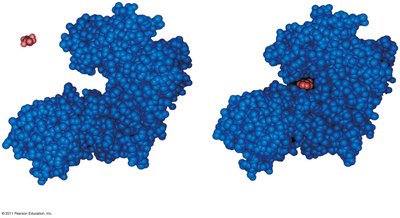
Metabolism encompasses all chemical reactions in a cell. Enzymes are biological catalysts that speed up reactions by lowering activation energy.
First Law of Thermodynamics: Energy cannot be created or destroyed, only transformed.
Second Law of Thermodynamics: Energy transformations increase entropy (disorder).
Enzyme Function: Enzymes bind substrates at the active site, facilitating chemical reactions.
Cellular Respiration and Fermentation
Overview of Cellular Respiration
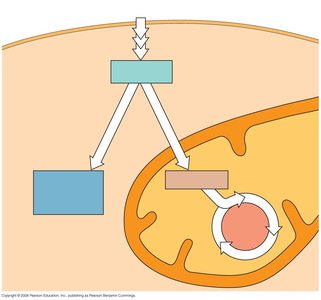
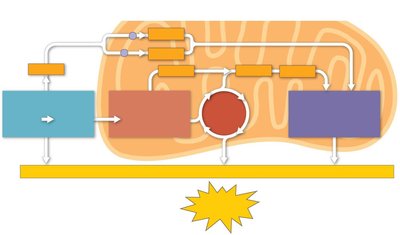
Cellular respiration is the process by which cells extract energy from glucose to produce ATP. It includes glycolysis, the citric acid cycle, and oxidative phosphorylation.
Glycolysis: Occurs in the cytosol; glucose is split into pyruvate.
Citric Acid Cycle: Occurs in mitochondria; completes the breakdown of glucose.
Oxidative Phosphorylation: Electron transport chain and chemiosmosis produce most ATP.
Fermentation: Anaerobic process producing lactate or ethanol when oxygen is absent.
The Cell Cycle and Cell Division
Mitosis and Binary Fission
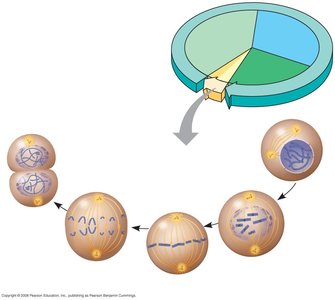
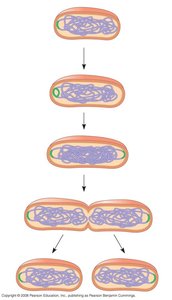
The cell cycle describes the sequence of events in cell growth and division. Mitosis produces genetically identical daughter cells, while binary fission is the division process in prokaryotes.
Mitosis: Prophase, metaphase, anaphase, telophase, and cytokinesis.
Binary Fission: Prokaryotic cell division involving DNA replication and cell splitting.
Meiosis and Sexual Life Cycles
Meiosis and Genetic Variation
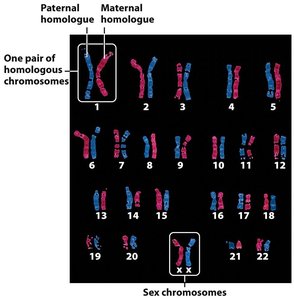
Meiosis reduces chromosome number by half, producing haploid gametes and increasing genetic diversity through recombination and independent assortment.
Meiosis I and II: Two consecutive divisions resulting in four non-identical haploid cells.
Genetic Variation: Crossing over and random assortment of chromosomes.
Summary Table: Types of Chemical Bonds
Bond Type | Mechanism | Relative Strength |
|---|---|---|
Covalent | Sharing of electron pairs | Strong |
Ionic | Transfer of electrons, attraction between ions | Strong |
Hydrogen | Attraction between H and electronegative atom | Weak |
Van der Waals | Transient charge fluctuations | Weak |
Additional info: Some explanations and examples have been expanded for clarity and completeness, following standard introductory biology textbooks.
