 Back
Earth’s Diverse Ecosystems: Structure, Distribution, and Adaptations
Study Guide - Smart Notes
 Tailored notes based on your materials, expanded with key definitions, examples, and context.
Earth’s Diverse Ecosystems
Introduction to Ecosystems
Earth’s ecosystems are complex communities of living organisms interacting with their physical environments. The distribution and characteristics of these ecosystems are shaped by factors such as temperature, precipitation, altitude, and latitude. Understanding these patterns is essential for appreciating biodiversity and the adaptations of life on Earth.
Distribution of Terrestrial Ecosystems
Climate and Biome Distribution
The distribution of terrestrial biomes is primarily determined by two key climatic factors: temperature and precipitation. These factors interact to create distinct regions, each supporting characteristic plant and animal communities.
Temperature: Influences the metabolic rates of organisms and the types of vegetation that can thrive.
Precipitation: Determines water availability, which is critical for plant growth and ecosystem productivity.
Biomes: Major types include tundra, coniferous forest, grassland, desert, chaparral, temperate deciduous forest, and tropical rain forest.
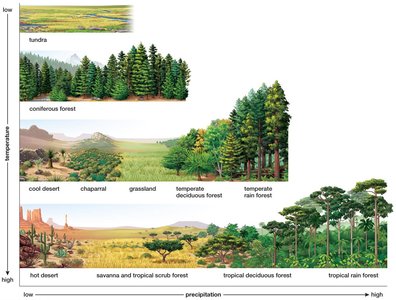
Example: Tropical rain forests occur in regions with high temperature and high precipitation, while deserts are found where precipitation is low, regardless of temperature.
Earth’s Curvature, Tilt, and Climate
Earth’s curvature and axial tilt cause variations in the intensity and duration of sunlight received at different latitudes and during different seasons. This leads to global patterns in temperature and climate.
Curvature: Sunlight is more direct at the equator and more diffuse at the poles.
Tilt: Causes seasonal changes in sunlight and temperature, resulting in summer and winter in each hemisphere.
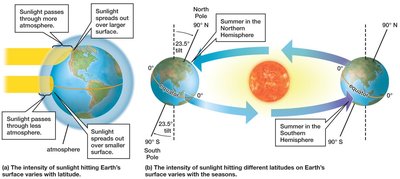
Additional info: The angle of sunlight affects the amount of energy per unit area, influencing climate zones.
Global Air Circulation and Climatic Zones
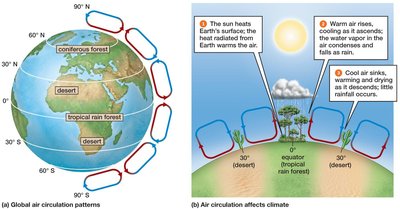
Air circulation patterns, driven by solar heating, create major climatic zones and influence the distribution of deserts, forests, and grasslands.
Hadley Cells: Warm air rises at the equator, cools, and descends at about 30° latitude, creating deserts.
Ferrel and Polar Cells: Additional circulation cells at higher latitudes further shape climate zones.
Rainfall Patterns: Rising air leads to precipitation (rain forests), while descending air leads to dry conditions (deserts).
Ozone Layer and Environmental Change
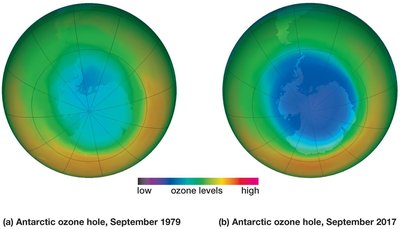
The ozone layer in the stratosphere protects life on Earth by absorbing harmful ultraviolet (UV) radiation. Human activities have led to ozone depletion, particularly over Antarctica, but international efforts have helped reduce the ozone hole in recent years.
Ozone Hole: A region of significantly reduced ozone concentration, especially prominent in the Antarctic spring.
Environmental Impact: Increased UV exposure can harm living organisms, including phytoplankton and humans.
Ocean Circulation Patterns
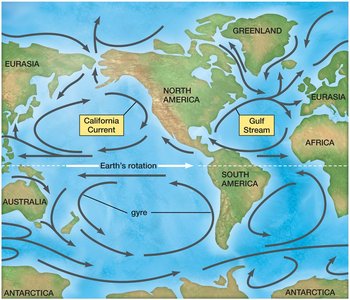
Ocean currents, driven by wind, Earth’s rotation, and differences in water temperature and salinity, redistribute heat and influence climate patterns globally.
Gyres: Large circular current systems in major ocean basins.
Major Currents: The Gulf Stream and California Current are examples that affect regional climates.
Altitude, Latitude, and Biome Distribution
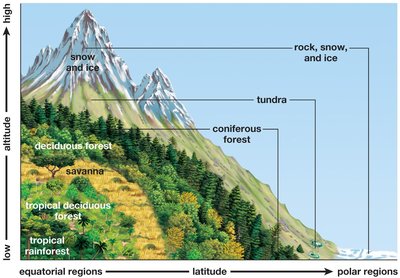
Both altitude and latitude affect temperature and precipitation, leading to similar changes in vegetation and biome types as one moves up a mountain or from the equator toward the poles.
Altitudinal Zonation: As altitude increases, temperature decreases, and biomes change in a pattern similar to increasing latitude.
Examples: Tropical forests at low elevations, coniferous forests at mid-elevations, tundra and ice at the highest elevations.
Rain Shadows and Local Climate
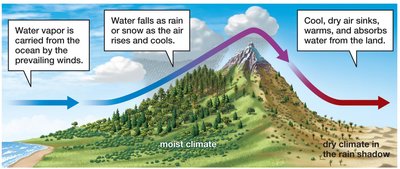
Mountains can create rain shadows, where moist air rises and cools on the windward side, causing precipitation, while the leeward side receives dry, descending air, resulting in arid conditions.
Rain Shadow Effect: Explains the presence of deserts on the leeward side of mountain ranges.
Global Distribution of Biomes
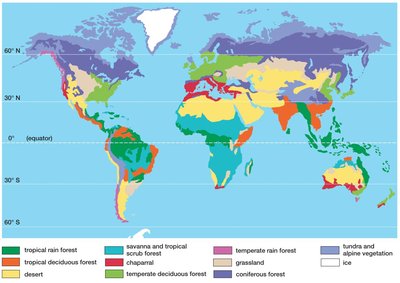
Biomes are distributed across the globe in patterns that reflect climate, latitude, and topography. Each biome supports unique communities of plants and animals adapted to its conditions.
Major Biomes: Tropical rain forest, savanna, desert, chaparral, grassland, temperate deciduous forest, coniferous forest, tundra, and alpine vegetation.
Major Terrestrial Biomes
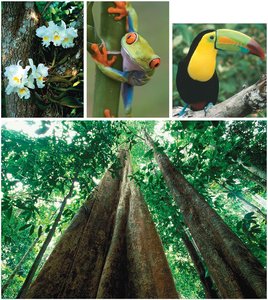
Tropical Rain Forest
Tropical rain forests are found near the equator, where temperatures are warm and rainfall is abundant year-round. These ecosystems are characterized by high biodiversity and complex structure.
Climate: High temperature, high precipitation.
Vegetation: Dense, multi-layered forests with broadleaf evergreen trees.
Fauna: Diverse animal life, including insects, birds, mammals, and amphibians.
Savanna
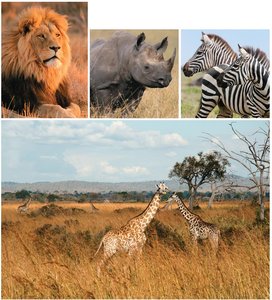
Savannas are grasslands with scattered trees, found in tropical and subtropical regions with seasonal rainfall. They support large herbivores and predators.
Climate: Warm temperatures, seasonal rainfall (wet and dry seasons).
Vegetation: Grasses with occasional trees or shrubs.
Fauna: Grazing mammals (e.g., zebras, giraffes), predators (e.g., lions), and diverse bird species.
Desert
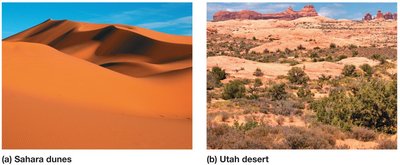
Deserts are defined by low precipitation, which limits plant and animal life. They can be hot or cold, with adaptations for water conservation.
Climate: Very low precipitation, extreme temperature variations.
Vegetation: Sparse, includes cacti and drought-resistant shrubs.
Fauna: Animals adapted to conserve water, such as reptiles and small mammals.
Adaptations to Environmental Demands
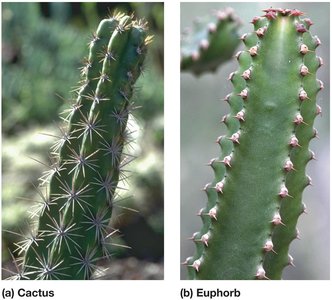
Organisms in extreme environments, such as deserts, exhibit specialized adaptations for survival. These include morphological, physiological, and behavioral traits.
Plants: Succulent stems, reduced leaves, deep roots.
Animals: Nocturnal activity, burrowing, water conservation mechanisms.
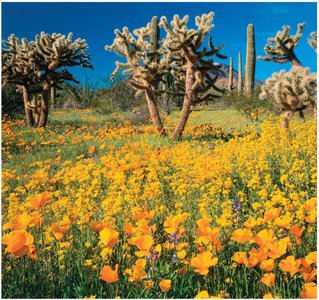
Desert Wildflowers
Some desert plants, such as wildflowers, are adapted to take advantage of brief periods of rainfall, completing their life cycles rapidly when conditions are favorable.
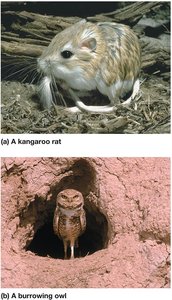
Desert Dwellers
Desert animals, such as the kangaroo rat and burrowing owl, have evolved behaviors and physiological traits to survive in arid environments.
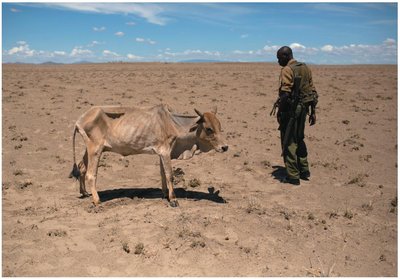
Desertification
Desertification is the process by which fertile land becomes desert, often due to human activities such as overgrazing, deforestation, and poor land management. It threatens ecosystems and human livelihoods.
Summary Table: Major Terrestrial Biomes
Biome | Climate | Vegetation | Key Adaptations |
|---|---|---|---|
Tropical Rain Forest | Warm, high rainfall | Broadleaf evergreens | Epiphytes, stratified canopy |
Savanna | Warm, seasonal rain | Grasses, scattered trees | Fire resistance, drought tolerance |
Desert | Hot/cold, very dry | Cacti, succulents | Water storage, nocturnal activity |
Temperate Deciduous Forest | Moderate, seasonal | Deciduous trees | Leaf drop in winter |
Coniferous Forest | Cool, moderate rain | Conifers | Needle leaves, antifreeze sap |
Tundra | Cold, low rain | Mosses, lichens | Short growing season |
Additional info: This table summarizes the main features and adaptations of major terrestrial biomes.
