 Back
Ecology and Review: Energy Flow, Population Dynamics, and Biological Classification
Study Guide - Smart Notes
 Tailored notes based on your materials, expanded with key definitions, examples, and context.
Ecology: Energy Flow and Trophic Structure
Introduction to Ecology
Ecology is the study of interactions among organisms and their environment, focusing on the flow of energy and cycling of matter through ecosystems. Understanding these relationships is essential for grasping how life persists and adapts on Earth.
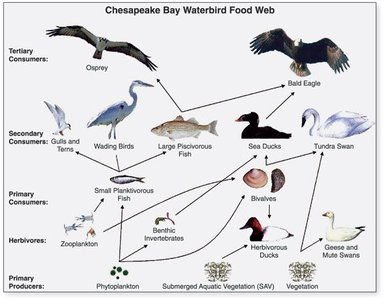
Food Chains, Food Webs, and Trophic Levels
Food Chain: A linear sequence showing how energy moves from producers to various levels of consumers.
Food Web: A complex network of interconnected food chains within an ecosystem, illustrating multiple feeding relationships.
Trophic Level: Each step in a food chain or web, representing a feeding position (e.g., producer, primary consumer, secondary consumer, tertiary consumer).
10% Rule: Only about 10% of the energy at one trophic level is transferred to the next; the rest is lost as heat or used for metabolic processes.
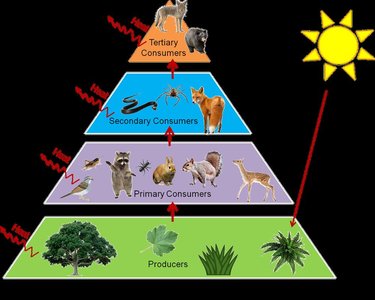
Energy and Biomass Pyramids
Energy and biomass pyramids visually represent the distribution of energy or biomass among trophic levels in an ecosystem. The base consists of producers, followed by successive levels of consumers.
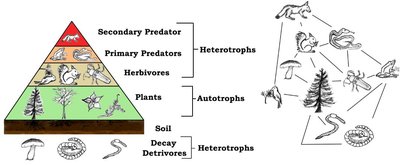
Examples of Food Webs
Food webs demonstrate the complexity of feeding relationships in ecosystems. For example, grass (producer) is eaten by rabbits, insects, and slugs (primary consumers), which are then consumed by frogs, voles, and thrushes (secondary consumers), and finally by foxes and hawks (tertiary consumers).
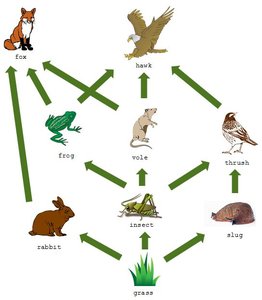
Energy Transfer Calculations
Energy transfer between trophic levels can be quantified. For example, if producers contain 1000 J of energy, only 100 J is available to primary consumers, 10 J to secondary consumers, and 1 J to tertiary consumers. The majority of energy is lost at each step.
Trophic Level | Energy Available (J) | Energy Lost (J) |
|---|---|---|
Producers | 1000 | 0 |
Primary Consumers | 100 | 900 |
Secondary Consumers | 10 | 990 |
Tertiary Consumers | 1 | 999 |
Ecological Succession
Primary and Secondary Succession
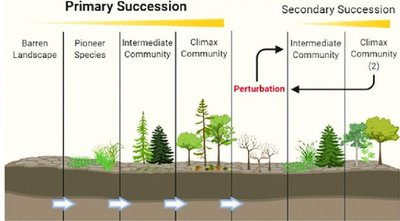
Succession describes the process by which ecosystems recover or develop over time:
Primary Succession: Occurs on bare rock or surfaces without soil, beginning with pioneer species like lichens, followed by grasses, shrubs, and eventually trees.
Secondary Succession: Occurs after a disturbance (e.g., fire) in an area where soil and some organisms remain, allowing for faster recovery.
Food Web Roles and Terminology
Key Terms in Food Webs
Planktivorous: Organisms that eat plankton.
Piscivorous: Organisms that eat fish.
Benthic: Refers to organisms living at the bottom of a water body.
Herbivorous: Organisms that eat plants.
Zooplankton: Animal plankton, primary consumers in aquatic food webs.
Phytoplankton: Plant-like plankton, primary producers in aquatic ecosystems.
Apex Predator: Top predator in a food web, with no natural predators.
Keystone Species
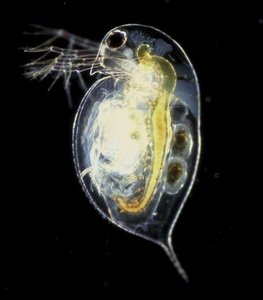
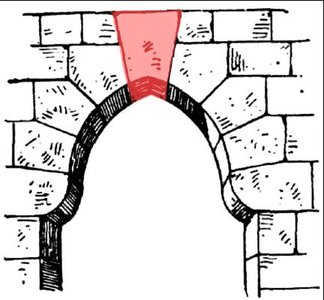
A keystone species has a disproportionately large effect on its ecosystem. For example, Daphnia (water flea) can regulate populations of algae and other organisms, maintaining ecosystem balance.
Symbiotic Relationships
Types of Symbiosis
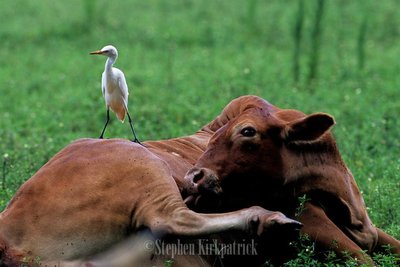
Commensalism: One organism benefits, the other is unaffected (e.g., cattle egrets and cattle).
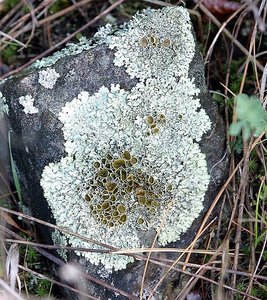
Mutualism: Both organisms benefit (e.g., bees and flowers, lichens).
Parasitism: One organism benefits at the expense of another (e.g., ticks on mammals).
Predation: One organism kills and eats another.
Competition: Organisms compete for resources.
Population Ecology
Population Growth and Limiting Factors
Density-dependent factors: Effects increase with population density (e.g., competition, disease).
Density-independent factors: Effects are unrelated to population density (e.g., natural disasters).
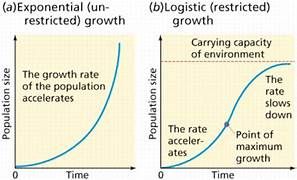
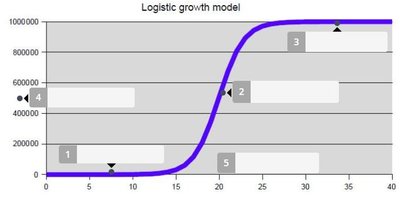
Carrying Capacity: Maximum population size an environment can sustain.
Birth Rate, Death Rate, Immigration, Emigration: Factors influencing population size.
Human Population Growth and Environmental Impact
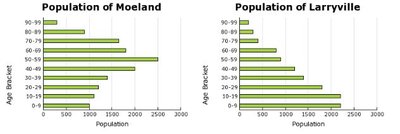
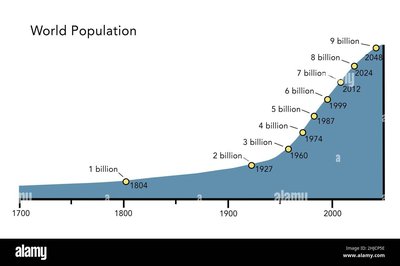
Human population has grown exponentially since the Industrial Revolution.
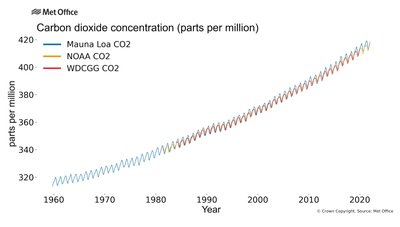
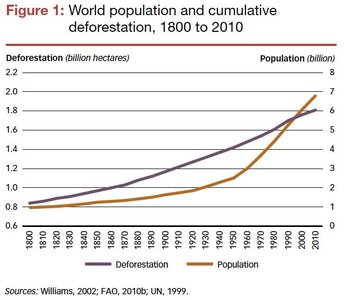
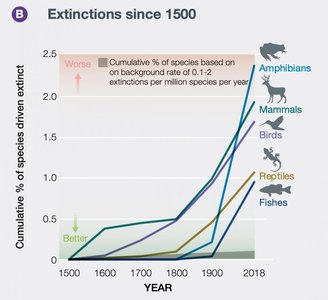
Increased population leads to higher carbon dioxide emissions, deforestation, and habitat loss, contributing to species extinctions.
Review of Key Biological Concepts
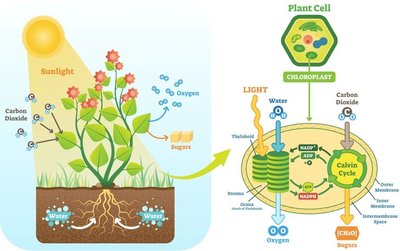
Photosynthesis and Energy
Light-dependent reactions produce ATP and NADPH, which power the Calvin cycle to synthesize glucose from CO2.
Biomolecules
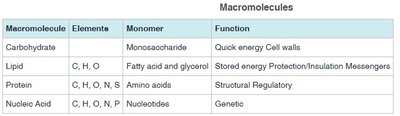
Major classes of biomolecules include carbohydrates, lipids, proteins, and nucleic acids, each with distinct elements, monomers, and functions.
Macromolecule | Elements | Monomer | Function |
|---|---|---|---|
Carbohydrate | C, H, O | Monosaccharide | Quick energy, cell walls |
Lipid | C, H, O | Fatty acid and glycerol | Stored energy, protection, insulation, messengers |
Protein | C, H, O, N, S | Amino acids | Structural, regulatory |
Nucleic Acid | C, H, O, N, P | Nucleotides | Genetic information |
Genetics: Codons and Punnett Squares
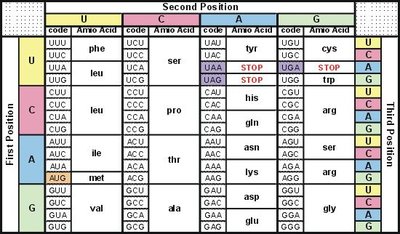
Codons are triplets of nucleotides that code for amino acids during gene expression.
Punnett squares are used to predict the probability of offspring inheriting particular traits.
Viruses, Bacteria, and Archaea
Viruses are non-cellular, require host cells to reproduce, and are often pathogenic.
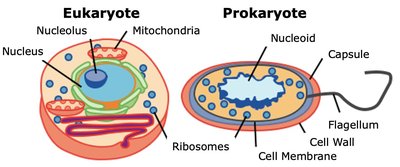
Bacteria are unicellular prokaryotes with cell walls containing peptidoglycan; some are antibiotic-resistant due to mutations.
Archaea are prokaryotes that often live in extreme environments and lack peptidoglycan in their cell walls.
Cell Membrane and Transport
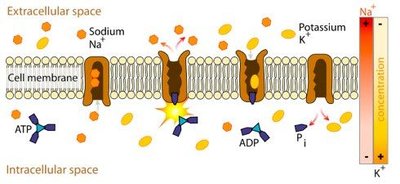
The cell membrane is a phospholipid bilayer that regulates movement of substances and maintains homeostasis.
Diffusion moves particles from high to low concentration; active transport (e.g., sodium-potassium pump) moves ions against the gradient using ATP.
Protists, Fungi, Plants, and Animals
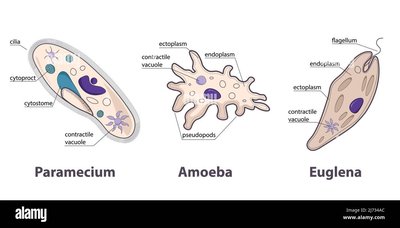
Protists are a diverse group, not a true clade; some (e.g., Euglena) have plant-like features.
Fungi digest food externally and are more closely related to animals than to plants or bacteria.
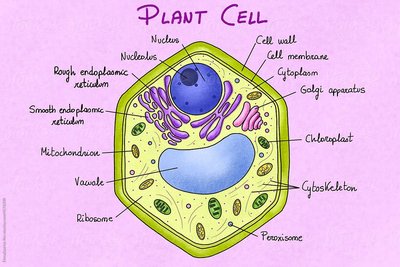
Plant cells have chloroplasts, a large vacuole, and a cellulose cell wall.
Evolution and Natural Selection
Mutations introduce genetic variation; natural selection increases the frequency of beneficial traits in a population.
Genetic variation decreases after selection acts on a population.
DNA sequence comparisons reveal evolutionary relationships among species.
Classification: Domains and Kingdoms
Three domains: Bacteria (prokaryotic), Archaea (prokaryotic), Eukarya (eukaryotic).
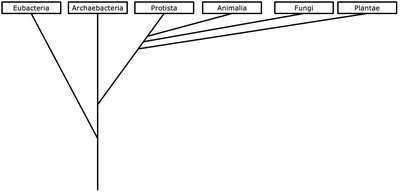
Six kingdoms: Bacteria, Archaea, "Protista" (not a true kingdom), Fungi, Plantae, Animalia.
Cladograms and Evolutionary Relationships
Cladograms are diagrams that show evolutionary relationships based on shared derived traits.
Each branch point represents a common ancestor; traits are mapped to indicate evolutionary changes.
Biogeochemical Cycles (Preview)
Organisms cycle elements such as carbon, hydrogen, oxygen, nitrogen, and phosphorus through their bodies and the environment. These cycles are essential for ecosystem function and will be studied in detail in the next unit.
