 Back
Exchange and Transport in Animals: Digestive System and Adaptations
Study Guide - Smart Notes
 Tailored notes based on your materials, expanded with key definitions, examples, and context.
Exchange and Transport in Animals
Overview of Exchange Processes
All organisms must obtain energy and transport materials such as nutrients, gases, and waste products throughout their bodies. Exchange processes between organisms and their environment often occur across specialized surfaces, and the efficiency of these processes is influenced by adaptations that maximize surface area and minimize diffusion distance.
Diffusion: Substances move from areas of high concentration to low concentration until equilibrium is reached. This process is effective only over short distances and is generally slow.
Adaptations: Many organisms have evolved structures that increase surface area to enhance the rate of exchange (e.g., root hairs in plants, villi in animal intestines).
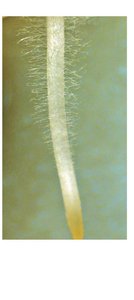
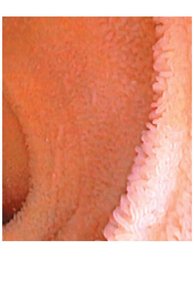
Images: Root hairs (left) and intestinal villi (right) are adaptations that increase surface area for nutrient uptake in plants and animals, respectively.
Digestive System: Food Processing in Animals
Stages of Food Processing
The digestive system processes food in four main stages to extract and absorb nutrients:
Ingestion: The act of taking in food.
Digestion: The breakdown of food into small molecules, both mechanically (chewing, churning) and chemically (enzymatic hydrolysis).
Absorption: The uptake of small nutrient molecules by body cells, primarily through the lining of the small intestine.
Elimination: The removal of undigested material and waste from the digestive system.
Adaptations for Ingestion
Animals have evolved various feeding strategies based on their environment and diet:
Substrate feeding: Living in or on the food source (e.g., caterpillars on leaves).
Suspension feeding: Filtering or trapping food particles from water (e.g., baleen whales).
Fluid feeding: Sucking nutrient-rich fluids from other organisms (e.g., mosquitoes).
Bulk feeding: Consuming large pieces of food (e.g., most mammals, including humans).
Types of Digestion
Mechanical Digestion: Physical breakdown of food into smaller pieces to increase surface area for enzymes.
Chemical Digestion: Enzymatic cleavage of large molecules (polymers) into smaller absorbable units (monomers) via hydrolysis.
Hydrolysis: The chemical process by which enzymes break down polymers into monomers by adding water molecules.
Compartmentalization of Digestion
To safely digest food without harming their own tissues, animals compartmentalize digestion:
Intracellular Digestion: Food is digested within food vacuoles inside cells (e.g., sponges).
Extracellular Digestion: Most animals use an alimentary canal (digestive tract) with specialized compartments for sequential processing of food.
Simple body plans: Gastrovascular cavity with a single opening (e.g., hydra). Complex body plans: Alimentary canal with two openings (mouth and anus), allowing for continuous ingestion and digestion (e.g., earthworms, birds, humans).
Mammalian Digestive System: Structure and Function
Oral Cavity (Mouth)
Digestion begins in the mouth, where both mechanical and chemical processes occur:
Teeth and Tongue: Chewing increases surface area for enzymatic action; the tongue forms and pushes the food bolus for swallowing.
Salivary Glands: Secrete saliva containing mucus (lubrication), buffers (neutralize acids), lysozyme (antibacterial), and amylase (breaks down starch and glycogen).
Peristalsis: Rhythmic contractions move the bolus through the esophagus to the stomach.
Dental Adaptations Based on Diet
Carnivores: Large, pointed incisors and canines for killing and tearing meat; jagged premolars and molars for crushing.
Herbivores: Broad, ridged premolars and molars for grinding plants; incisors and canines (if present) for biting.
Omnivores: Combination of incisors, canines, premolars, and molars for a varied diet.
Stomach
Mechanical Digestion: Muscular contractions churn food and mix it with gastric juices to form chyme.
Chemical Digestion: Gastric juice (pH ~2) contains HCl (kills bacteria, denatures proteins) and pepsin (digests proteins).
Protection: Mucus protects the stomach lining; epithelial cells are rapidly replaced; pepsinogen is secreted in inactive form and activated by HCl.
Small Intestine
Duodenum: First section where most enzymatic hydrolysis occurs; receives digestive enzymes from pancreas, bile from liver/gallbladder.
Jejunum and Ileum: Main sites of nutrient absorption; large surface area due to folds, villi, and microvilli.
Accessory Organs: Pancreas (enzymes, alkaline solution), liver (bile production, detoxification), gallbladder (bile storage).
Absorption and Transport
Surface Area: The small intestine's surface area (~300 m2) is increased by villi and microvilli, maximizing absorption efficiency.
Transport: Nutrients enter the blood (except fatty acids, which enter the lymphatic system), travel to the liver via the hepatic portal vein for processing, then circulate to the rest of the body.
Large Intestine (Colon) and Elimination
Water Reabsorption: The colon recovers water from undigested material; cecum ferments plant material in herbivores.
Feces Formation: As water is reabsorbed, feces become solid and are stored in the rectum until elimination.
Mutualistic Bacteria: The human microbiome aids in vitamin production, immune development, and may influence health and disease.
Summary Table: Digestive Processes and Adaptations
Stage | Main Function | Key Adaptations |
|---|---|---|
Ingestion | Intake of food | Specialized teeth, mouthparts, feeding strategies |
Digestion | Breakdown of food | Enzymes, acidic stomach, compartmentalization |
Absorption | Uptake of nutrients | Villi, microvilli, increased surface area |
Elimination | Removal of waste | Colon, rectum, peristalsis |
Key Terms and Concepts
Peristalsis: Wave-like muscle contractions that move food through the digestive tract.
Chyme: Semi-fluid mass of partly digested food expelled by the stomach into the duodenum.
Villi and Microvilli: Finger-like projections in the small intestine that increase surface area for absorption.
Hydrolysis: Chemical breakdown of a compound due to reaction with water.
Mutualistic Adaptations: Symbiotic relationships with gut bacteria that aid digestion and health.
Relevant Equations
Surface Area of a Cylinder (e.g., intestine):
Diffusion Rate (Fick's Law): Where is the flux, is the diffusion coefficient, is the concentration difference, and is the distance.
