Back

General Biology II: Evolution, Diversity, Animal & Plant Function, and Ecology

Study Guide - Learn with Videos

Curated lessons matched to your uploaded material – learn every topic step by step.

Natural Selection and Evolution

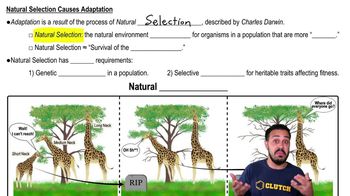
  • Natural Selection Causes Adaptation
    07:48
  • Adaptation Improves Fitness
    02:57
  • Evolution can Occur Via Natural Selection
    04:32

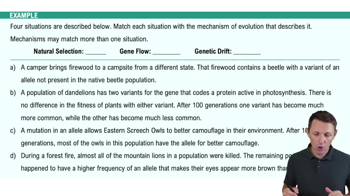
Evolution of Populations

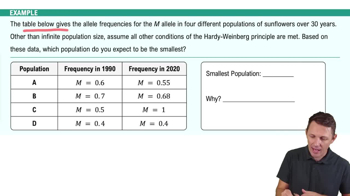
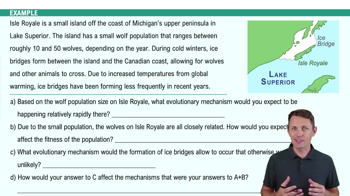
  • Evolution of Populations Example 1
    03:33
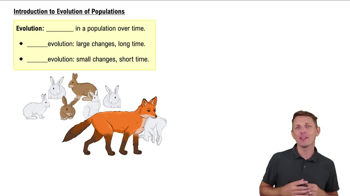
  • Introduction to Evolution of Populations
    05:14

Genetic Drift

  • Genetic Drift Example 1
    02:00
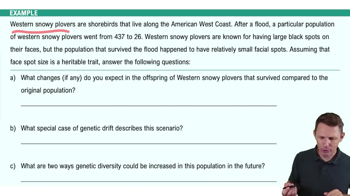
  • Genetic Drift Example 2
    02:37
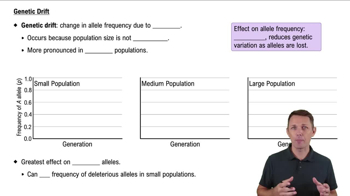
  • Genetic Drift
    05:06

Gene Flow

  • Gene Flow Example 1
    04:34
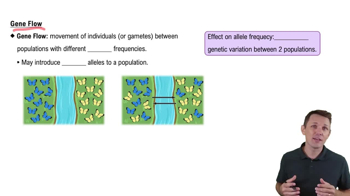
  • Gene Flow
    01:43

The Hardy-Weinberg Principle

  • Predicting Allele or Genotype Frequencies Using Hardy-Weinberg
    03:31
  • Testing if a Population is in Hardy-Weinberg Equilibrium
    08:26
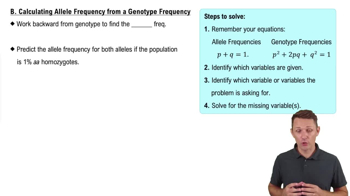
  • B. Calculating Allele Frequency from a Genotype Frequency
    03:20

Assumptions of the Hardy-Weinberg Principle

  • Five Assumptions of Hardy-Weinberg Equilibrium
    06:16
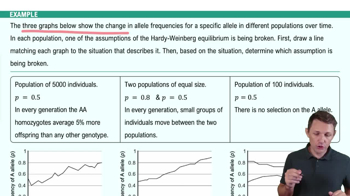
  • Assumptions of the Hardy-Weinberg Principle Example 1
    04:13

Introduction to Speciation

  • Introduction to Speciation
    03:03

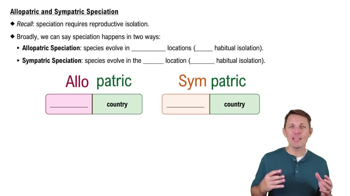
Allopatric and Sympatric Speciation

  • Allopatric and Sympatric Speciation
    02:46
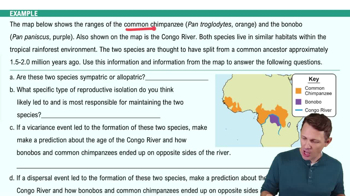
  • Allopatric and Sympatric Speciation Example 1
    04:25
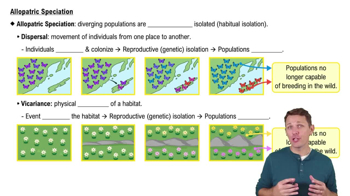
  • Allopatric Speciation
    03:53

Introduction to Phylogeny

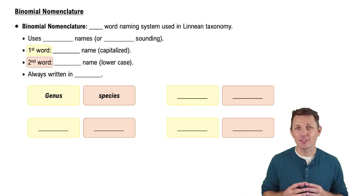
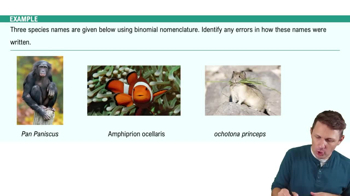
  • Binomial Nomenclature
    02:32
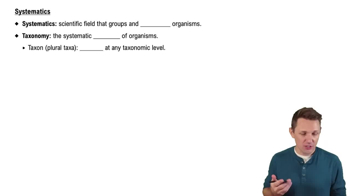
  • Systematics
    06:57
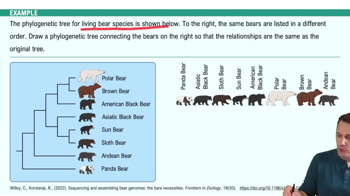
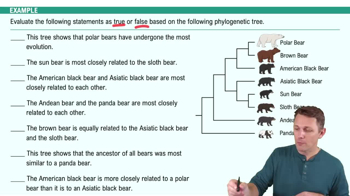
  • Introduction to Phylogeny Example 1
    01:31

Phylogeny

  • Phylogeny Example 3
    04:12
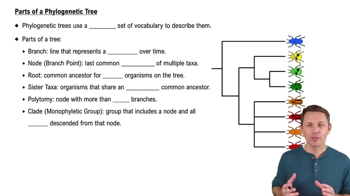
  • Parts of a Phylogenetic Tree
    05:16
  • Phylogeny Example 1
    06:11

Building Phylogenetic Trees

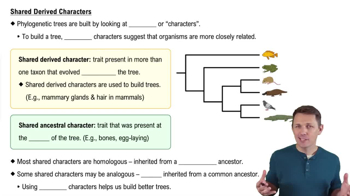
  • Shared Derived Characters
    05:42
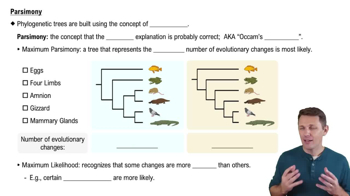
  • Parsimony
    06:46
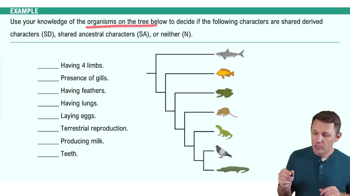
  • Building Phylogenetic Trees Example 1
    04:35

Cladistics

  • Cladistics Example 1
    03:52
  • Monophyletic, Paraphyletic, & Polyphyletic Group
    06:37

The Fossil Record

  • Biases in the Fossil Record
    03:17
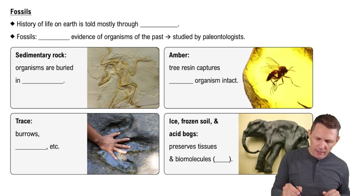
  • Fossils
    03:54
  • The Fossil Record Example 1
    02:59

History of Life on Earth

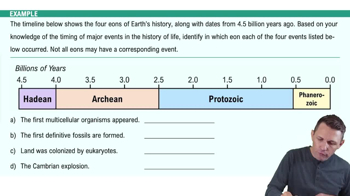
  • History of Life on Earth Example 1
    04:53
  • Geologic Record
    07:18

Introduction to Prokaryotes

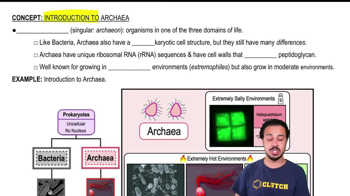
  • Introduction to Archaea
    04:39
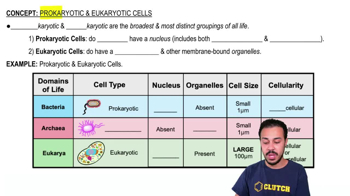
  • Prokaryotic & Eukaryotic Cells
    05:54
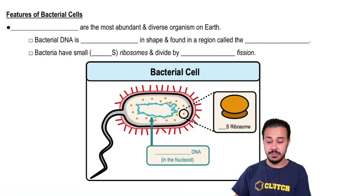
  • Features of Bacterial Cells
    03:54

Prokaryotic Cell Structure

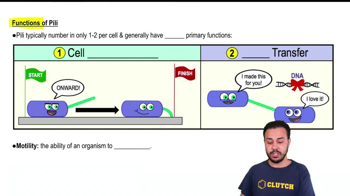
  • Functions of Pili
    01:46
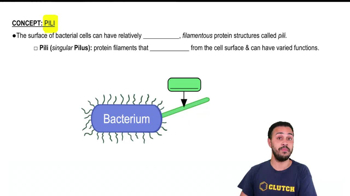
  • Pili
    01:02
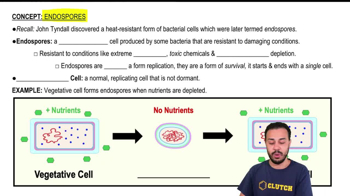
  • Endospores
    05:35

Prokaryotic Reproduction

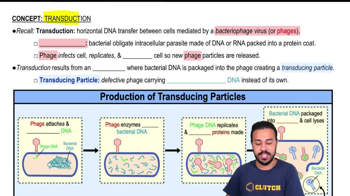
  • Transduction
    06:49
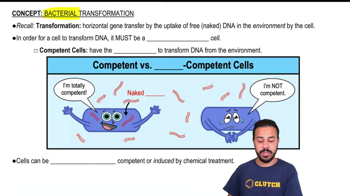
  • Bacterial Transformation
    03:06
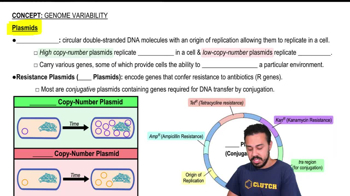
  • Plasmids
    04:44

Prokaryotic Metabolism

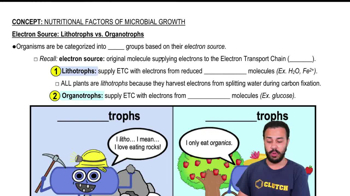
  • Electron Source: Lithotrophs vs. Organotrophs
    03:21
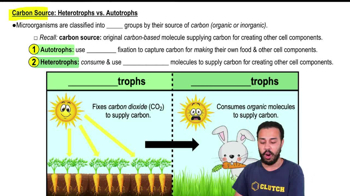
  • Carbon Source: Heterotrophs vs. Autotrophs
    02:59
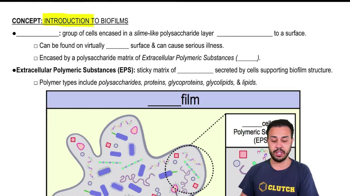
  • Introduction to Biofilms
    03:31

Prokaryotes in the Environment

  • Prokaryote Ecology
    05:34
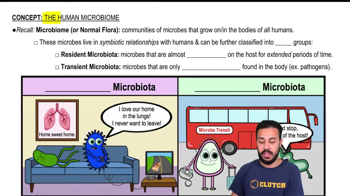
  • The Human Microbiome
    03:25
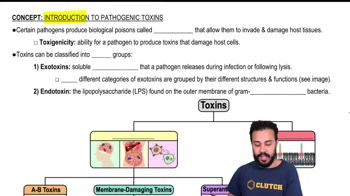
  • Introduction to Pathogenic Toxins
    03:40

Endosymbiotic Theory

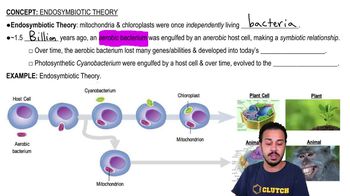
  • Endosymbiotic Theory
    06:58

Introduction to Protists

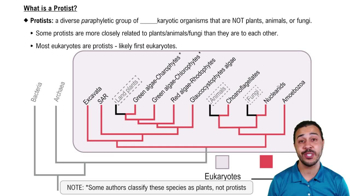
  • What is a Protist?
    03:23
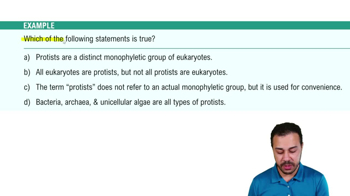
  • Introduction to Protists Example 1
    02:30
  • Introduction to Protists Example 2
    01:39

Evolution of Protists

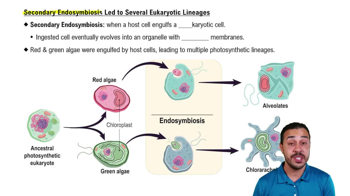
  • Secondary Endosymbiosis Led to Several Eukaryotic Lineages
    02:37
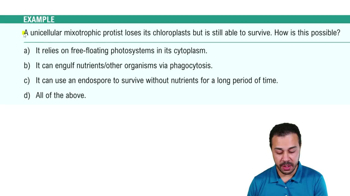
  • Evolution of Protists Example 1
    01:43
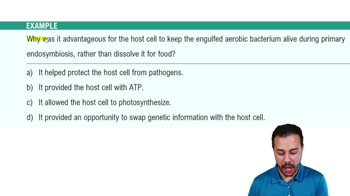
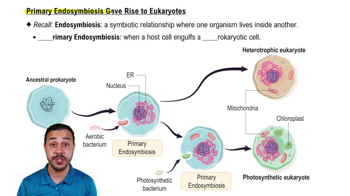
  • Primary Endosymbiosis Gave Rise to Eukaryotes
    01:37

Eukaryotic Supergroups: Exploring Protist Diversity

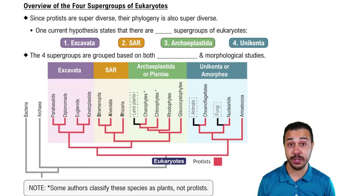
  • Overview of the Four Supergroups of Eukaryotes
    03:01

Fungi

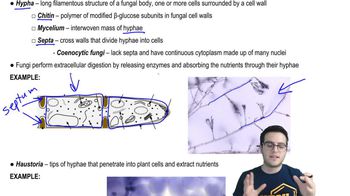
  • Fungi - 1
    08:59
  • Fungi - 2
    09:57

Fungi Reproduction

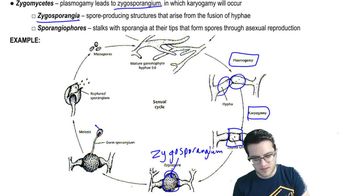
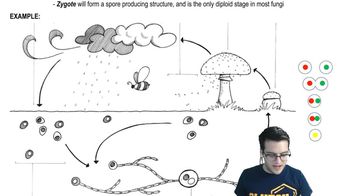
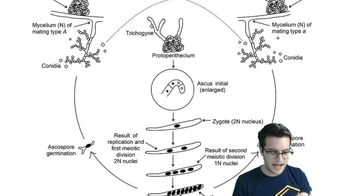
  • Fungi Reproduction - 2
    04:54
  • Fungi Reproduction - 1
    09:27
  • Fungi Reproduction - 3
    03:12

Land Plants

  • Land Plants - 4
    06:17
  • Land Plants - 2
    12:57
  • Land Plants - 3
    03:36

Nonvascular Plants

  • Nonvascular Plants - 2
    07:32
  • Nonvascular Plants - 1
    06:16

Seedless Vascular Plants

  • Seedless Vascular Plants
    06:08

Seed Plants

  • Seed Plants - 1
    06:26
  • Seed Plants - 3
    05:26
  • Seed Plants - 4
    10:21

Roots and Shoots

  • Phenotypic Plasticity
    06:58
  • Plant Cells Review
    05:29
  • Shoots and Leaves
    05:46

Tissues

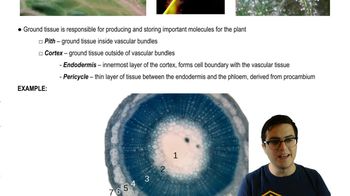
  • Epidermal and Ground Tissue
    05:39
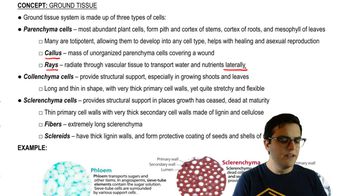
  • Ground Tissue Cells
    04:03
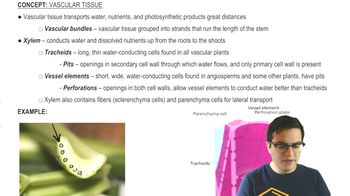
  • Vascular Tissue
    06:58

Negative & Positive Feedback

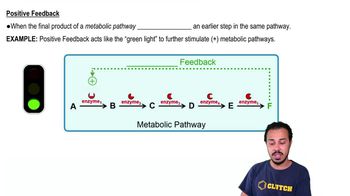
  • Positive Feedback
    02:19
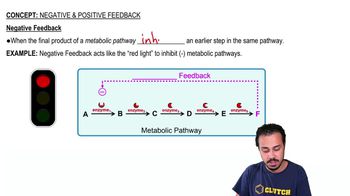
  • Negative Feedback
    02:41

Thermoregulation

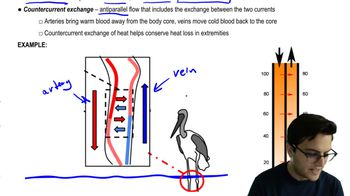
  • Countercurrent Exchange
    06:28
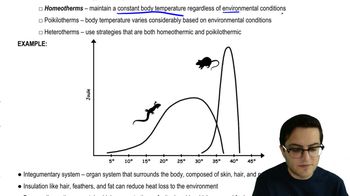
  • Thermoregulation
    09:51

Blood Sugar Homeostasis

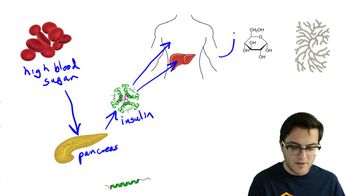
  • Blood Sugar Homeostasis
    07:01

Circulatory and Respiratory Anatomy

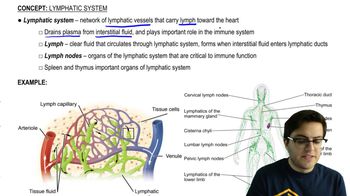
  • Lymphatic System
    02:15
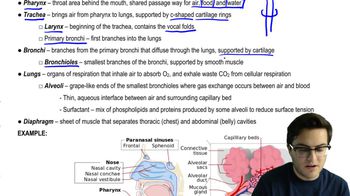
  • Lung Anatomy
    06:24
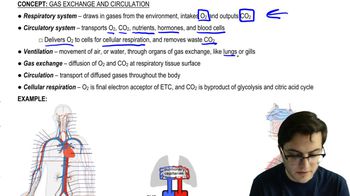
  • Gas Exchange and Circulation
    06:28

Immune System

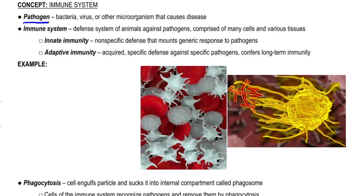
  • Immune System
    09:33

Innate Immunity

  • Innate Immune Response
    05:20
  • Inflammatory Response
    03:06
  • Innate Immune Cells
    06:47

Adaptive Immunity

  • Helper T Cells and B Cells
    04:06
  • Lymphocytes
    04:23
  • Immunization and Autoimmunity
    07:51

Neurons and Action Potentials

  • Neurotransmitters
    12:47
  • Nervous System
    02:14
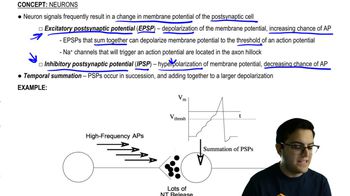
  • Postsynaptic Potentials and Summation
    05:33

Introduction to Ecology

  • Levels of Ecological Study
    05:01
  • Introduction to Ecology Example 1
    02:31
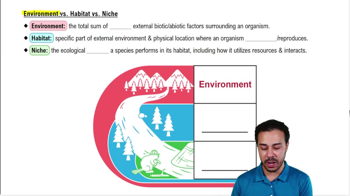
  • Environment vs. Habitat vs. Niche
    01:57

Introduction to Population Ecology

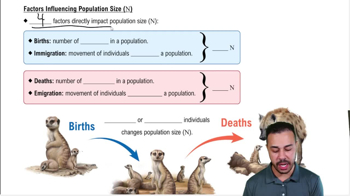
  • Factors Affecting Population Size (N)
    01:48
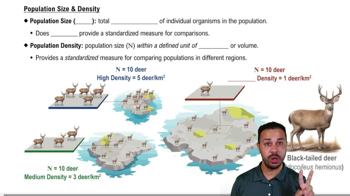
  • Population Size & Density
    01:52
  • Introduction to Population Ecology Example 3
    01:51

Population Demography

  • Life Tables
    03:49
  • Population Demography Example 1
    02:18
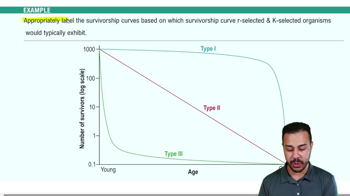
  • Survivorship Curves
    02:54

Factors Limiting Population Growth

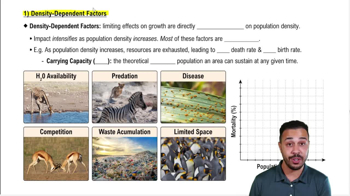
  • Density-Dependent Factors
    02:37
  • Factors Limiting Population Growth
    00:51
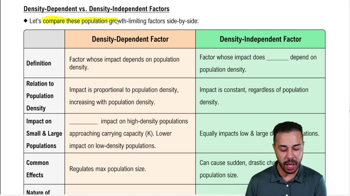
  • Density-Dependent vs. Density-Independent Factors
    03:14

Introduction to Population Growth Models

  • Introduction to Population Growth Models Example 3
    02:52
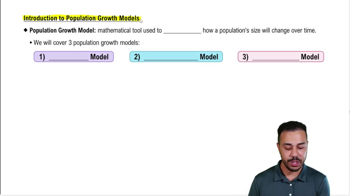
  • Introduction to Population Growth Models
    01:09
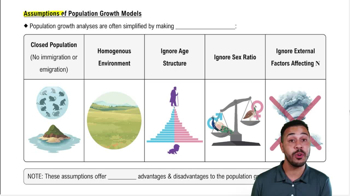
  • Assumptions of Population Growth Models
    03:29

Exponential Population Growth

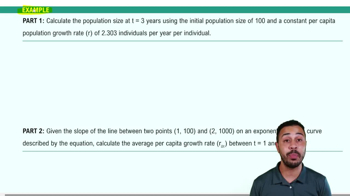
  • Exponential Population Growth Example 2
    07:34
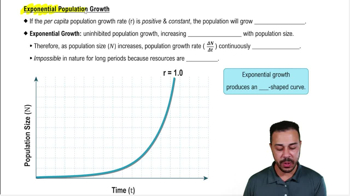
  • Exponential Population Growth
    03:05
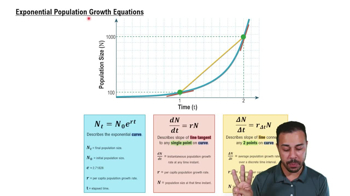
  • Exponential Population Growth Equations
    06:35

Logistic Population Growth

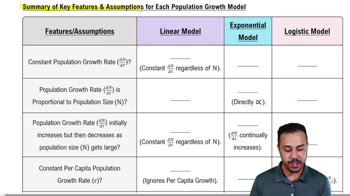
  • Summary of Key Features & Assumptions for Each Population Growth Model
    07:28
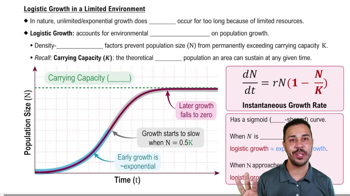
  • Logistic Growth in a Limited Environment
    05:00
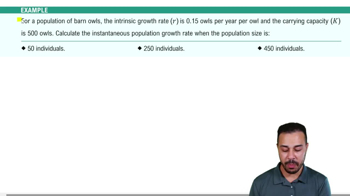
  • Logistic Population Growth Example 1
    04:28

r/K Selection

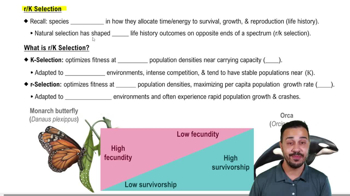
  • r/K Selection
    04:08
  • r/K Selection Example 1
    02:01

Introduction to Community Ecology

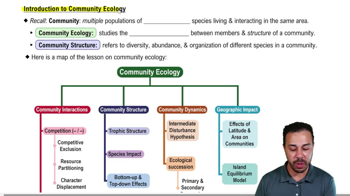
  • Introduction to Community Ecology
    02:03

Introduction to Community Interactions

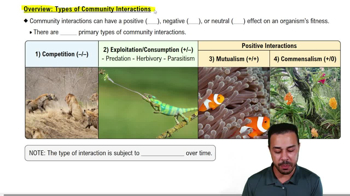
  • Overview: Types of Community Interactions
    02:55
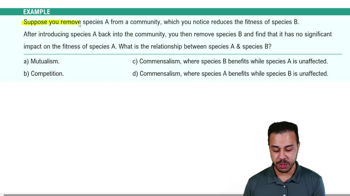
  • Introduction to Community Interactions Example 1
    02:23
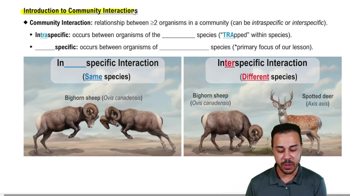
  • Introduction to Community Interactions
    01:57

Community Interactions: Competition (-/-)

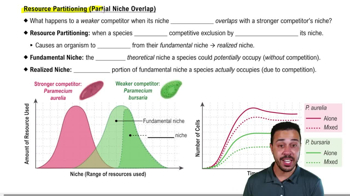
  • Resource Partitioning (Partial Niche Overlap)
    03:57
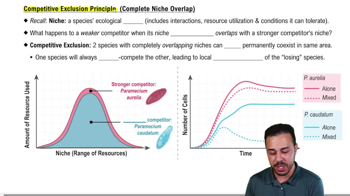
  • Competitive Exclusion Principle (Complete Niche Overlap)
    04:23
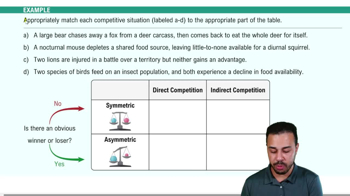
  • Community Interactions: Competition (-/-) Example 1
    04:23

Community Interactions: Exploitation (+/-)

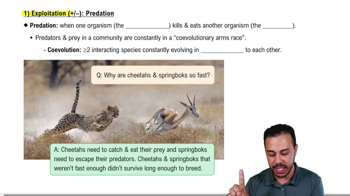
  • 1) Exploitation (+/-): Predation
    01:42
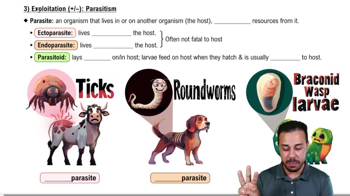
  • 3) Exploitation (+/-): Parasitism
    02:37
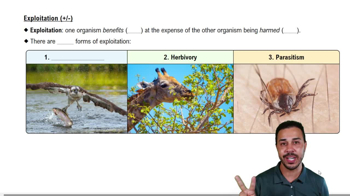
  • Community Interactions: Exploitation (+/–)
    00:49

Community Interactions: Mutualism (+/+) & Commensalism (+/0)

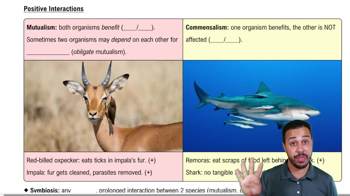
  • Positive Interactions
    02:56
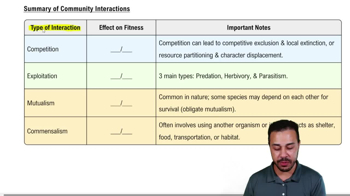
  • Summary of Community Interactions
    01:52

Community Structure

  • Community Structure Example 3
    02:22
  • Community Structure Example 1
    03:37
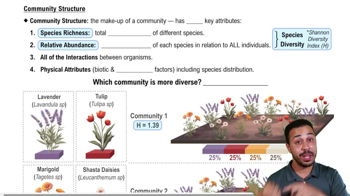
  • Community Structure
    04:25

Community Dynamics

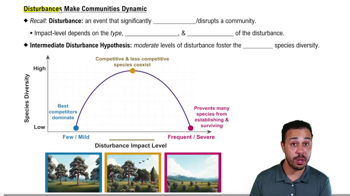
  • Disturbances Make Communities Dynamic
    03:37
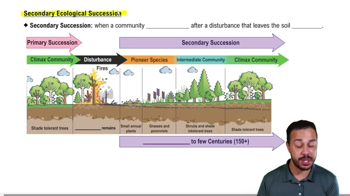
  • Secondary Ecological Succession
    02:31
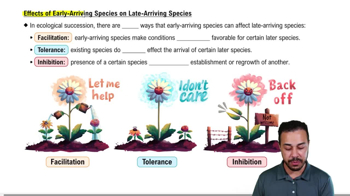
  • Effects of Early-Arriving Species on Late-Arriving Species
    01:34

Introduction to Ecosystems

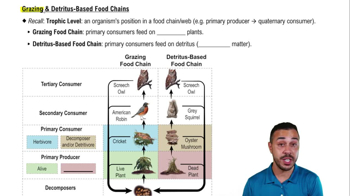
  • Grazing & Detritus-Based Food Chains
    03:29
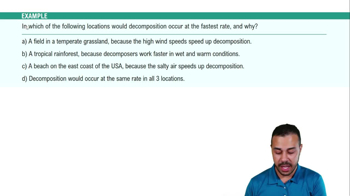
  • Introduction to Ecosystems Example 2
    01:57
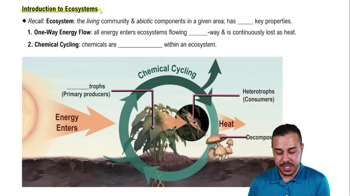
  • Introduction to Ecosystems
    04:07

Energy Flow Through Ecosystems

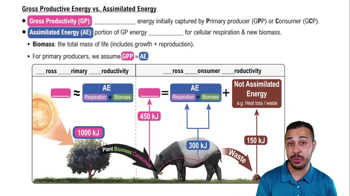
  • Gross Productive Energy vs. Assimilated Energy
    05:28
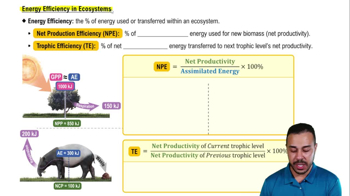
  • Energy Efficiency in Ecosystems
    06:28
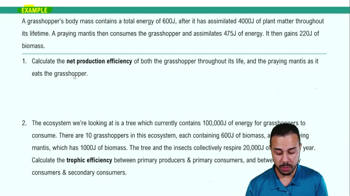
  • Energy Flow Through Ecosystems Example 2
    07:07

Biogeochemical Cycles

  • Biogeochemical Cycles Example 2
    02:40
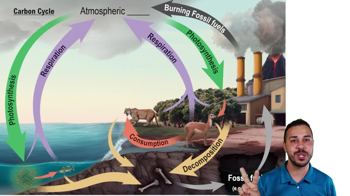
  • Carbon Cycle
    04:20
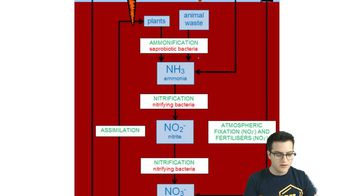
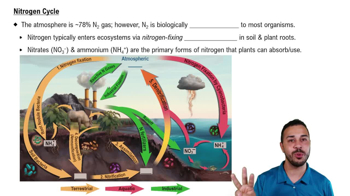
  • Nitrogen Cycle
    08:32