 Back
Microbes, Plants, and Fungi: Diversity and Evolution
Study Guide - Smart Notes
 Tailored notes based on your materials, expanded with key definitions, examples, and context.
Microbes, Plants, and Fungi
Introduction to Microbes
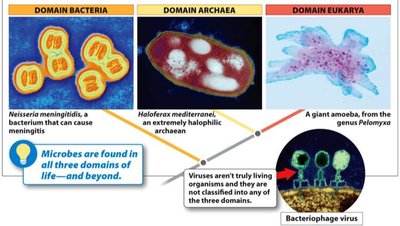
Microbes, or "small life," are genetically diverse organisms that can live in a wide range of environments. They are found in all three domains of life: Bacteria, Archaea, and Eukarya. Microbes are abundant and play essential roles in ecosystems and human health.
Genetic Diversity: Microbes exhibit vast genetic variation, allowing them to adapt to diverse habitats.
Ubiquity: Microbes are found in soil, water, air, and even extreme environments such as hot springs and salt flats.
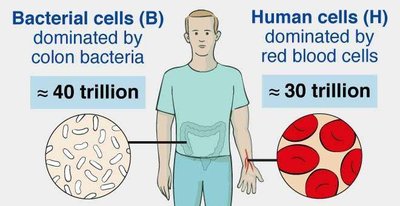
Abundance: Microbial cells outnumber human cells in the body, with an estimated 40 trillion bacterial cells compared to 30 trillion human cells.
Domain Bacteria
Characteristics of Bacteria
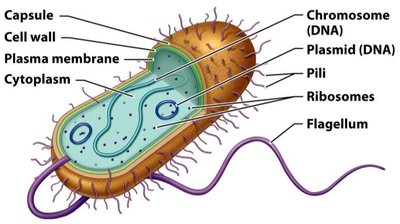
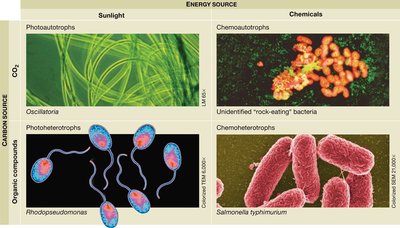
Bacteria are prokaryotic organisms, meaning they lack a nucleus and membrane-bound organelles. They are typically unicellular and microscopic, with a simple cell structure.
Cell Structure: Bacteria have a cell wall, plasma membrane, cytoplasm, ribosomes, and genetic material (DNA) in the form of a single circular chromosome. Some bacteria also contain plasmids (small DNA molecules), pili, and flagella for movement.
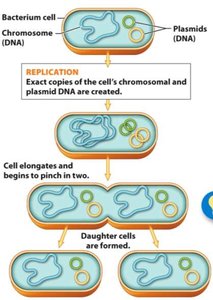
Reproduction: Bacteria reproduce asexually by binary fission, a process in which the cell divides into two identical daughter cells.
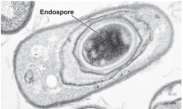
Endospores: Some bacteria can form endospores, which are resistant structures that allow survival in harsh conditions.
Genetic Exchange in Bacteria
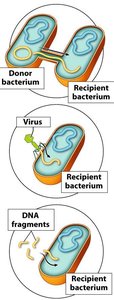
Bacteria can exchange genetic material through several mechanisms, increasing genetic diversity and adaptability.
Conjugation: Direct transfer of DNA from one bacterium to another via a pilus.
Transduction: Transfer of bacterial genes by viruses (bacteriophages).
Transformation: Uptake of free DNA from the environment.
Roles of Bacteria
Decomposition: Bacteria decompose organic waste and recycle nutrients in ecosystems.
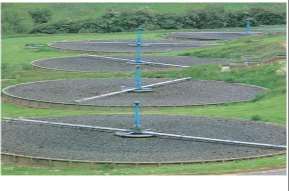
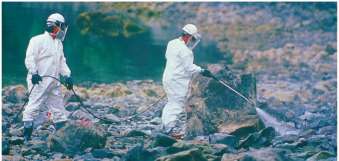
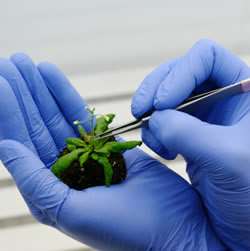
Biotechnology: Used in the production of food (e.g., yogurt, cheese), degradation of pollutants, and genetic engineering.
Pathogenicity: Some bacteria cause diseases in humans, animals, and plants. Pathogenic bacteria may produce exotoxins (secreted proteins) or endotoxins (released from cell membranes upon cell death).

Antibiotic Resistance
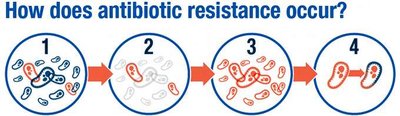
Antibiotic resistance occurs when bacteria evolve mechanisms to survive exposure to antibiotics. This is a growing public health concern due to the misuse and overuse of antibiotics in medicine and agriculture.
Mechanisms: Resistance genes can be spread through conjugation, transformation, or transduction.
Consequences: Infections become harder to treat, leading to increased morbidity and mortality.
Domain Archaea
Characteristics of Archaea
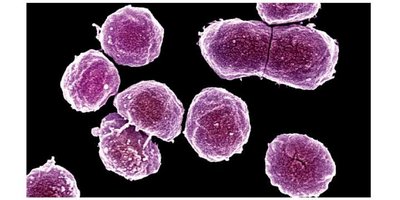
Archaea are prokaryotic organisms similar in appearance to bacteria but genetically and biochemically distinct. They can be unicellular or multicellular and exhibit diverse metabolic pathways.
Extreme Environments: Many archaea are extremophiles, living in environments with high salinity, temperature, acidity, or pressure.
Roles: Archaea play important roles in digestion, cleaning mineral deposits, and are present in plankton. Some are used in biotechnology, such as PCR (polymerase chain reaction).
Domain Eukarya
Protists
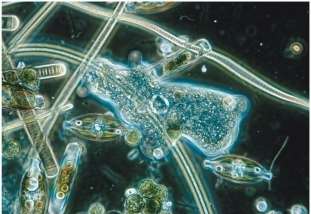
Protists are a diverse group of mostly unicellular eukaryotic organisms. They can be autotrophic, heterotrophic, or mixotrophic, and are primarily aquatic.
Animal-like Protists: Include parasites such as Giardia, Trichomonas, Plasmodium (malaria), and Entamoeba.
Fungi-like Protists: Water molds and slime molds, important decomposers.
Plant-like Protists: Algae such as dinoflagellates, diatoms, red, brown, and green algae. Green algae are the closest relatives to land plants.
Plants (Kingdom Plantae)
Plants are multicellular, photoautotrophic organisms with cell walls made of cellulose. They evolved from green algae and adapted to life on land through various structural and reproductive innovations.
Adaptations: Waxy cuticle, stomata, cellulose cell walls, vascular tissue (xylem and phloem), and protected embryos.
Evolution: Major groups include bryophytes (nonvascular), seedless vascular plants (ferns), gymnosperms (seeded, cones), and angiosperms (seeded, flowers).

Fungi (Kingdom Fungi)
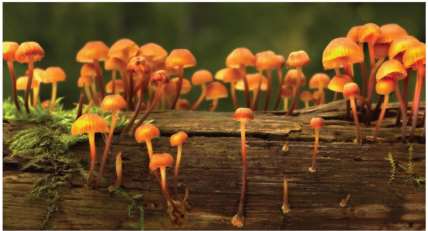
Fungi are eukaryotic organisms that can be unicellular or multicellular. They are chemoheterotrophic, secreting digestive enzymes and absorbing nutrients. Fungi play crucial roles as decomposers, symbionts, and pathogens.
Structure: Composed of hyphae (filaments) forming a mycelium. Mushrooms are reproductive structures for spore dispersal.
Roles: Decompose organic matter, provide plant nutrition, and are used in food production and medicine (e.g., Penicillin).
Pathogenicity: Some fungi cause diseases in plants and humans.
Classification of Life: The Three Domains
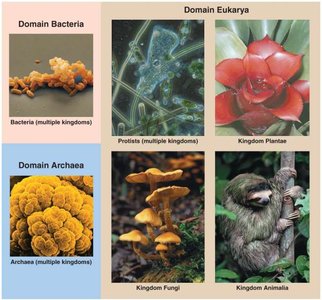
All life is classified into three domains: Bacteria, Archaea, and Eukarya. Each domain contains multiple kingdoms, with Eukarya including protists, plants, fungi, and animals.
Domain | Examples |
|---|---|
Bacteria | Bacteria (multiple kingdoms) |
Archaea | Archaea (multiple kingdoms) |
Eukarya | Protists, Kingdom Plantae, Kingdom Fungi, Kingdom Animalia |
Summary Table: Key Differences Among Microbes, Plants, and Fungi
Group | Cell Type | Nutrition | Structure | Reproduction |
|---|---|---|---|---|
Bacteria | Prokaryotic | Varied (autotrophic/heterotrophic) | Unicellular, cell wall (peptidoglycan) | Binary fission |
Archaea | Prokaryotic | Varied (autotrophic/heterotrophic) | Unicellular, cell wall (no peptidoglycan) | Binary fission |
Protists | Eukaryotic | Autotrophic/heterotrophic/mixotrophic | Mostly unicellular | Varied (asexual/sexual) |
Plants | Eukaryotic | Photoautotrophic | Multicellular, cell wall (cellulose) | Alternation of generations |
Fungi | Eukaryotic | Chemoheterotrophic | Unicellular/multicellular, cell wall (chitin) | Sexual/asexual spores |
