 Back
Milk and Dairy Products: Biological, Chemical, and Processing Fundamentals
Study Guide - Smart Notes
 Tailored notes based on your materials, expanded with key definitions, examples, and context.
Milk: Biological Origin and Composition
Definition and Source
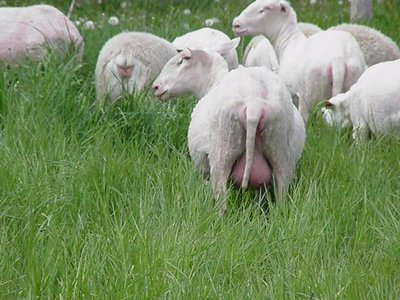
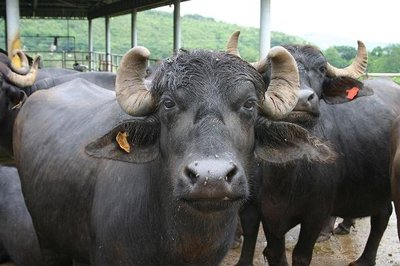
Milk is the normal lacteal secretion of mammals, practically free from colostrum, and is a fundamental biological fluid for the nourishment of young mammals. In commercial contexts, milk refers to the product obtained from the complete milking of one or more hooved mammals, such as cows, goats, sheep, and buffalo.
Key Point 1: Milk is produced by mammary glands and is essential for neonatal nutrition.
Key Point 2: Commercial milk must meet strict pasteurization and quality guidelines.
Example: Cow's milk is the most widely consumed, but milk from goats, sheep, buffalo, and even camels is also used globally.



Colostrum and Transition to Milk
Colostrum is the first milk produced after birth, characterized by lower lactose, higher protein, and immunoglobulins. After approximately three days, milk is considered "practically free from colostrum," suitable for commercial sale.
Key Point 1: Colostrum provides essential antibodies and nutrients for newborns.
Key Point 2: Commercial milk is collected after the colostrum phase to ensure consistent composition.
Alternative Milk Products
Plant-Based Alternatives
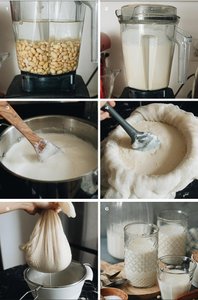
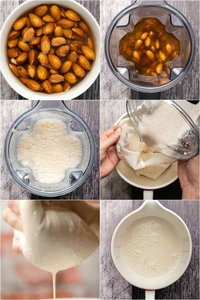
Alternative products such as soy and almond "milk" are produced from plant sources and are used as substitutes for animal milk. Their production involves soaking, blending, and filtering plant materials.
Key Point 1: Soy and almond milks differ significantly in protein, fat, and micronutrient content compared to cow's milk.
Key Point 2: These alternatives are suitable for lactose-intolerant individuals or those seeking plant-based diets.
Example: Soy milk is made by blending soaked soybeans and filtering the mixture; almond milk is produced similarly from almonds.
Nutritional Comparison
The nutritional content of whole milk, soy milk, and almond milk varies in protein, sugar, fat, and micronutrients. The following table summarizes these differences:
Component | Whole Milk | Soy "Milk" | Almond "Milk" |
|---|---|---|---|
Protein | 7.5 g | 8 g | 1 g |
Sugar | 11 g | 9.7 g | 15.2 g |
Fat | 7.3 g | 4.3 g | 1 g |
Calcium | 282 mg | 60.8 mg | 188 mg |
Phosphorous | 231 mg | 126 mg | 8 mg |
Sodium | 87 mg | 124 mg | 63 mg |
Potassium | 344 mg | 287 mg | 50 mg |
Magnesium | 27 mg | 61 mg | 7 mg |
Component | Whole Milk | Soy "Milk" | Almond "Milk" |
|---|---|---|---|
Vitamin A | 73 mcg | 0 mcg | 63 mcg |
Riboflavin (B2) | 0.30 mg | 0.17 mg | 0.18 mg |
Vitamin B12 | 1.2 mcg | 0 mcg | 0 mcg |
Pantothenic acid (B5) | 0.80 mcg | 0.90 mg | N.D. |
Niacin (B3) | 0.20 mg | 1.25 mg | 0.07 mg |
Milk Processing and Quality Control
Path of Milk and Dairy Products
Milk follows a path from the farm to the consumer, involving collection, transportation, processing, and distribution. Each step is regulated to ensure quality and safety.
Key Point 1: Milk is collected from dairy animals, transported in refrigerated tankers, processed in factories, and distributed to retail outlets.
Key Point 2: Quality control is essential at every stage to prevent contamination and spoilage.

Quality Control Measures
Quality control involves testing for somatic cell count (SCC), butterfat content, bacterial count, water percentage, and presence of antibiotics. The Pasteurized Milk Ordinance (PMO) sets the standards for milk safety and quality in the US.
Key Point 1: SCC must be below 750,000 cells/mL (ideally <400,000 cells/mL).
Key Point 2: Bacterial counts are monitored using PI, LPC, and SPC tests.
Key Point 3: The Babcock test is used to determine fat percentage.
Newer Technologies
Modern technologies such as FTIR (Fourier Transform Infrared) and NIR (Near Infrared) are used for rapid analysis of milk components, bacteria counts, and somatic cell counts.
Key Point 1: These technologies improve efficiency and accuracy in quality control.
Key Point 2: They can measure fat, protein, and short-chain fatty acids in dairy products.
Milk Processing: Types and Steps
Fat Standardization
Milk is processed into various types based on fat content: skim (<0.5%), 1%, 2%, and whole (3.25%). Fat-soluble vitamins A and D are added to low-fat milk to compensate for losses during fat removal.
Key Point 1: Standardization allows production of a range of milk products to meet consumer preferences.
Key Point 2: Vitamin fortification ensures nutritional adequacy.
Pasteurization
Pasteurization is the process of heating milk to kill pathogenic bacteria, invented by Louis Pasteur. Several methods are used:
Vat Pasteurization: 145ºF for 30 minutes (small batches).
HTST (High Temperature Short Time): 161ºF for 15 seconds (most common).
UP (Ultra-Pasteurization): 192ºF to 212ºF for ~1 second.
UHT (Ultra-High Temperature): 280ºF for 2 seconds (long shelf life).
Equation: Pasteurization temperature-time relationship:
Homogenization
Homogenization, invented by Augustin Gaulin, is the process of emulsifying milk fat to prevent cream separation. This results in a uniform texture and prevents the "creamline" effect.
Key Point 1: Homogenization breaks up fat globules, improving milk stability.
Key Point 2: Homogenized milk is preferred for fluid consumption but less ideal for cheese making.
Dairy Products: Cheese and Ice Cream
Cheese Production
Cheese is produced by concentrating protein (casein) and fat, with moisture content determining the type of cheese. Starter cultures (mesophilic, thermophilic, adjunct) are used to produce lactic acid, break down protein, and generate carbon dioxide.
Key Point 1: Hard cheeses have 50-55% moisture; soft cheeses have >67% moisture.
Key Point 2: Raw milk cheese must be aged at least 60 days to ensure safety.
Key Point 3: Most cheese is made from pasteurized milk; homogenization is avoided to retain solids.
Ice Cream Production
Ice cream must contain at least 1.6 pounds of total solids per gallon, weigh not less than 4.5 pounds per gallon, and have at least 10% milkfat. Quality is based on overrun (air content), fat content, milk solids not fat (MSNF), texture, emulsifiers, and stabilizers.
Key Point 1: Overrun is typically 50% by volume, affecting texture and mouthfeel.
Key Point 2: Ice cream mix is pasteurized at higher temperatures than milk and aged before freezing.
Milk Safety and Regulations
Pasteurized Milk Ordinance (PMO)
The PMO is the regulatory handbook for milk processors, covering milk, ice cream, yogurt, and some cheeses. Grade "A" is the standard for fluid milk and related products.
Key Point 1: Milk is the most highly regulated food in the US.
Key Point 2: PMO ensures safety and quality for all dairy products.
Raw and Organic Milk
Raw milk has not undergone pasteurization and carries a higher risk for foodborne pathogens such as EHEC, Listeria, Campylobacter, Cryptosporidium, Salmonella, and Brucella. Organic milk is produced under strict guidelines, including no antibiotics and certified organic feed and pasture.
Key Point 1: Raw milk is only legally used for aged cheese due to safety concerns.
Key Point 2: Organic milk does not differ significantly in nutritional value from conventional milk.
Historical and Biological Context
Historical Facts
The development of the smallpox vaccine is linked to dairy, as Edward Jenner and Louis Pasteur used cowpox virus to create immunity. The term "vaccine" derives from "vacca," Latin for cow.
Key Point 1: Dairy played a crucial role in the history of immunology.
Summary Table: Types of Milk and Dairy Products
Product | Key Features | Processing |
|---|---|---|
Whole Milk | High fat, protein, calcium | Pasteurized, homogenized |
Skim Milk | Low fat, added vitamins | Pasteurized, homogenized |
Soy Milk | Plant-based, high protein | Blended, filtered |
Almond Milk | Plant-based, low protein | Blended, filtered |
Cheese | Concentrated protein/fat | Starter cultures, aged |
Ice Cream | High fat, air content | Pasteurized, frozen |
References
Smith-Spangler, Crystal, et al. "Are organic foods safer or healthier than conventional alternatives?: a systematic review." Annals of internal medicine 157.5 (2012): 348-366.
Bourn, Diane, and John Prescott. "A comparison of the nutritional value, sensory qualities, and food safety of organically and conventionally produced foods." Critical reviews in food science and nutrition 42.1 (2002): 1-34.
Winter, Carl K., and Sarah F. Davis. "Organic foods." Journal of food science 71.9 (2006): R117-R124.
