 Back
BackMitosis and Meiosis: Cellular Division and Chromosome Dynamics
Study Guide - Smart Notes
 Tailored notes based on your materials, expanded with key definitions, examples, and context.
Cellular Division
Overview of Cellular Division
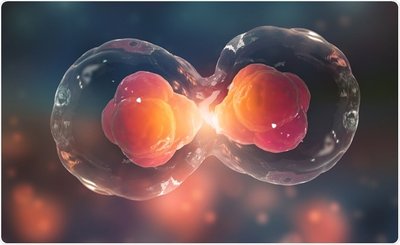
Cellular division is the process by which a parent cell divides to produce daughter cells. This process is fundamental for growth, development, repair, and reproduction in living organisms. There are three main types of cellular division: binary fission, mitosis, and meiosis.
Binary Fission: Occurs in prokaryotes (bacteria and archaea) and results in two genetically identical cells.
Mitosis: Responsible for growth, development, and repair in eukaryotes; produces two genetically identical diploid cells.
Meiosis: Produces gametes (sperm and egg) in sexually reproducing organisms; results in four genetically unique haploid cells.
Chromosome Structure and Ploidy
Chromosome Organization
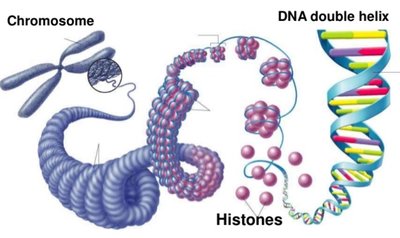
Chromosomes are highly organized structures composed of DNA and proteins. DNA wraps around histone proteins to form nucleosomes, which further coil to create chromatin and, ultimately, condensed chromosomes visible during cell division.
Nucleosome: The basic unit of DNA packaging, consisting of DNA wrapped around histone proteins.
Chromatin: The complex of DNA and proteins that forms chromosomes within the nucleus.
Chromosome: A single, long DNA molecule with associated proteins, carrying genetic information.
Chromosome Number (Ploidy)
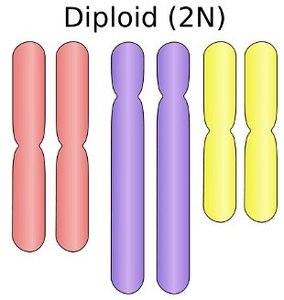
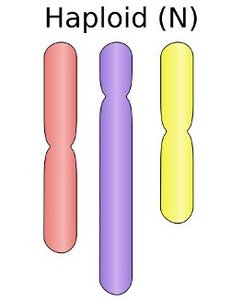
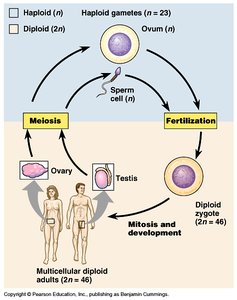
Ploidy refers to the number of sets of chromosomes in a cell. Most somatic (body) cells are diploid (2n), while gametes are haploid (n).
Diploid (2n): Cells with two sets of chromosomes (one from each parent); typical of somatic cells.
Haploid (n): Cells with one set of chromosomes; typical of gametes (sperm and egg).
Homologous Chromosomes and Sex Chromosomes
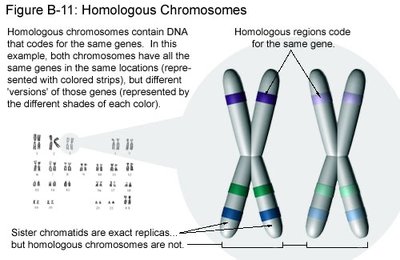
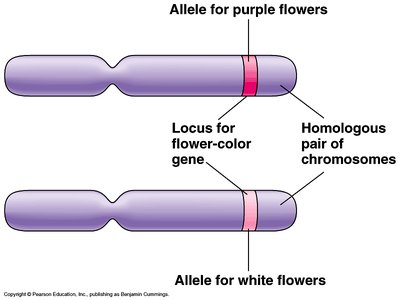
Homologous chromosomes are pairs that are similar in size, shape, and gene content but may carry different alleles. Sex chromosomes determine the biological sex of an organism (e.g., X and Y in humans).
Homologous Chromosomes: Carry the same genes at the same loci but may have different alleles.
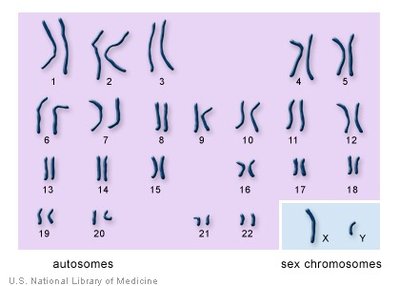
Sex Chromosomes: Chromosomes involved in determining sex (e.g., XX for female, XY for male in humans).
Karyotype
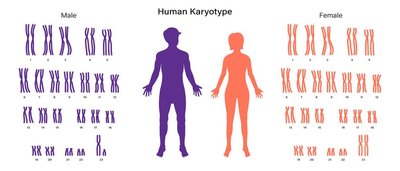
A karyotype is a visual representation of the chromosomes in a cell, arranged by size, shape, and number. It is used to detect chromosomal abnormalities and determine sex.
The Cell Cycle
Phases of the Cell Cycle
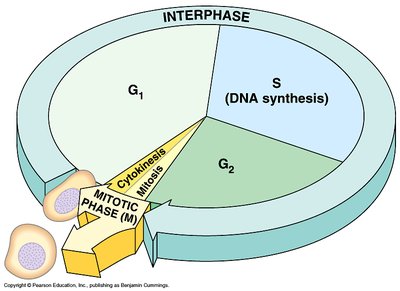
The cell cycle is the ordered sequence of events that a cell undergoes, including growth, DNA replication, and division. It consists of interphase (G1, S, G2) and the mitotic phase (mitosis and cytokinesis).
G1 Phase: Cell growth and preparation for DNA synthesis.
S Phase: DNA replication occurs.
G2 Phase: Further growth and preparation for mitosis.
M Phase: Mitosis and cytokinesis, resulting in two daughter cells.
Mitosis
Purpose and Overview
Mitosis is the process of nuclear division that produces two genetically identical diploid daughter cells. It is essential for growth, tissue repair, and asexual reproduction in some organisms.
Key Functions: Growth, repair, and asexual reproduction.
Result: Two diploid (2n) daughter cells identical to the parent cell.
Stages of Mitosis
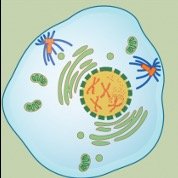
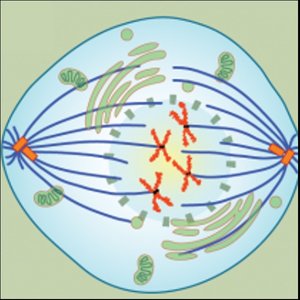
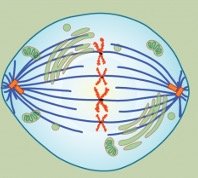
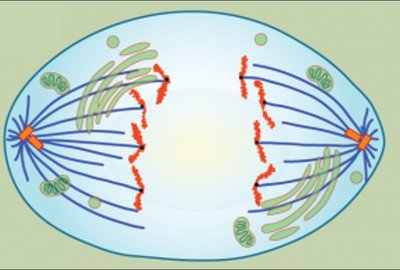
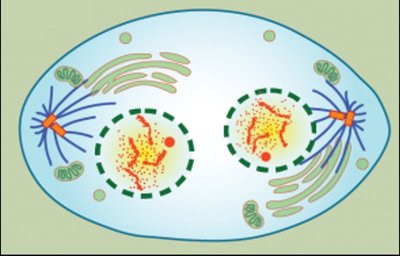
Mitosis is divided into five main stages: prophase, prometaphase, metaphase, anaphase, and telophase. Each stage ensures the accurate segregation of chromosomes.
Prophase: Chromosomes condense, spindle fibers form, nuclear envelope breaks down.
Prometaphase: Kinetochores form, microtubules attach to chromosomes, centrosomes move to poles.
Metaphase: Chromosomes align at the metaphase plate.
Anaphase: Sister chromatids separate and move to opposite poles.
Telophase: Chromosomes decondense, nuclear envelope reforms, spindle breaks down.
Cytokinesis
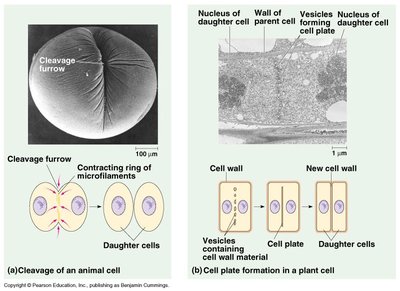
Cytokinesis is the division of the cytoplasm, resulting in two separate daughter cells. In animal cells, this occurs via a cleavage furrow; in plant cells, a cell plate forms.
Meiosis
Purpose and Overview
Meiosis is a specialized form of cell division that reduces the chromosome number by half, producing four genetically unique haploid gametes. It is essential for sexual reproduction and genetic diversity.
Key Functions: Production of gametes (sperm and egg), genetic variation.
Result: Four haploid (n) cells, each genetically distinct from the parent cell and each other.
Stages of Meiosis
Meiosis consists of two sequential divisions: Meiosis I and Meiosis II. Each division has its own set of phases.
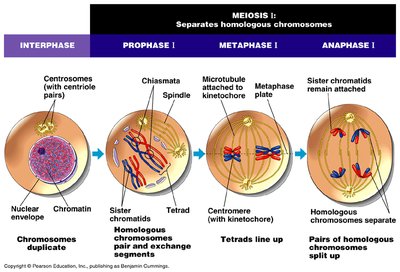
Meiosis I: Homologous chromosomes separate, reducing chromosome number by half.
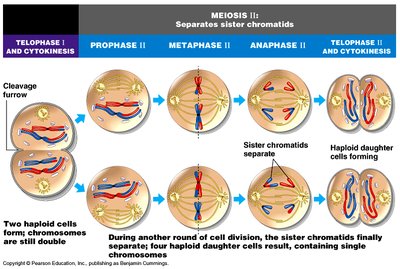
Meiosis II: Sister chromatids separate, similar to mitosis.

Meiosis I
Prophase I: Homologous chromosomes pair and exchange segments (crossing over).
Metaphase I: Homologous pairs align at the metaphase plate.
Anaphase I: Homologous chromosomes separate to opposite poles.
Telophase I and Cytokinesis: Two haploid cells form; chromosomes are still double.
Meiosis II
Prophase II: Chromosomes condense in each haploid cell.
Metaphase II: Chromosomes align at the metaphase plate.
Anaphase II: Sister chromatids separate.
Telophase II and Cytokinesis: Four haploid daughter cells are produced.
Genetic Variation: Crossing Over
During Prophase I of meiosis, homologous chromosomes exchange genetic material in a process called crossing over. This increases genetic diversity among offspring.
Chiasmata: Sites where crossing over occurs between non-sister chromatids.
Result: Recombinant chromosomes with new combinations of alleles.
Comparison of Mitosis and Meiosis
Feature | Mitosis | Meiosis |
|---|---|---|
Number of Divisions | One | Two |
Number of Daughter Cells | Two | Four |
Chromosome Number in Daughter Cells | Diploid (2n) | Haploid (n) |
Genetic Identity | Identical to parent | Genetically unique |
Function | Growth, repair, asexual reproduction | Sexual reproduction, genetic diversity |
Applications and Laboratory Observations
Microscopic examination of dividing cells (e.g., onion root tip, whitefish blastula, grasshopper testes) allows visualization of mitosis and meiosis stages. Simulations (such as using Lego kits) help reinforce understanding of chromosome behavior during division.
Example: In humans, meiosis occurs in the testes (males) and ovaries (females), producing sperm and eggs, respectively. Fertilization restores the diploid chromosome number in the zygote.
Additional info: The duration of meiosis varies: about one month in males and 10–50 years in females, reflecting differences in gamete production timing.
