 Back
BackNon-Mendelian Inheritance and Pedigrees: Advanced Patterns in Human Genetics
Study Guide - Smart Notes
 Tailored notes based on your materials, expanded with key definitions, examples, and context.
Non-Mendelian Inheritance
Overview of Non-Mendelian Patterns
While Mendel's principles of segregation and independent assortment form the foundation of classical genetics, many traits in organisms do not follow simple Mendelian inheritance. These complex patterns arise due to various genetic and environmental factors.
Incomplete Dominance and Codominance: Alleles may not be completely dominant or recessive, resulting in intermediate or combined phenotypes.
Multiple Alleles: Some genes have more than two alleles, increasing phenotypic diversity.
Polygenic Inheritance: Multiple genes contribute additively to a single phenotype.
Environmental Impact: Phenotype can be influenced by environmental conditions.
Non-Nuclear Inheritance: Genes located outside the nucleus, such as in mitochondria or chloroplasts, can affect traits.
Pleiotropy
Definition and Effects
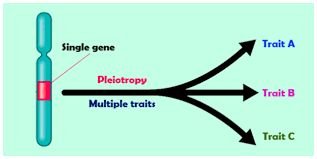
Pleiotropy occurs when a single gene influences multiple, seemingly unrelated phenotypic traits. This phenomenon is common in genetic disorders and complex traits.
Genetic Basis: One gene affects several aspects of an organism's phenotype.
Examples: Sickle cell anemia and cystic fibrosis are classic examples where mutations in a single gene cause multiple symptoms.
Inheritance Pattern: Pleiotropic genes typically follow Mendelian inheritance, but their effects are broad.
Polygenic Inheritance
Multiple Genes and Continuous Variation
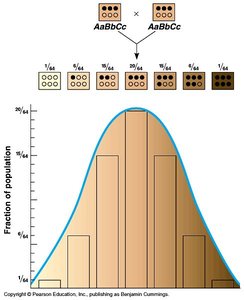
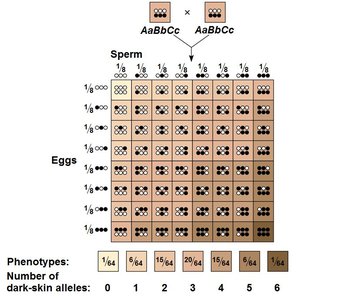
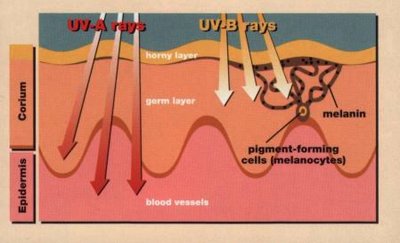
Polygenic inheritance describes traits controlled by two or more genes, often resulting in a continuous range of phenotypes. Human traits such as skin tone, height, eye color, and hair texture are polygenic.
Additive Effects: Each gene contributes a small amount to the overall phenotype.
Phenotypic Continuum: Traits show gradation rather than discrete categories.
Example: Skin color is determined by several genes, each with multiple alleles.
Epistasis
Gene-Gene Interactions
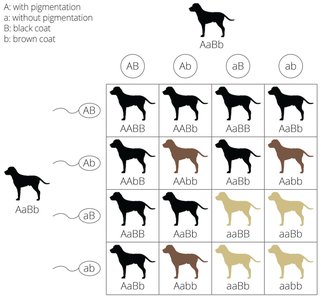
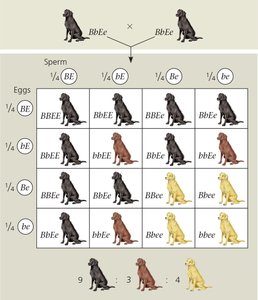
Epistasis occurs when the expression of one gene is affected by another gene. The phenotype of one gene depends on the presence of alleles at another locus.
Example: Coat color in Labrador retrievers is determined by two genes: B (black/brown pigment) and E (pigment deposition). The E gene is epistatic to the B gene.
Phenotypic Ratio: Epistasis can alter expected Mendelian ratios in offspring.
Non-Nuclear Inheritance
Mitochondrial and Chloroplast DNA
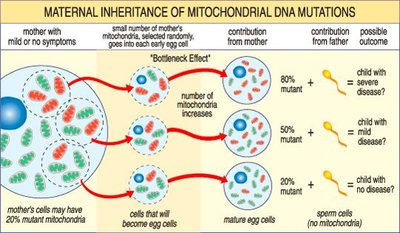
Non-nuclear inheritance involves genes located outside the nucleus, primarily in mitochondria and chloroplasts. These organelles contain their own DNA, which is inherited maternally in most animals.
Mitochondrial DNA: Encodes proteins essential for cellular respiration.
Maternal Inheritance: Only the mother contributes mitochondria to offspring.
Impact: Mutations in mitochondrial DNA can cause diseases affecting energy metabolism.
Environmental Impact (Phenotypic Plasticity)
Gene-Environment Interactions
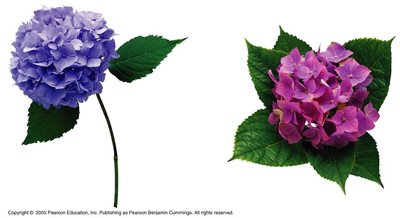
Environmental factors can influence gene expression, leading to phenotypic plasticity. While the genotype remains unchanged, the phenotype can vary depending on external conditions.
Examples: Animal coat color changes with seasonal light variation; hydrangea flower color changes with soil acidity.
Phenotype vs. Genotype: Environmental effects do not alter the underlying genetic code.

Human Genetics
Chromosomes and Sex Determination
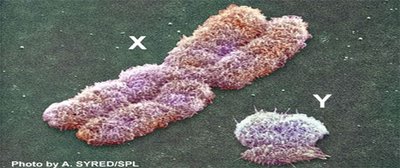
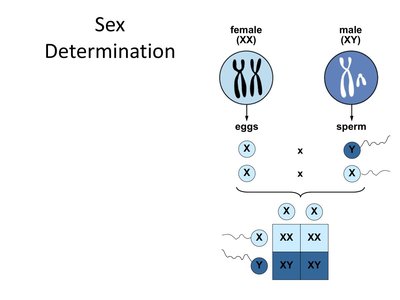
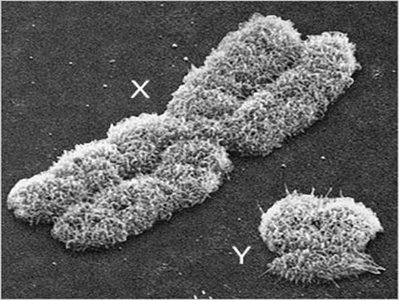
Humans have 23 pairs of chromosomes: 22 pairs of autosomes and 1 pair of sex chromosomes (XX for females, XY for males). The X chromosome carries many genes, most unrelated to sex determination, and is essential for both sexes.
Sex Chromosomes: X and Y chromosomes function as homologues during meiosis, but do not undergo crossing over.
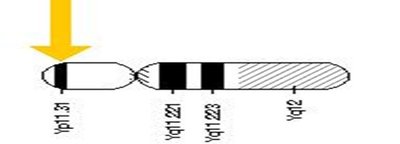
SRY Gene: The SRY gene on the Y chromosome is the master regulator for male sex determination.
X Inactivation: In females, one X chromosome is randomly inactivated during embryonic development, forming a Barr body.
Karyotyping
Chromosome Analysis
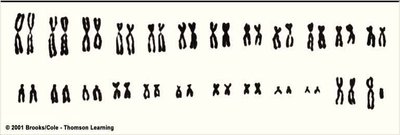
Karyotyping is a laboratory technique used to visualize chromosomes during metaphase. Chromosomes are stained to reveal banding patterns, allowing identification of structural abnormalities and chromosomal disorders.
Metaphase Arrest: Cells are chemically arrested in metaphase for optimal chromosome visibility.
Banding Patterns: Staining reveals unique patterns for each chromosome, aiding diagnosis.
Pedigrees
Pedigree Analysis and Interpretation
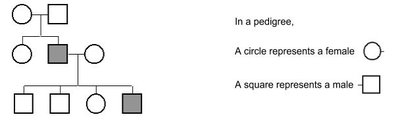
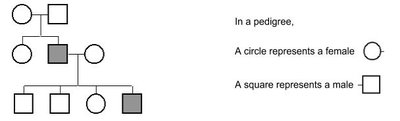
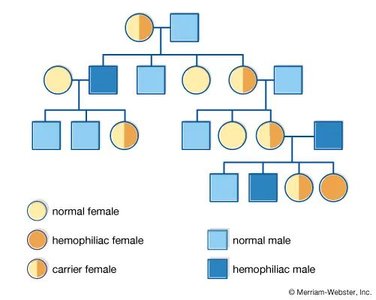
A pedigree is a diagram that traces the inheritance of genotypes and phenotypes across generations, similar to a family tree. Pedigrees are essential for studying genetic disorders and inheritance patterns in humans.
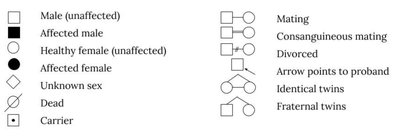
Symbols: Circles represent females, squares represent males. Shading indicates affected individuals.
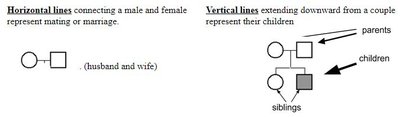
Relationships: Horizontal lines connect mates; vertical lines connect parents to offspring.
Generations: Each level represents a generation, with oldest individuals at the top.
Determining Inheritance Patterns
Dominant vs. Recessive: If both parents and offspring have a trait, it is likely dominant. If offspring have a trait but parents do not, it is likely recessive.
Autosomal vs. Sex-Linked: If mostly males are affected, the trait is likely sex-linked. If both sexes are affected equally, it is likely autosomal.
Carriers: Heterozygous individuals may be shown or inferred based on parent and offspring genotypes.
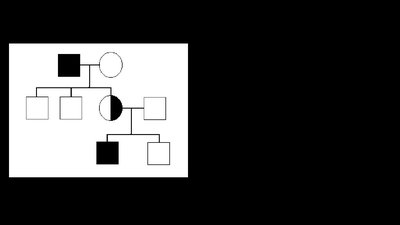
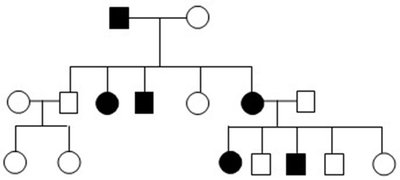
Sample Pedigree Problems
Pedigrees can be constructed from Punnett squares to visualize inheritance patterns for various traits.
Example 1: Cystic fibrosis pedigree (autosomal recessive disorder).
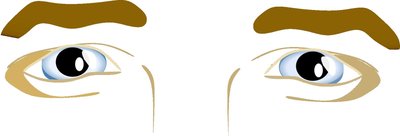
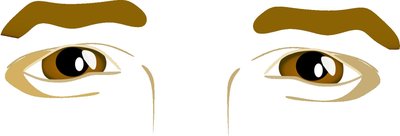
Example 2: Brown eyes (B) dominant over blue eyes (b).
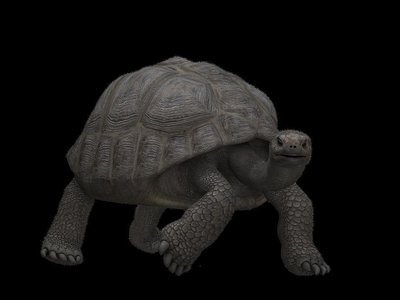
Example 3: Long necks in turtles (N) dominant over short necks (n).
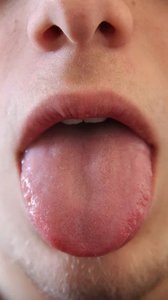
Example 4: PTC tasting (P) dominant over non-tasting (p).
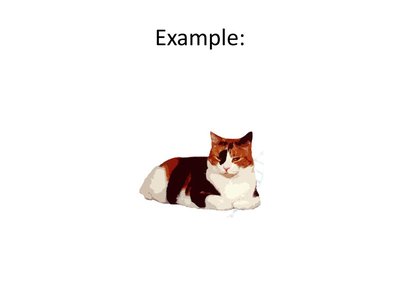
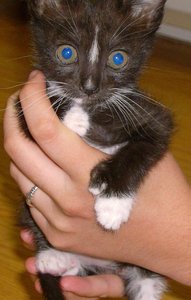
Example 5: Cat paws with 6 digits (recessive trait).
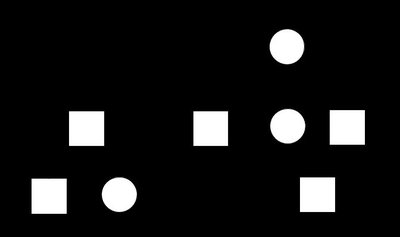
Summary Table: Types of Non-Mendelian Inheritance
Type | Genetic Basis | Example |
|---|---|---|
Pleiotropy | One gene affects multiple traits | Sickle cell anemia |
Polygenic Inheritance | Multiple genes affect one trait | Skin color, height |
Epistasis | One gene modifies expression of another | Labrador coat color |
Non-Nuclear Inheritance | Genes outside nucleus (mitochondria, chloroplasts) | Mitochondrial diseases |
Environmental Impact | Environment modifies phenotype | Hydrangea flower color |
Key Equations and Concepts
Punnett Square: Used to predict genotype and phenotype ratios.
Polygenic Trait Distribution: Often follows a normal (bell-shaped) curve.
Probability of Genotype:
Additional info: These notes expand on the original content by providing definitions, examples, and academic context for each type of inheritance and pedigree analysis, ensuring a comprehensive and self-contained study guide for exam preparation.
