 Back
BackParasites lec 14
Study Guide - Smart Notes
 Tailored notes based on your materials, expanded with key definitions, examples, and context.
Parasites and Human History
General Overview
Parasites have played a significant role in shaping human history, influencing the development of societies, migration patterns, and even the outcomes of wars. The study of ancient parasites, known as paleoparasitology, provides insight into the prevalence and impact of parasitic diseases throughout history.
Historical Evidence: Coprolites (fossilized feces), ancient latrines, and mummified remains provide direct evidence of parasitic infections in past populations.
Oldest Evidence: The oldest known evidence of parasitic worms in humans comes from sediment in a French cave, dating back 30,000 years.
Impact of Agriculture: The rise of agriculture and permanent settlements around 12,000 years ago increased human exposure to parasites due to close contact with domesticated animals and concentrated human waste.
Parasites in the Roman World
Paleoparasitology in Roman Times
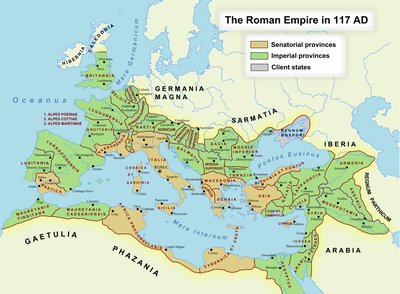
Despite advances in sanitation, the Roman Empire experienced high prevalence of parasitic diseases, particularly those transmitted via poor hygiene rather than zoonotic (animal-derived) sources.
Sources of Evidence: Most data come from ancient latrines, waste pits, and some preserved bodies.
Common Parasites:
Beef/Pork/Asiatic Tapeworm (Taenia sp.)
Capillariosis (Capillaria hepatica)
Dysentery (Entamoeba histolytica)
Liver Flukes (Fasciola sp., Dicrocoelium dendriticum)
Fish Tapeworm (Diphyllobothrium latum)
Hydatid Cysts (Echinococcus granulosus)
Malaria (Plasmodium falciparum)
Pinworm (Enterobius vermicularis)
Roundworm (Ascaris lumbricoides)
Toxoplasmosis (Toxoplasma gondii)
Whipworm (Trichuris trichiura) – most common
Sanitation Improvements: Romans built aqueducts and latrines, but communal baths and use of waste as fertilizer perpetuated transmission.
Fish Tapeworms and Food Practices
Fish tapeworms may have spread throughout the Roman Empire via garum, a popular uncooked fish sauce with lower salt content than Asian fish sauces, facilitating parasite survival.


Prevalence of Worms Over Time
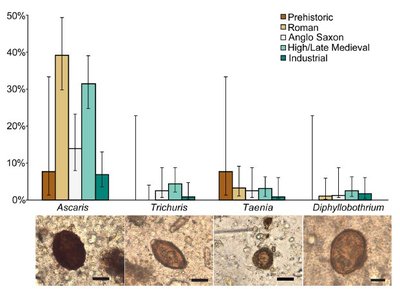
Worm prevalence in the UK has fluctuated with changes in urbanization, sanitation, and social practices. Roundworms and whipworms were especially common in Roman and medieval times.
Parasite Movement and Human Migration
Evidence for Parasite Dispersal
Silk Road: Chinese Liver Fluke found in ancient Silk Road sites, indicating human-mediated parasite movement.
Crusades: Fish tapeworm eggs found in 13th-century Jerusalem latrines likely brought by crusaders.
Regional Perceptions and Health
Populations in tropical regions often suffer from heavy parasite burdens (e.g., hookworms, Ascaris), leading to symptoms like lethargy and anemia, which have influenced social perceptions.

Religious Traditions and Parasite Avoidance
Dietary Laws and Parasitic Infections
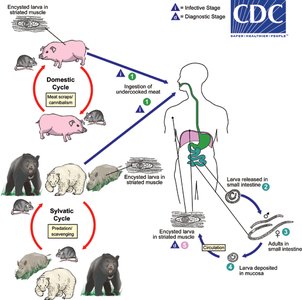
Religious prohibitions against pork in Judaic and Islamic traditions may be linked to the risk of nematode infections, such as Trichinella and Taenia, from undercooked pork.
Parasites and Human Evolution
Behavioral Adaptations
Mutual Grooming: Evolved as a defense against ectoparasites and later became a social bonding mechanism.
Language: May have arisen as group sizes increased, reducing the effectiveness of grooming for social cohesion.
Parasites and the Course of History
Guns, Germs, and Steel Hypothesis
Jared Diamond argued that diseases and parasites were major factors in the dominance of Eurasian societies, as survivors developed resistance to many pathogens, while populations in the New World and Australia had less exposure and resistance.

Battles Won by Parasites
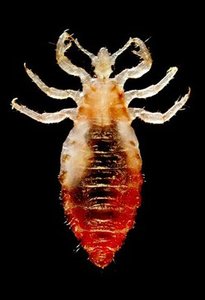
Napoleon's Russian Campaign (1812): Typhus, transmitted by body lice, devastated Napoleon's army, with only about 30,000 of 600,000 soldiers surviving.
Chinese Civil War (1949): Schistosomiasis contracted during military training prevented an invasion of Taiwan.
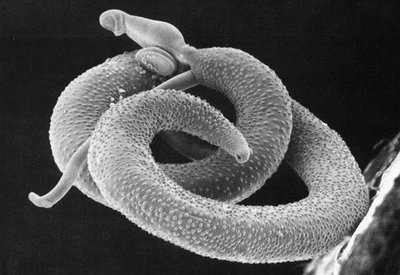
The Plague
Biology and History of Plague
Agent: Yersinia pestis (bacterium)
Forms: Bubonic (lymph nodes), septicemic (blood), pneumonic (lungs)
Vectors: Fleas (for bubonic and septicemic forms); direct transmission for pneumonic
Hosts: Rodents, especially rats
Mortality: 10% with treatment, ~70% without
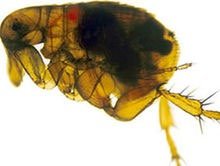
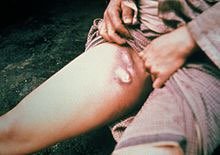
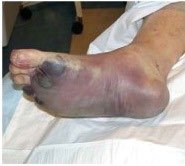
Major Plague Pandemics
Justinian Plague (6th century): ~25 million deaths
Black Death (14th century): ~20 million deaths, ~30% of Europe's population
19th Century Plague: ~15 million deaths, mostly in India
Plague Control and Quarantine
Quarantine: Originated in Venice, where ships waited 40 days before disembarking to prevent plague spread.
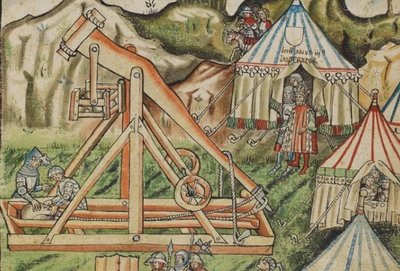
Biological Warfare: Plague-infected corpses were used as siege weapons.
Industrial Hazards and Parasites
Hookworm in Industry
Construction and mining projects in the 19th century, especially in warm, moist environments, saw outbreaks of hookworm, leading to widespread anemia among workers.
Modern Parasite Spread
Mosquitoes and Globalization
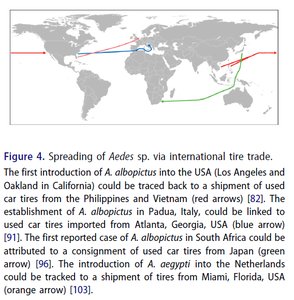
The spread of Aedes mosquitoes, vectors for diseases like Zika, has been facilitated by the international trade of used tires, which provide breeding sites for larvae.
Genetics and Parasite Resistance
Sickle Cell Disease and Malaria
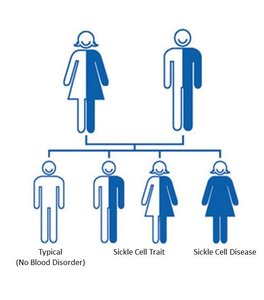
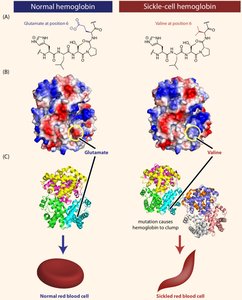
Sickle Cell Disease: A genetic disorder causing abnormal hemoglobin, leading to sickle-shaped red blood cells.
Heterozygote Advantage: Individuals with one sickle cell allele (trait) are resistant to severe malaria, explaining the persistence of the allele in populations where malaria is endemic.
Plasmodium Species and Human Migration
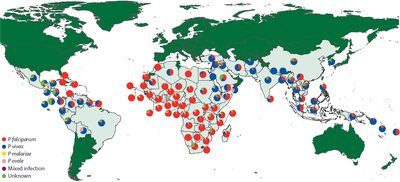
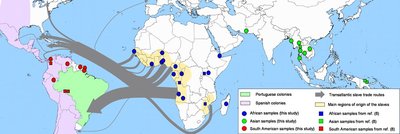
Major Species: P. falciparum (most severe), P. vivax
Origins: P. falciparum originated in Africa; P. vivax introduced to the Americas by European colonizers.

Current Parasitic Diseases in Africa
River Blindness (Onchocerciasis)
Agent: Onchocerca volvulus (nematode)
Transmission: Blackfly vector
Symptoms: Immune response to dead microfilaria causes blindness
Control: Ivermectin is effective and supplied for eradication efforts
Trypanosomiasis (Sleeping Sickness and Nagana)
Agent: Trypanosoma brucei (protozoan)
Vector: Tsetse fly (Glossina)
Impact: Limits cattle raising and agriculture in large areas of Africa; contributed to historical patterns of slavery and land use
Host Transfer and Human Disease
Origins of Human Parasites
Humans host about 397 species of parasitic worms and 70 species of parasitic protozoa.
Many human diseases originated from domesticated animals (temperate regions) or wild animals (tropical regions).
Major infectious diseases often require large populations and are relatively recent in human history.
Temperate vs. Tropical Diseases
Characteristic | Temperate Diseases | Tropical Diseases |
|---|---|---|
Geographic Origin | Mostly Old World | Mostly Old World |
Crowd Diseases | Majority | None |
Animal Source | Domesticated animals | Wild animals |
Vector Borne | Few | Many |
Multicellular Parasites | None | Majority |
Why More Diseases in Eurasia?
Longer human habitation and more domesticated animals led to more opportunities for host transfer.
Old World primates are more closely related to humans, facilitating disease transfer.
Conclusion
Parasites have profoundly influenced human biology, history, and society. Understanding their impact helps explain patterns of disease, migration, and even cultural practices throughout human history.
