 Back
BackParasites lec 15
Study Guide - Smart Notes
 Tailored notes based on your materials, expanded with key definitions, examples, and context.
Parasite Transmission and Evolutionary Stages
Stages in Animal-to-Human Disease Transfer
The evolutionary transition of diseases from animals to humans can be described in five stages, as defined by Wolfe et al. (2007). Understanding these stages helps clarify how zoonotic diseases emerge and adapt to human hosts.
Stage 1: Pathogen exists only in animals; no human infection (e.g., Rabies).
Stage 2: Primary infection; humans can be infected directly from animals, but no human-to-human transmission (e.g., Ebola).
Stage 3: Limited outbreaks; animal-to-human transmission with some human-to-human spread (e.g., Dengue).
Stage 4: Long outbreaks; sustained human-to-human transmission, but animal reservoir remains important (e.g., HIV-1 M).
Stage 5: Exclusive human agent; pathogen circulates only among humans.
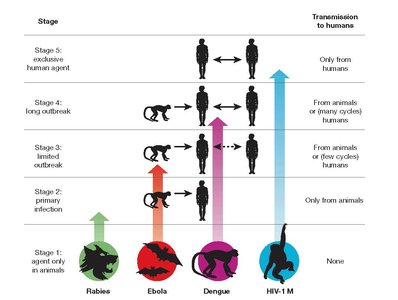
Example: HIV-1 M is an example of a pathogen that has reached Stage 4/5, with sustained human-to-human transmission.
Heirloom vs. Souvenir Parasites
Origins of Human Parasite Load
Human parasites can be classified as 'heirloom' (long-term, co-evolved with humans) or 'souvenir' (recent host switches from animals). Distinguishing between these types is crucial for understanding parasite evolution and epidemiology.
Heirloom parasites: Long-term associates, often co-evolved with humans (e.g., Pediculus humanus, human lice).
Souvenir parasites: Acquired from animals via host switching (e.g., Plasmodium falciparum, Trypanosoma brucei).
Example: Fasciola hepatica (sheep liver fluke) and Strongyloides stercoralis (dog roundworm) are souvenir parasites in humans.
Human Lice: Evolution and Pathology
Types and Transmission
Human lice include Pediculus humanus (head and body lice) and Pthirus pubis (pubic or crab louse). Body lice are vectors for disease, while head lice are not. Genetic studies show that head and body lice are not fully differentiated and can interbreed.
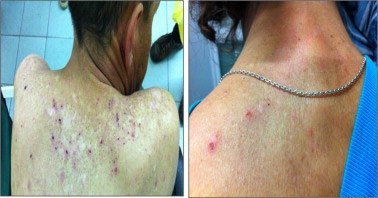
Pathology: Infestation can lead to pediculosis and, in severe cases, vagabond's disease (chronic skin changes due to lice infestation).
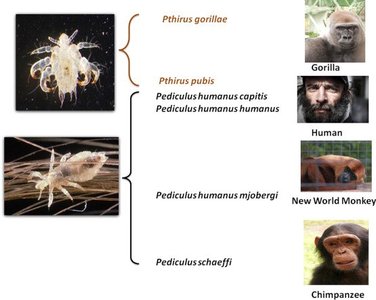
Evolutionary Note: Pthirus pubis likely transferred from gorillas to humans, while Pediculus humanus may be an ancestral primate louse.
Sharing Parasites with Animals
Host Range and Transmission
Many helminths (parasitic worms) infect both humans and animals. The strongest correlation for shared parasites is with diet (carnivores and herbivores share more parasites with humans than insectivores or omnivores).
49% of helminths found in humans are also found in wildlife.
45% are found in at least one domesticated animal.
Example: Dogs can transmit Toxacara, hookworms, Trichuris vulpis, and heartworm to humans.
Trichuris trichiura (Human Whipworm)
Life Cycle and Pathology
Trichuris trichiura is a soil-transmitted helminth infecting 460 million people worldwide. It causes anemia, stunted growth in children, and can lead to rectal prolapse in severe cases. The human whipworm is closely related to species infecting African primates, suggesting a long co-evolutionary history.
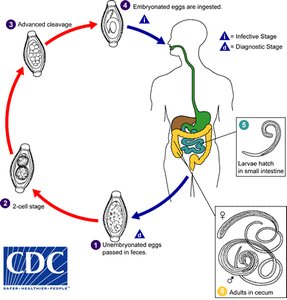
Transmission: Feco-oral route; ingestion of embryonated eggs from contaminated soil or food.
Symptoms: Anemia, growth retardation, painful and bloody stool.
Comparison: Trichuris suis (pig whipworm) is a recent host switch from humans to pigs, especially in East Asia.
Pigs as a Source of Human Parasites
Major Parasitic Infections from Pigs
Pigs are a significant source of human parasite infections, including protozoa (e.g., Toxoplasma gondii), platyhelminthes (e.g., Taenia solium), and nematodes (e.g., Trichinella).
Pork-borne infections: Acquired by eating undercooked pork.
Feco-oral infections: Acquired by ingesting eggs or cysts from contaminated environments.
Neglected Tropical Diseases (NTDs)
Overview and Impact
The WHO lists several neglected tropical diseases, many of which are caused by parasites. These diseases are prevalent in tropical and subtropical regions and have significant health and socioeconomic impacts.
Examples: Chagas disease, leishmaniasis, lymphatic filariasis, schistosomiasis, soil-transmitted helminthiases, taeniasis/cysticercosis, and scabies.
Measurement of Impact: Number of cases, mortality rates, and Disability-Adjusted Life Years (DALYs).
Malaria (Plasmodium spp.)
Transmission, Epidemiology, and Control
Malaria is the most deadly parasitic disease, caused by six species of Plasmodium and transmitted by Anopheles mosquitoes. P. falciparum is the most severe species. Malaria is highly sensitive to environmental changes and vector control measures.
Cases: 249 million new cases and 608,000 deaths in 2022 (95% in Africa).
Drug Resistance: Resistance to chloroquine and artemisinin is a major challenge.
Vector Control: Collapse of DDT use led to resurgence; habitat changes affect mosquito populations.
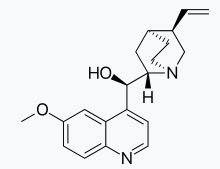
Treatment: Quinine (from Cinchona tree bark) was the first effective treatment; synthetic derivatives include chloroquine and hydroxychloroquine.

Trypanosoma cruzi (Chagas Disease)
Transmission and Pathology
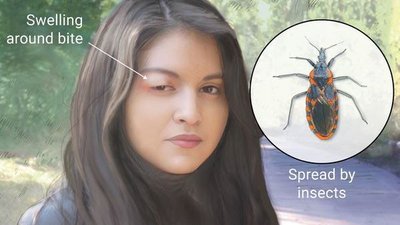
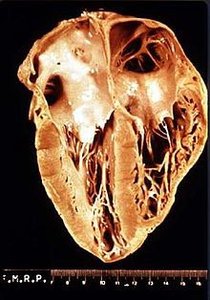
Chagas disease is caused by Trypanosoma cruzi and transmitted by triatomine bugs. It affects 6-7 million people, mainly in the Americas. Chronic infection can cause heart and digestive system damage.
Reservoirs: Dogs, cats, opossums, and armadillos.
Environmental Factors: Deforestation and climate change increase risk.
African Sleeping Sickness (Trypanosoma brucei)
Transmission, Epidemiology, and Control
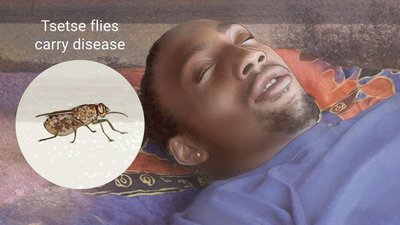
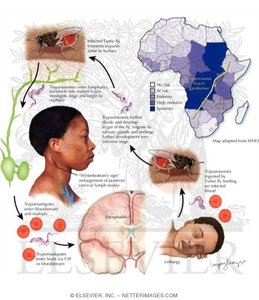
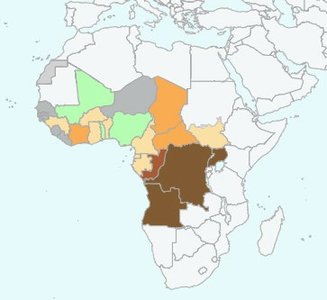
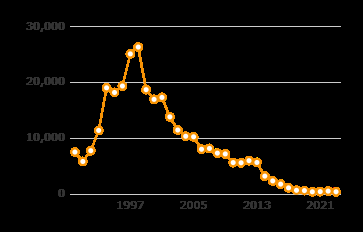
African sleeping sickness is caused by Trypanosoma brucei and transmitted by tsetse flies (Glossina spp.). The Democratic Republic of Congo is the most affected country. Early detection and vector control are key to prevention.
Leishmaniasis (Leishmania spp.)
Types and Transmission
Leishmaniasis is caused by >20 species of Leishmania and transmitted by sandflies. It presents as cutaneous, mucocutaneous, or visceral forms, with varying severity and geographic distribution.
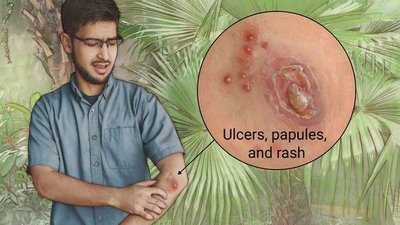
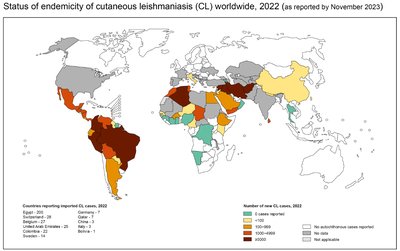
Reservoirs: Foxes, dogs, spiny rats.
Environmental Factors: Deforestation and agricultural changes increase risk.
Guinea Worm Disease (Dracunculiasis)
Life Cycle and Eradication Efforts
Guinea worm disease is caused by Dracunculus medinensis, a nematode. Infection occurs via ingestion of contaminated water. The disease is nearly eradicated due to water filtration and public health efforts.
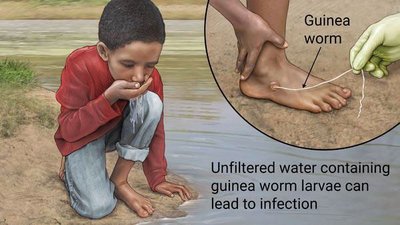
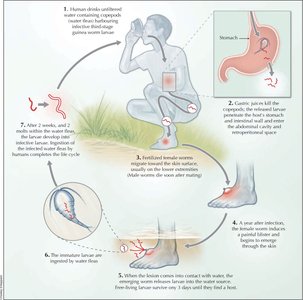
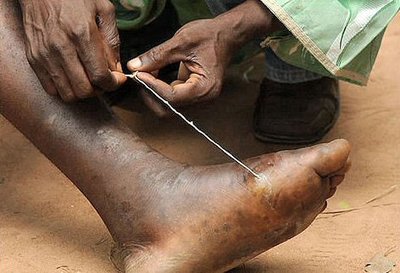
Symptoms: No symptoms until worm emerges; causes pain and disability.
Reservoirs: Recently found in dogs, complicating eradication.
Echinococcosis (Echinococcus spp.)
Transmission, Pathology, and Prevention
Echinococcosis is caused by tapeworms of the genus Echinococcus. Humans are accidental intermediate hosts, acquiring infection via contact with eggs from contaminated food, water, or animal hosts. Cysts can persist for decades and cause severe organ damage.
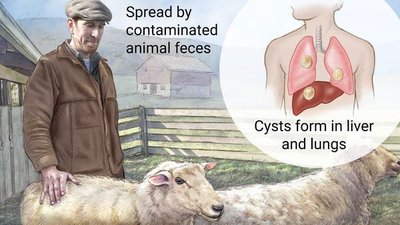
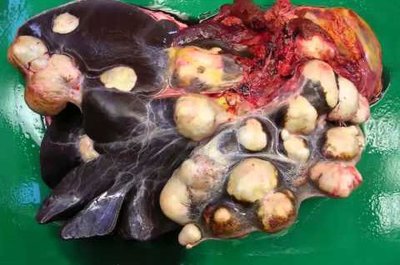
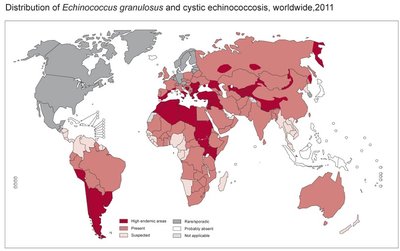
Definitive hosts: Dogs and other canids.
Prevention: Avoid exposure to eggs; control of definitive hosts.
Lymphatic Filariasis
Transmission and Pathology
Lymphatic filariasis is caused by nematodes (Wuchereria bancrofti, Brugia spp.) and transmitted by mosquitoes. Chronic infection leads to lymphatic damage and severe disfigurement (elephantiasis).
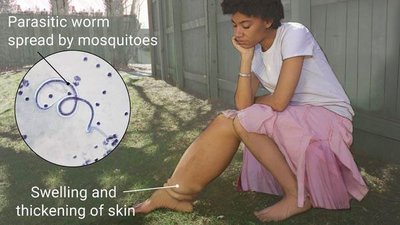
Symptoms: Often asymptomatic, but can cause kidney damage and painful lymph nodes.
Control: WHO programs have reduced prevalence by 74% since 2000.
Soil-Transmitted Helminthiases
Major Species and Impact
Soil-transmitted helminths include Ascaris lumbricoides (roundworm), Trichuris trichiura (whipworm), and hookworms (Necator americanus, Ancylostoma duodenale). These infections are widespread and cause malnutrition, anemia, and developmental delays in children.
Transmission: Ingestion of eggs or skin penetration by larvae from contaminated soil.
Environmental Factors: Higher temperatures and humidity accelerate larval development.
Taeniasis and Cysticercosis (Taenia spp.)
Transmission and Pathology
Taeniasis is caused by adult tapeworms (Taenia solium, T. saginata, T. asiatica) acquired by eating undercooked meat. Cysticercosis occurs when humans ingest eggs of T. solium, leading to larval cysts in tissues, including the brain (neurocysticercosis).
Symptoms: Headaches, blindness, seizures, and potentially fatal outcomes.
Prevalence: Major problem in areas with poor sanitation.
Schistosomiasis (Schistosoma spp.)
Transmission, Pathology, and Control
Schistosomiasis is caused by blood flukes (Schistosoma mansoni, S. japonicum, S. haematobium). Infection occurs via skin penetration in contaminated water. Chronic infection leads to organ damage, anemia, and increased cancer risk.
Environmental Factors: Associated with dam-building and irrigation, which increase snail populations (intermediate hosts).
Prevention: Avoiding contact with contaminated water is key.
Scabies (Sarcoptes scabiei)
Transmission and Pathology
Scabies is caused by the burrowing mite Sarcoptes scabiei. It is primarily transmitted person-to-person and is associated with poor health conditions. Scabies can lead to secondary bacterial infections and is a particular problem in immunocompromised individuals.
Symptoms: Skin rash, renal and cardiovascular complications in severe cases.
Prevention: Interrupting transmission; mites cannot survive off humans for more than 2-3 days.
Emergent and Re-emergent Parasitic Diseases
Challenges and Drivers
Emerging parasitic diseases are often zoonoses and are driven by habitat changes, global warming, drug resistance, and breakdowns in health services. Transfer to new areas and naïve populations increases risk.
Cryptosporidium
Transmission and Pathology
Cryptosporidium is an apicomplexan parasite transmitted via contaminated water, food, or animals. Its cysts are resistant to chlorine and partially to UV, making outbreaks difficult to control.
Symptoms: Watery diarrhea, stomach cramps, dehydration, nausea, vomiting.
At Risk: Immune-compromised individuals are most severely affected.
Babesiosis
Transmission and Pathology
Babesiosis is caused by Babesia microti and related species, transmitted by Ixodes scapularis ticks. It is similar to malaria in its life cycle, with asexual reproduction in red blood cells. Humans are incidental, dead-end hosts.
Symptoms: Often asymptomatic, but can cause flu-like symptoms, hemolytic anemia, and organ malfunction in severe cases.
Reservoirs: Other vertebrates, especially mice, are primary hosts.
