 Back
BackPatterns of Inheritance: Mendelian and Non-Mendelian Genetics
Study Guide - Smart Notes
 Tailored notes based on your materials, expanded with key definitions, examples, and context.
Patterns of Inheritance
Introduction
Patterns of inheritance describe how genetic traits are transmitted from one generation to the next. This chapter explores both Mendelian and Non-Mendelian genetics, including their application to human traits and genetic disorders.
Mendelian Genetics
Basic Principles
Mendelian genetics refers to predictable inheritance patterns based on the laws of segregation and independent assortment, first described by Gregor Mendel.
Law of Segregation: Each individual has two alleles for each gene, which segregate during gamete formation so that each gamete carries only one allele for each gene.
Law of Independent Assortment: Genes for different traits assort independently of one another during gamete formation.

Key Terminology
Character: A heritable feature (e.g., flower color, eye color).
Trait: A variant of a character (e.g., purple flowers, brown eyes).
Allele: Alternative versions of a gene.
Genotype: The genetic makeup (combination of alleles) of an individual.
Phenotype: The observable physical traits of an individual.
Homozygous: Having two identical alleles for a gene (e.g., AA or aa).
Heterozygous: Having two different alleles for a gene (e.g., Aa).
Dominant allele: The allele that determines the phenotype in a heterozygote.
Recessive allele: The allele whose effect is masked in a heterozygote.
Common Human Mendelian Traits
Achoo Syndrome: Sneezing in response to bright light.
Tongue Rolling: Ability is dominant; inability is recessive.
Hand Clasping: Left over right is dominant; right over left is recessive.
Face Shape: Oval is dominant; square is recessive.
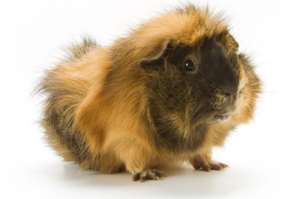
Hair Texture: Curly is dominant, wavy is heterozygous, straight is recessive.
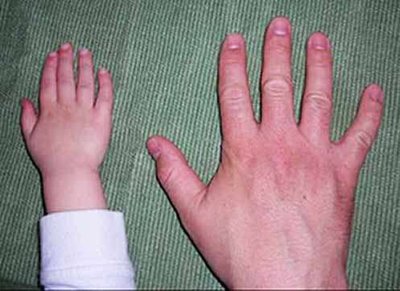


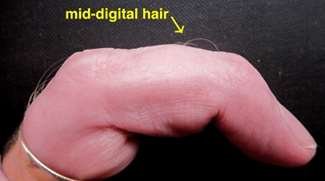
Genetic Crosses and Punnett Squares
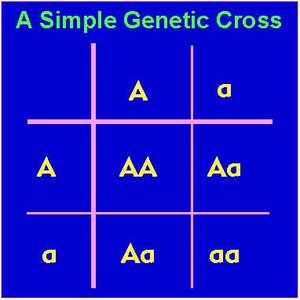
Genetic Cross: An intentional mating between two individuals to study inheritance patterns.
Punnett Square: A diagram used to predict the genotypes and phenotypes of offspring from a genetic cross.
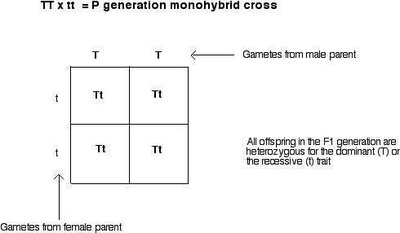
Monohybrid Cross Example
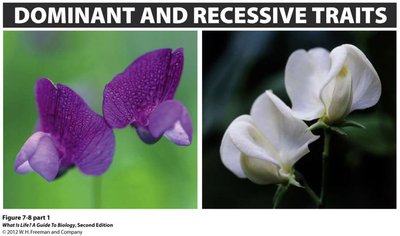
Crossing two pea plants with different flower colors (purple and white):
Purple is dominant (F), white is recessive (f).
P generation: FF (purple) × ff (white)
F1 generation: All Ff (purple)
F2 generation: Ff × Ff yields genotypes FF, Ff, ff (phenotypic ratio 3:1, genotypic ratio 1:2:1).
Testcross
Used to determine whether an individual with a dominant phenotype is homozygous dominant or heterozygous.
Cross the individual with a homozygous recessive (e.g., FF or Ff × ff).
If any offspring display the recessive phenotype, the tested individual is heterozygous.
Dihybrid Crosses
Track inheritance of two traits simultaneously (e.g., seed shape and color).
Demonstrates the law of independent assortment.
Typical phenotypic ratio for a dihybrid cross (AaBb × AaBb) is 9:3:3:1.
Non-Mendelian Genetics
Environmental Influence on Phenotype
Phenotype can be influenced by environmental factors, not just genotype.
Phenotypic plasticity: The degree to which phenotype is determined by genotype versus environment.
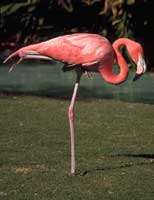
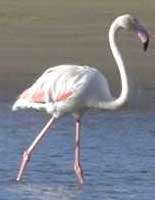
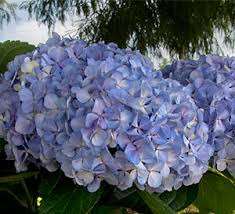
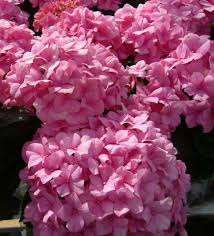
Examples: Flamingo color (diet-dependent), hydrangea flower color (soil chemistry).
Types of Non-Mendelian Inheritance
Co-Dominance: Both alleles are fully expressed in the heterozygote (e.g., human blood types IAIB = AB type).
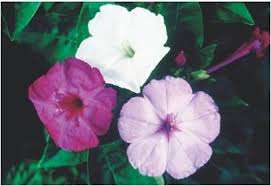
Incomplete Dominance: Heterozygote phenotype is intermediate between the two homozygotes (e.g., red × white flowers = pink flowers).
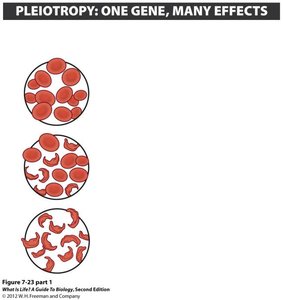
Pleiotropy: One gene influences multiple traits (e.g., sickle cell anemia affects blood, kidney, and other organs).
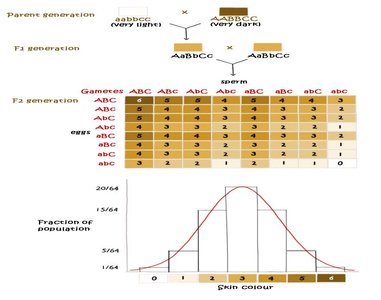
Polygenic Inheritance: Multiple genes contribute to a single trait, resulting in continuous variation (e.g., skin color, height).
Co-Dominance Example: Human Blood Types
Genotype | Phenotype |
|---|---|
IAIA, IAi | Type A |
IBIB, IBi | Type B |
IAIB | Type AB |
ii | Type O |
Incomplete Dominance Example
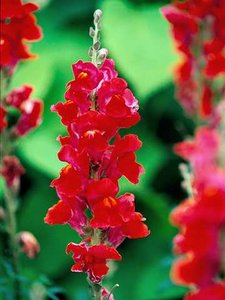
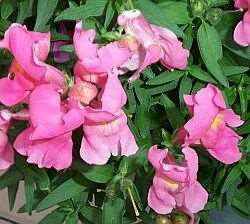
Red snapdragon × white snapdragon = pink snapdragon (heterozygote).

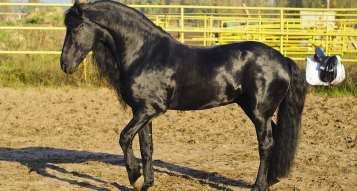
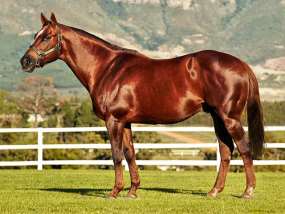
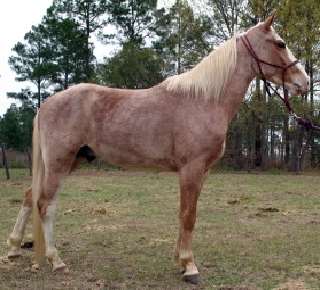
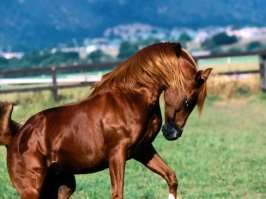
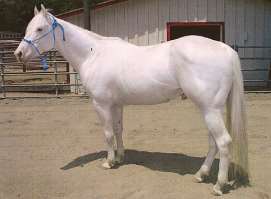
Roan horses (Rr) from chestnut (RR) and white (rr) parents show a blend of red and white hairs.
Pleiotropy Example
Sickle Cell Anemia: One gene mutation affects hemoglobin, causing multiple symptoms (anemia, organ damage, malaria resistance).
Marfan Syndrome: Mutation in a gene for connective tissue protein affects skeleton, heart, eyes, and more.
Polygenic Inheritance Example
Traits like skin color, height, and eye color are controlled by multiple genes, resulting in a range of phenotypes.
Human Genetics: Disease Patterns
Autosomal Genetic Disorders
Autosomal Recessive: Sickle cell anemia, albinism, cystic fibrosis.
Autosomal Dominant: Polycystic kidney disease, polydactyly, Huntington disease.
Sex-Linked Genetic Disorders
Genes located on the X chromosome (pair 23) are more likely to affect males (XY) than females (XX).
Examples: Hemophilia, Duchenne muscular dystrophy, red-green color blindness.
Physical Chromosomal Abnormalities
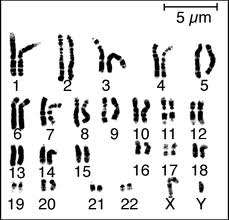
Aneuploidy: Abnormal number of chromosomes due to nondisjunction during meiosis.
Examples: Down syndrome (trisomy 21), Turner syndrome (XO), Klinefelter syndrome (XXY).
Karyotype: A display of chromosomes used to diagnose chromosomal abnormalities.
Pedigree Analysis
Pedigrees are diagrams that show the inheritance of a trait through several generations of a family.
Useful for tracking genetic disorders and predicting inheritance patterns.
Practical Applications of Genetics
Genetically modified crops and livestock.
Gene therapy in humans and other organisms.
