 Back
BackPlant Structure, Cell Types, and Primary Growth: Study Notes
Study Guide - Smart Notes
 Tailored notes based on your materials, expanded with key definitions, examples, and context.
Plant Structure and Tissue Systems
Overview of Plant Tissue Systems
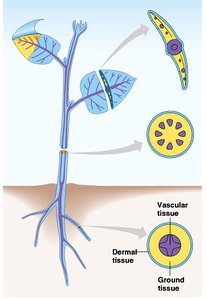
Vascular plants are organized into three major tissue systems: dermal, vascular, and ground tissue. Each system has distinct functions and cellular compositions, contributing to the plant's growth, protection, and physiological processes.
Dermal Tissue: Outermost protective layer, typically a single cell layer that secretes a waxy cuticle.
Vascular Tissue: Composed of xylem and phloem, responsible for transport and structural support.
Ground Tissue: Fills the space between dermal and vascular tissues, mainly parenchyma, and is involved in storage, photosynthesis, and support.
Dermal Tissue System
Epidermal Cells and Cuticle
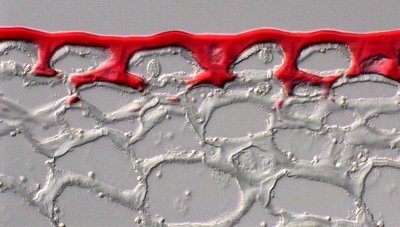
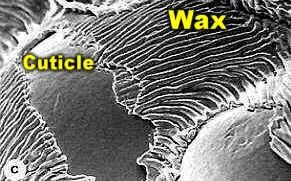
The epidermis is the outermost cell layer covering leaves, stems, and roots of non-woody plants. It serves as a barrier against water loss, pathogens, and UV radiation. The cuticle, a waxy layer secreted by epidermal cells, is crucial for waterproofing and protection.
Functions: Waterproofing, pathogen defense, and specialized roles (e.g., trichomes, guard cells).
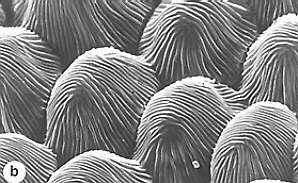
Cuticle: Outermost part is wax, which reflects light and reduces water loss.
Specialized Epidermal Structures
Some epidermal cells differentiate into specialized structures such as trichomes (hairs), nectaries, and guard cells. Trichomes can serve defensive roles, secrete oils, or hinder insect movement.
Trichomes: May be single or multicellular, and can be secretory or non-secretory.
Guard Cells: Regulate gas exchange by controlling stomatal openings.
Nectaries: Produce nectar to attract pollinators.
Ground Tissue System
Parenchyma Cells
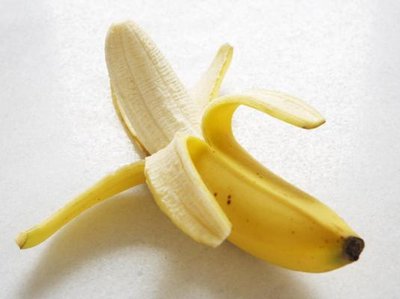
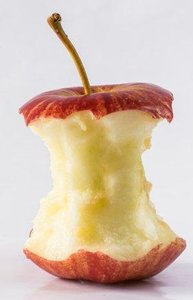
Parenchyma cells are the most common ground tissue cells, responsible for metabolic processes such as photosynthesis, storage, and secretion. They usually lack a secondary wall and can divide and differentiate at maturity.
Functions: Photosynthesis, food storage, secretion.
Examples: Fruit flesh, endosperm, pith and cortex of stems and roots, chloroplast-rich leaf cells.
Collenchyma Cells
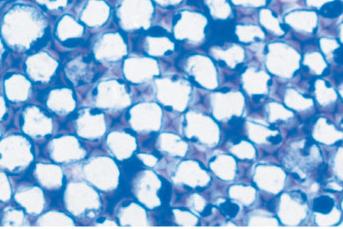
Collenchyma cells provide support to young and growing organs. They have thick, uneven primary walls, no secondary wall, and are alive at maturity. Collenchyma often occurs in strands just below the epidermis.
Functions: Support, especially in growing regions.
Features: Can elongate, found in celery petioles and leaf midribs.
Sclerenchyma Cells
Sclerenchyma cells provide support and protection to tissues that are no longer elongating. They have thick secondary walls containing lignin, a rigid polymer, and are often dead at maturity. Sclerenchyma occurs as fibers or sclereids.
Fibers: Long, slender cells found in bundles (e.g., jute, hemp).
Sclereids: Irregularly shaped cells found in nutshells, seed coats, and some fruit tissues.
Vascular Tissue System
Xylem: Water-Conducting Cells
The xylem consists of tracheids and vessel elements, which conduct water and minerals from roots to shoots. These cells are dead at maturity and have lignified secondary walls for strength.
Tracheids: Long, tapered cells with pits for water movement.
Vessel Elements: Shorter, wider cells stacked end-to-end, forming vessels.
Lignin: Polymer that strengthens cell walls and is deposited after cell death.
Phloem: Sugar-Conducting Cells
The phloem is composed of sieve-tube elements and companion cells. It transports sugars (mainly sucrose), organic compounds, and some minerals throughout the plant. Sieve-tube elements are alive at maturity and rely on companion cells for metabolic support.
Sieve Elements: Specialized for translocation of nutrients.
Companion Cells: Parenchyma cells that assist sieve-tube elements.
Meristems and Primary Growth
Types and Functions of Meristems
Meristems are regions of undifferentiated cells that retain the ability to divide and give rise to various tissues. They are the ultimate source of all parts of the mature sporophyte and are essential for plant growth.
Apical Meristems: Located at root and shoot tips; responsible for primary growth (lengthening).
Lateral Meristems: Vascular cambium and cork cambium; responsible for secondary growth (thickening).
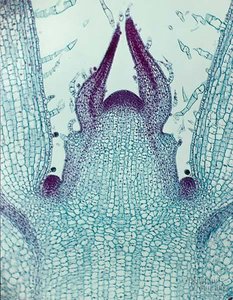
Primary Growth: Shoot and Root Development
Primary growth results from the activity of apical meristems, producing new cells for elongation of roots and shoots. The apical meristem gives rise to three primary meristems:
Protoderm: Forms dermal tissue (epidermis).
Procambium: Forms vascular tissue (xylem and phloem).
Ground Meristem: Forms ground tissue (parenchyma, collenchyma, sclerenchyma).
Summary Table: Plant Tissue Systems and Cell Types
Tissue System | Main Cell Types | Functions |
|---|---|---|
Dermal | Epidermis, trichomes, guard cells | Protection, waterproofing, gas exchange |
Ground | Parenchyma, collenchyma, sclerenchyma | Storage, photosynthesis, support |
Vascular | Tracheids, vessel elements, sieve elements | Transport of water, minerals, and sugars |
Key Terms and Concepts
Cuticle: Waxy layer secreted by epidermal cells for protection.
Lignin: Rigid polymer in secondary cell walls, providing strength.
Meristem: Region of undifferentiated cells responsible for growth.
Trichome: Hair-like outgrowth of epidermal cells, often for defense.
Parenchyma: Versatile ground tissue cell type for metabolism and storage.
Collenchyma: Supportive ground tissue with thickened primary walls.
Sclerenchyma: Supportive ground tissue with lignified secondary walls.
Xylem: Vascular tissue for water and mineral transport.
Phloem: Vascular tissue for sugar and organic compound transport.
Additional info:
Plant tissue systems are fundamental to understanding plant anatomy and physiology, and their study is essential for fields such as botany, agriculture, and biotechnology.
Meristematic activity underlies both primary and secondary growth, allowing plants to adapt and thrive in diverse environments.
