Back
Principles of Evolution: Foundations, Evidence, and Mechanisms
Study Guide - Smart Notes
 Tailored notes based on your materials, expanded with key definitions, examples, and context.
Principles of Evolution
Introduction to Evolutionary Thought
Evolution is the process by which species of organisms change over time through variations in traits and natural selection. The scientific understanding of evolution has developed over centuries, integrating evidence from geology, paleontology, comparative anatomy, embryology, and molecular biology.
Historical Development of Evolutionary Theory
Timeline of Evolutionary Thought
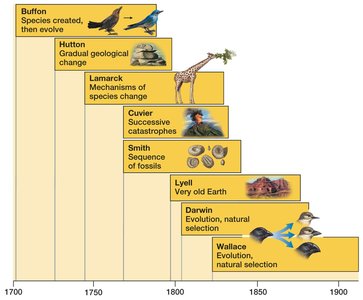
The concept of evolution has evolved through contributions from many scientists. Early ideas included species being unchanging, but later thinkers proposed mechanisms for change and evidence for Earth's ancient age.
Buffon: Proposed that species were created and then evolved.
Hutton: Introduced the idea of gradual geological change.
Lamarck: Suggested mechanisms for species change, such as inheritance of acquired traits.
Cuvier: Advocated for successive catastrophes shaping life.
Smith: Documented the sequence of fossils in rock layers.
Lyell: Provided evidence for a very old Earth.
Darwin and Wallace: Independently proposed evolution by natural selection.
Evidence for Evolution
Fossil Evidence
Fossils are preserved remains or traces of organisms from the past. They provide direct evidence of evolutionary change and the succession of life forms over geological time.
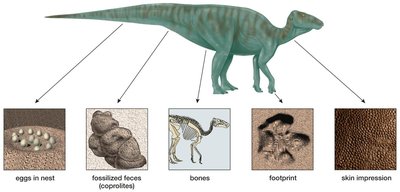
Types of Fossils: Include eggs in nests, coprolites (fossilized feces), bones, footprints, and skin impressions.
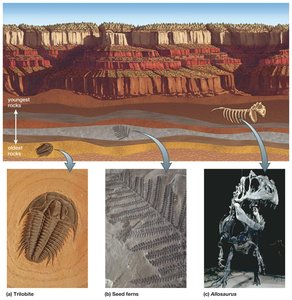
Fossil Record: Shows that different fossils are found in different rock layers, indicating changes in species over time.
Biogeography and Adaptive Radiation
Biogeography is the study of the distribution of species across the planet. Adaptive radiation is the diversification of a group of organisms into forms filling different ecological niches.
Darwin's Finches: On the Galápagos Islands, finches evolved different beak shapes to exploit different food sources, illustrating adaptive radiation.
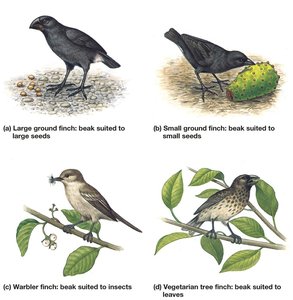
Variation Within Populations
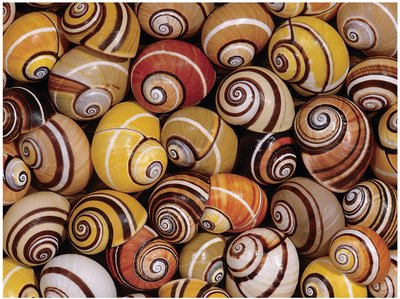
Variation is the raw material for evolution. Populations contain individuals with different traits, some of which may provide a selective advantage in a given environment.
Example: Snail populations exhibit a wide range of shell colors and patterns, demonstrating genetic diversity.
Comparative Anatomy
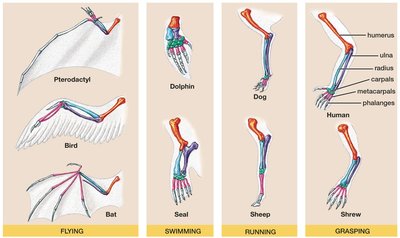
Comparative anatomy examines similarities and differences in the structures of different organisms. These comparisons reveal evolutionary relationships.
Homologous Structures: Structures with similar anatomy but different functions, inherited from a common ancestor (e.g., forelimbs of vertebrates).
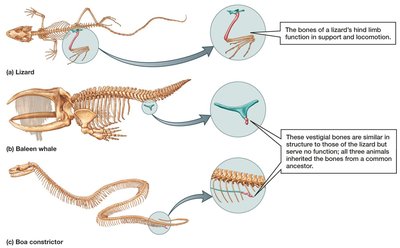
Vestigial Structures: Structures that have lost their original function but are inherited from ancestors (e.g., hind limb bones in whales and snakes).
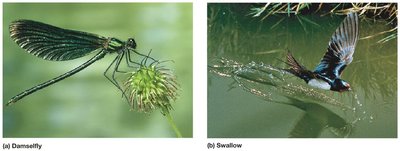
Analogous Structures: Structures with similar functions but different evolutionary origins (e.g., wings of insects and birds).
Embryology
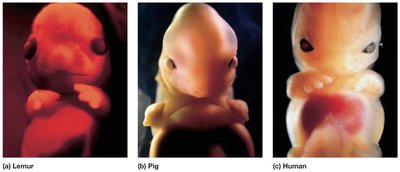
Embryology is the study of the development of organisms from fertilization to birth. Early embryonic stages of different vertebrates show remarkable similarities, indicating common ancestry.
Example: Embryos of lemurs, pigs, and humans share similar features in early development.
Molecular Biology
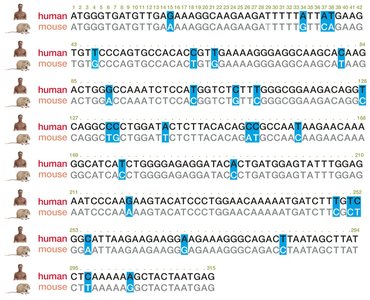
Molecular evidence, such as similarities in DNA and protein sequences, supports evolutionary relationships among species. The more similar the sequences, the more closely related the species are.
Example: Comparison of human and mouse DNA sequences reveals both similarities and differences, reflecting evolutionary divergence.
Mechanisms of Evolution
Natural Selection
Natural selection is the process by which individuals with advantageous traits survive and reproduce more successfully, leading to the accumulation of those traits in the population.
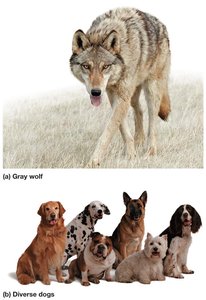
Artificial Selection: Humans selectively breed organisms for desired traits, as seen in the diversity of dog breeds derived from the gray wolf.
Evolution in Action
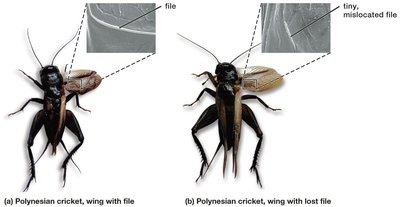
Evolution can be observed in contemporary populations. For example, crickets in some regions have evolved to become silent to avoid parasitic flies attracted by their calls.
Example: Polynesian crickets with altered wings no longer produce mating calls, reducing predation risk.
Evolutionary Response to Environmental Change
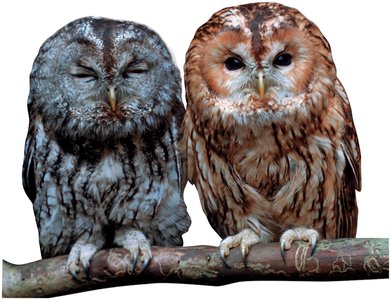
Populations can evolve in response to environmental changes, such as climate change. For instance, the coloration of tawny owl populations has shifted as winters have become milder.
Example: Lighter-colored tawny owls have become more common in response to changing snow cover.
Vestigial Structures in Humans
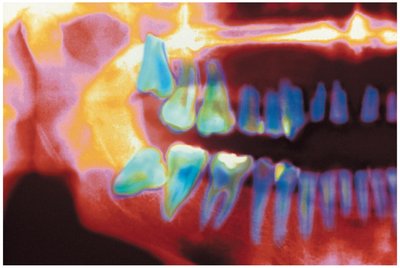
Vestigial structures are remnants of features that served important functions in ancestors but are now reduced or nonfunctional. In humans, wisdom teeth are an example of vestigial structures.
Example: Wisdom teeth were useful for chewing tough plant material in ancestral diets but are often problematic in modern humans.