 Back
BackStructure and Function of Large Biological Molecules
Study Guide - Smart Notes
 Tailored notes based on your materials, expanded with key definitions, examples, and context.
The Structure and Function of Large Biomolecules
Some Important Organic Molecules
Organic molecules are fundamental to life, forming the basis of biological macromolecules. These macromolecules are constructed from smaller units called monomers, which join together to form polymers. When many polymers are linked, they create macromolecules with diverse functions in living organisms.
Monomer: A simple organic molecule, such as a monosaccharide, amino acid, or nucleotide.
Polymer: A chain of monomers, e.g., carbohydrates, proteins, nucleic acids.
Macromolecule: Large molecules formed from polymers, e.g., bread (carbohydrate), hemoglobin (protein), DNA (nucleic acid).
Examples:
Monosaccharide → Carbohydrate → Bread
Glycerol/Fatty acids → Lipids → Bee's wax
Amino acid → Protein → Hemoglobin
Nucleotides → Nucleic acids → DNA
Synthesis and Breakdown of Polymers
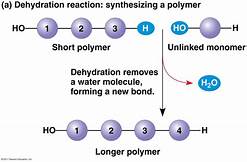
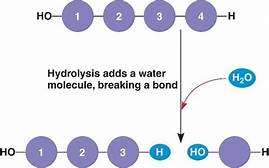
Polymers are synthesized and broken down by specific chemical reactions. Dehydration synthesis joins monomers by removing a water molecule, while hydrolysis breaks polymers by adding water.
Dehydration Reaction: Forms a new bond by removing water.
Hydrolysis: Breaks a bond by adding water.
Carbohydrates
Monosaccharides and Their Structure
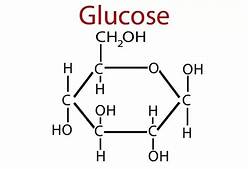
Carbohydrates, also known as sugars, serve as fuel and building material. Monosaccharides are the simplest carbohydrates, typically containing 3 to 7 carbon atoms. They can be classified based on the location of their carbonyl group (aldose or ketose) and the number of carbon atoms (triose, pentose, hexose).
Monosaccharide: Simple sugar, e.g., glucose (6C).
Aldose: Carbonyl group at the end (e.g., glucose).
Ketose: Carbonyl group within the skeleton (e.g., fructose).
Ratio of O:H: 1:2 in carbohydrates.
Disaccharides
Disaccharides are formed when two monosaccharides join via a dehydration reaction, creating a glycosidic linkage. Common examples include maltose, sucrose, and lactose.
Maltose: Glucose + Glucose
Sucrose: Glucose + Fructose
Lactose: Glucose + Galactose
Polysaccharides
Polysaccharides are polymers of hundreds to thousands of monosaccharides. They serve as storage and structural materials in plants and animals.
Starch: Storage polysaccharide in plants, stored in plastids.
Glycogen: Storage polysaccharide in animals, stored in liver and muscle cells.
Cellulose: Structural polysaccharide in plants; imparts strength and is indigestible to most animals.
Chitin: Structural polysaccharide in exoskeletons of arthropods.
Lipids
Structure and Types of Lipids
Lipids are a diverse group of hydrophobic molecules, essential for energy storage and membrane structure. They include fats, oils, phospholipids, and steroids.
Fats: Glycerol + 3 fatty acids; typically animal origin.
Oils: Plant origin; contain unsaturated fatty acids.
Saturated fatty acids: No double bonds (e.g., lard, butter).
Unsaturated fatty acids: One or more double bonds (e.g., vegetable oils, fish).
Trans fats: Produced by hydrogenation of oils; found in processed foods.
Phospholipids and Steroids
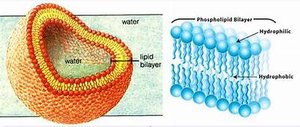
Phospholipids are a major component of cell membranes, forming a bilayer with hydrophobic tails inward and hydrophilic phosphate heads outward. Steroids, such as cholesterol, have four fused rings and contribute to membrane integrity and hormone synthesis.
Phospholipid: Glycerol + 2 fatty acids + phosphate group.
Steroid: Four fused rings; includes cholesterol and sex hormones.
Proteins
Structure and Function of Proteins
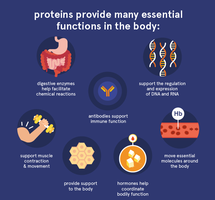
Proteins are polymers of amino acids, joined by peptide bonds. They perform a wide range of functions, including catalysis, structural support, transport, defense, and regulation.
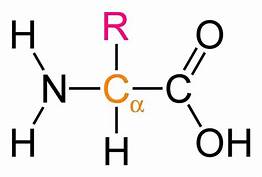
Amino acid: Contains an amino group (NH2), carboxyl group (COOH), and a variable R group.
Peptide bond: Joins amino acids to form polypeptides.
Protein functions: Enzymes, storage, hormones, motor, defense, transport, receptor, structural.
Polypeptides: Structure and Function
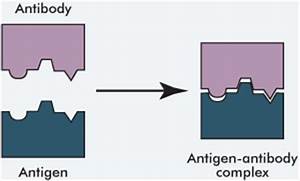
Polypeptides are chains of amino acids, and their function is determined by their structure. The activity of a protein depends on its specific shape, which allows it to bind to other molecules.
Peptide bond: Links amino acids.
Free amino group: One end of the polypeptide.
Free carboxyl group: Other end of the polypeptide.
Protein specificity: Shape determines function and binding.
Levels of Protein Structure
Proteins have four levels of structure, each contributing to their function. Misfolding or incorrect amino acid sequence can lead to diseases such as sickle cell anemia, cystic fibrosis, Alzheimer's, Parkinson's, and mad cow disease.
Primary structure: Sequence of amino acids.
Secondary structure: Alpha helix or beta sheet.
Tertiary structure: Folded and twisted polypeptide.
Quaternary structure: Two or more polypeptides join.
Denaturation: Inactivation by heat, pH, or salt concentration.
Nucleic Acids
Structure and Function of Nucleic Acids
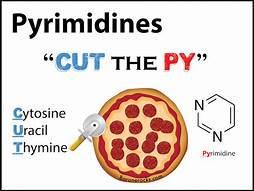
Nucleic acids store and transmit genetic information. They are composed of a phosphate group, a pentose sugar, and a nitrogen-containing base. The bases are classified as purines (adenine, guanine) and pyrimidines (cytosine, thymine, uracil).
Purines: Two rings (adenine, guanine).
Pyrimidines: One ring (cytosine, thymine, uracil).
DNA: Genetic information storage.
RNA: Ribosomal, transfer, messenger roles.
DNA vs RNA
DNA and RNA differ in their sugar, bases, strand number, and helical structure.
Property | DNA | RNA |
|---|---|---|
Sugar | Deoxyribose | Ribose |
Bases | Adenine, Guanine, Thymine, Cytosine | Adenine, Guanine, Uracil, Cytosine |
Strands | Double | Single |
Helix | Yes | No |
Organic Compounds
Organic compounds are molecules containing carbon and are essential for life. They include carbohydrates, lipids, proteins, and nucleic acids, each with unique structures and functions.
----------------------------------------
