 Back
BackThe Endocrine System: Structure, Function, and Regulation
Study Guide - Smart Notes
 Tailored notes based on your materials, expanded with key definitions, examples, and context.
Endocrine System Overview
Main Functions and General Organization
The endocrine system is responsible for coordinating body systems and maintaining homeostasis through the secretion of hormones. It works in conjunction with the nervous system but operates more slowly, using chemical messengers that travel through the bloodstream to target organs and tissues.
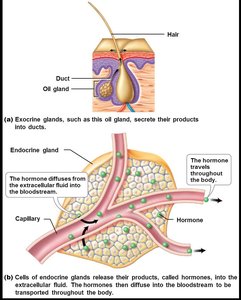
Endocrine glands release hormones directly into the extracellular fluid, which then diffuse into the bloodstream.
Exocrine glands secrete their products into ducts that lead to body surfaces or cavities (e.g., oil and salivary glands).
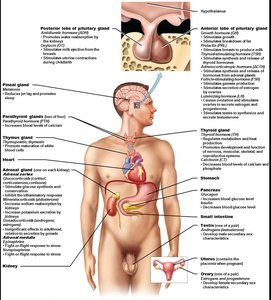
The major endocrine glands include the pituitary, thyroid, parathyroids, adrenals, and pineal gland. Several organs contain endocrine tissue, such as the hypothalamus, thymus, pancreas, ovaries, testes, heart, placenta, stomach, small intestine, and kidneys.
Hormones: Types, Mechanisms, and Regulation
Hormone Function and Target Cells
Hormones are chemical messengers that travel in the bloodstream and affect only specific target cells that possess the appropriate receptors. Cells lacking these receptors are unaffected by the hormone.
Chemical Classes of Hormones
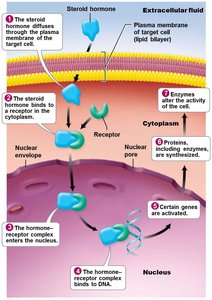
Lipid-soluble hormones (e.g., steroid hormones) are derived from cholesterol and can easily pass through cell membranes.
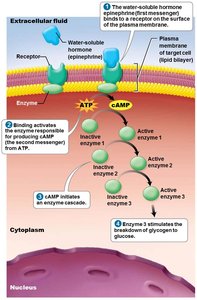
Water-soluble hormones (e.g., peptide and protein hormones) are made of amino acids and cannot cross the lipid bilayer; they bind to receptors on the cell surface.
Lipid-Soluble Hormone Mechanism
Lipid-soluble hormones enter target cells, bind to intracellular receptors, and directly influence gene expression by activating specific genes to synthesize proteins.
Water-Soluble Hormone Mechanism
Water-soluble hormones bind to cell surface receptors, triggering the production of second messengers such as cyclic AMP (cAMP), which activate enzymes and cellular responses without the hormone entering the cell.
Hormone Regulation: Feedback Mechanisms
Negative feedback: Increased hormone levels inhibit further release (e.g., insulin secretion stops when blood glucose drops).
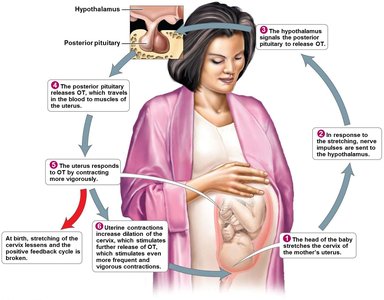
Positive feedback: The outcome of a process stimulates further activity (e.g., oxytocin during childbirth).
Hormone Interactions
Antagonistic: One hormone opposes the effect of another.
Synergistic: Combined effect is greater than individual effects.
Permissive: One hormone must be present for another to exert its effect.
Pituitary Gland and Hypothalamus
Structure and Function
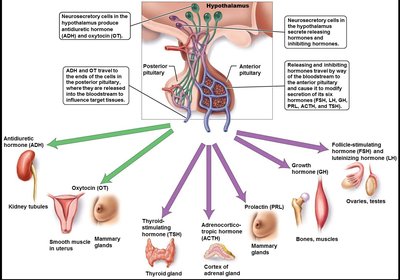
The pituitary gland is located at the base of the brain and consists of two lobes: the anterior lobe (connected to the hypothalamus via blood vessels) and the posterior lobe (connected via nerve fibers). The hypothalamus regulates the pituitary by releasing and inhibiting hormones.
Anterior Pituitary Hormones
Growth hormone (GH): Stimulates cell division and growth in bones, muscles, and cartilage.
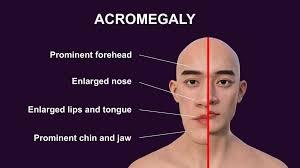
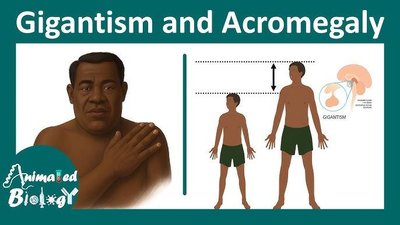
Disorders: Gigantism (excess GH in childhood), Acromegaly (excess GH in adulthood), Pituitary dwarfism (insufficient GH in childhood).
Prolactin (PRL): Stimulates milk production in females; involved in sperm production in males.
Thyroid-stimulating hormone (TSH): Stimulates thyroid hormone synthesis and release.
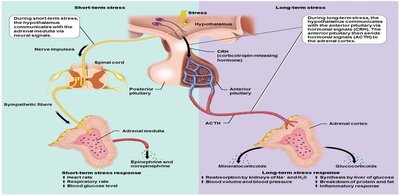
Adrenocorticotropic hormone (ACTH): Stimulates glucocorticoid secretion from the adrenal cortex.
Follicle-stimulating hormone (FSH): Promotes egg and sperm development.
Luteinizing hormone (LH): Triggers ovulation and sex hormone production.
Posterior Pituitary Hormones
Antidiuretic hormone (ADH): Promotes water reabsorption in kidneys; deficiency causes diabetes insipidus.
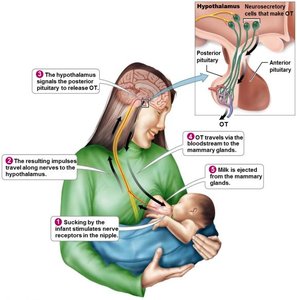
Oxytocin (OT): Stimulates uterine contractions during childbirth and milk ejection during breastfeeding.
Thyroid and Parathyroid Glands
Thyroid Gland
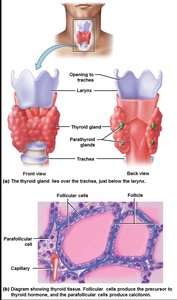
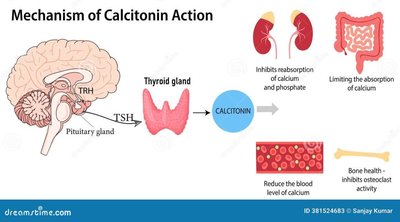
The thyroid gland is located at the front of the neck and produces thyroid hormone (TH: T3 and T4) and calcitonin (CT).
Thyroid hormone (TH): Regulates metabolic rate, heat production, blood pressure, and organ function.
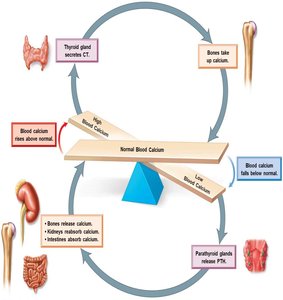
Calcitonin (CT): Lowers blood calcium by stimulating bone absorption and increasing calcium excretion in urine.
Parathyroid Glands
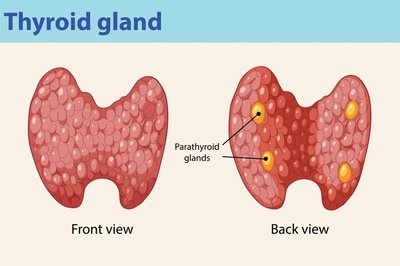
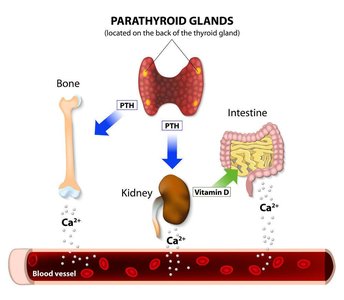
The parathyroid glands are four small masses on the back of the thyroid gland. They secrete parathyroid hormone (PTH), which increases blood calcium levels by stimulating bone breakdown, increasing calcium reabsorption in the kidneys, and enhancing calcium absorption from the gut.
Adrenal Glands
Structure and Hormones
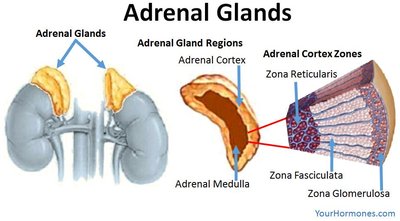
The adrenal glands sit atop the kidneys and consist of the outer cortex and inner medulla. The cortex produces steroid hormones, while the medulla produces catecholamines.
Adrenal cortex:
Gonadocorticoids (androgens, estrogens)
Mineralocorticoids (aldosterone): Regulate sodium and potassium balance
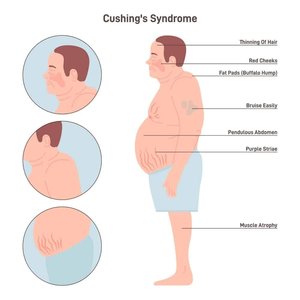
Glucocorticoids (cortisol): Affect glucose metabolism and suppress inflammation
Adrenal medulla:
Epinephrine and norepinephrine: Mediate the fight-or-flight response
Pancreas
Endocrine Function
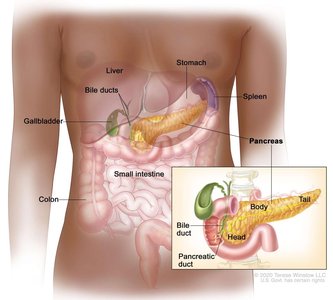
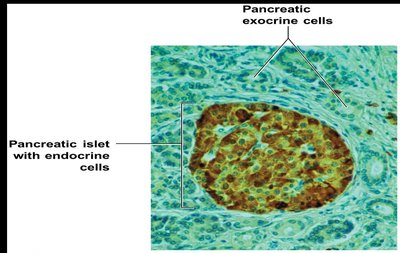
The pancreas contains clusters of endocrine cells called islets of Langerhans, which secrete glucagon and insulin to regulate blood glucose levels.
Glucagon: Increases blood glucose by promoting glycogen breakdown and gluconeogenesis in the liver.
Insulin: Decreases blood glucose by promoting glucose uptake into cells and inhibiting glycogen breakdown.
Other Endocrine Glands and Chemical Messengers
Thymus Gland
The thymus gland lies above the heart and secretes hormones (thymopoietin, thymosin) that promote the maturation of T lymphocytes, essential for immune function.
Pineal Gland
The pineal gland is located in the brain and produces melatonin, which regulates sleep-wake cycles. Excess melatonin can cause seasonal affective disorder (SAD).
Local Chemical Messengers
Neurotransmitters: Chemical messengers of the nervous system.
Growth factors: Stimulate cell growth and division.
Nitric oxide (NO): Gas that dilates blood vessels and acts as a neurotransmitter.
Prostaglandins: Lipid molecules with diverse effects, including roles in inflammation, blood clotting, and reproductive processes.
Summary Table: Major Endocrine Glands and Their Hormones
Gland | Hormone(s) | Main Function(s) |
|---|---|---|
Pituitary (anterior) | GH, PRL, TSH, ACTH, FSH, LH | Growth, lactation, thyroid/adrenal/gonadal regulation |
Pituitary (posterior) | ADH, OT | Water balance, uterine contractions, milk ejection |
Thyroid | TH (T3, T4), CT | Metabolism, calcium regulation |
Parathyroid | PTH | Calcium regulation |
Adrenal cortex | Cortisol, aldosterone, androgens | Glucose metabolism, electrolyte balance, sex traits |
Adrenal medulla | Epinephrine, norepinephrine | Fight-or-flight response |
Pancreas | Insulin, glucagon | Blood glucose regulation |
Pineal | Melatonin | Sleep-wake cycles |
Thymus | Thymopoietin, thymosin | T cell maturation |
Key Equations
Conversion of ATP to cAMP (second messenger):
Glycogen breakdown (stimulated by glucagon):
Additional info:
Some images and explanations have been expanded for clarity and completeness.
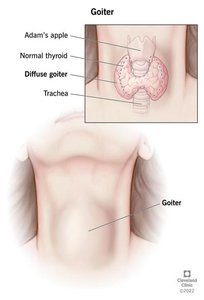
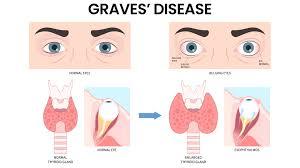
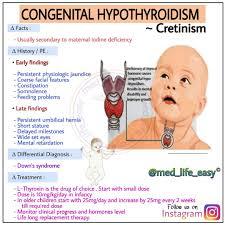
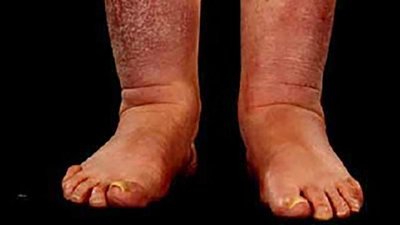
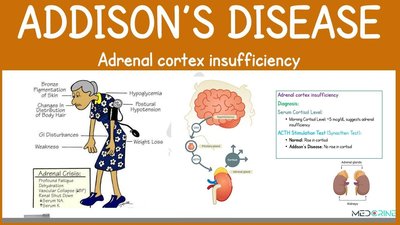
Disorders such as Addison's disease, Cushing's syndrome, gigantism, acromegaly, goiter, Graves' disease, cretinism, and myxedema are included for clinical context.
