 Back
BackThe Immune System: Defense Mechanisms and Immunity
Study Guide - Smart Notes
 Tailored notes based on your materials, expanded with key definitions, examples, and context.
Immune System Overview
Introduction to the Immune System
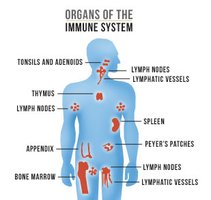
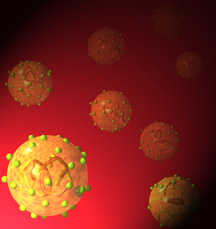
The immune system is a complex network of cells, tissues, and organs that work together to defend the body against harmful invaders such as bacteria, viruses, fungi, and parasites. It distinguishes between self and non-self, mounting responses to eliminate pathogens while maintaining tolerance to the body's own cells.
Nonspecific (Innate) Resistance
First Line of Defense: Physical and Chemical Barriers
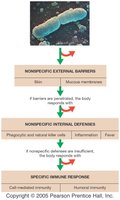
The first line of defense consists of physical and chemical barriers that prevent pathogens from entering the body. These barriers are nonspecific, meaning they protect against a wide range of invaders.
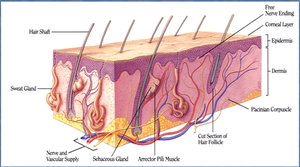
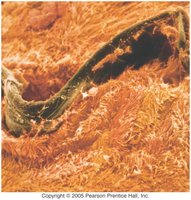
Skin: Acts as a tough, impermeable barrier to most pathogens.
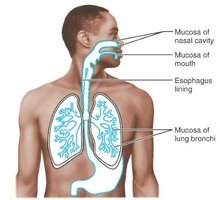
Mucous membranes: Line the respiratory, digestive, and other tracts, secreting mucus to trap microbes and particles.
Hairs and cilia: Sweep particles outward from the respiratory tract.
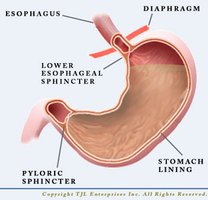
Gastric juice: The acidic environment of the stomach destroys many ingested pathogens.
Second Line of Defense: Internal Nonspecific Responses
If pathogens bypass external barriers, the body employs internal nonspecific defenses. These include cellular and molecular mechanisms that act rapidly to contain and eliminate invaders.
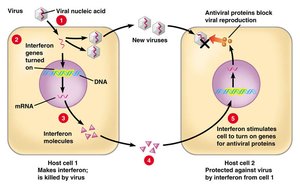
Interferons: Antimicrobial proteins released by virus-infected cells to inhibit viral replication in neighboring cells.
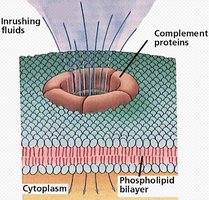
Complement system: A group of plasma proteins that enhance inflammation, promote phagocytosis, and directly lyse pathogens.
Natural killer (NK) cells: White blood cells that destroy infected or abnormal cells by inducing apoptosis.
Phagocytes: Cells such as macrophages and neutrophils that engulf and digest pathogens.
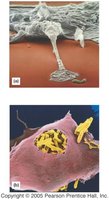
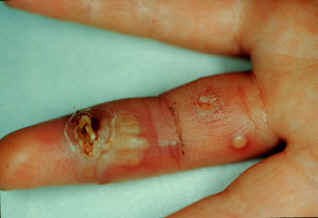
Inflammation: A localized response to tissue damage, characterized by redness, heat, swelling, and pain. Mediators such as histamine increase blood flow and attract immune cells to the site of infection.
White Blood Cells and the Lymphatic System
Types of White Blood Cells
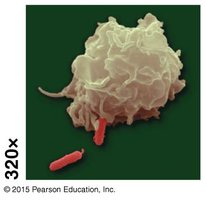
White blood cells (leukocytes) are central to immune defense. They are classified as innate or adaptive based on their function and development.
Innate cells: Pre-made and ready to attack invaders (e.g., phagocytes, NK cells).
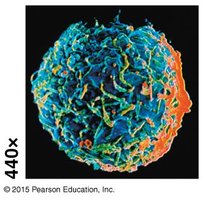
Lymphocytes: Adaptive immune cells produced after exposure to specific antigens (e.g., B cells and T cells).
The Lymphatic System
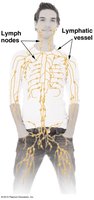
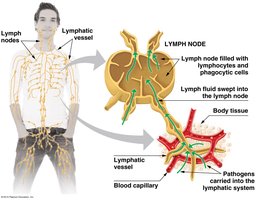
The lymphatic system is a network of vessels and nodes that transport lymph fluid and house immune cells. It plays a key role in filtering pathogens and presenting them to lymphocytes for destruction.
Specific (Adaptive) Immunity
Innate vs. Adaptive Defenses
Adaptive immunity is characterized by specificity and memory. Unlike innate defenses, adaptive responses are tailored to specific pathogens and improve with repeated exposure.
Innate immunity: Immediate, nonspecific, and general response.
Adaptive immunity: Slower, highly specific, and involves memory cells for faster future responses.
Antigens and Antibodies
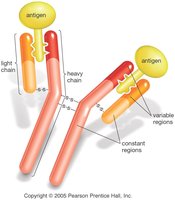
Antigens are molecules capable of eliciting an immune response. Antibodies are proteins produced by B cells that specifically bind to antigens, marking them for elimination.
Each antibody has a unique antigen-binding site, allowing the immune system to recognize millions of different antigens.
Antibodies can neutralize pathogens directly or tag them for destruction by other immune cells.
B Cells and Antibody-Mediated Immunity
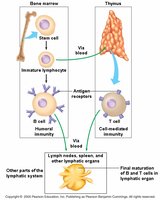
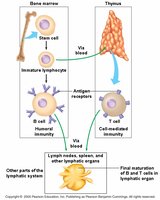
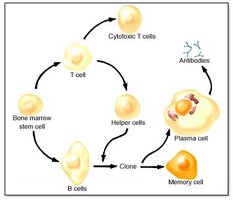
B cells mature in the bone marrow and are responsible for antibody-mediated (humoral) immunity. Upon encountering an antigen, B cells differentiate into plasma cells (which secrete antibodies) and memory cells (which provide long-term immunity).
Clonal Selection and Immune Memory
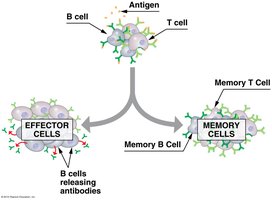
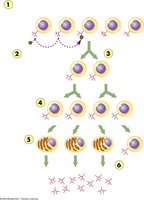
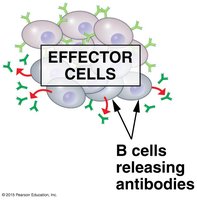
When an antigen binds to a specific B or T cell, it triggers clonal selection, resulting in the proliferation of effector and memory cells. Effector cells provide immediate defense, while memory cells ensure a rapid response upon future exposures.
Primary and Secondary Immune Responses
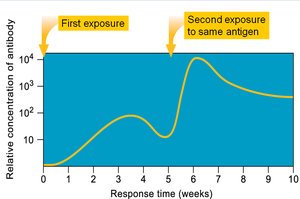
The primary response occurs upon first exposure to an antigen and is relatively slow. The secondary response is much faster and stronger due to the presence of memory cells.
T Cells and Cell-Mediated Immunity
T cells mature in the thymus and are responsible for cell-mediated immunity. Types of T cells include:
Cytotoxic T cells: Destroy infected or abnormal cells directly.
Helper T cells: Coordinate immune responses by signaling other immune cells.
Regulation and Disorders of the Immune System
Self-Tolerance and Autoimmunity
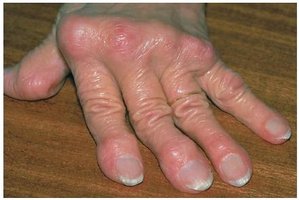
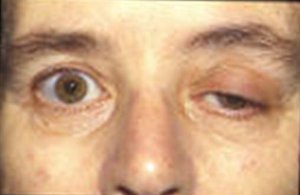
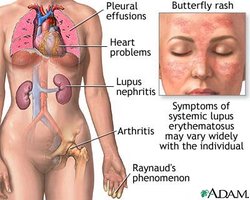
The immune system normally distinguishes self from non-self through self-tolerance. When this mechanism fails, autoimmune diseases can occur, where the immune system attacks the body's own tissues (e.g., lupus, rheumatoid arthritis, multiple sclerosis).
Immunization and Vaccination
Principles of Vaccination
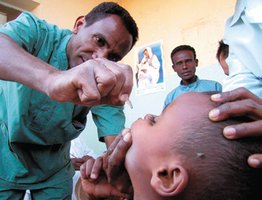
Vaccination exposes the immune system to antigens from pathogens in a controlled way, stimulating the production of memory cells without causing disease. This prepares the immune system for future encounters with the actual pathogen.
Passive vs. Active Immunity
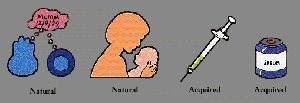
Passive immunity: Involves the transfer of antibodies from another source (e.g., maternal antibodies, antibody injections). It provides immediate but short-term protection.
Active immunity: Results from exposure to an antigen (via infection or vaccination), leading to the production of antibodies and memory cells. It provides long-term protection.
Success of Vaccination
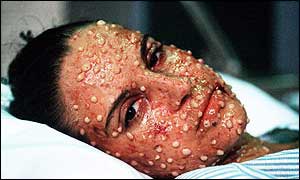
Vaccines have led to the eradication or control of many infectious diseases. For example, smallpox was eradicated worldwide through effective vaccination campaigns.
Summary Table: Innate vs. Adaptive Immunity
Feature | Innate Immunity | Adaptive Immunity |
|---|---|---|
Response Time | Immediate | Slower (days) |
Specificity | Nonspecific | Highly specific |
Memory | None | Yes |
Main Components | Physical barriers, phagocytes, NK cells, complement | B cells, T cells, antibodies |
Learning Objectives Checklist
List the components of the immune system
Outline the main activities of the immune system in response to antigens
Explain the difference between nonspecific and specific immunity
Distinguish between B cells and T cells
Describe how the immune system distinguishes self from non-self
Differentiate between passive and active immunity
Explain how vaccines protect against antigens
