Back
BackVariations in Mendel’s Laws: Patterns of Inheritance and Genetic Diversity
Study Guide - Smart Notes
 Tailored notes based on your materials, expanded with key definitions, examples, and context.
Variations in Mendel’s Laws
Introduction to Non-Mendelian Inheritance
Mendel’s laws describe the basic principles of inheritance, but many traits do not follow these simple patterns. Variations such as incomplete dominance, codominance, pleiotropy, polygenic inheritance, and environmental effects contribute to the diversity of phenotypes observed in populations.
Incomplete Dominance
Definition and Examples
Incomplete dominance occurs when neither allele is completely dominant nor completely recessive. The heterozygous phenotype is intermediate between the two homozygous phenotypes, and neither parental phenotype is seen in the F1 offspring.
Key Point 1: Incomplete dominance results in a blending of traits, producing an intermediate phenotype.
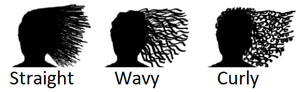
Key Point 2: Classic examples include flower color in carnations and hair texture in humans.
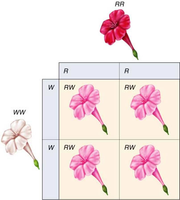
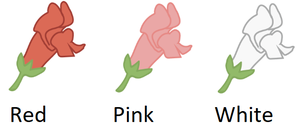
Example: Crossing red (RR) and white (WW) carnations produces pink (RW) offspring.
Punnett Square Analysis
When crossing two F1 individuals (RW x RW), the genotypic and phenotypic ratios are:
Genotypic ratio: 1 RR : 2 RW : 1 WW
Phenotypic ratio: 1 Red : 2 Pink : 1 White
Codominance and Multiple Alleles
Definition and Examples
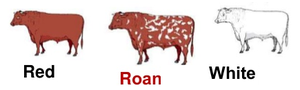
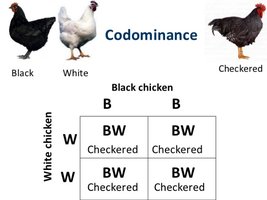
Codominance occurs when traits associated with two nonidentical alleles are equally apparent in heterozygotes; both alleles are expressed. Many genes have more than two alleles, and some may be codominant.
Key Point 1: Codominant alleles are neither dominant nor recessive; both are fully expressed.
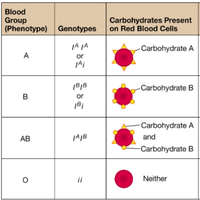
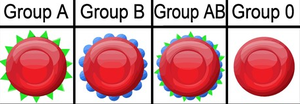
Key Point 2: The ABO blood group system is a classic example of codominance and multiple alleles.
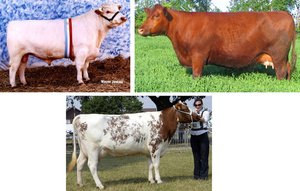
Example: Roan cattle and speckled chickens show codominant inheritance.
Blood Group (Phenotype) | Genotypes | Carbohydrates Present on Red Blood Cells |
|---|---|---|
A | IAIA or IAi | Carbohydrate A |
B | IBIB or IBi | Carbohydrate B |
AB | IAIB | Carbohydrate A and B |
O | ii | Neither |
Pleiotropy
Definition and Examples
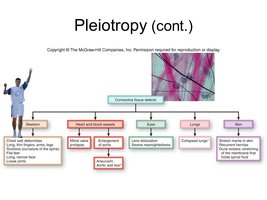
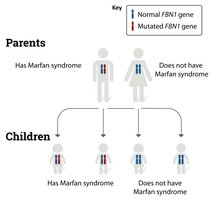
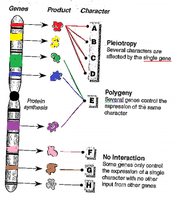
Pleiotropy occurs when a single gene influences multiple phenotypic characters. This phenomenon is seen in several genetic disorders.
Key Point 1: One gene can affect many traits, leading to complex phenotypes.
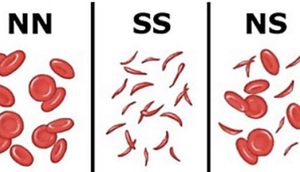
Key Point 2: Examples include sickle cell disease and Marfan syndrome.
Example: Sickle cell disease affects red blood cell shape, circulation, and other systems.
Polygenic Inheritance
Definition and Examples
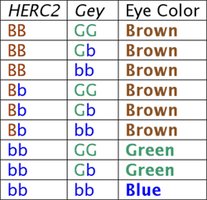
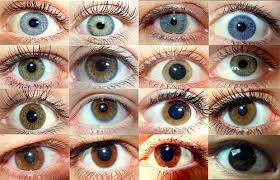
Polygenic inheritance is the additive effect of two or more genes on a single phenotypic character. Many traits, such as human eye color, skin pigmentation, and height, are influenced by multiple genes.
Key Point 1: Polygenic traits show continuous variation and are often influenced by environmental factors.
Key Point 2: Eye color and skin color are classic examples of polygenic inheritance.
Example: Multiple genes contribute to the range of human eye colors.
Environmental Effects on Phenotype
Genotype-Environment Interaction
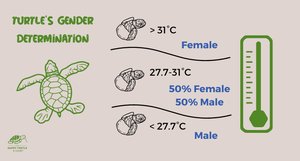
The phenotype is a result of both genotype and environmental influences. Environmental factors such as temperature, nutrition, and sunlight can affect the expression of genetic traits.
Key Point 1: Some traits, like sea turtle sex determination, depend on environmental conditions.
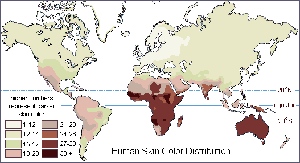
Key Point 2: Human height and skin pigmentation are influenced by both genes and environment.
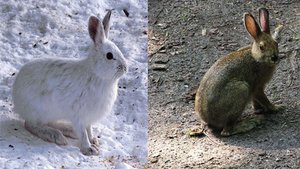
Example: Arctic hare color changes with daylight hours; skin color varies with UV exposure.
Complex Inheritance Patterns in Cats
Classification of Inheritance Patterns
Cat fur color, deafness, and eye color are influenced by multiple genes and inheritance patterns, including regular Mendelian, incomplete dominance, codominance, pleiotropy, polygenic inheritance, and epistasis.
Key Point 1: The OO allele produces orange fur, while BB produces non-orange fur.
Key Point 2: The W allele masks other fur color genes, resulting in white fur.
Example: Tortoiseshell pattern in female cats is due to X-linked codominance.
Chromosome Theory of Inheritance
Chromosome Behavior and Mendel’s Laws
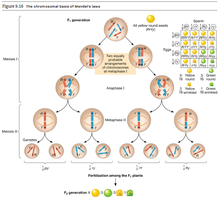
Genes occupy specific loci (positions) on chromosomes, and chromosomes undergo segregation and independent assortment during meiosis. This explains Mendel’s laws at the molecular level.
Key Point 1: Chromosome behavior during meiosis accounts for the inheritance patterns observed by Mendel.
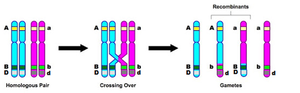
Key Point 2: Genes located close together on the same chromosome are called linked genes and tend to be inherited together.
Sex Chromosomes and Sex-Linked Traits
Sex Determination and Inheritance
Sex chromosomes (X and Y) determine biological sex in humans and mammals. Many traits are affected by genes located on the sex chromosomes.
Key Point 1: Non-sex chromosomes are called autosomes.
Key Point 2: X-linked traits can be dominant or recessive, affecting inheritance patterns.
X-Linked Dominant Disorders
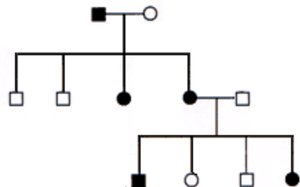
X-linked dominant disorders affect both sexes but often more females than males. Affected fathers pass the trait to all daughters, and affected mothers can pass it to both sons and daughters.
Example: Rickett’s disease is an X-linked dominant disorder.
X-Linked Recessive Disorders
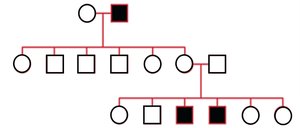
X-linked recessive disorders affect more males than females. Females can be carriers, but males with the allele are affected. The trait often skips generations and is never passed from father to son.
Example: Duchenne’s muscular dystrophy and red-green color deficiency are X-linked recessive disorders.
Punnett Squares for Sex-Linked Traits
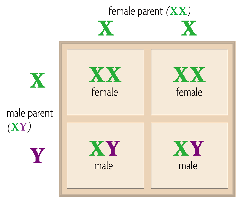
When analyzing sex-linked traits, include the sex of the parent and use superscripts to denote alleles on the X chromosome. All traits are on the X chromosome; the Y chromosome does not carry these alleles.
Probability Calculations in Sex-Linked Inheritance
Color Deficiency Example
Color deficiency is inherited as an X-linked recessive trait. The probability of affected offspring depends on the parental genotypes.
Key Point 1: Carrier females (XNXn) and normal males (XNY) can produce affected sons and daughters.
Key Point 2: If the father is color deficient (XnY), the probability of affected daughters increases.
Rickett’s Disease Example
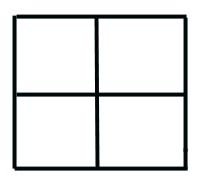
Rickett’s disease is X-linked dominant. A normal woman (XdXd) and a man with Rickett’s (XDY) can produce affected sons and daughters.
Key Point 1: Probability calculations depend on the alleles carried by each parent.