Oxide Reactions definitions Flashcards

Oxide Reactions definitions
Control buttons has been changed to "navigation" mode.
1/15
  • Oxides
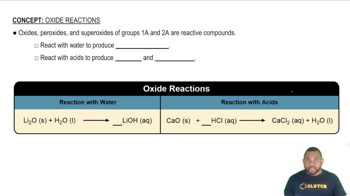
    Compounds that react with water to form hydroxides and with acids to produce salts and water.
  • Peroxides
    Reactive compounds that can form hydroxides with water and salts with acids.
  • Superoxides
    Highly reactive compounds that interact with water and acids to form bases and salts.
  • Group 1A
    Elements whose oxides react with water to form basic hydroxides and with acids to form salts.
  • Group 2A
    Elements whose oxides are reactive, forming bases with water and salts with acids.
  • Hydroxides
    Basic compounds formed when oxides react with water.
  • Salts
    Ionic compounds produced when oxides react with acids.
  • Lithium Oxide
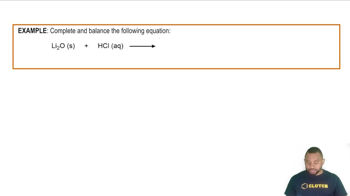
    Reacts with water to produce lithium hydroxide, a basic compound.
  • Calcium Oxide
    Reacts with hydrochloric acid to form calcium chloride and water.
  • Lithium Hydroxide
    A basic compound formed from the reaction of lithium oxide with water.
  • Calcium Chloride
    A salt formed from the reaction of calcium oxide with hydrochloric acid.
  • Basic
    Describes the nature of hydroxides formed from oxide reactions with water.
  • Reactive Compounds
    Substances like oxides that readily react with water and acids.
  • Ionic Compound
    A type of compound, such as a salt, formed from oxide reactions with acids.
  • Hydrochloric Acid
    An acid that reacts with calcium oxide to produce calcium chloride and water.