 Back
Addition Polymers: Structure, Properties, and Applications
Study Guide - Smart Notes
 Tailored notes based on your materials, expanded with key definitions, examples, and context.
Addition Polymers
Introduction to Synthetic Addition Polymers
Addition polymers are large molecules formed by joining many smaller units called monomers through addition reactions. These polymers are fundamental in the production of plastics and other synthetic materials. The process of forming polymers from monomers is known as polymerization. The properties of a polymer depend on the nature of its monomers and the types of bonds formed during polymerization.
Monomer: A molecule of relatively low molar mass that can join with other similar molecules to form a polymer.
Polymer: A molecule of large molar mass consisting of many repeating monomer units.
Polymerization: The chemical process of linking monomer units into a polymer.
Addition Polymer: A polymer formed when monomer units are linked through addition reactions; all atoms present in the monomer are retained in the polymer.
Examples of addition polymers include polyethylene, polypropylene, polyvinyl chloride (PVC), and polystyrene.
Polyethylene: A Polymer of Ethene
Polyethylene (IUPAC: polyethene) is synthesized by the addition polymerization of ethene molecules. During this process, the double bonds in ethene monomers are converted to single bonds, allowing the monomers to link together and form long chains.
Structure: The repeating unit of polyethylene is –CH2–CH2–, and the polymer can be represented as .
Properties: Used for insulating electrical wires and making plastic containers due to its chemical stability and flexibility.
Other Addition Polymers: Polypropene, PVC, and Polystyrene
Polypropene (Polypropylene): Formed from propene monomers, which are similar to ethene but have a methyl group substitution. Used in ropes and carpets for its structural strength.
Polyvinyl Chloride (PVC): Produced from vinyl chloride (chloroethene) monomers. Used for insulation and coatings due to its durability.
Polystyrene: Formed from styrene monomers (vinyl benzene). Used in packaging and insulation.
Structural Diagrams and Practice
Students are often asked to draw structural diagrams of polymers and their monomers. For example, the polymerization of 2-butene involves linking three molecules to form a chain, and the monomer for poly(vinyl alcohol) is hydroxyethene.
Example: The repeating unit for a polymer of 2-butene is .
Practice: Draw structural diagrams for polymers of 1-butene, vinyl fluoride, and other vinyl monomers.
The Addition Polymerization Process
Addition polymerization occurs in three stages:
Initiation: An initiating molecule (often a peroxide) forms a bond with a monomer, creating a reactive site.
Propagation: The reactive site allows the chain to grow as more monomers are added.
Termination: The chain growth stops when two reactive ends combine, forming a stable covalent bond.
Properties of Plastics
Plastics are addition polymers of substituted ethene (vinyl) monomers. Their characteristic properties include chemical unreactivity, flexibility, and mouldability. The transformation of double bonds into single bonds during polymerization makes the resulting polymers less reactive and more stable.
Flexibility: Due to numerous van der Waals attractions between long polymer chains, which allow chains to slide over each other.
Heating: Increases flexibility by disrupting van der Waals forces, allowing plastics to be softened and moulded.
The Effect of Substituted Groups on Polymer Properties
Substituted groups in monomers can significantly affect the properties of the resulting polymer:
Teflon: Made from tetrafluoroethene, with all hydrogens replaced by fluorine. Highly unreactive due to strong C–F bonds, making it ideal for nonstick cookware.
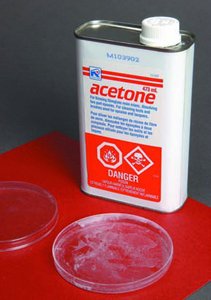
Plexiglas: Produced from a monomer containing a carboxymethyl group (–COOCH3). Transparent and lightweight, but easily damaged by organic solvents due to its carbonyl group.
Strengthening Polymers with Crosslinking
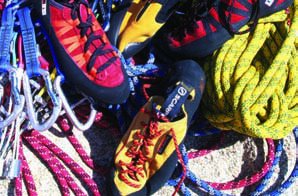
Monomers with two double bonds (dienes) can form crosslinks between polymer chains, increasing rigidity and strength. Crosslinked polymers are held together by strong covalent bonds, unlike the weaker van der Waals forces in non-crosslinked polymers.
Neoprene: An addition polymer of 2-chlorobutadiene, more resistant to oils due to increased polarity.
Natural Rubber: Made from 2-methylbutadiene, can be crosslinked with sulfur to produce vulcanized rubber, which is harder and more elastic.
Crosslinking Agents: Sulfur and p-divinylbenzene are examples of agents used to create bridges between polymer chains.
Thermoplastics vs. Thermoset Polymers
The heat resistance of plastics depends on their structure:
Thermoplastics: Not crosslinked; soften when heated and can be reshaped. Held together by van der Waals forces.
Thermoset Polymers: Highly crosslinked; do not soften with heat due to strong covalent bonds between chains.
Polymer Chain Flexibility and Crosslinking Demonstration
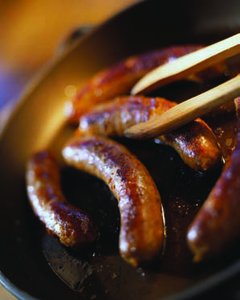
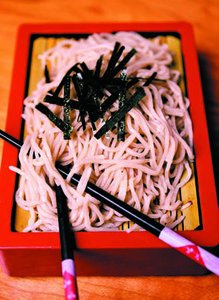
Polymer chains can slide past each other, similar to how chopsticks pass through noodles, demonstrating flexibility. Crosslinking increases rigidity and prevents chains from sliding, as seen in vulcanized rubber and slime experiments.
Summary Table: Common Addition Polymers
Polymer | Monomer | Properties | Common Uses |
|---|---|---|---|
Polyethylene | Ethene | Flexible, chemically stable | Containers, insulation |
Polypropylene | Propene | Strong, flexible | Ropes, carpets |
PVC | Vinyl chloride | Durable, insulating | Wire insulation, raincoats |
Polystyrene | Styrene | Rigid, insulating | Packaging, cups |
Teflon | Tetrafluoroethene | Nonstick, unreactive | Cookware |
Plexiglas | Methyl methacrylate | Transparent, lightweight | Glass substitute |
