 Back
BackAqueous Ionic Equilibrium: Buffers, Titrations, and Solubility
Study Guide - Smart Notes
 Tailored notes based on your materials, expanded with key definitions, examples, and context.
Aqueous Ionic Equilibrium
Blood pH and Buffering
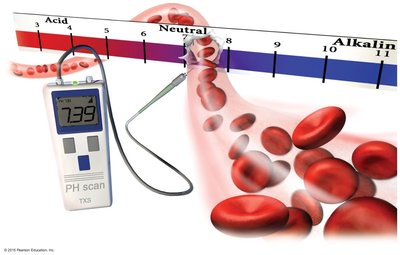
The pH of blood is tightly regulated by buffer systems to maintain a value near 7.4, which is essential for proper physiological function. Buffers in blood help resist changes in pH when acids or bases are introduced, ensuring oxygen transport and metabolic stability.
Buffering Capacity: Blood contains a mixture of weak acids and their conjugate bases, such as carbonic acid (H2CO3) and bicarbonate (HCO3-).
Acidosis: A drop in blood pH (acidosis) can compromise oxygen transport.
Measurement: pH meters are used to monitor blood pH in clinical settings.
Example: Glycolic acid, a metabolite of ethylene glycol (antifreeze), can overwhelm blood buffers and cause acidosis.
Ethylene Glycol and Glycolic Acid
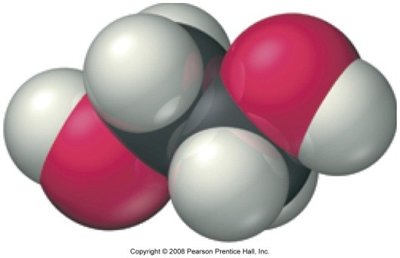
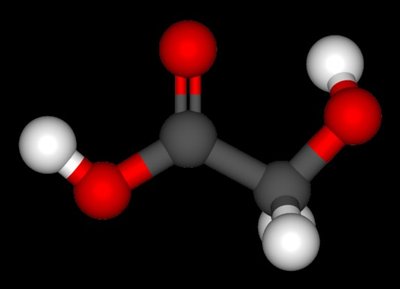
Ethylene glycol is a common component of antifreeze and is metabolized in the liver to glycolic acid, which is toxic at high concentrations due to its effect on blood pH.
Ethylene Glycol: A sweet-tasting, colorless liquid (HOCH2CH2OH).
Glycolic Acid: Alpha-hydroxyethanoic acid (HOCH2COOH), a weak acid.
Toxicity: Glycolic acid lowers blood pH, leading to acidosis.
Buffer Solutions
Definition and Function
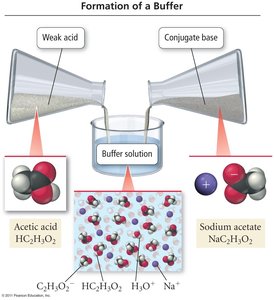
A buffer is a solution that resists changes in pH when small amounts of acid or base are added. Buffers are typically made by mixing a weak acid with its conjugate base or a weak base with its conjugate acid.
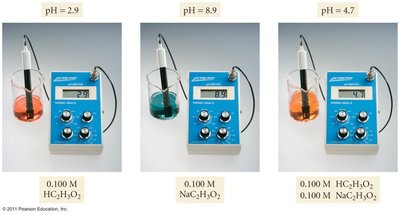
Weak Acid/Conjugate Base: Example: Acetic acid (HC2H3O2) and sodium acetate (NaC2H3O2).
Neutralization: Buffers neutralize added acids or bases by shifting equilibrium.
Limitations: Buffers have a finite capacity; excessive addition of acid/base will eventually change the pH.
Buffer Action: Addition of Acid or Base
When a base is added to an acid buffer, the weak acid reacts to neutralize the base. When an acid is added, the conjugate base reacts to neutralize the acid.
Acid Buffer Reaction: HA(aq) + OH-(aq) → A-(aq) + H2O(l)
Base Buffer Reaction: H+(aq) + A-(aq) → HA(aq)
Common Ion Effect
The addition of a salt containing the conjugate base of the weak acid (the common ion) shifts the equilibrium, decreasing the concentration of H3O+ and increasing pH.
Buffer pH Calculations
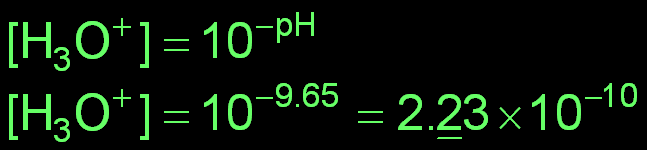
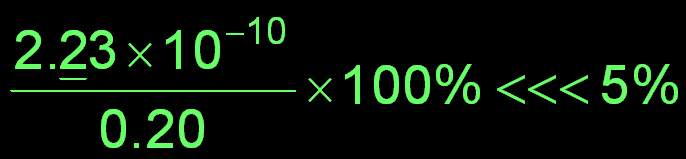
Buffer pH can be calculated using equilibrium analysis or the Henderson-Hasselbalch equation, which simplifies calculations when the "x is small" approximation is valid.
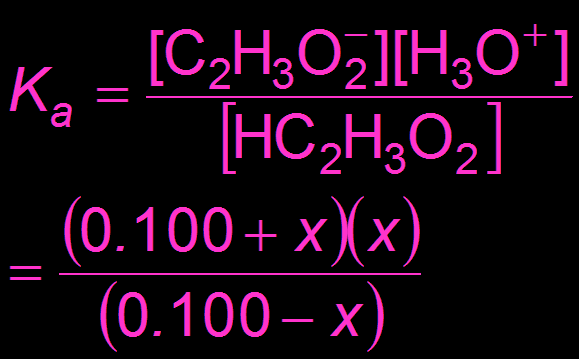
ICE Table: Used to track changes in concentrations during equilibrium.
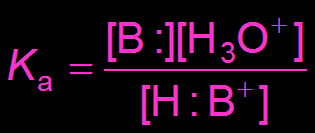
Equilibrium Expression:


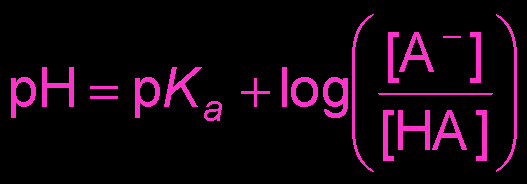
Henderson-Hasselbalch Equation
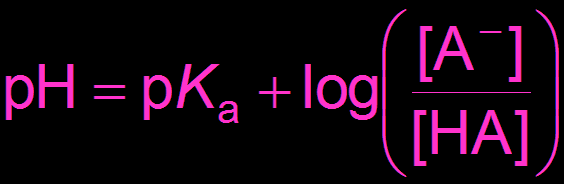
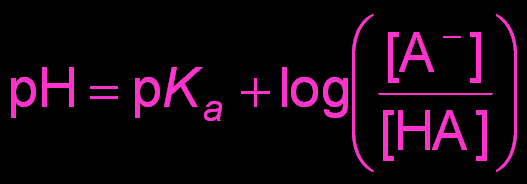
The Henderson-Hasselbalch equation relates the pH of a buffer to the pKa and the ratio of conjugate base to weak acid concentrations:
Equation:
Application: Useful for quick pH calculations when buffer concentrations are much larger than Ka.

Buffer Capacity and Range
Buffering Effectiveness
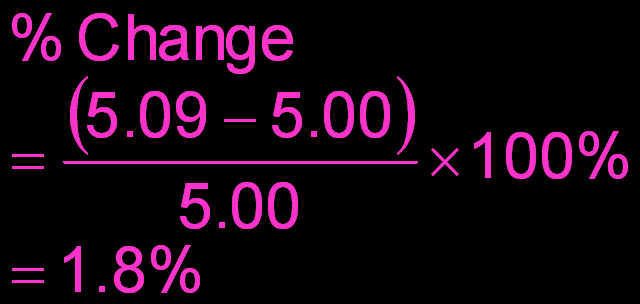
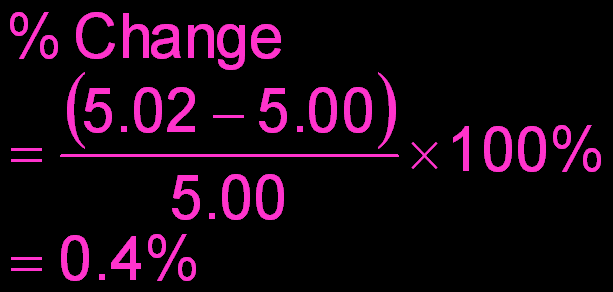
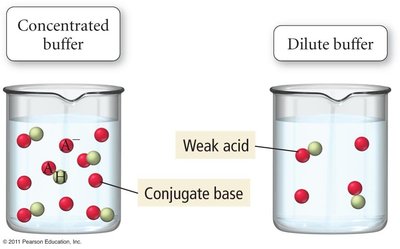
The effectiveness of a buffer depends on the relative and absolute concentrations of acid and base. A buffer is most effective when the concentrations of acid and base are equal and large.
Buffering Capacity: The amount of acid or base a buffer can neutralize.
Buffering Range: The pH range over which a buffer is effective, typically pKa ± 1.
Choosing Buffer Components
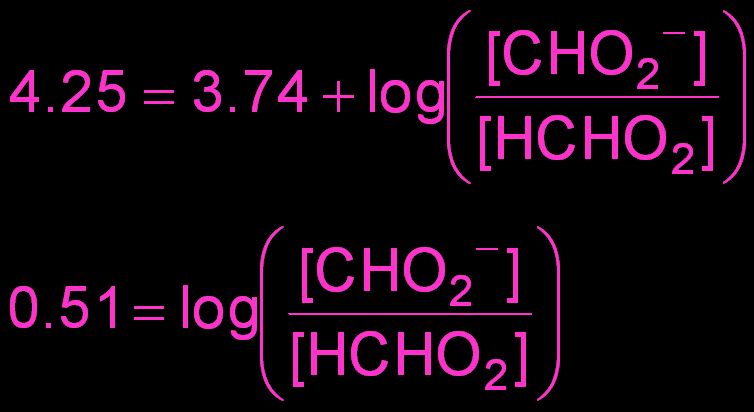
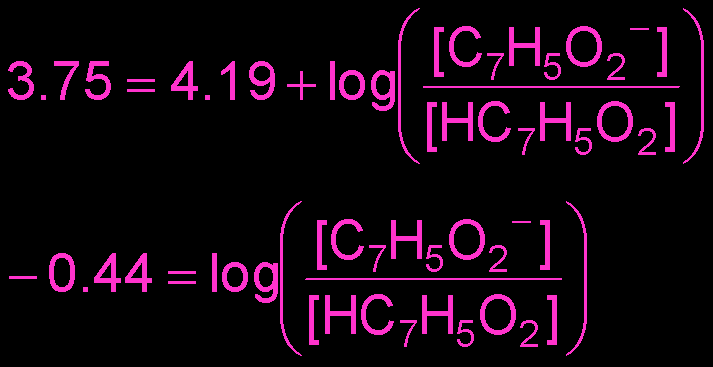
To make an effective buffer, select an acid with a pKa close to the desired pH. The ratio of conjugate base to acid can be calculated using the Henderson-Hasselbalch equation.
Example: To make a buffer with pH 4.25, use formic acid (pKa = 3.74) and adjust the ratio of sodium formate to formic acid.
Basic Buffers
Formation and Calculation
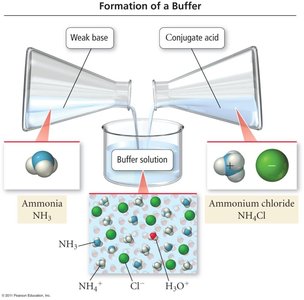
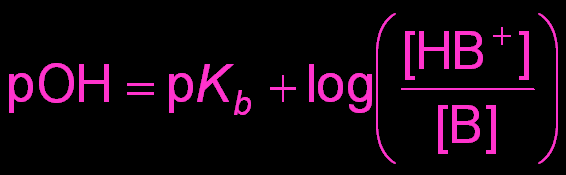
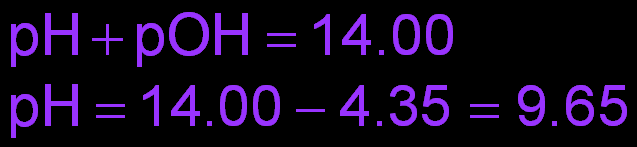
Basic buffers are made by mixing a weak base with a soluble salt of its conjugate acid. The Henderson-Hasselbalch equation can be adapted for basic buffers using pOH and pKb.
Example: Ammonia (NH3) and ammonium chloride (NH4Cl) form a basic buffer.
Equation:
Relationship:


Titration and Titration Curves
Acid-Base Titration
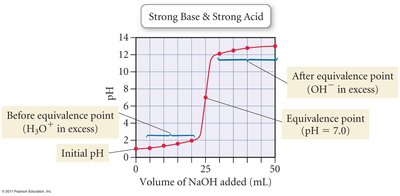
Titration is a technique used to determine the concentration of an unknown solution by adding a solution of known concentration until the reaction reaches the endpoint, often indicated by a color change.
Equivalence Point: The point at which moles of acid equal moles of base.
Indicator: A dye that changes color at a specific pH, marking the endpoint.
Titration Curve: A plot of pH versus volume of titrant added, showing the equivalence point as an inflection.
Solubility Equilibria
Solubility Product (Ksp)
The solubility product, Ksp, is the equilibrium constant for the dissociation of a solid salt into its ions in solution. It is used to predict solubility and precipitation.
General Reaction: MnXm(s) → nMm+(aq) + mXn-(aq)
Expression:
Molar Solubility: The number of moles of solute that dissolve per liter of solution.
Common Ion Effect on Solubility
The addition of a common ion decreases the solubility of an insoluble salt by shifting the equilibrium to the left.
Precipitation and Selective Precipitation
Precipitation occurs when the ion product (Q) exceeds Ksp. Selective precipitation is used to separate ions based on their differing Ksp values.
Complex Ion Formation
Complex Ions and Formation Constants
Transition metals often form complex ions with ligands, increasing their solubility in solution. The formation constant (Kf) quantifies the stability of the complex ion.
Example: Ag+(aq) + 2 NH3(aq) → Ag(NH3)2+(aq)
Effect: Addition of ligands increases the solubility of metal salts.
Amphoteric Hydroxides
Solubility in Acidic and Basic Solutions
Some metal hydroxides are amphoteric, meaning they can dissolve in both acidic and basic solutions by acting as either an acid or a base.
Examples: Al3+, Cr3+, Zn2+, Pb2+, Sb2+
Behavior: Increased solubility in acid (removal of OH-) and in base (formation of complex ions).
Summary Table: Buffer Properties
Property | Definition | Key Equation |
|---|---|---|
Buffer Capacity | Amount of acid/base a buffer can neutralize | Depends on [acid] and [base] |
Buffer Range | pH range buffer is effective | pKa ± 1 |
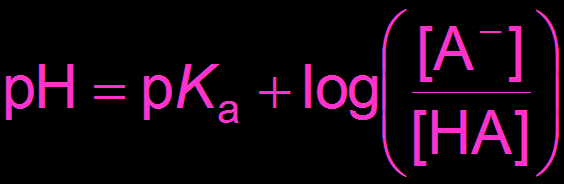
Henderson-Hasselbalch | pH calculation for buffer | |
Solubility Product (Ksp) | Equilibrium constant for salt dissociation |
