 Back
BackChapter 2: The Components of Matter – Atomic Theory, Elements, Compounds, and Mixtures
Study Guide - Smart Notes
 Tailored notes based on your materials, expanded with key definitions, examples, and context.
The Components of Matter
Elements, Compounds, and Mixtures: An Atomic Overview
The study of matter begins with understanding its basic components: elements, compounds, and mixtures. Each has distinct characteristics and plays a fundamental role in chemistry.
Element: The simplest type of substance with unique physical and chemical properties. An element consists of only one type of atom and cannot be broken down by physical or chemical means.
Molecule: A structure consisting of two or more atoms chemically bound together, behaving as an independent unit.
Compound: A substance composed of two or more elements chemically combined in fixed ratios.
Mixture: A group of two or more elements and/or compounds physically intermingled, not chemically combined.
Example: Water (H2O) is a compound, while air is a mixture of gases.
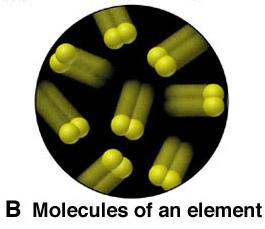
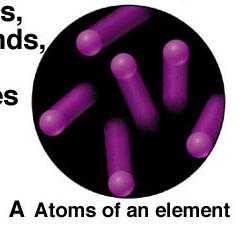

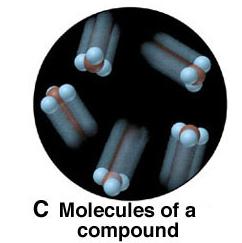
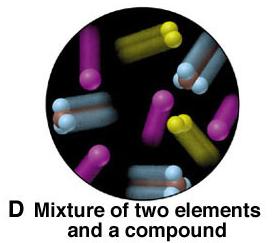
Properties of Elements, Compounds, and Mixtures
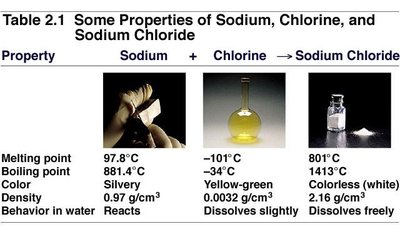
Elements and compounds have unique properties, while mixtures retain the properties of their components.
Elements: Unique melting/boiling points, color, density, and chemical behavior.
Compounds: Properties differ from those of constituent elements.
Mixtures: Properties are a combination of the individual substances.
The Atomic Theory and Mass Laws
The Law of Mass Conservation
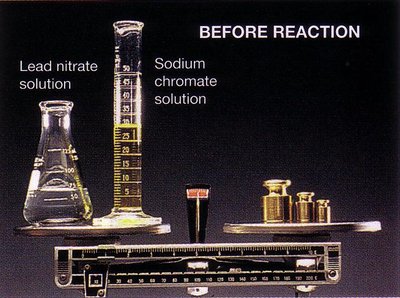
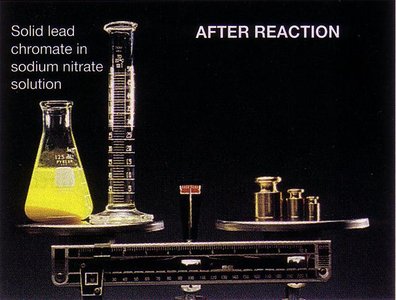
The law of mass conservation states that mass remains constant during a chemical reaction. The total mass of substances does not change during a chemical reaction.
Equation:
Example:
The Law of Definite (or Constant) Composition
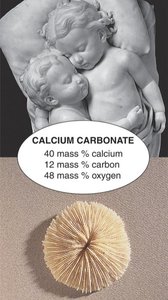
No matter the source, a particular compound is composed of the same elements in the same parts by mass. This law is fundamental to understanding chemical formulas and stoichiometry.
Example: Calcium carbonate (CaCO3) always contains 40% calcium, 12% carbon, and 48% oxygen by mass.
Mass Fraction:
Percent by Mass:



















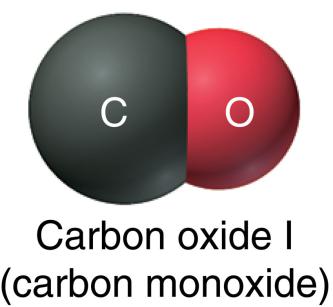
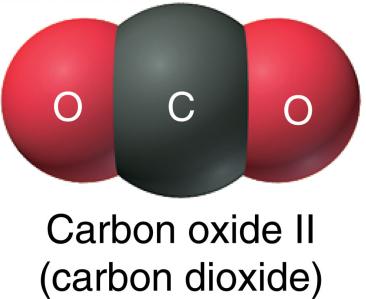
The Law of Multiple Proportions
If elements A and B react to form two compounds, the different masses of B that combine with a fixed mass of A can be expressed as a ratio of small whole numbers.
Example: Carbon oxides: In CO, the ratio of O to C is 1.33; in CO2, it is 2.66. The ratio between the two is 2:1.
Dalton’s Atomic Theory
Postulates of Dalton’s Atomic Theory
Dalton’s atomic theory provided a foundation for modern chemistry by explaining the mass laws.
All matter consists of atoms.
Atoms of one element cannot be converted into atoms of another element.
Atoms of an element are identical in mass and other properties and are different from atoms of any other element.
Compounds result from the chemical combination of a specific ratio of atoms of different elements.
Dalton’s Theory explains:
Mass conservation: Atoms cannot be created or destroyed or converted into other types of atoms. Since every atom has a fixed mass, during a chemical reaction atoms are combined differently and therefore there is no mass change overall.
Definite composition: Atoms are combined in compounds in specific ratios and each atom has a specific mass. So each element has a fixed fraction of the total mass in a compound.
Multiple proportions: Atoms of an element have the same mass and atoms are indivisible. So when different numbers of atoms of elements combine, they must do so in ratios of small, whole numbers.















 *Additional info: Dalton's atomic theory is foundational for understanding chemical reactions, stoichiometry, and the conservation of mass in chemistry.*
