 Back
BackCHM 1046 General Chemistry II: Syllabus and Course Structure Overview
Study Guide - Smart Notes
 Tailored notes based on your materials, expanded with key definitions, examples, and context.
Course Overview
Course Description
CHM 1046 (General Chemistry II) is the second course in the general chemistry sequence, designed to deepen students' understanding of modern chemistry. The course covers advanced topics including thermodynamics, kinetics, solutions, equilibria (acids, bases, and ionic), and electrochemistry. These topics are foundational for students pursuing further studies in chemistry, biology, engineering, and related fields.
Required Materials
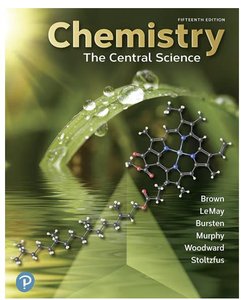
Textbook: Chemistry: The Central Science, 15th Edition by Brown, LeMay, Bursten, Murphy, Woodward, Stoltzfus (ISBN-13: 9780137493609)
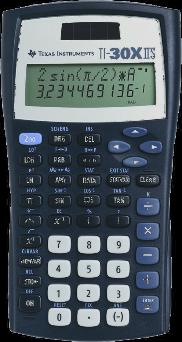
Calculator: Simple scientific calculator (non-programmable; cell phones and graphing calculators are not permitted)
Course Structure and Grading
Grading Components
Participation: 15% (includes in-class activities, reading assignments, group work; no make-ups for missed participation)
Homework: 15% (assigned per chapter, lowest two scores dropped, no late submissions accepted)
Chapter Exams: 50% (four exams, lowest score dropped, no make-ups except for extenuating circumstances)
Final Exam: 20% (cumulative, multiple choice, covers chapters 13–21 except chapter 18, no make-ups)
Peer-Led Team Learning (PLTL): Up to 3% bonus for completion of all PLTL assignments
Component | Percentage (%) |
|---|---|
Participation | 15 |
Homework | 15 |
Chapter Exams (4x) | 50 |
Final Exam | 20 |
Total | 100 + 3% PLTL |
Grade | Grading Scale (%) |
|---|---|
A | ≥ 89 – 100 |
B | ≥ 78 – 88 |
C | ≥ 67 – 77 |
D | ≥ 55 – 66 |
F | ≤ 54 |
Attendance and Participation
Attendance is mandatory and will be taken at the start of each class.
More than four consecutive absences or eight total absences may result in withdrawal from the course.
Arriving late or missing class impacts participation grades.
Electronic Device Policy
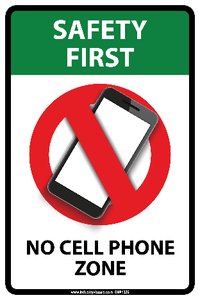
All cell phones and media devices must be silenced and put away during class.
Laptops and phones are not allowed; only tablets for note-taking are permitted.
Peer-Led Team Learning (PLTL)
PLTL sessions provide additional practice and collaborative learning opportunities. Students work in small groups with a Peer Academic Leader to reinforce concepts and prepare for exams. Full participation can earn up to 3% bonus credit.

Course Topics and Schedule
Major Topics Covered
Properties of Solutions (Ch. 13)
Chemical Kinetics (Ch. 14)
Chemical Equilibrium (Ch. 15)
Acid-Base Equilibria (Ch. 16)
Additional Aspects of Aqueous Equilibria (Ch. 17)
Chemical Thermodynamics (Ch. 19)
Electrochemistry (Ch. 20)
Nuclear Chemistry (Ch. 21)
Chemistry of the Environment (Ch. 18, for honors project)
Week | Topics & Assignments | Chapters |
|---|---|---|
1 | Introduction, Properties of Solutions | 13.1–13.6 |
2–3 | Chemical Kinetics | 14.1–14.6 |
4 | Chemical Equilibrium | 15.1–15.7 |
5–6 | Acid-Base Equilibria | 16.1–16.10 |
7–8 | Additional Aspects of Aqueous Equilibria | 17.1–17.7 |
10–11 | Chemical Thermodynamics | 19.1–19.7 |
13–14 | Electrochemistry | 20.1–20.9 |
15 | Nuclear Chemistry | 21 |
16 | Chemistry of the Environment (PBL Activity) | 18 |
17 | Final Exam (Cumulative) | All |
Course Competencies and Learning Outcomes
Demonstrate knowledge of liquids and solids
Demonstrate knowledge of solutions
Demonstrate knowledge of chemical thermodynamics
Demonstrate knowledge of chemical kinetics
Demonstrate knowledge of equilibria (homogeneous, heterogeneous, ionic, acid-base, slightly soluble substances)
Demonstrate knowledge of electrochemistry
Demonstrate knowledge of nuclear chemistry
Student Success Strategies
Read assigned chapters before class and review notes regularly.
Practice problem-solving consistently; most learning occurs outside of lecture.
Collaborate with classmates and utilize free tutoring resources.
Use study aids such as flashcards, practice exams, and online resources provided by Pearson.
Academic Policies and Support
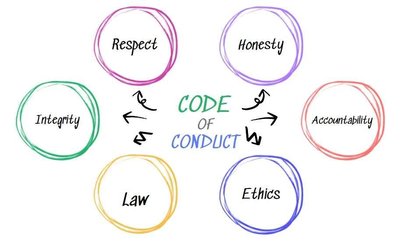
Adhere to the code of conduct, including academic honesty and respectful behavior.
Accommodations are available for students with disabilities through the ACCESS Department.
Religious observances and emergencies are accommodated with proper notification and documentation.
Accessing Course Materials and Technical Support
All course materials, grades, and communications are managed through Canvas.
Pearson MyLab & Mastering is used for homework and practice problems. Access instructions are provided in the syllabus.
Technical support is available through Pearson's support website.

Additional Information
For further details on course competencies, refer to the official link provided in the syllabus.
Students are responsible for keeping up with announcements and any changes to the syllabus or schedule.
Additional info: This syllabus provides a comprehensive overview of the course structure, expectations, and resources for success in General Chemistry II. Students are encouraged to actively engage with all course components and seek support as needed.
