Back

Comprehensive General Chemistry Study Guide: Final Exam Review

Study Guide - Learn with Videos

Curated lessons matched to your uploaded material – learn every topic step by step.

Intermolecular Forces

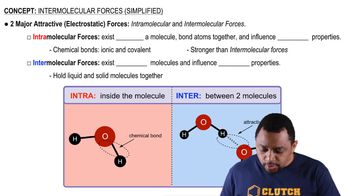
  • Intermolecular vs Intramolecular Forces
    01:59
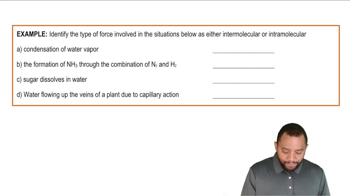
  • Intermolecular vs Intramolecular Example
    2:04
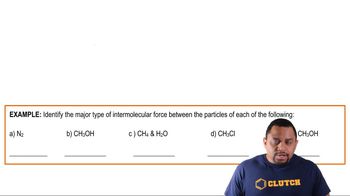
  • Intermolecular Forces Example
    01:59
Intermolecular Forces and Physical Properties

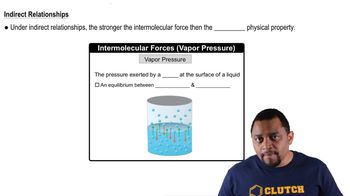
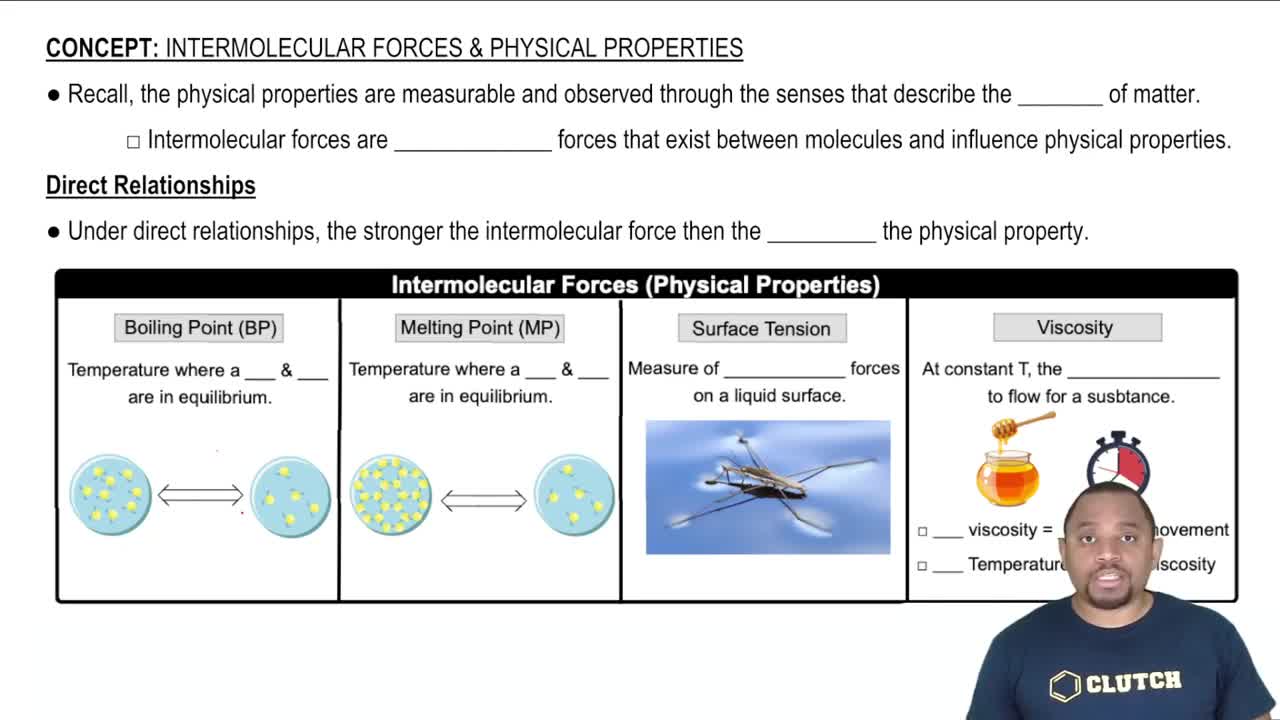
  • Intermolecular Forces & Physical Properties
    01:04
  • Intermolecular Forces and Properties
    03:13
  • Melting Point Example
    01:21

Phase Diagrams

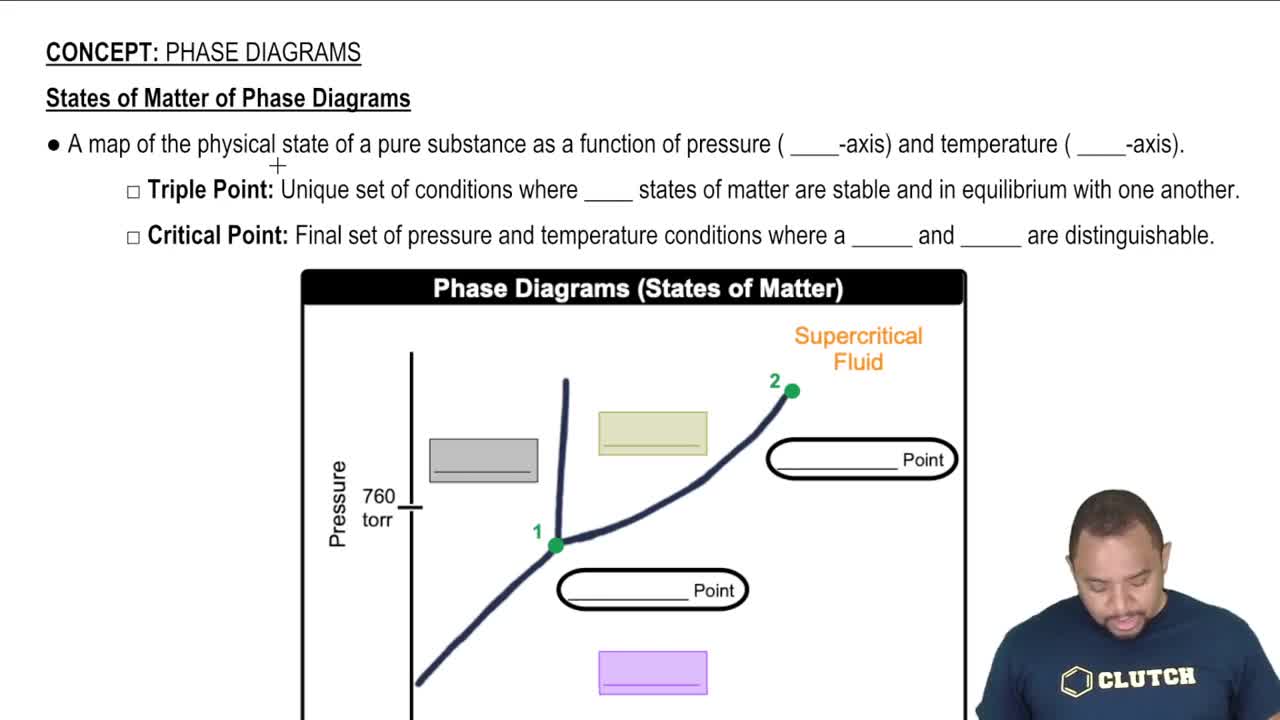
  • States of Matter of Phase Diagrams
    03:19
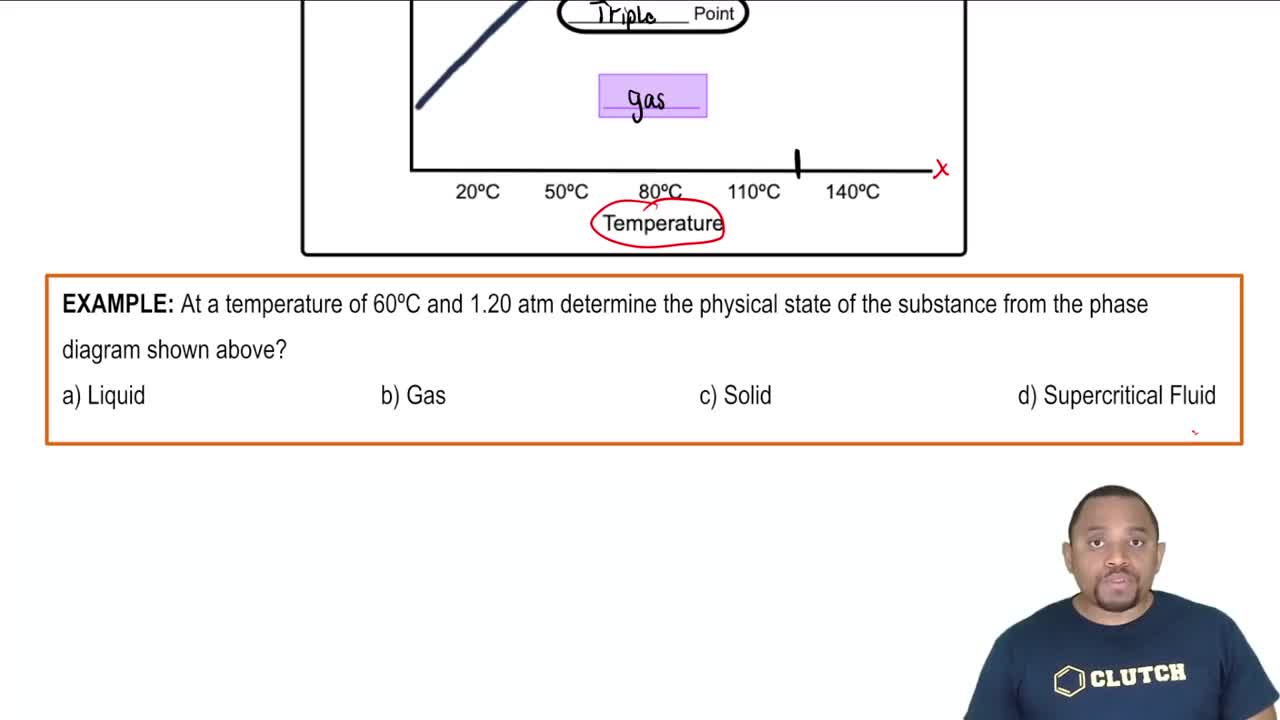
  • Phase Diagram Example
    01:10
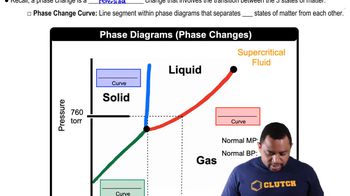
  • Phase Changes in Diagrams
    03:22

Clausius-Clapeyron Equation

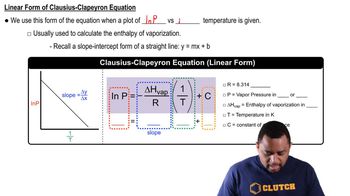
  • Linear Form of Clausius-Clapeyron Equation
    02:57
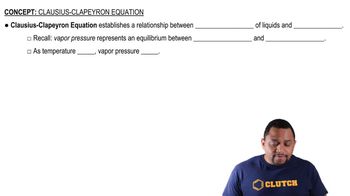
  • Clausius-Clapeyron Equation
    00:59
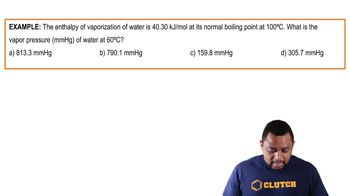
  • Vapor Pressure Calculation Example
    03:37

Heating and Cooling Curves

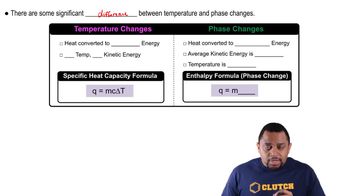
  • Temperature Changes vs PhaseChanges
    01:33
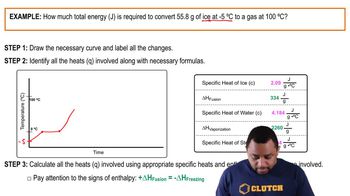
  • Energy Calculation Example
    06:15
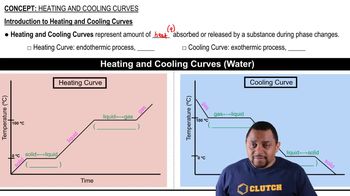
  • Introduction to Heating and Cooling Curves
    03:52

Solutions

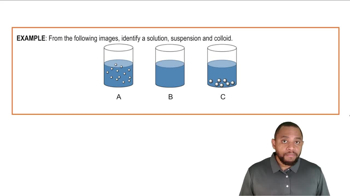
  • Identify Mixtures Example
    01:16
  • Suspensions and Colloids
    02:38
  • Solution Components Example
    1:17

Molarity

  • Calculate Molarity Example
    01:46
  • Molarity
    01:13
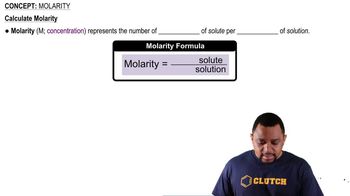
  • Molarity Concept
    00:53

Molality

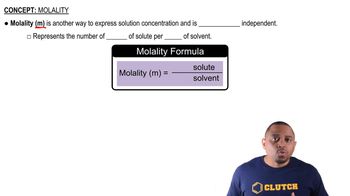
  • Molality
    00:40
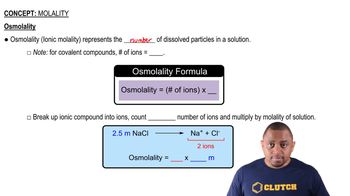
  • Osmolality in Solutions
    01:24
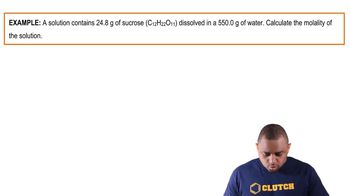
  • Molality Calculation Example
    02:19

Mole Fraction of Solutions

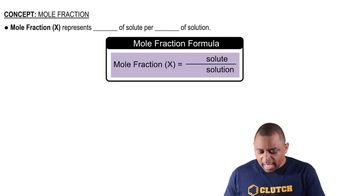
  • Mole Fraction Formula
    00:27
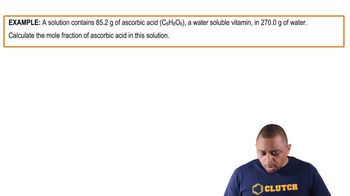
  • Mole Fraction Example
    02:26

Solutions: Mass Percent

  • Molarity Calculation Example
    02:30
  • Mass Percent Calculation Example
    00:51
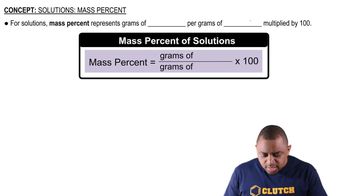
  • Solutions: Mass Percent
    00:24

Parts per Million (ppm)

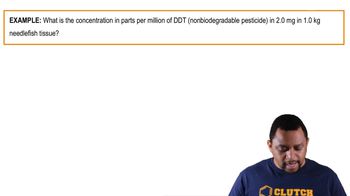
  • PPM Calculation Example
    01:11
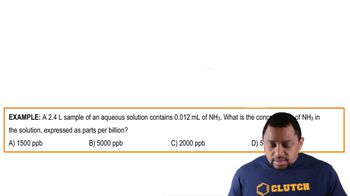
  • Parts per Billion Example
    01:23
  • Parts per Million (ppm)
    01:38

Solubility Rules

  • Solubility Rules
    00:28
  • Soluble Ionic Solutes Example
    01:32
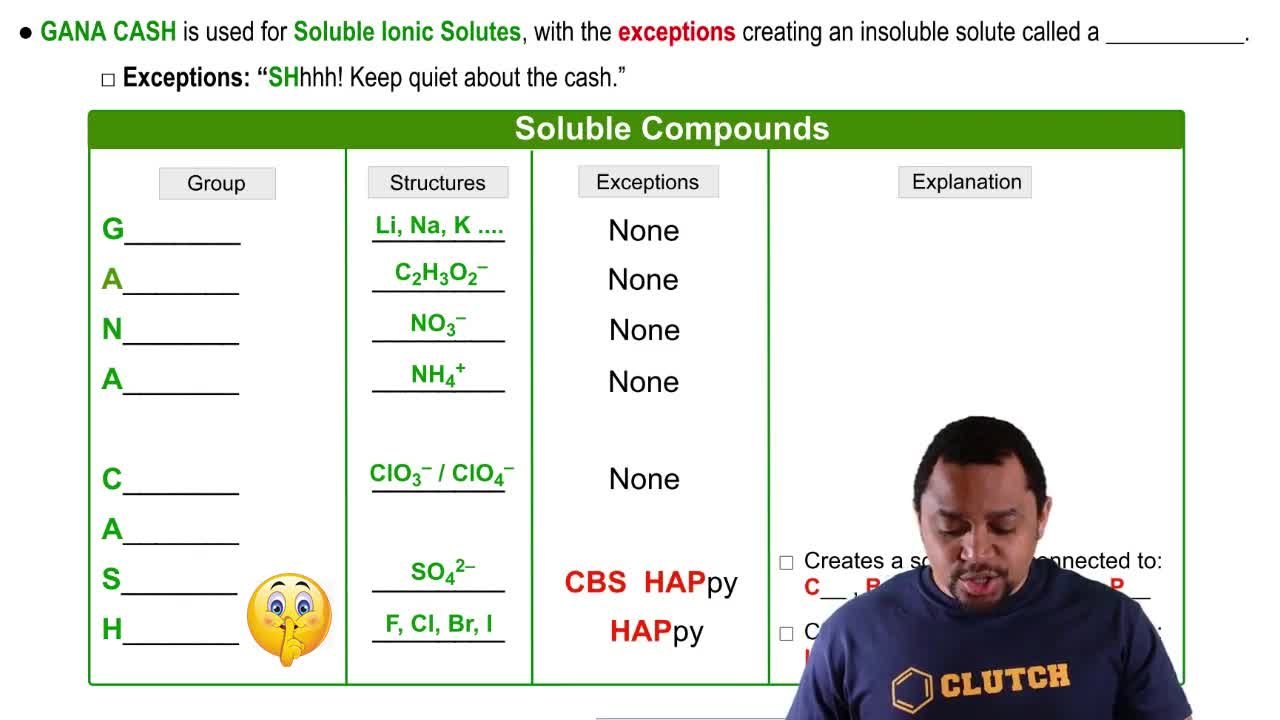
  • Soluble Ionic Solutes
    02:30

Henry's Law Calculations

  • Henry's Law Two-point Formula Example
    01:59
  • Henry's Law Calculations
    01:40
  • Henry's Law Two-point Formula
    01:03

The Colligative Properties

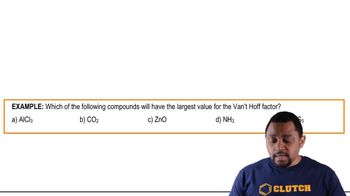
  • Van't Hoff Factor Example
    01:05
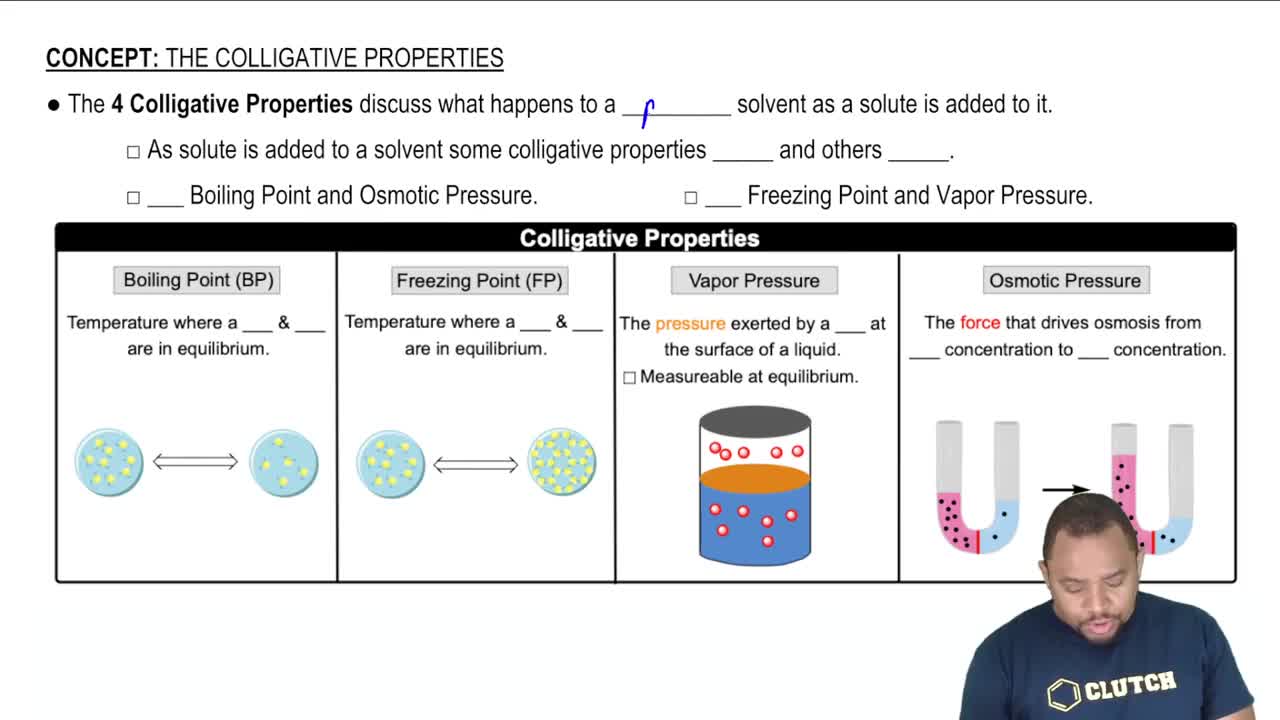
  • Colligative Properties
    02:49
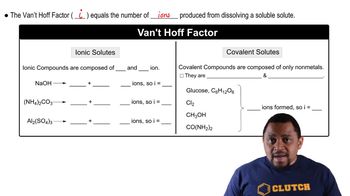
  • Van't Hoff Factor
    02:50

Boiling Point Elevation

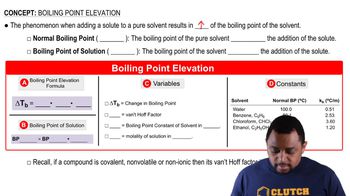
  • Boiling Point Elevation
    03:05
  • Boiling Point Calculation Example
    01:54

Freezing Point Depression

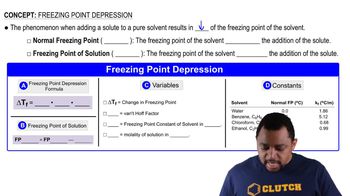
  • Freezing Point Depression
    01:59
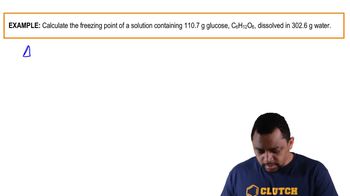
  • Freezing Point Example
    02:18

Osmosis

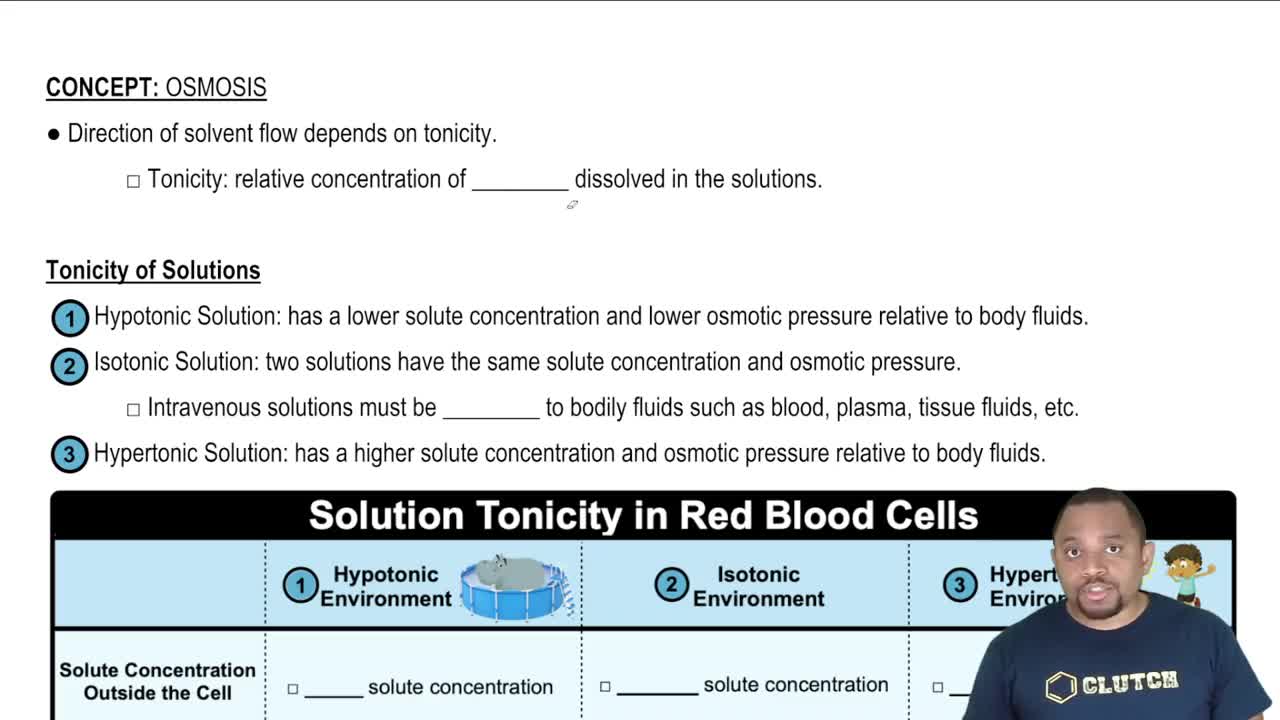
  • Osmosis and Tonicity
    04:29
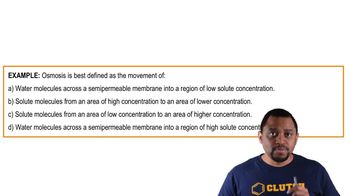
  • Osmosis Example
    00:38
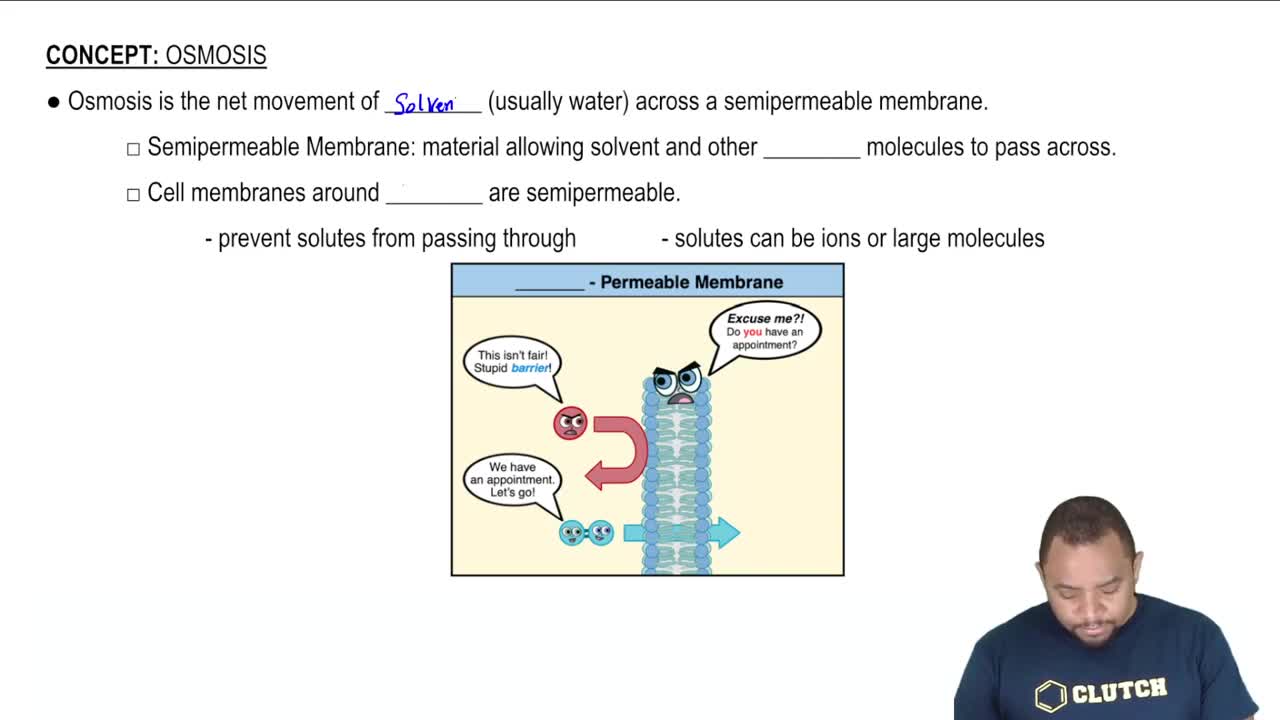
  • Osmosis and Semipermeable Membranes
    01:18

Osmotic Pressure

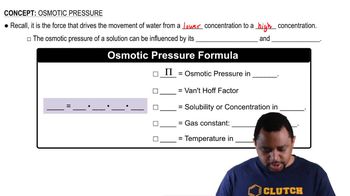
  • Osmotic Pressure Formula
    01:13
  • Osmotic Pressure Calculation Example
    02:52

Vapor Pressure Lowering (Raoult's Law)

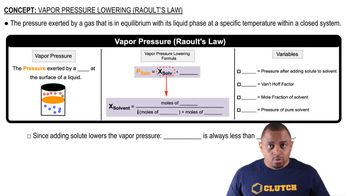
  • Raoult's Law and Vapor Pressure
    02:40
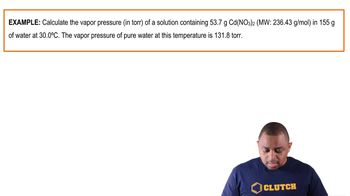
  • Vapor Pressure Calculation Example
    02:30

Intro to Chemical Kinetics

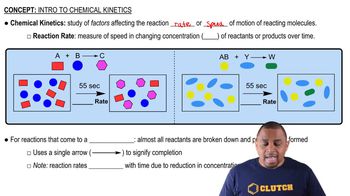
  • Chemical Kinetics
    03:06
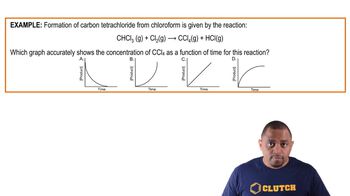
  • Chemical Kinetics Example
    01:34

Rate Law

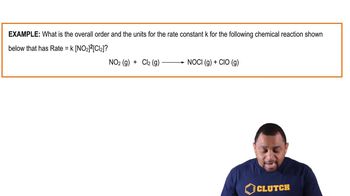
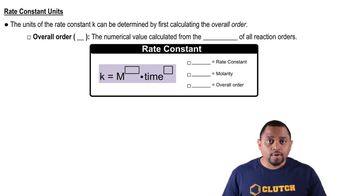
  • Rate Constant Units Example
    01:07
  • Rate Constant Units
    00:45
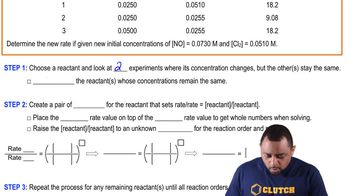
  • Rate Law Calculation Example
    07:33

Arrhenius Equation

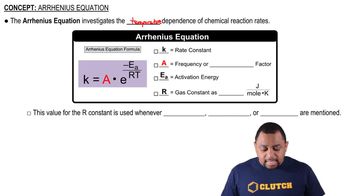
  • Arrhenius Equation
    01:20
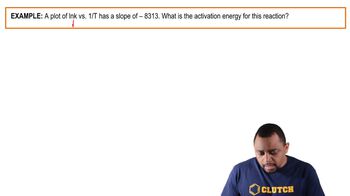
  • Linear Form of Arrhenius Equation Example
    01:58
  • Rate Constant Calculation Example
    02:36

Collision Theory

  • Introduction to Arrhenius Equation
    02:22
  • Collision Theory
    02:08
  • Orientation Factor Example
    01:29

Integrated Rate Law

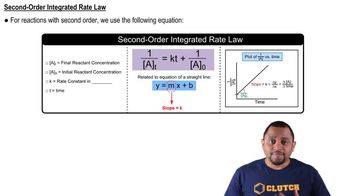
  • Second-Order Reactions
    01:59
  • First-Order Reaction Example
    02:06
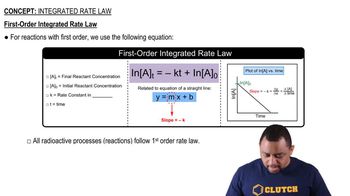
  • First-Order Reactions
    02:29

Half-Life

  • First-Order Half-Life Example
    01:18
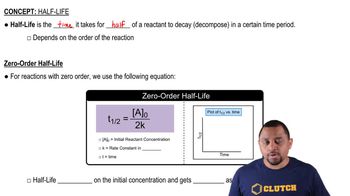
  • Zero-Order Half-life
    02:17
  • Zero-Order Half-life Example
    01:19

Reaction Mechanism

  • Molecularity in Reactions Example
    01:02
  • Reaction Mechanism Example
    02:14
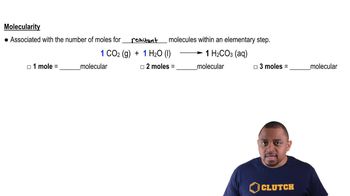
  • Molecularity in Reactions
    01:31

Intro to Chemical Equilibrium

  • Chemical Equilibrium Example
    01:18
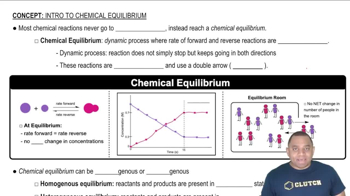
  • Chemical Equilibrium Concepts
    04:20

Equilibrium Constant K

  • Equilibrium Constant K
    01:14
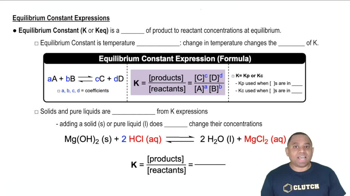
  • Equilibrium Constant Expressions
    03:20
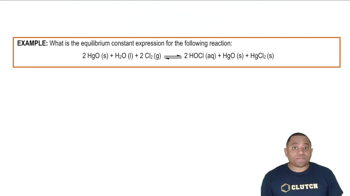
  • Equilibrium Constant Expressions Example
    01:07

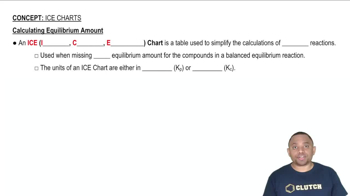
ICE Charts

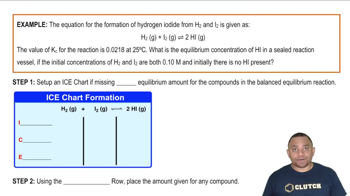
  • Calculate Equilibrium Amount with ICE Chart Example
    08:03
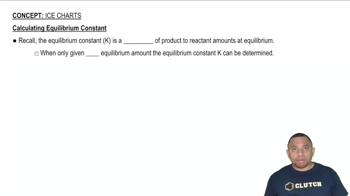
  • ICE Charts and Equilibrium Constant
    00:39
  • ICE Charts and Equilibrium Amount
    01:14

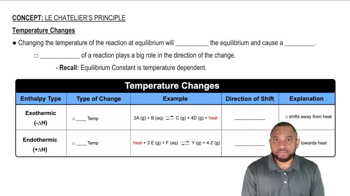
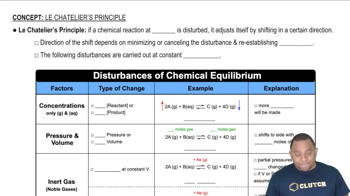
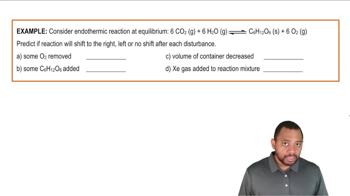
Le Chatelier's Principle

  • Temperature and Equilibrium Shifts
    04:04
  • Le Chatelier's Principle
    07:32
  • Disturbances and Equilibrium Shifts Example
    02:50

Reaction Quotient

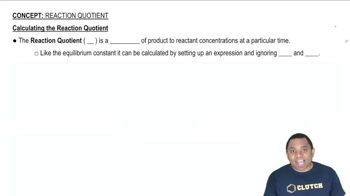
  • Reaction Quotient Q
    00:49
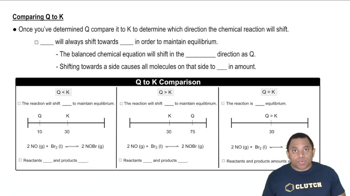
  • Comparing Q to K and Equilibrium Shift
    03:26
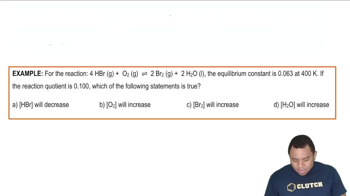
  • Comparing Q to K Example
    02:18

Acids Introduction

  • Acid Structure and Types
    02:29
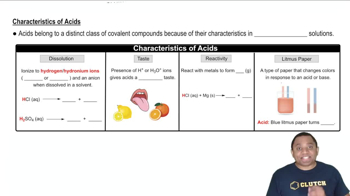
  • Acid Characteristics
    02:59
  • Acid Characteristics Example
    01:23

Bases Introduction

  • Strong Bases Example
    01:12
  • Base Properties
    01:57
  • Base Structure Example
    01:16

Arrhenius Acids and Bases

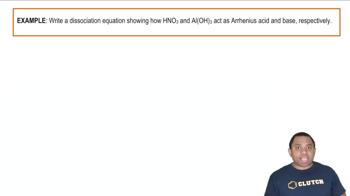
  • Acid-Base Dissociation Example
    00:54
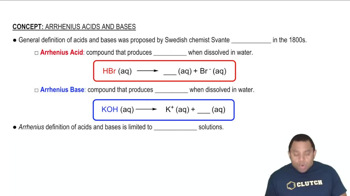
  • Arrhenius Acids and Bases
    02:00

Bronsted-Lowry Acids and Bases

  • Acid-Base Classification Example
    02:56
  • Bronsted-Lowry Acids and Bases Example
    01:10
  • Strength of Conjugate Acids and Bases
    00:50

Lewis Acids and Bases

  • Lewis Acids and Bases
    05:04
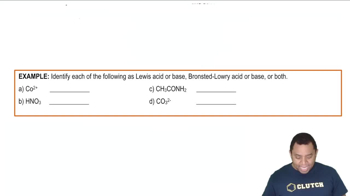
  • Lewis Acid-Base Identification Example
    02:30
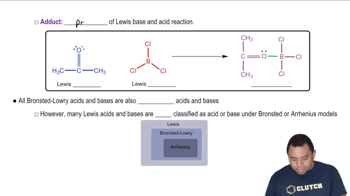
  • The Adduct
    03:50

The pH Scale

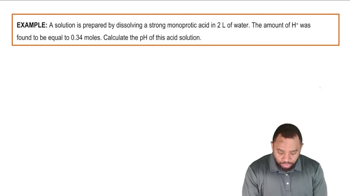
  • pH Calculation Example
    02:15
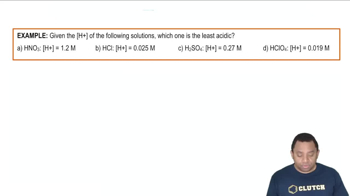
  • Least Acidic Solution Example
    00:48
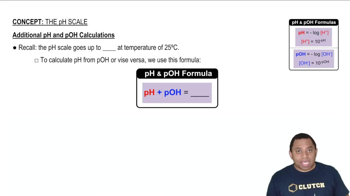
  • Additional pH and pOH Calculations
    00:58

Auto-Ionization

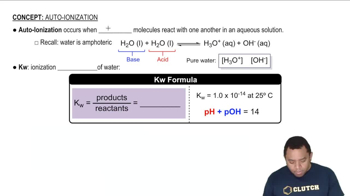
  • Auto-Ionization and Kw
    02:22
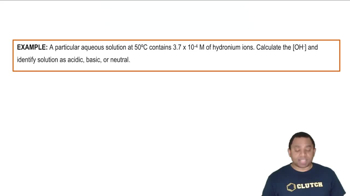
  • Auto-Ionization Example
    01:58
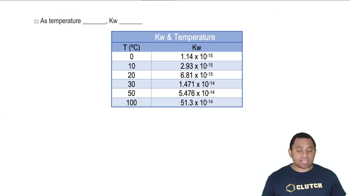
  • Kw Temperature Dependence
    01:24

Ka and Kb

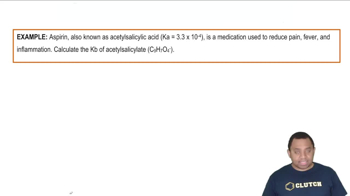
  • Ka and Kb Example
    01:31
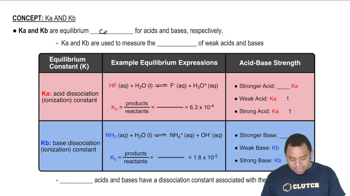
  • Characteristics of Ka and Kb
    03:50
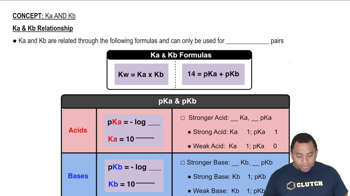
  • Ka and Kb Relationship
    03:01

pH of Strong Acids and Bases

  • pOH Calculation Example
    01:18
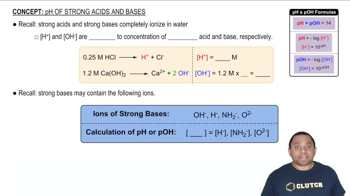
  • pH of Strong Acids and Bases
    02:39
pH of Weak Acids

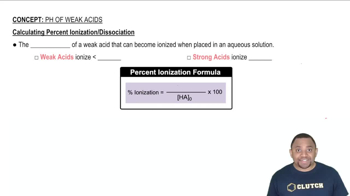
  • Calculating Percent Ionization of Weak Acids
    01:15
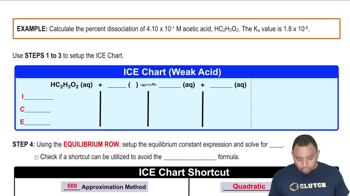
  • Percent Dissociation Example
    04:52
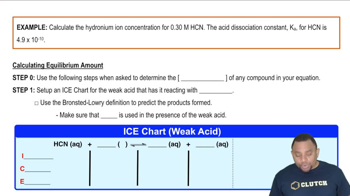
  • Hydronium Ion Concentration Example
    06:25

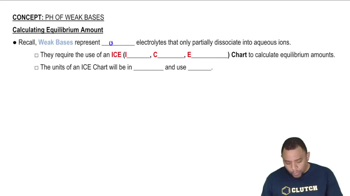
pH of Weak Bases

  • Calculating Percent Ionization of Weak Bases
    01:00
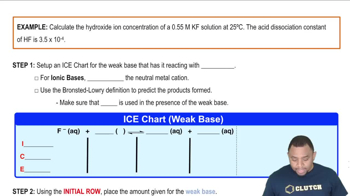
  • Hydroxide Ion Concentration Example
    06:12
  • ICE Charts of Weak Bases
    00:51

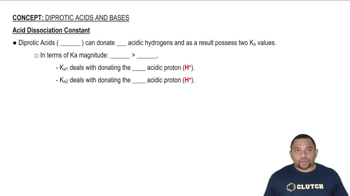
Diprotic Acids and Bases

  • Ka values of Diprotic Acids
    00:59
  • Diprotic Acids and Bases Example
    01:38
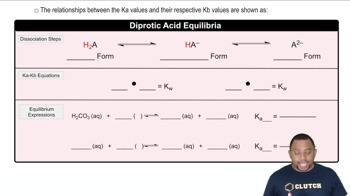
  • 3 forms of Diprotic Acids
    04:40

Diprotic Acids and Bases Calculations

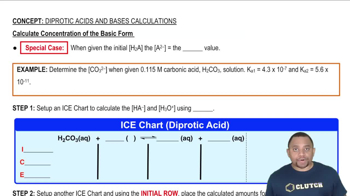
  • Calculate Concentration of the Basic Form
    07:35
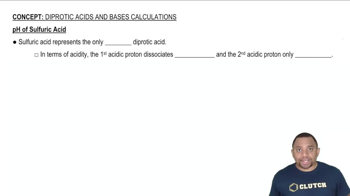
  • pH of Diprotic Acid Dissociation
    01:36
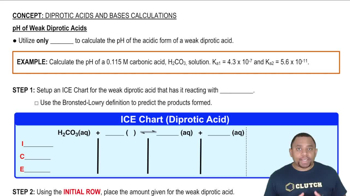
  • pH of Weak Diprotic Acids
    04:46

Triprotic Acids and Bases

  • Triprotic Acid Dissociation Example
    00:58
  • Triprotic Acid Equilibrium
    6:47
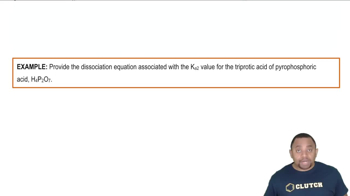
  • Triprotic Acid Ka Values
    01:07

Triprotic Acids and Bases Calculations

  • Triprotic Acid pH Example
    06:20
  • pH of Weak Triprotic Acid Species
    01:04

Intro to Buffers

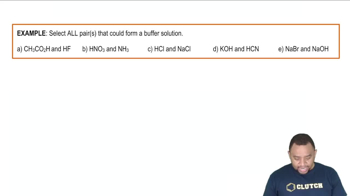
  • Buffer Solution Example
    02:41
  • Buffer Capacity
    00:45
  • Buffer Creation Methods
    03:04

Henderson-Hasselbalch Equation

  • Buffer Range Calculation
    02:47
  • Buffering Range Example
    01:22
  • Henderson-Hasselbalch Equation
    02:40

Intro to Acid-Base Titration Curves

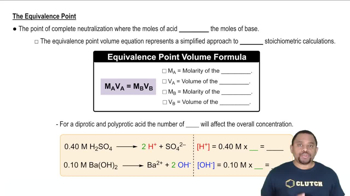
  • Equivalence Point Example
    01:35
  • Acid-Base Titration Curve Example
    01:35
  • Equivalence Point in Titration
    03:06

Strong Titrate-Strong Titrant Curves

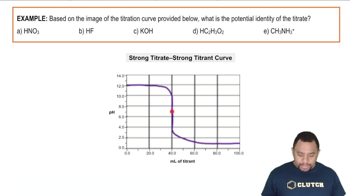
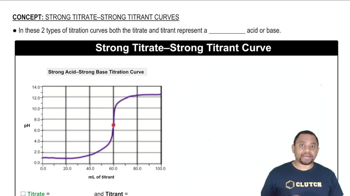
  • Strong Titrate-Strong Titrant Curve Example
    02:56
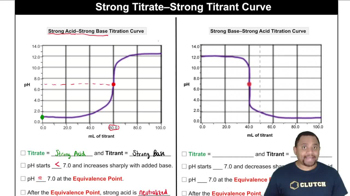
  • Strong Acid-Strong Base Titration Curve
    02:32
  • Strong Titrate-Strong Titrant Curve
    02:09

Weak Titrate-Strong Titrant Curves

  • Weak Titrate-Strong Titrant Curve Example
    02:08
  • Acid-Base Titration Formulas Example
    03:01
  • Weak Acid-Strong Base Titration Curve
    02:19

Acid-Base Indicators

  • Acid-Base Indicators
    04:30
  • Best Indicator Example
    00:52

Titrations: Weak Acid-Strong Base

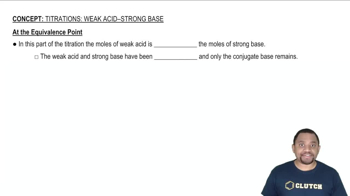
  • At the Equivalence Point
    01:07
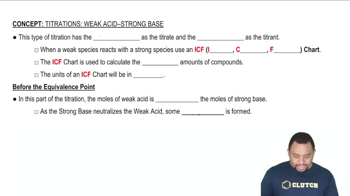
  • Before the Equivalence Point
    01:30
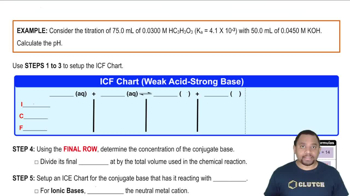
  • pH at the Equivalence Point Example
    08:27

Titrations: Weak Base-Strong Acid

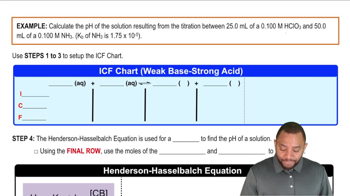
  • pH Before the Equivalence Point Example
    05:10
  • After the Equivalence Point
    00:53
  • pH at the Equivalence Point Example
    07:28

Titrations: Strong Acid-Strong Base

  • Strong Acid-Strong Base Titration Example
    04:43
  • Strong Acid-Strong Base Titration
    01:09

Titrations: Diprotic & Polyprotic Buffers

  • Triprotic Buffer Titration Example
    06:36
  • Diprotic Buffers
    03:13
  • Diprotic Buffer Titration Example
    06:07

Solubility Product Constant: Ksp

  • Solubility Product Constant
    01:47
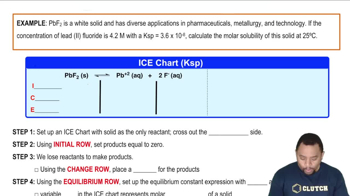
  • Molar Solubility Example
    04:13
  • Ksp Calculations
    01:51

Ksp: Common Ion Effect

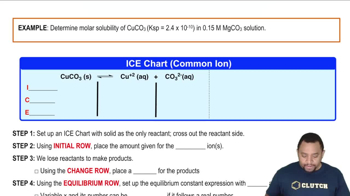
  • Common Ion Effect Example
    03:39
  • Common Ion Effect in Acids and Bases
    00:33
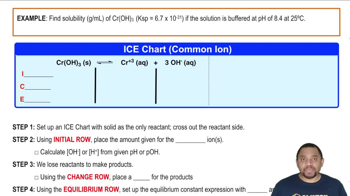
  • Solubility at Buffered pH Example
    05:30

Precipitation: Ksp vs Q

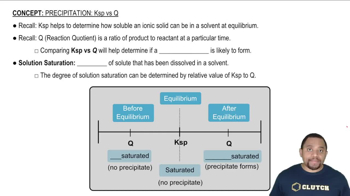
  • Ksp vs Q in Precipitation
    03:05
  • Precipitation: Ksp vs Q Example
    03:12

Selective Precipitation

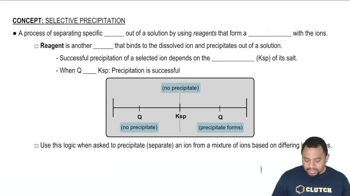
  • Selective Precipitation
    01:53
  • Selective Precipitation Example
    03:22

Spontaneous vs Nonspontaneous Reactions

  • Spontaneity of Processes Example
    03:05
  • Spontaneity of Processes
    04:20

Entropy

  • Second Law of Thermodynamics Example
    00:48
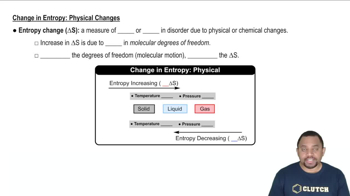
  • Entropy and Physical Changes
    02:35
  • Standard Molar Entropy Example
    01:17

Entropy Calculations

  • Total Entropy Example
    01:23
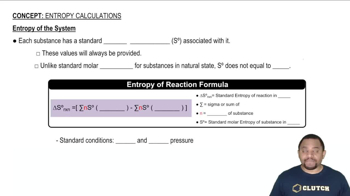
  • Entropy of the System
    02:06
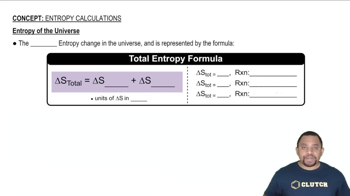
  • Entropy of the Universe
    01:42

Entropy Calculations: Phase Changes

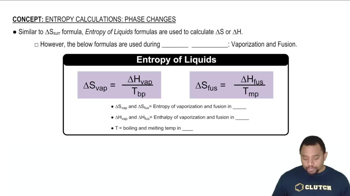
  • Entropy in Phase Changes
    01:46
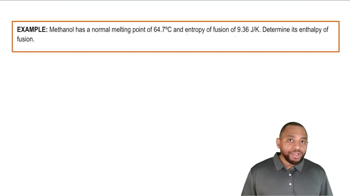
  • Entropy in Phase Changes Example
    02:30

Third Law of Thermodynamics

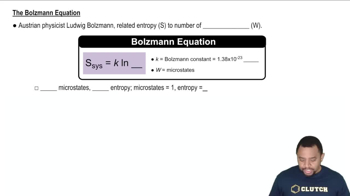
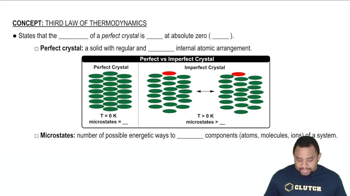
  • The Boltzmann Equation
    01:23
  • Entropy of Perfect Crystals
    02:20
  • The Boltzmann Equation Example
    00:49

Gibbs Free Energy

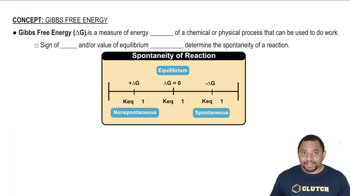
  • Spontaneity of Reactions
    03:38
  • ΔG and Spontaneity Example
    01:23
  • Spontaneity and Temperature Example
    02:42

Gibbs Free Energy Calculations

  • The Gibbs Free Energy Formula
    00:44
  • Standard Gibbs Free Energy and Temperature
    00:32
  • The Gibbs Free Energy Formula Example
    01:29

Gibbs Free Energy And Equilibrium

  • ∆G° and K Example
    01:13
  • ∆G° and K
    01:19
  • ∆G, ∆G° and Q
    01:03

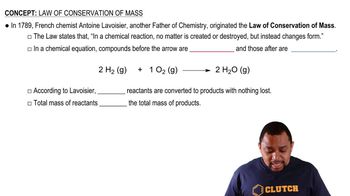
Law of Conservation of Mass

  • Law of Conservation of Mass Example
    01:20
  • Law of Conservation of Mass
    01:48

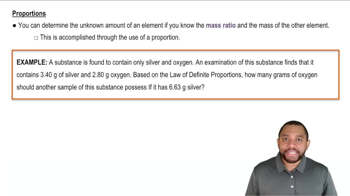
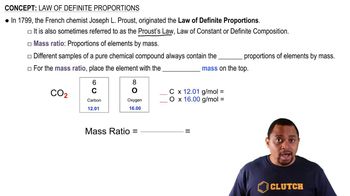
Law of Definite Proportions

  • Law of Definite Proportions Example
    1:59
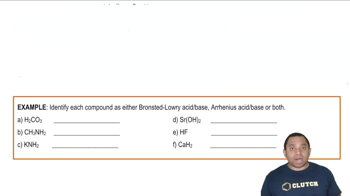
  • Law of Definite Proportions Example
    2:23
  • Law of Definite Proportions
    02:48

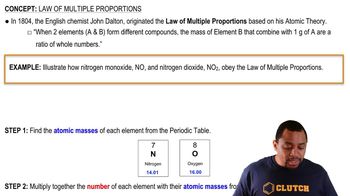
Law of Multiple Proportions

  • Law of Multiple Proportions
    03:32

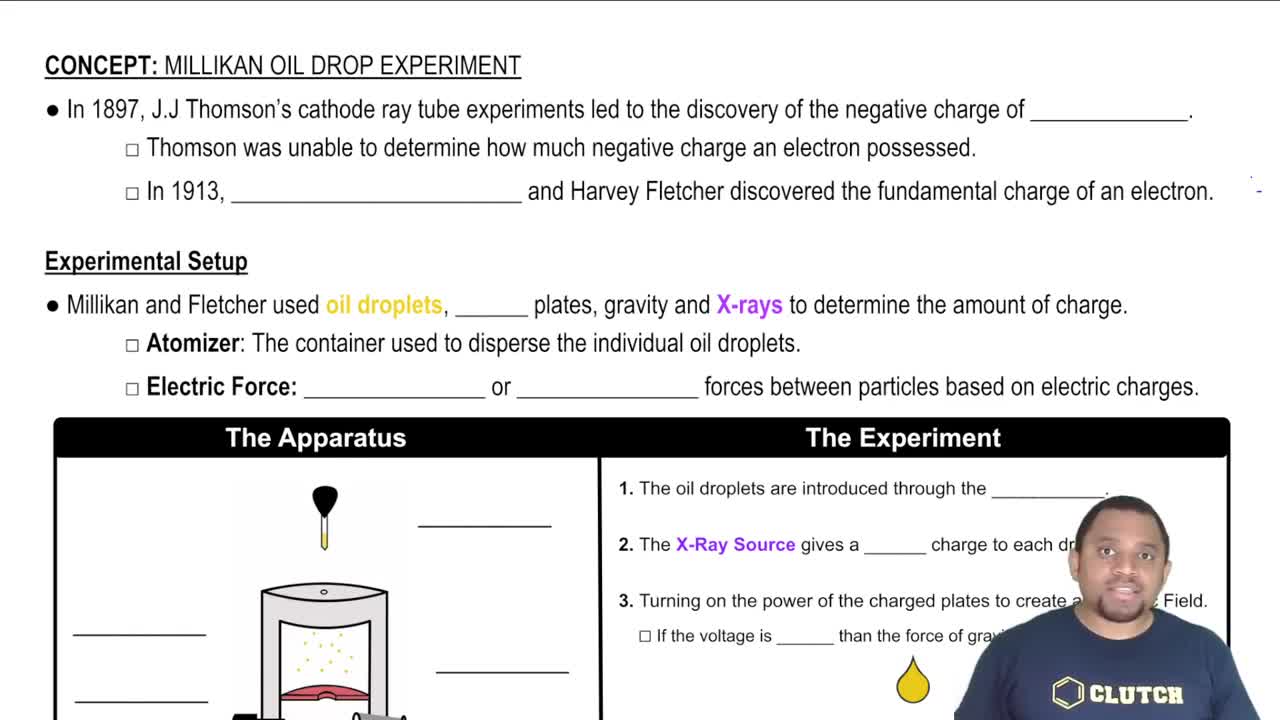
Millikan Oil Drop Experiment

  • Millikan Oil Drop
    04:44
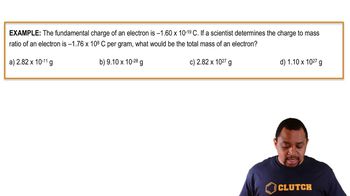
  • Electron Mass Calculation Example
    02:22

Rutherford Gold Foil Experiment

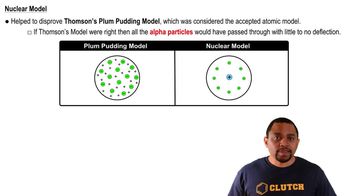
  • Nuclear Model
    01:40
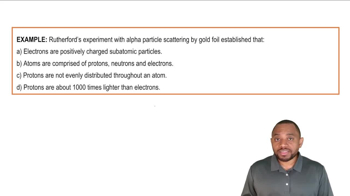
  • Rutherford Experiment Example
    02:37
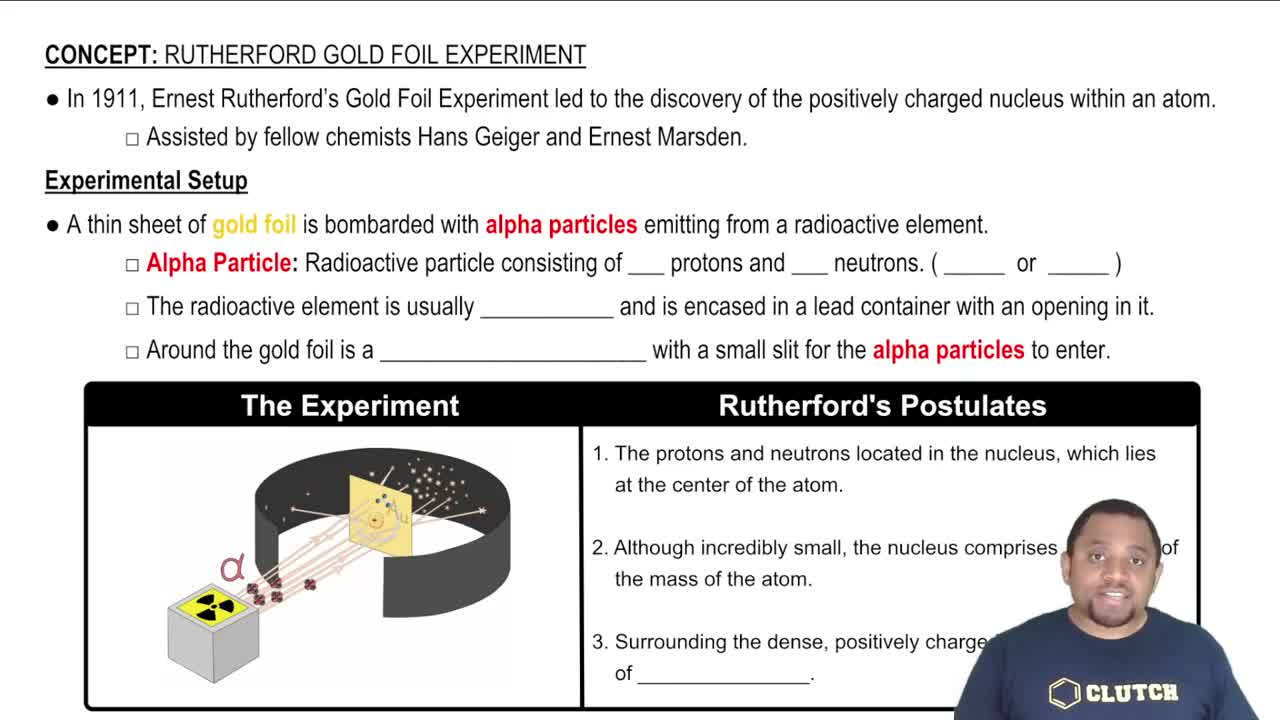
  • Rutherford Gold Foil Experiment
    04:22

Wavelength and Frequency

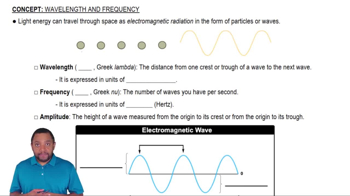
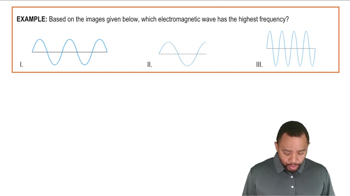
  • Electromagnetic Waves
    2:58
  • Frequency-Wavelength Relationship
    00:31
  • Wavelength and Frequency Example
    00:59
Speed of Light

  • Calculate Frequency Example
    01:48
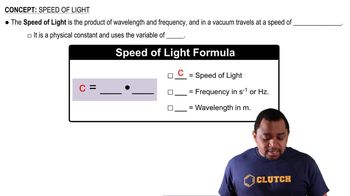
  • Speed of Light Formula
    00:57

The Energy of Light

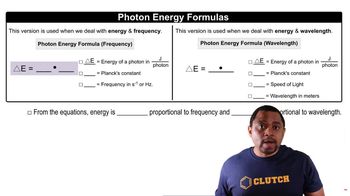
  • Photon Energy Formulas
    01:40
  • Photon Energy Example
    01:08
  • Moles and Photon Energy Example
    01:35

Electromagnetic Spectrum

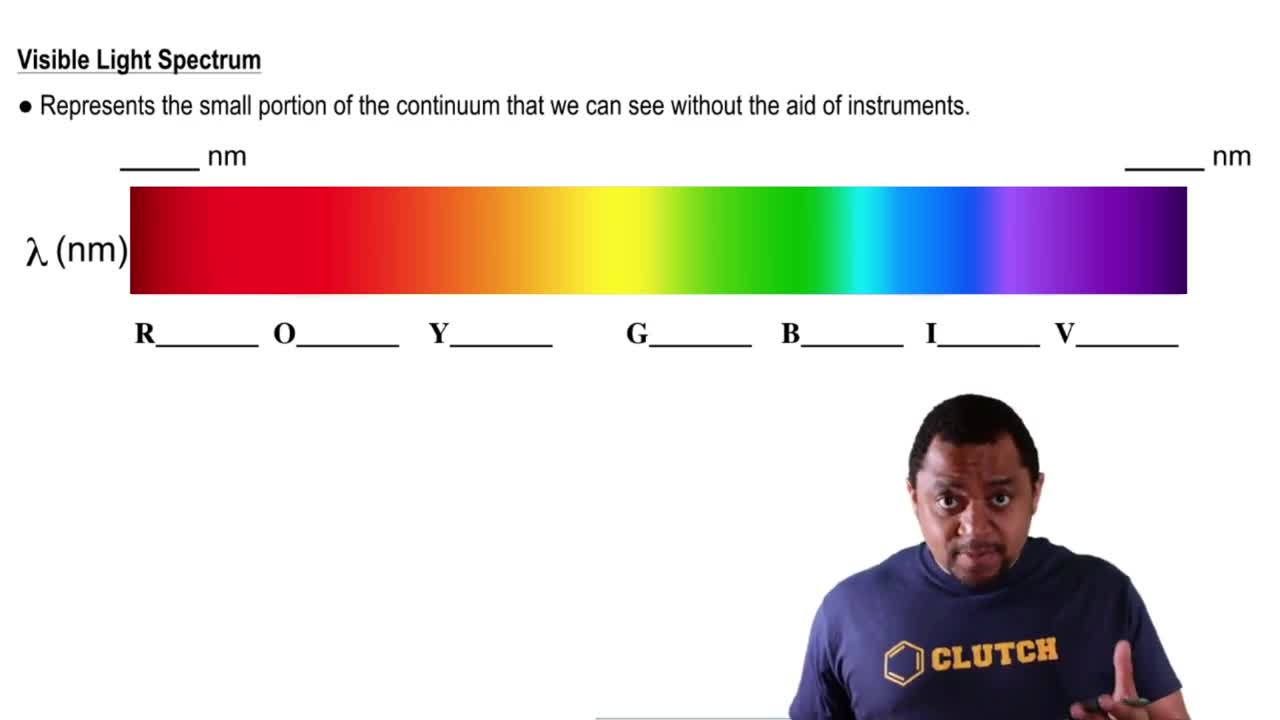
  • Visible Light Spectrum
    01:24
  • Electromagnetic Radiation Example
    01:02
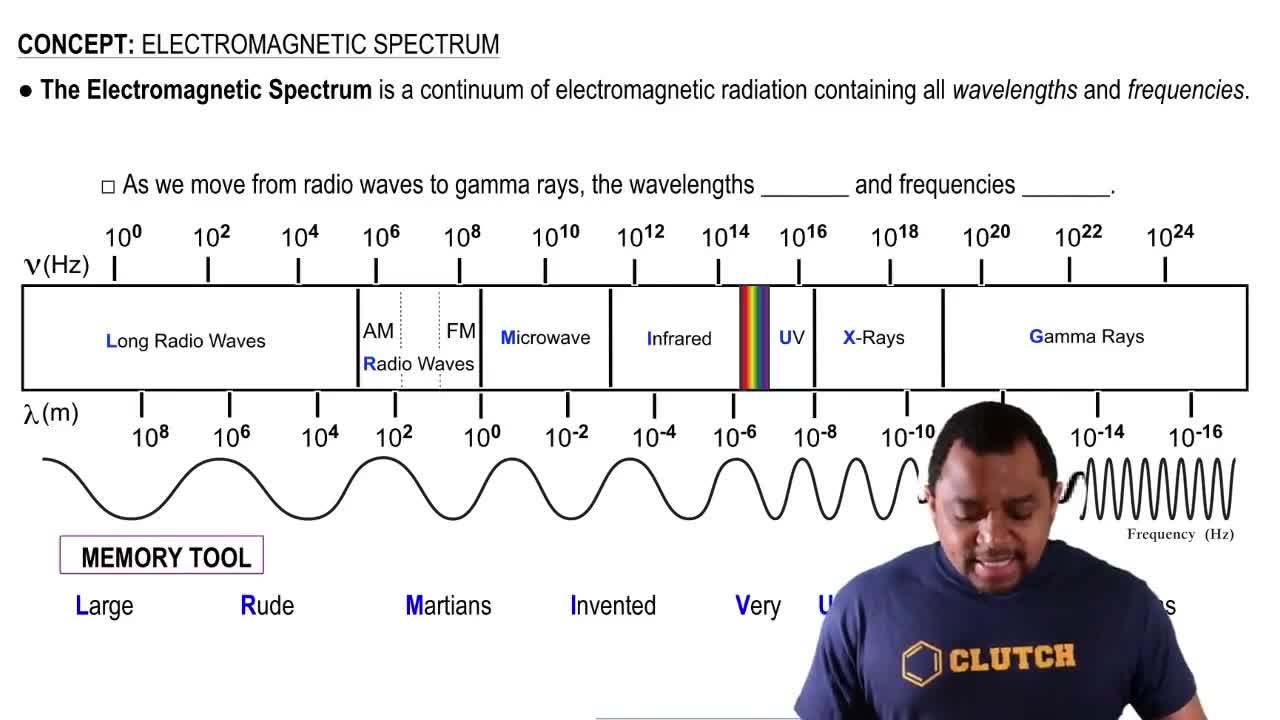
  • Electromagnetic Spectrum
    02:53

Photoelectric Effect

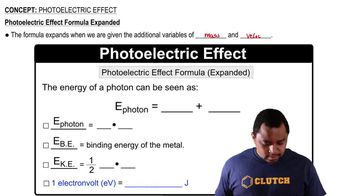
  • Expanded Photoelectric Effect
    01:18
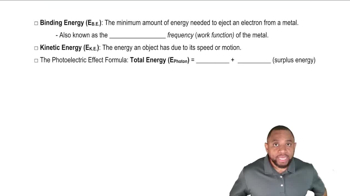
  • Photoelectric Effect Formula
    01:32
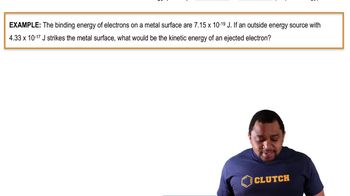
  • Photoelectric Effect Example
    01:22

De Broglie Wavelength

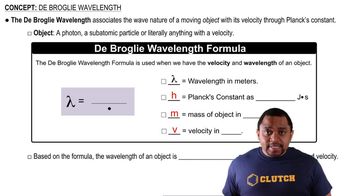
  • De Broglie Wavelength Formula
    00:58
  • De Broglie Wavelength Example
    01:39

Heisenberg Uncertainty Principle

  • Heisenberg Uncertainty Principle
    01:09
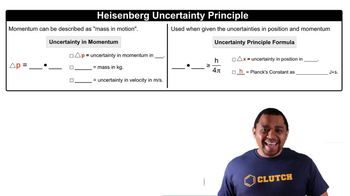
  • Uncertainty Principle Formula
    02:05
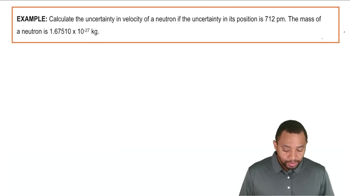
  • Uncertainty Principle Formula Example
    04:06

Bohr Model

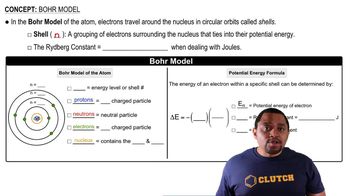
  • Bohr Model of the Atom
    02:43
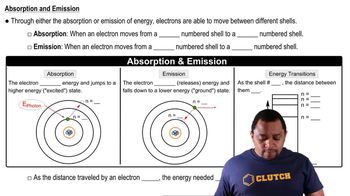
  • Electronic Transitions
    03:29
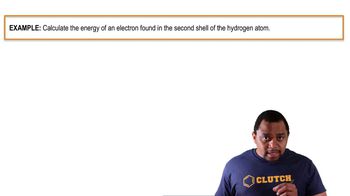
  • Bohr Model Example
    01:21

Emission Spectrum

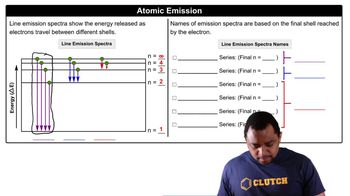
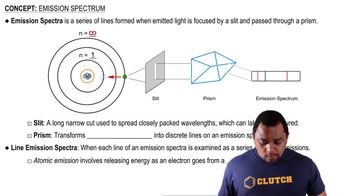
  • Atomic Emission Spectra
    02:39
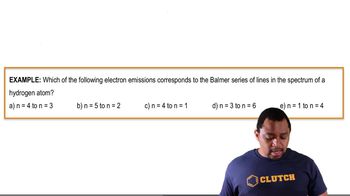
  • Balmer Series Example
    01:00
  • Emission Spectra
    01:51

Bohr Equation

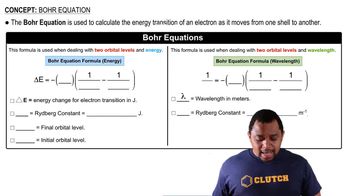
  • Bohr Equations
    02:59
  • Bohr Equation Example
    02:08

Introduction to Quantum Mechanics

  • Quantum Numbers Example
    00:46
  • Introduction to Quantum Mechanics
    01:
  • Quantum Numbers
    03:22

Quantum Numbers: Principal Quantum Number

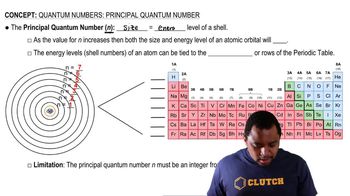
  • Principal Quantum Number
    02:55
  • Principal Quantum Number Example
    00:56

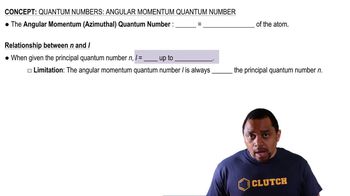
Quantum Numbers: Angular Momentum Quantum Number

  • Angular Momentum Quantum Number Example
    00:46
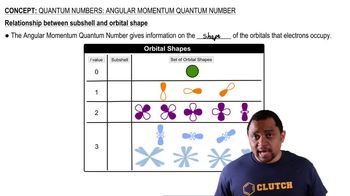
  • Angular Momentum Quantum Number and Orbital Shape
    01:41
  • Angular Momentum Quantum Number
    00:40

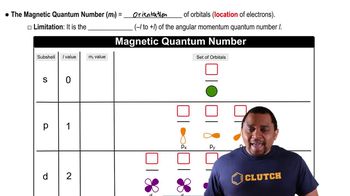
Quantum Numbers: Magnetic Quantum Number

  • Quantum Numbers and Orbitals Example
    00:31
  • Magnetic Quantum Number
    03:06
  • Magnetic Quantum Example
    00:59
Quantum Numbers: Spin Quantum Number

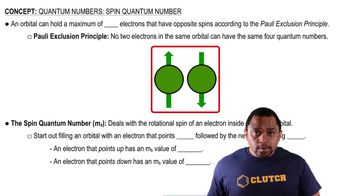
  • Spin Quantum Number
    01:18
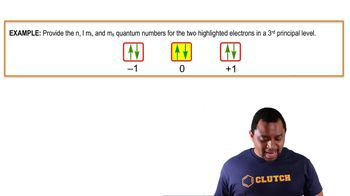
  • Spin Quantum Numbers Example
    01:10

Quantum Numbers: Number of Electrons

  • Number of Electrons in Shells Example
    00:38
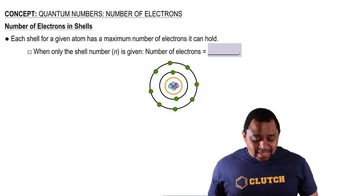
  • Number of Electrons in Shells
    00:46
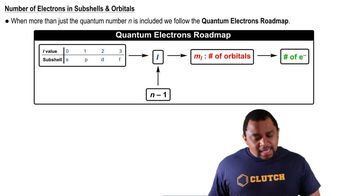
  • Quantum Electrons Roadmap
    01:39

The Atom

  • The Nucleus
    02:53
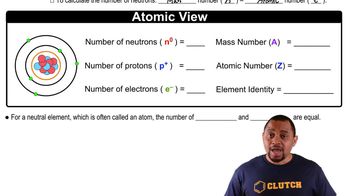
  • Atom Structure
    02:10
  • Atom Structure Example
    02:52

Subatomic Particles

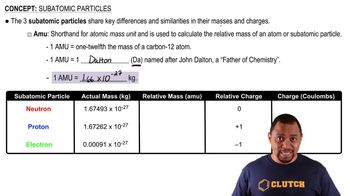
  • Subatomic Particles
    05:19
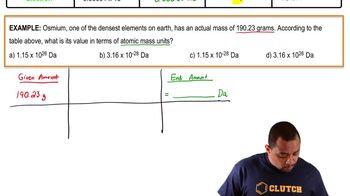
  • Atomic Mass Unit Example
    03:31

Isotopes

  • Isotopes
    04:36
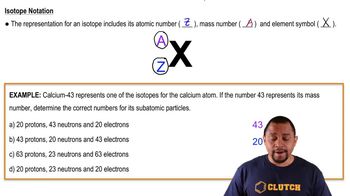
  • Isotope Notation Example
    03:57

Ions

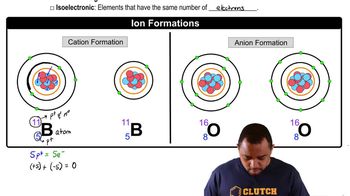
  • Ion Formation
    06:17
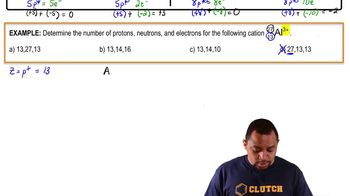
  • Cation Subatomic Particles Example
    02:22
  • Atoms vs. Ions
    01:36

Atomic Mass

  • Calculating Abundance Example
    5:41
  • Greatest Atomic Mass Example
    02:06
  • Calculating Atomic Mass
    00:40

Calculating Molar Mass

  • Molar Mass Concept
    02:11
  • Molar Mass Calculation Example
    03:12

Mole Concept

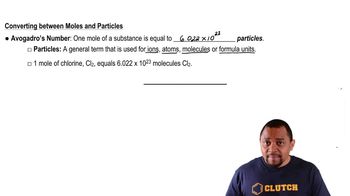
  • Moles and Particles Conversion
    02:41
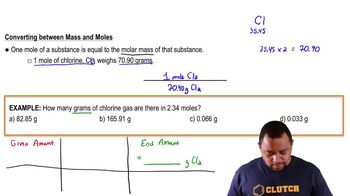
  • Moles to Molecules Conversion Example
    01:41
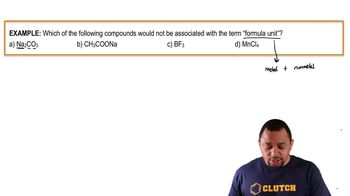
  • Formula Unit Example
    01:28

Classification of Matter

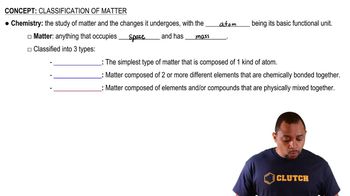
  • Types of Matter
    01:34
  • Introduction to General Chemistry Course
    1:44
  • Matter Composition
    04:19

Physical & Chemical Changes

  • Chemical Change Example
    01:52
  • Reversible Changes in Matter
    03:42
  • Physical Change Example
    01:52

Chemical Properties

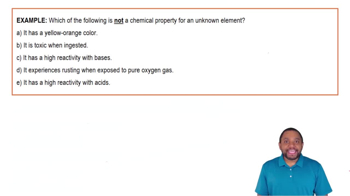
  • Chemical Properties Example
    01:34
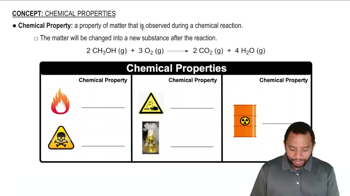
  • Chemical Properties
    03:31

Physical Properties

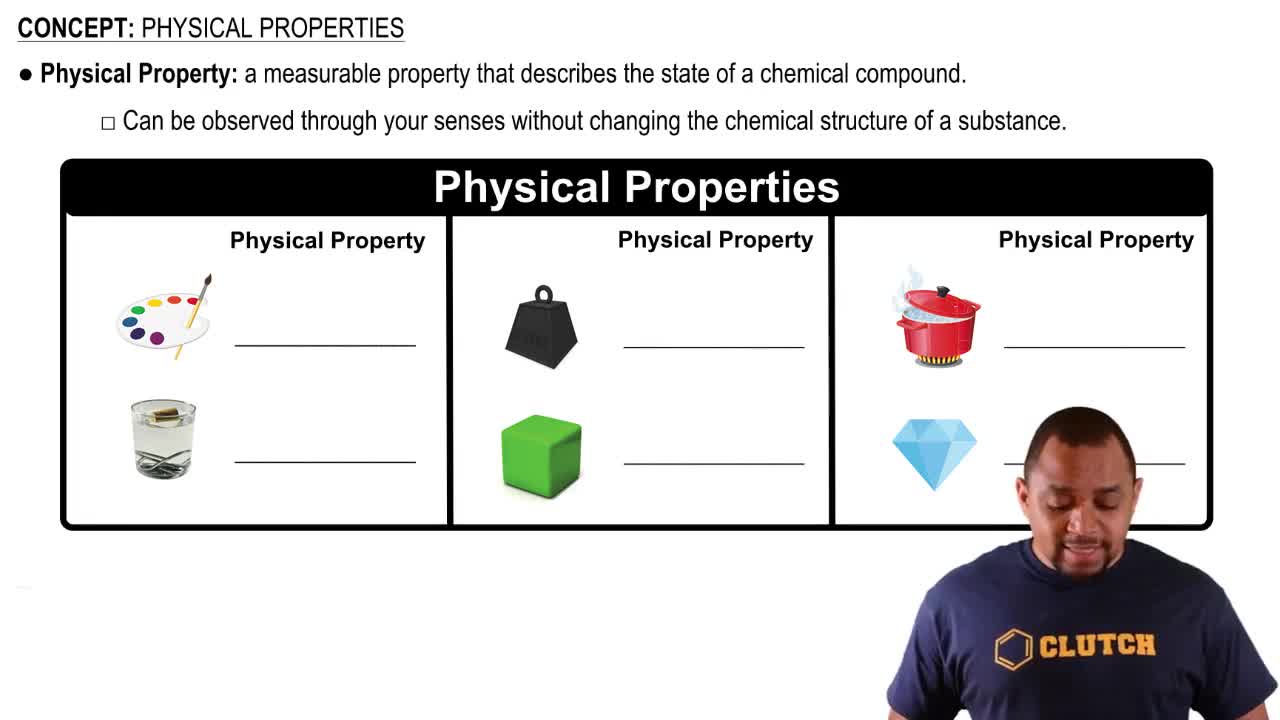
  • Physical Properties
    02:54
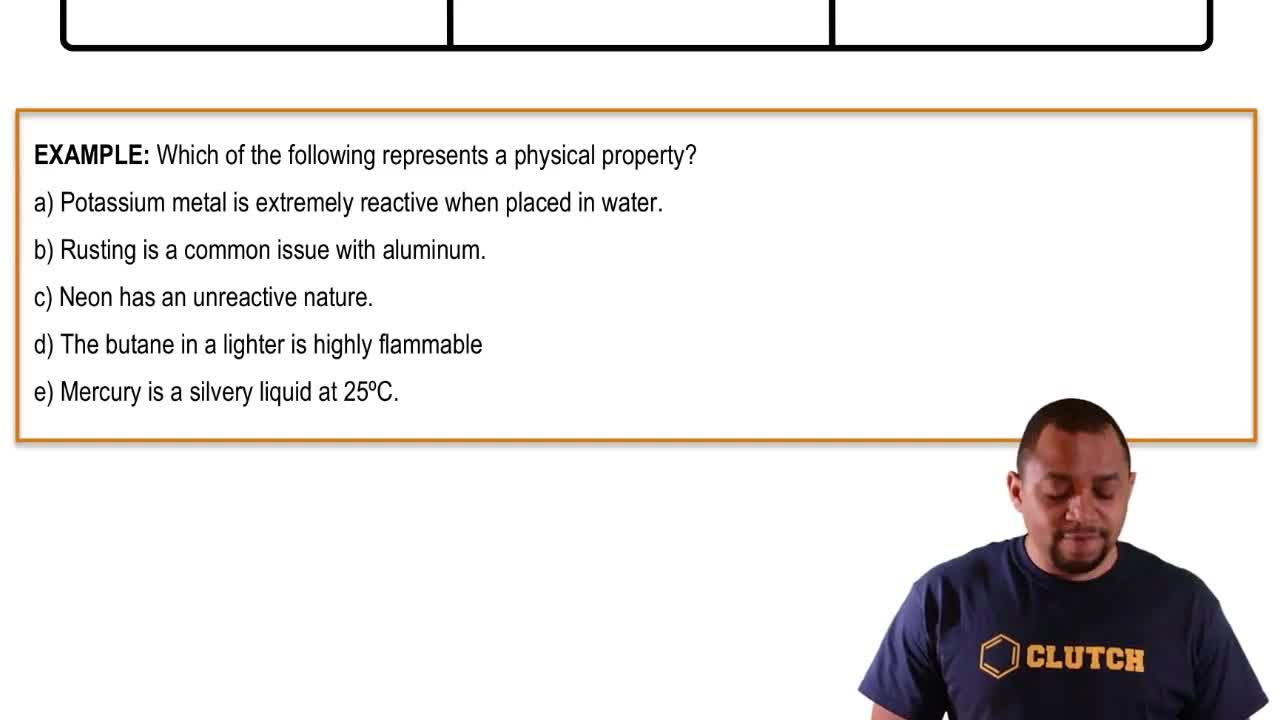
  • Physical Properties Example
    01:41

Intensive vs. Extensive Properties

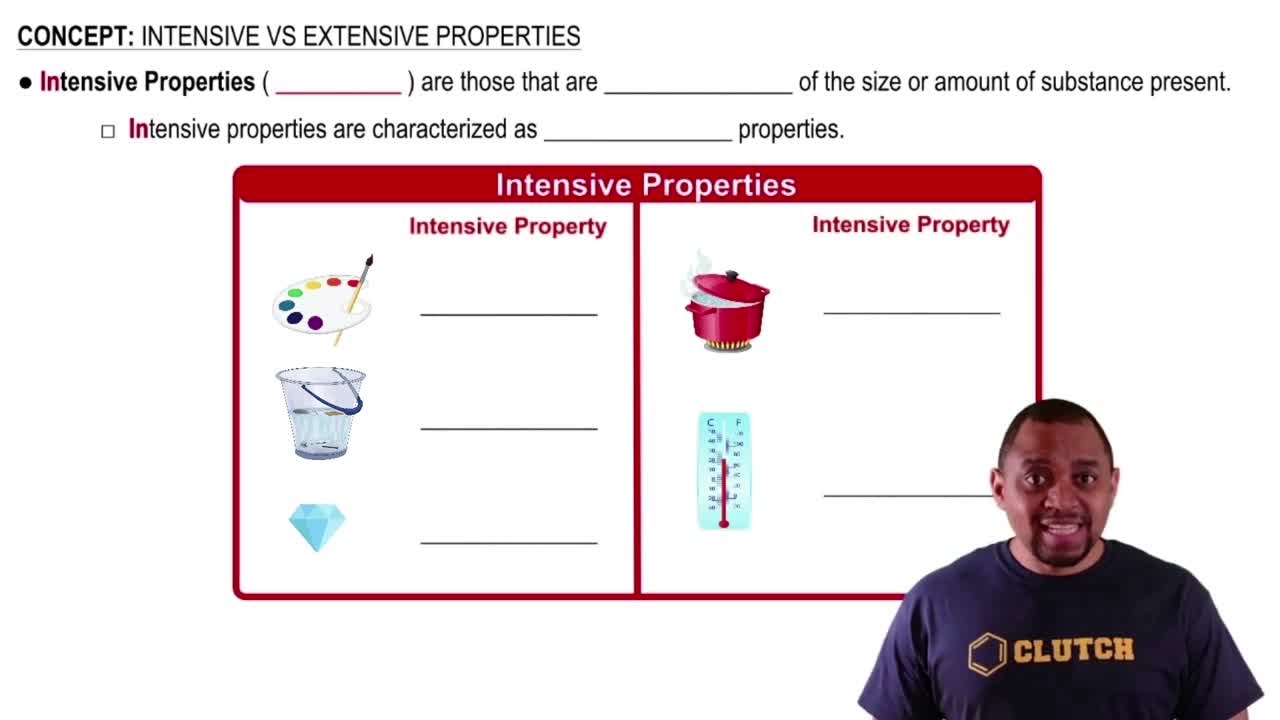
  • Intensive Properties
    02:45
  • Extensive Property Example
    01:40
  • Intensive Properties Example
    01:58

Significant Figures

  • Significant Figures Example
    01:09
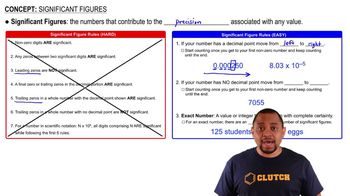
  • Significant Figures Rules
    04:40

Conversion Factors

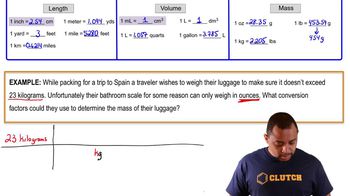
  • Weight Conversion Example
    03:45
  • Conversion Factors Example
    02:12
  • Conversion Factors
    01:56

Dimensional Analysis

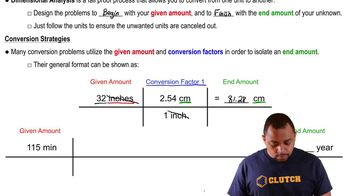
  • Dimensional Analysis
    06:11
  • Dimensional Analysis Example
    4:48

Density

  • Density Concepts
    01:56
  • Density Conversion Example
    05:30

Balancing Chemical Equations

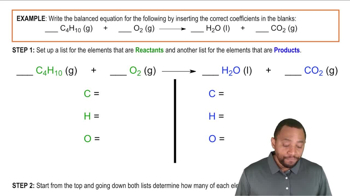
  • Balancing Chemical Equations
    01:32
  • Balancing Chemical Equations Example
    03:50

Stoichiometry

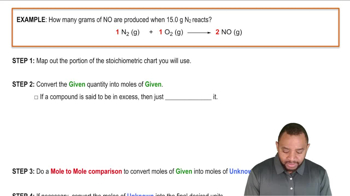
  • Stoichiometry Example
    3:54
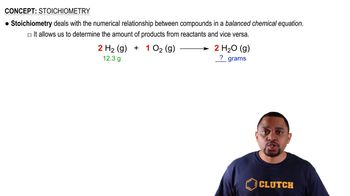
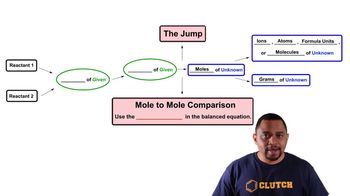
  • Stoichiometry Concept
    01:16
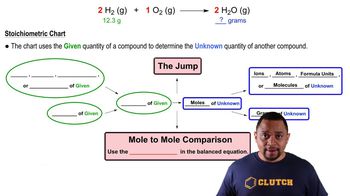
  • Stoichiometric Chart Concept
    03:04

Limiting Reagent

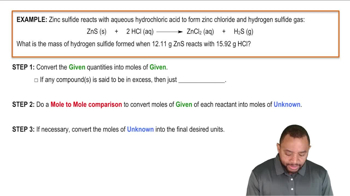
  • Limiting Reagent Example
    4:53
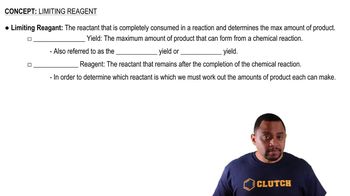
  • Limiting Reagent Concept
    01:30
  • Limiting Reagent in Reactions
    01:34

Percent Yield

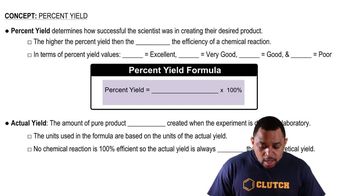
  • Percent Yield in Reactions
    03:09
  • Percent Yield Example
    04:43