Back

General Chemistry Final Exam Review: Structure, Properties, Organic Chemistry, Thermochemistry, Equilibrium, and Electrochemistry

Study Guide - Learn with Videos

Curated lessons matched to your uploaded material – learn every topic step by step.

The Atom

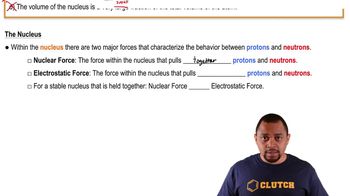
  • The Nucleus
    02:53
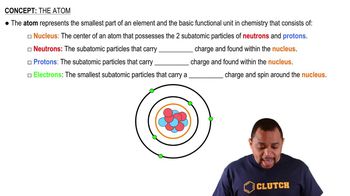
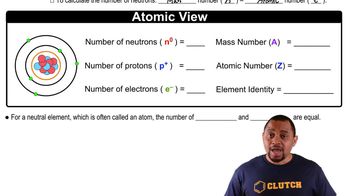
  • Atom Structure
    02:10
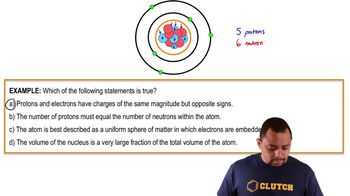
  • Atom Structure Example
    02:52

Subatomic Particles

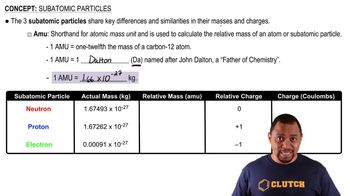
  • Subatomic Particles
    05:19
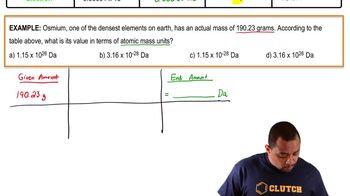
  • Atomic Mass Unit Example
    03:31

Isotopes

  • Isotopes
    04:36
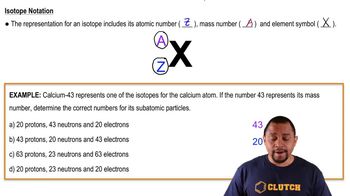
  • Isotope Notation Example
    03:57

The Electron Configuration

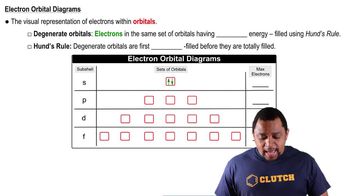
  • Electron Orbital Diagrams
    02:15
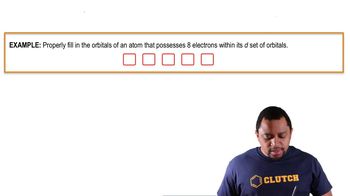
  • Electron Orbital Diagrams Example
    00:50
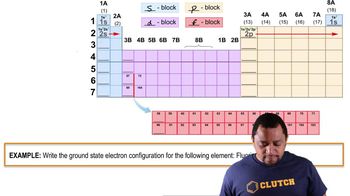
  • Electron Configuration Example
    01:33

Introduction to Organic Chemistry

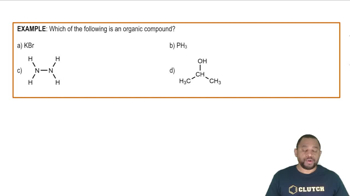
  • Introduction to Organic Chemistry Example
    01:29
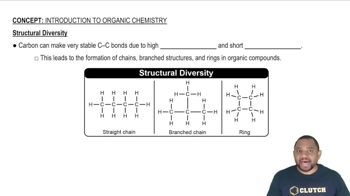
  • Structural Diversity
    01:30
  • Introduction to Organic Chemistry Example
    00:42

Naming Alkanes

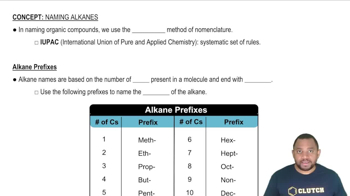
  • Rules for Naming Alkanes
    02:39
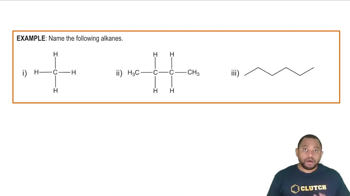
  • Naming Alkanes Example
    01:20

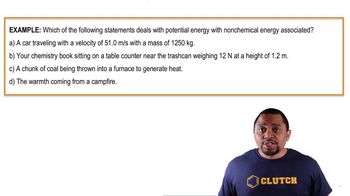
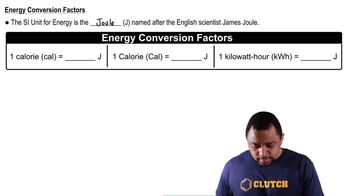
Nature of Energy

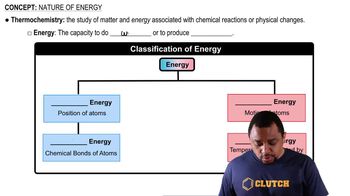
  • Nature of Energy
    01:26
  • Nature of Energy Example 1
    01:32
  • Nature of Energy
    01:14

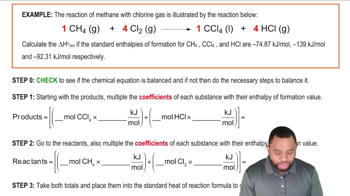
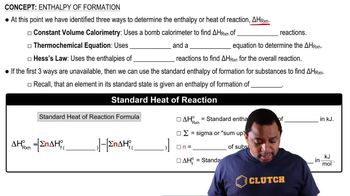
Enthalpy of Formation

  • Enthalpy of Formation Example 1
    03:17
  • Enthalpy of Formation
    02:34

Hess's Law

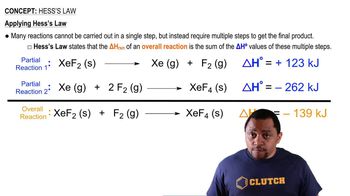
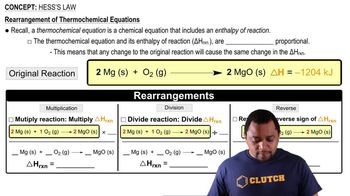
  • Hess's Law
    02:03
  • Hess's Law
    03:11
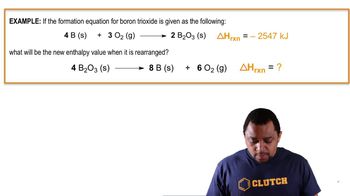
  • Hess's Law Example 1
    01:39

Intro to Chemical Equilibrium

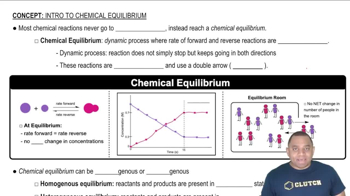
  • Chemical Equilibrium Example
    01:18
  • Chemical Equilibrium Concepts
    04:20

Le Chatelier's Principle

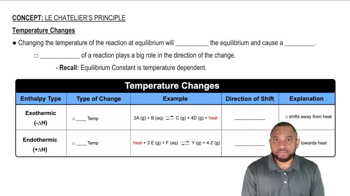
  • Temperature and Equilibrium Shifts
    04:04
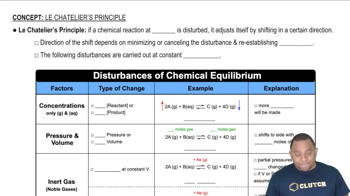
  • Le Chatelier's Principle
    07:32
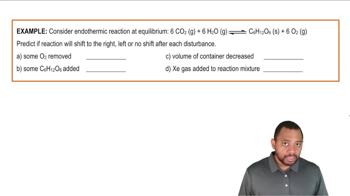
  • Disturbances and Equilibrium Shifts Example
    02:50

Acids Introduction

  • Acid Structure and Types
    02:29
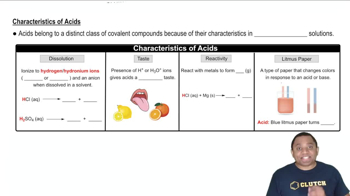
  • Acid Characteristics
    02:59
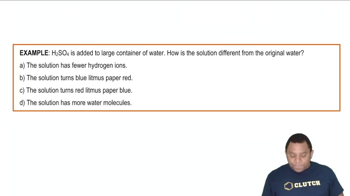
  • Acid Characteristics Example
    01:23

Bases Introduction

  • Strong Bases Example
    01:12
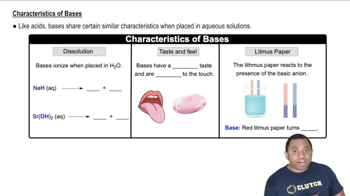
  • Base Properties
    01:57
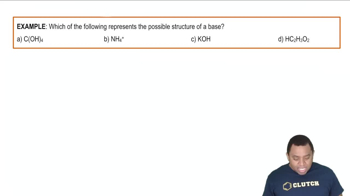
  • Base Structure Example
    01:16

Ka and Kb

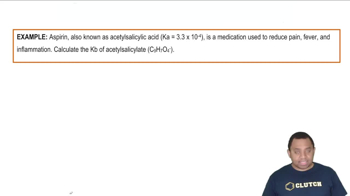
  • Ka and Kb Example
    01:31
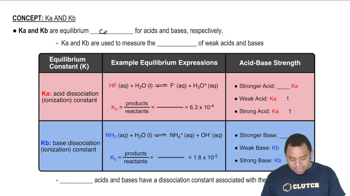
  • Characteristics of Ka and Kb
    03:50
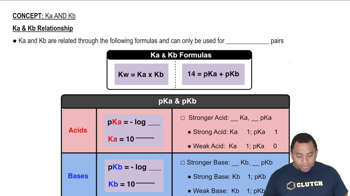
  • Ka and Kb Relationship
    03:01

pH of Strong Acids and Bases

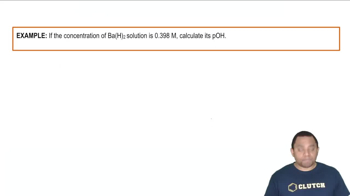
  • pOH Calculation Example
    01:18
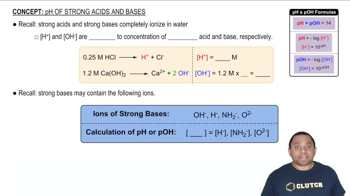
  • pH of Strong Acids and Bases
    02:39

pH of Weak Acids

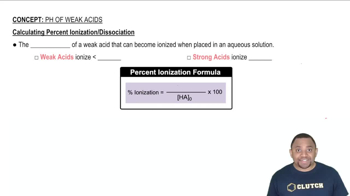
  • Calculating Percent Ionization of Weak Acids
    01:15
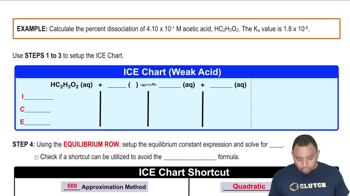
  • Percent Dissociation Example
    04:52
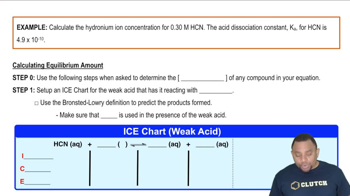
  • Hydronium Ion Concentration Example
    06:25

pH of Weak Bases

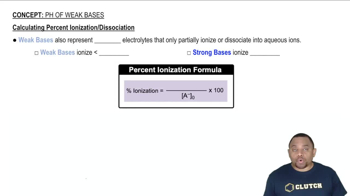
  • Calculating Percent Ionization of Weak Bases
    01:00
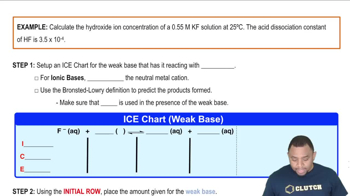
  • Hydroxide Ion Concentration Example
    06:12
  • ICE Charts of Weak Bases
    00:51

Redox Reactions

  • Oxidation and Reduction Reaction Example
    02:17
  • Oxidation and Reduction Reactions
    01:53
  • Oxidizing and Reducing Agents
    01:01

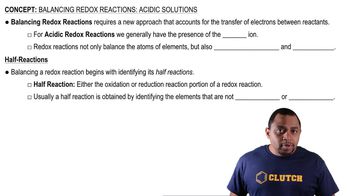
Balancing Redox Reactions: Acidic Solutions

  • Balancing Acidic Redox Reactions
    01:46
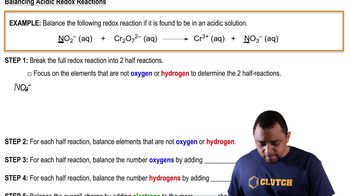
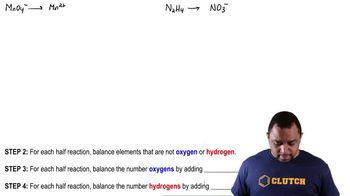
  • Balancing Acidic Redox Reaction Example
    00:52
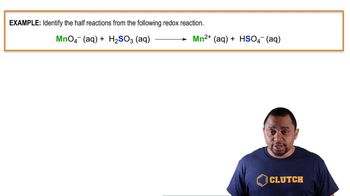
  • Redox Half Reactions Example
    07:19

Balancing Redox Reactions: Basic Solutions

  • Balancing Basic Redox Reaction Example
    08:25
  • Balancing Basic Redox Reactions
    01:04

Standard Reduction Potentials

  • Comparing Standard Reduction Potentials
    03:13
  • Standard Reduction Potentials Example
    01:51
  • Standard Reduction Potentials
    01:10

Intro to Electrochemical Cells

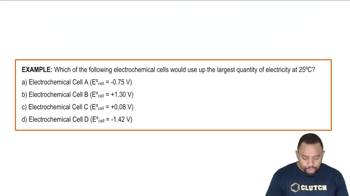
  • Electrochemical Cells Example
    01:01
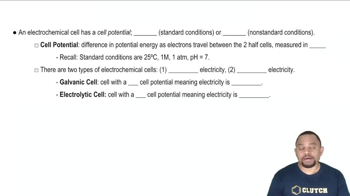
  • Cell Potential and Spontaneity
    02:32
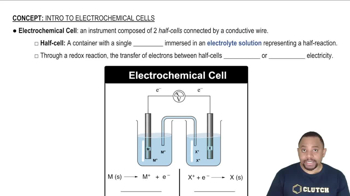
  • Electrochemical Cells
    02:46

Galvanic Cell

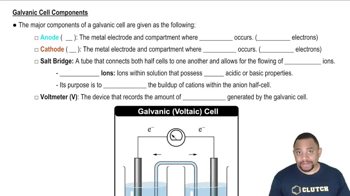
  • Galvanic Cell Components
    03:55
  • Galvanic Cell and Spontaneity
    03:04
  • Galvanic Cell Components Example
    02:22

Electrolytic Cell

  • Electrolytic Cell Example
    00:45
  • The Electrolytic Cell
    01:21
  • Electrolytic Cells and Spontaneity Example
    01:24

Cell Potential: Standard

  • Standard Cell Potential
    01:27
  • Standard Cell Potential and Spontaneity
    01:46
  • Standard Cell Potential Example
    01:34

Cell Potential: The Nernst Equation

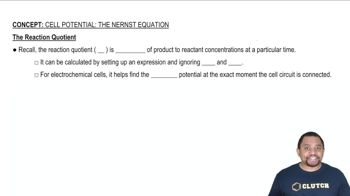
  • The Reaction Quotient
    01:01
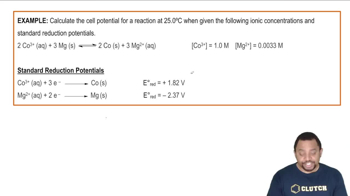
  • The Nernst Equation Example
    04:38
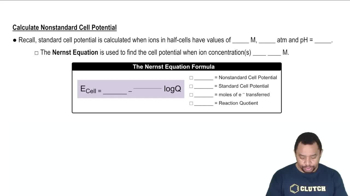
  • The Nernst Equation
    01:17

Cell Potential and Gibbs Free Energy

  • Faraday's Constant in Electrochemistry Example
    02:11
  • Cell Potential and Gibbs Free Energy Example
    03:18
  • Faraday's Constant in Electrochemistry
    01:40

Cell Potential and Equilibrium

  • Cell Potential and Equilibrium
    02:38
  • Cell Potential and Equilibrium Example
    02:17

Cell Potential: G and K

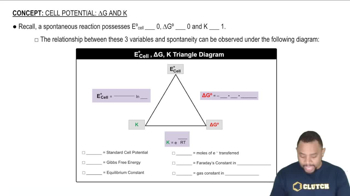
  • Relationship between ∆E°, ∆G°, and K
    02:43
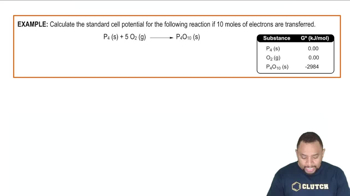
  • Relationship between ∆E°, ∆G°, and K Example
    02:57

Cell Notation

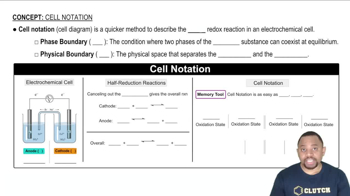
  • Cell Notation
    06:23
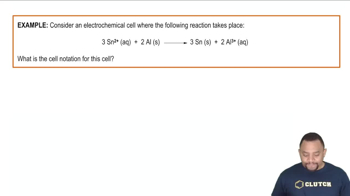
  • Cell Notation Example
    01:49

Experimental Error

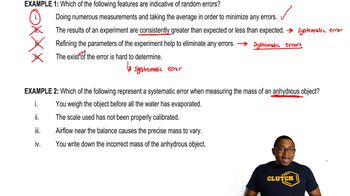
  • Systematic Error
    03:53
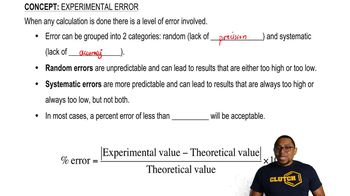
  • Experimental Error
    05:50
  • Random Errors
    02:53