Back

General Chemistry I: Comprehensive Study Notes

Study Guide - Learn with Videos

Curated lessons matched to your uploaded material – learn every topic step by step.

Physical & Chemical Changes

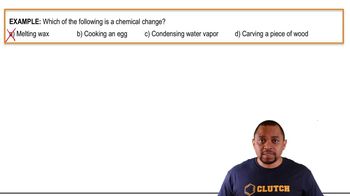
  • Chemical Change Example
    01:52
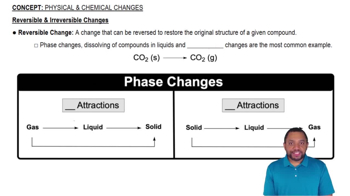
  • Reversible Changes in Matter
    03:42
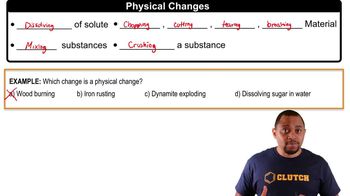
  • Physical Change Example
    01:52
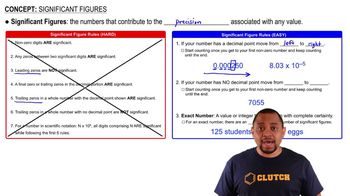
Significant Figures

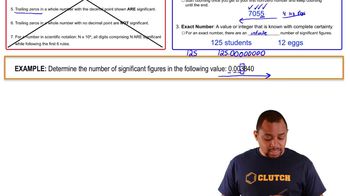
  • Significant Figures Example
    01:09
  • Significant Figures Rules
    04:40

Dimensional Analysis

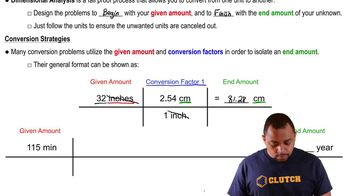
  • Dimensional Analysis
    06:11
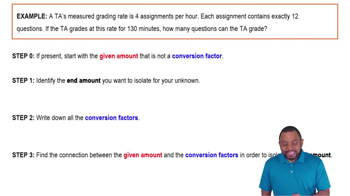
  • Dimensional Analysis Example
    4:48

Mole Concept

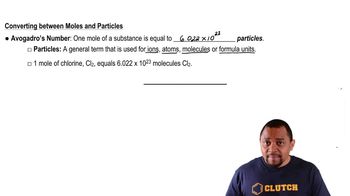
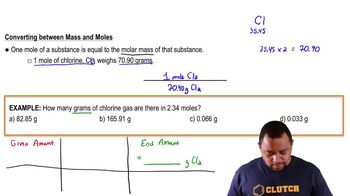
  • Moles and Particles Conversion
    02:41
  • Moles to Molecules Conversion Example
    01:41
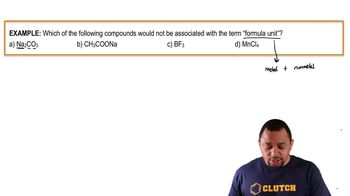
  • Formula Unit Example
    01:28

Calculating Molar Mass

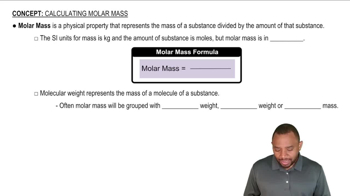
  • Molar Mass Concept
    02:11
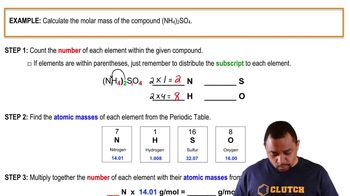
  • Molar Mass Calculation Example
    03:12

Writing Ionic Compounds

  • Writing Ionic Compounds Example
    01:25
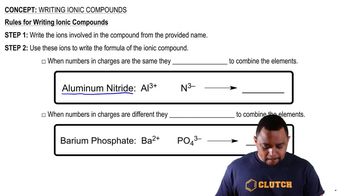
  • Rules for Writing Ionic Compounds
    03:09

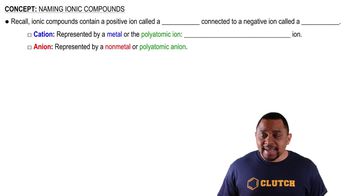
Naming Ionic Compounds

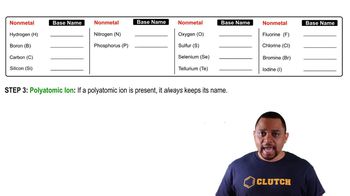
  • Base Names of Nonmetals
    01:52
  • Naming Ionic Compounds Example
    01:01
  • Ionic Compounds Naming
    02:11

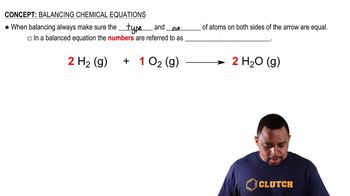
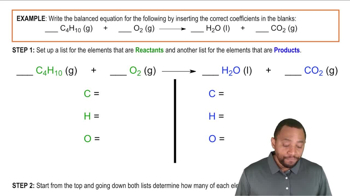
Balancing Chemical Equations

  • Balancing Chemical Equations
    01:32
  • Balancing Chemical Equations Example
    03:50

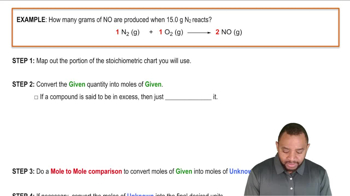
Stoichiometry

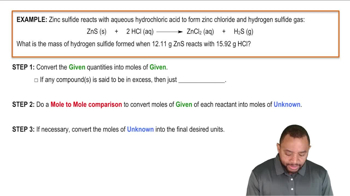
  • Stoichiometry Example
    3:54
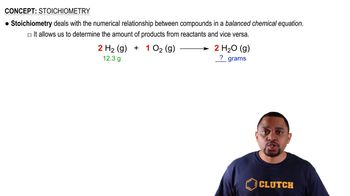
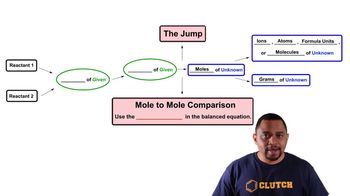
  • Stoichiometry Concept
    01:16
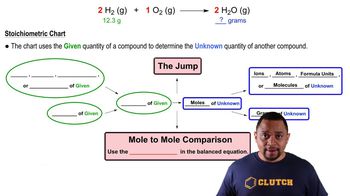
  • Stoichiometric Chart Concept
    03:04

Limiting Reagent

  • Limiting Reagent Example
    4:53
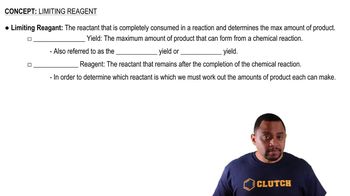
  • Limiting Reagent Concept
    01:30
  • Limiting Reagent in Reactions
    01:34

Percent Yield

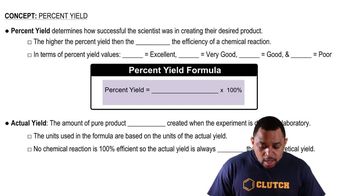
  • Percent Yield in Reactions
    03:09
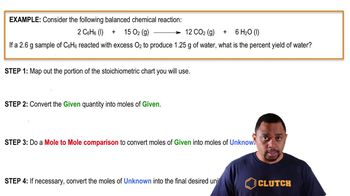
  • Percent Yield Example
    04:43

Mole Concept

  • Moles and Particles Conversion
    02:41
  • Moles to Molecules Conversion Example
    01:41
  • Formula Unit Example
    01:28

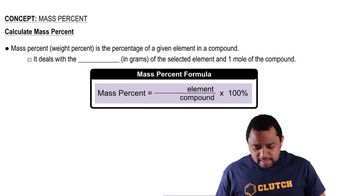
Mass Percent

  • Mass Percent Example
    1:22
  • Mass Percent Calculation
    00:38

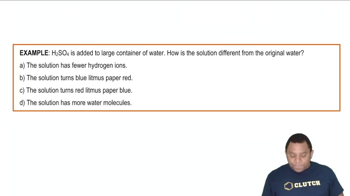
Acids Introduction

  • Acid Structure and Types
    02:29
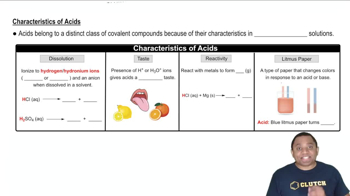
  • Acid Characteristics
    02:59
  • Acid Characteristics Example
    01:23

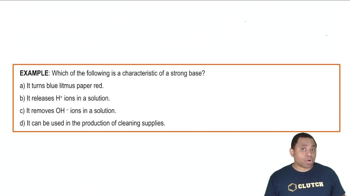
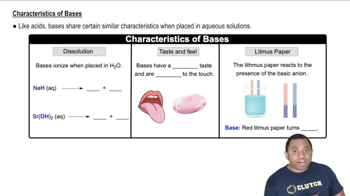
Bases Introduction

  • Strong Bases Example
    01:12
  • Base Properties
    01:57
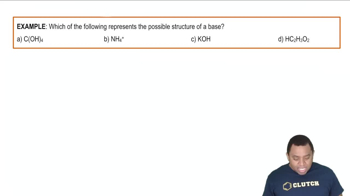
  • Base Structure Example
    01:16

Auto-Ionization

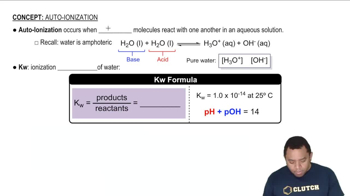
  • Auto-Ionization and Kw
    02:22
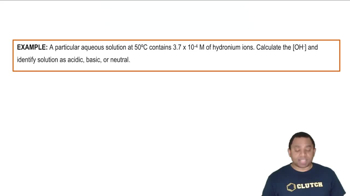
  • Auto-Ionization Example
    01:58
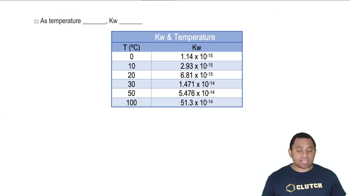
  • Kw Temperature Dependence
    01:24

pH of Strong Acids and Bases

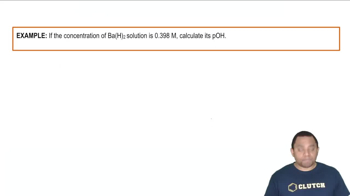
  • pOH Calculation Example
    01:18
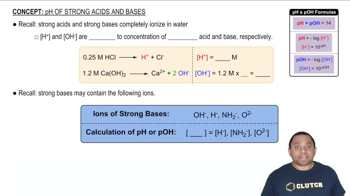
  • pH of Strong Acids and Bases
    02:39

pH of Weak Acids

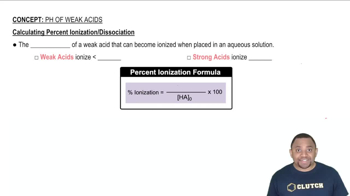
  • Calculating Percent Ionization of Weak Acids
    01:15
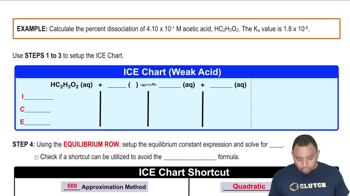
  • Percent Dissociation Example
    04:52
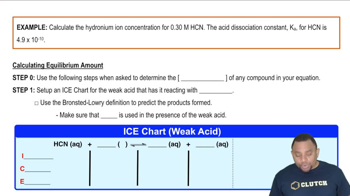
  • Hydronium Ion Concentration Example
    06:25

pH of Weak Bases

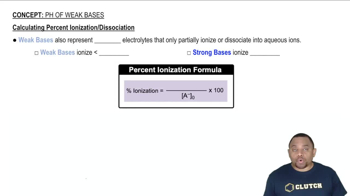
  • Calculating Percent Ionization of Weak Bases
    01:00
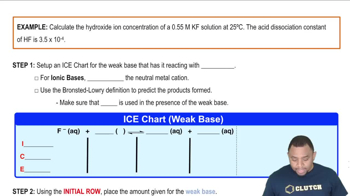
  • Hydroxide Ion Concentration Example
    06:12
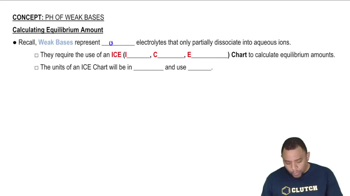
  • ICE Charts of Weak Bases
    00:51

Titrations: Strong Acid-Strong Base

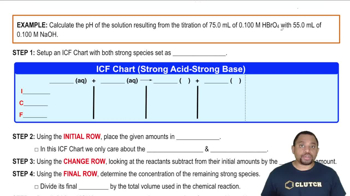
  • Strong Acid-Strong Base Titration Example
    04:43
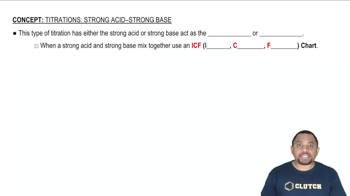
  • Strong Acid-Strong Base Titration
    01:09

Titrations: Weak Acid-Strong Base

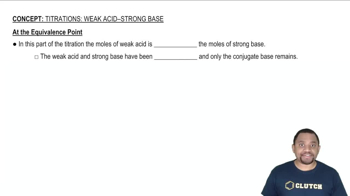
  • At the Equivalence Point
    01:07
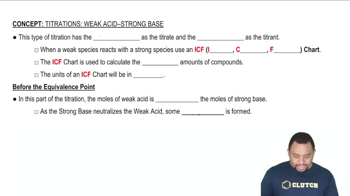
  • Before the Equivalence Point
    01:30
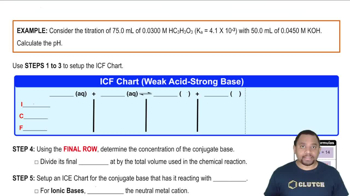
  • pH at the Equivalence Point Example
    08:27

Titrations: Weak Base-Strong Acid

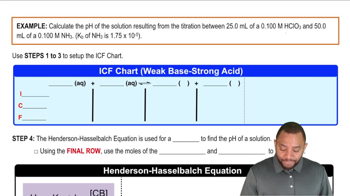
  • pH Before the Equivalence Point Example
    05:10
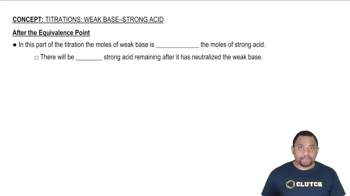
  • After the Equivalence Point
    00:53
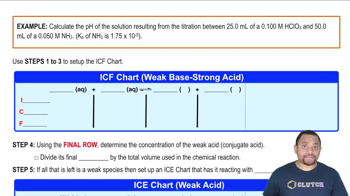
  • pH at the Equivalence Point Example
    07:28

Henderson-Hasselbalch Equation

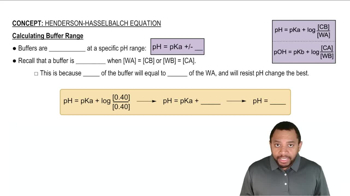
  • Buffer Range Calculation
    02:47
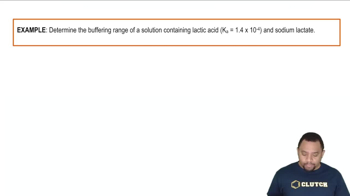
  • Buffering Range Example
    01:22
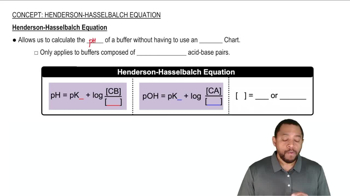
  • Henderson-Hasselbalch Equation
    02:40

Energy Diagrams

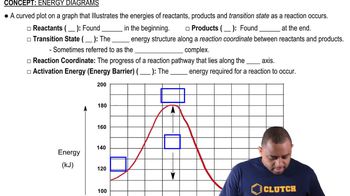
  • Energy Diagrams
    01:57
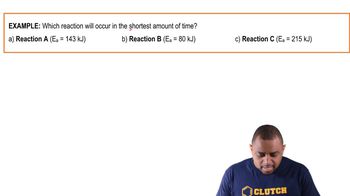
  • Speed of Reactions Example
    00:40
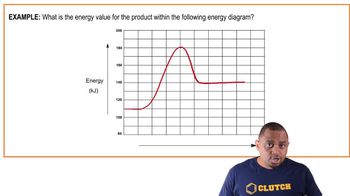
  • Energy Diagram Example
    01:02

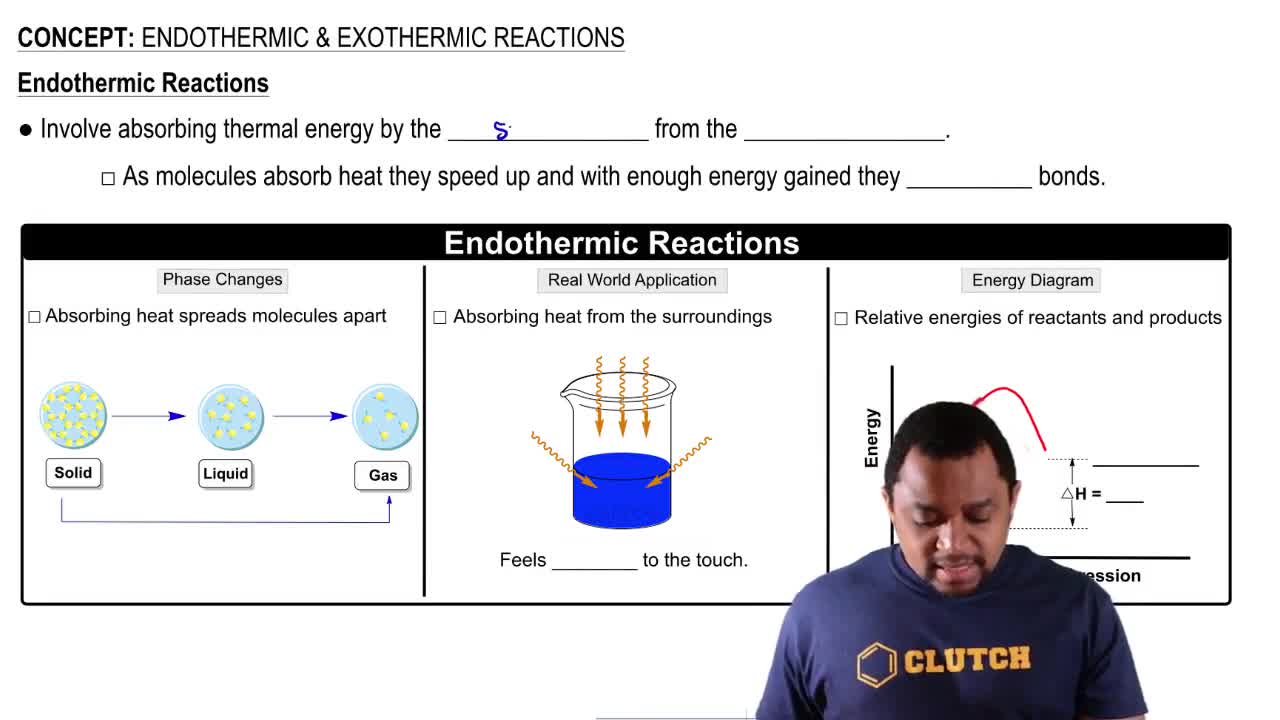
Endothermic & Exothermic Reactions

  • Endothermic & Exothermic Reactions Example 2
    1:48
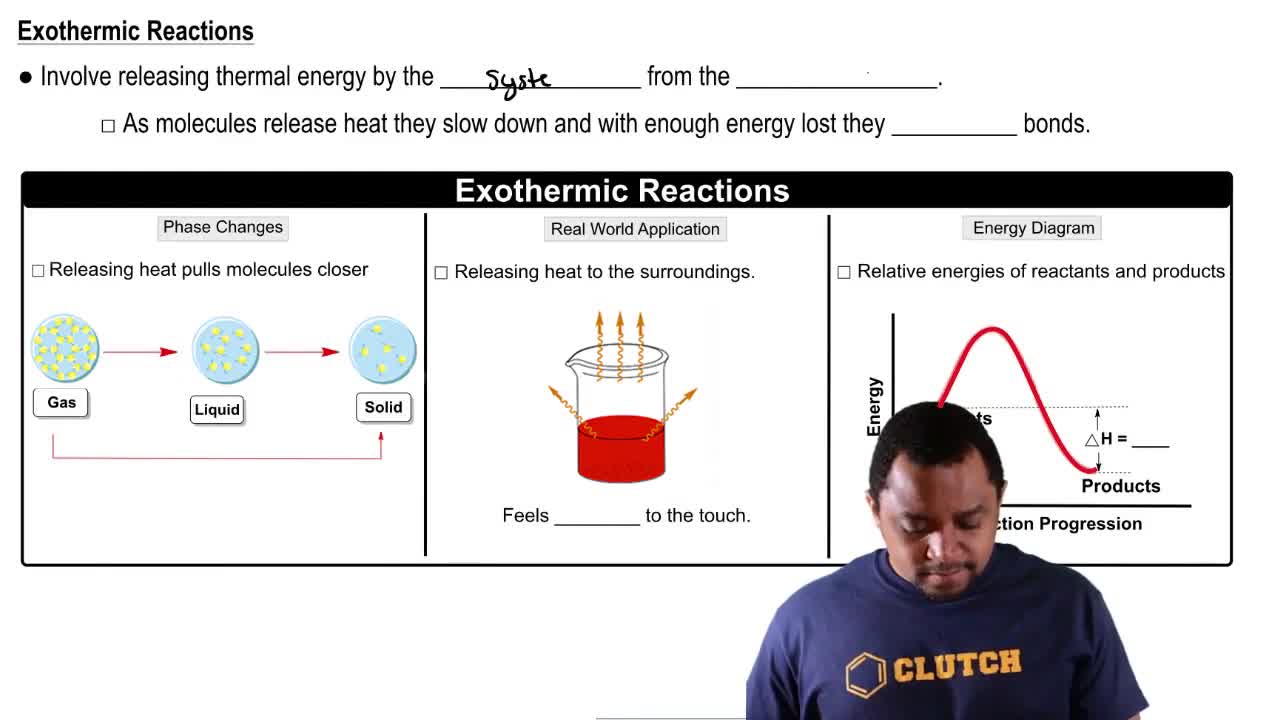
  • Endothermic & Exothermic Reactions
    02:38
  • Endothermic & Exothermic Reactions
    02:30