Back

General Chemistry I: Course Schedule and Key Topics Overview

Study Guide - Learn with Videos

Curated lessons matched to your uploaded material – learn every topic step by step.

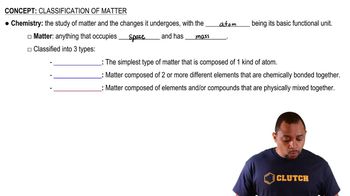
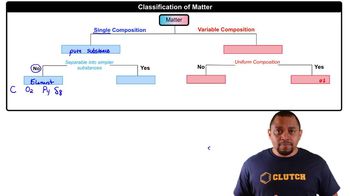
Classification of Matter

  • Types of Matter
    01:34
  • Introduction to General Chemistry Course
    1:44
  • Matter Composition
    04:19

Physical & Chemical Changes

  • Chemical Change Example
    01:52
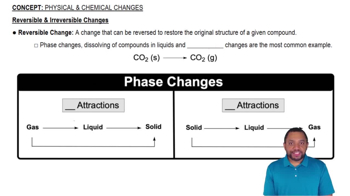
  • Reversible Changes in Matter
    03:42
  • Physical Change Example
    01:52

Density

  • Density Concepts
    01:56
  • Density Conversion Example
    05:30

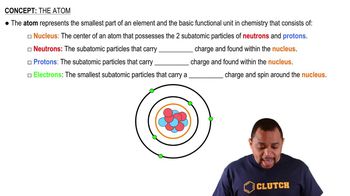
The Atom

  • The Nucleus
    02:53
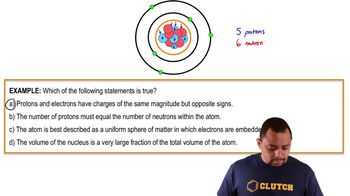
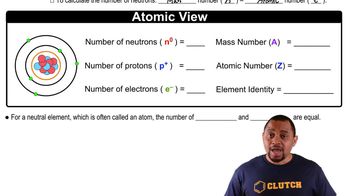
  • Atom Structure
    02:10
  • Atom Structure Example
    02:52

Subatomic Particles

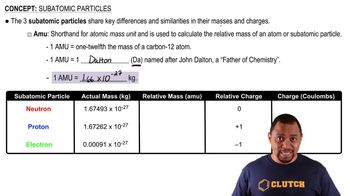
  • Subatomic Particles
    05:19
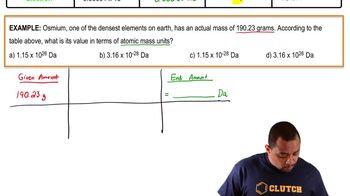
  • Atomic Mass Unit Example
    03:31

Isotopes

  • Isotopes
    04:36
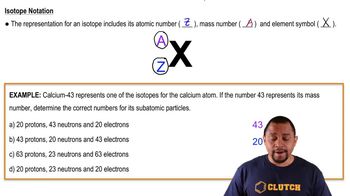
  • Isotope Notation Example
    03:57

Ions

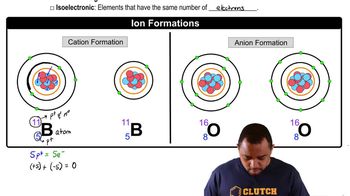
  • Ion Formation
    06:17
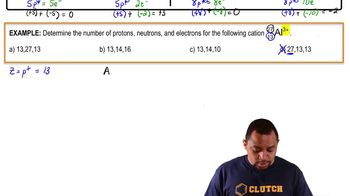
  • Cation Subatomic Particles Example
    02:22
  • Atoms vs. Ions
    01:36

Atomic Mass

  • Calculating Abundance Example
    5:41
  • Greatest Atomic Mass Example
    02:06
  • Calculating Atomic Mass
    00:40

Mole Concept

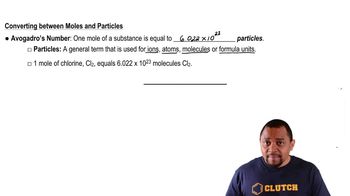
  • Moles and Particles Conversion
    02:41
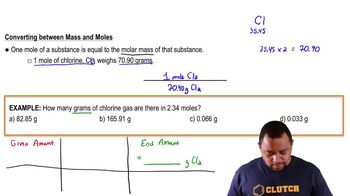
  • Moles to Molecules Conversion Example
    01:41
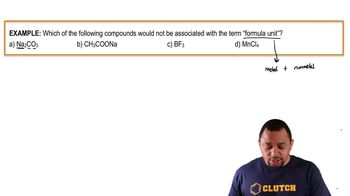
  • Formula Unit Example
    01:28

Calculating Molar Mass

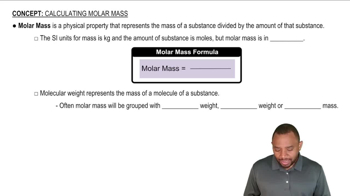
  • Molar Mass Concept
    02:11
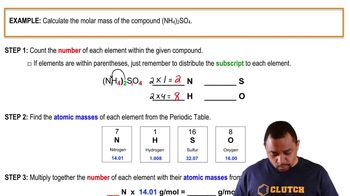
  • Molar Mass Calculation Example
    03:12

Chemical Bonds

  • Chemical Bonds Example 3
    01:04
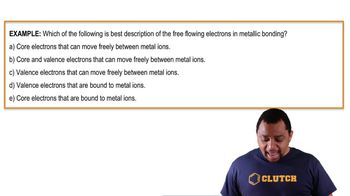
  • Chemical Bonds
    02:03
  • Chemical Bonds Example 2
    01:18

Periodic Table: Classifications

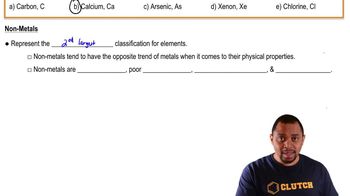
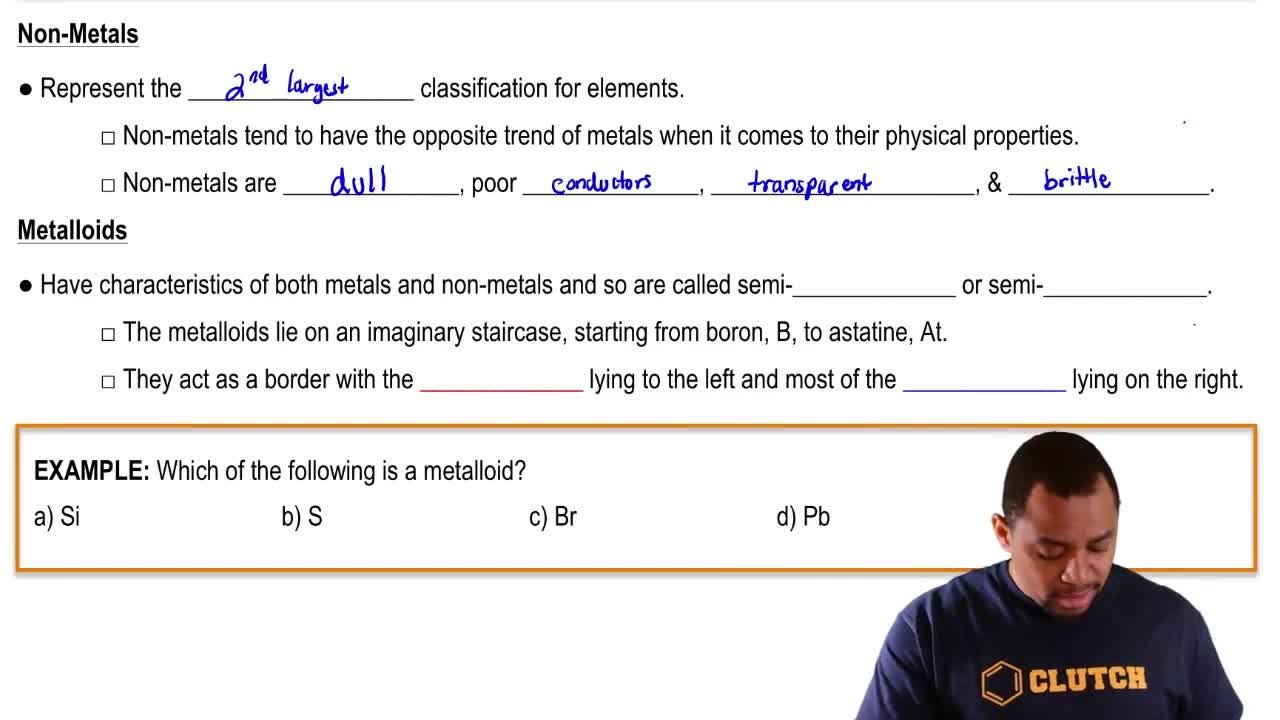
  • Nonmetal Properties
    01:12
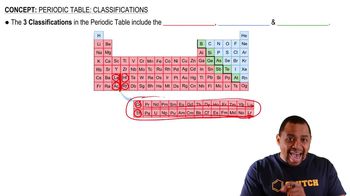
  • Periodic Table Classifications
    02:40
  • Metalloid Properties
    03:37

Periodic Table: Group Names

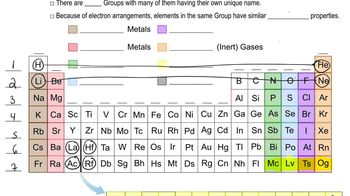
  • Periodic Table: Group Names
    05:33
  • Periodic Table: Group Names Example
    01:17

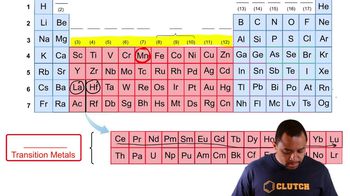
Periodic Table: Representative Elements & Transition Metals

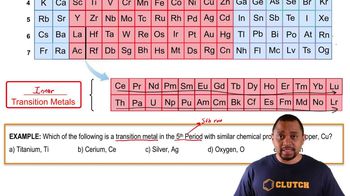
  • Transition Metal Example
    01:23
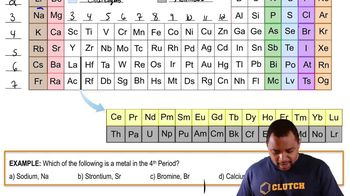
  • Transition Metals and Representative Elements
    03:30

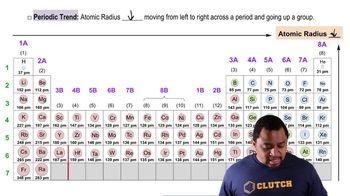
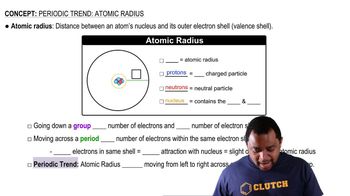
Periodic Trend: Atomic Radius

  • Atomic Radius Trends
    01:42
  • Atomic Radius Example
    00:56
  • Atomic Radius
    02:02

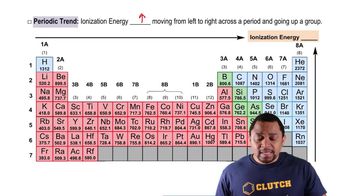
Periodic Trend: Ionization Energy

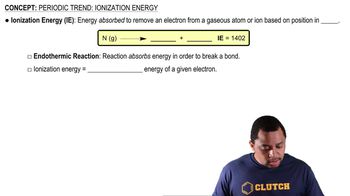
  • Ionization Energy Trends
    01:08
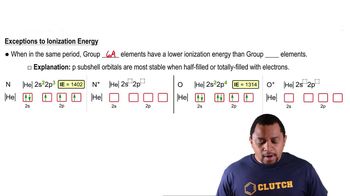
  • Group 6A vs. Group 5A Elements
    01:32
  • Ionization Energy
    01:19

Periodic Trend: Electronegativity

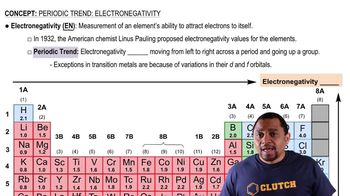
  • Electronegativity Trends
    02:10
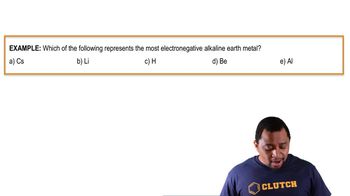
  • Electronegativity Example
    00:35

Redox Reactions

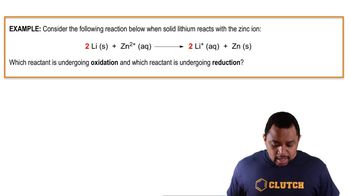
  • Oxidation and Reduction Reaction Example
    02:17
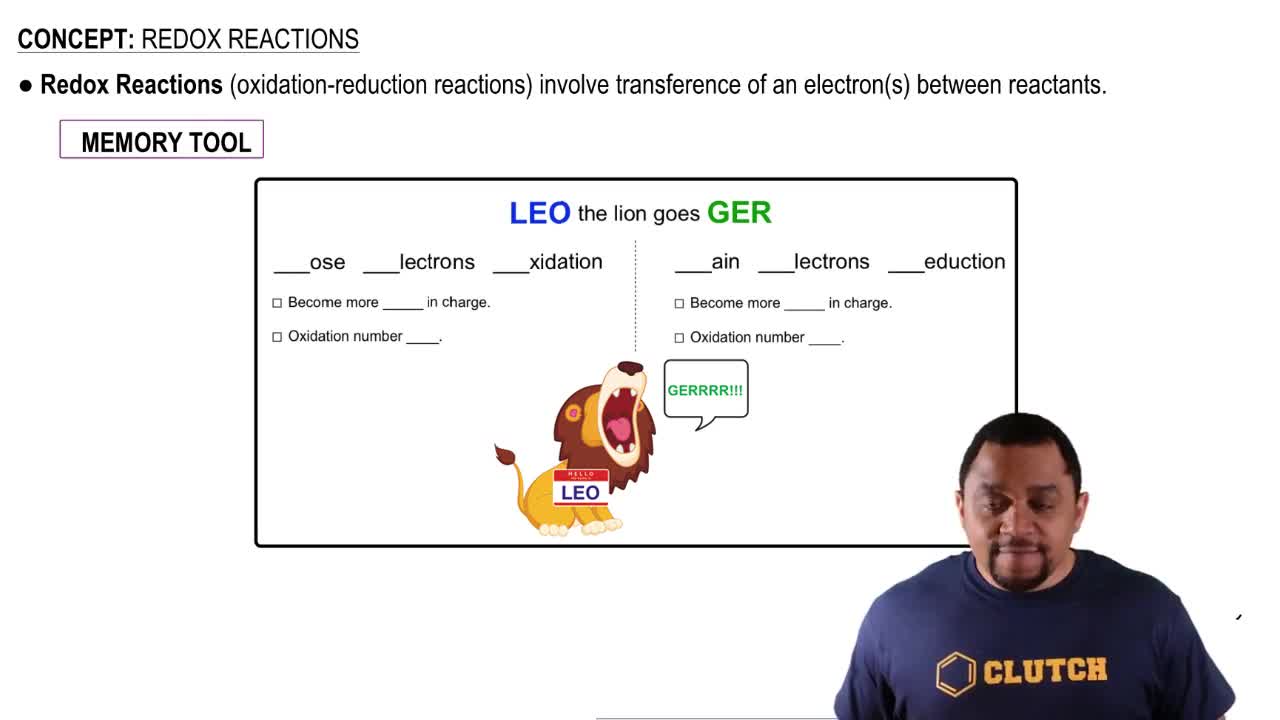
  • Oxidation and Reduction Reactions
    01:53
  • Oxidizing and Reducing Agents
    01:01

Stoichiometry

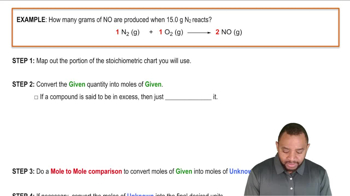
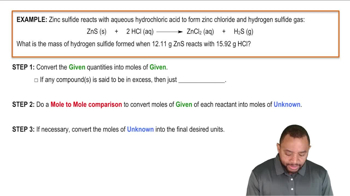
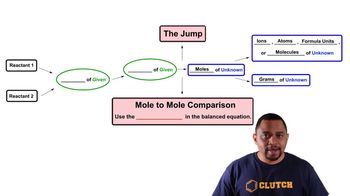
  • Stoichiometry Example
    3:54
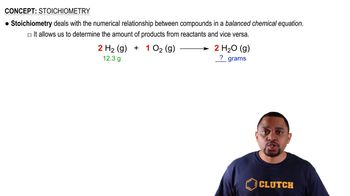
  • Stoichiometry Concept
    01:16
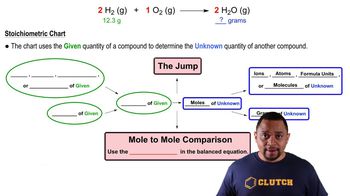
  • Stoichiometric Chart Concept
    03:04

Limiting Reagent

  • Limiting Reagent Example
    4:53
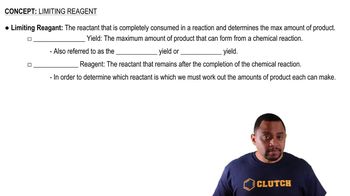
  • Limiting Reagent Concept
    01:30
  • Limiting Reagent in Reactions
    01:34
Percent Yield

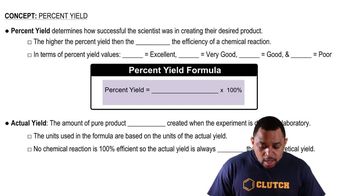
  • Percent Yield in Reactions
    03:09
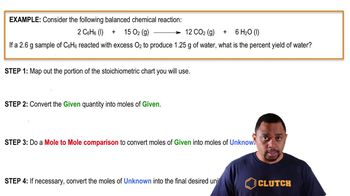
  • Percent Yield Example
    04:43

Solutions

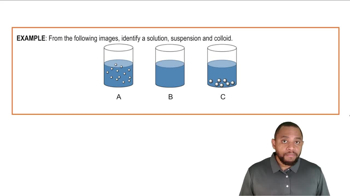
  • Identify Mixtures Example
    01:16
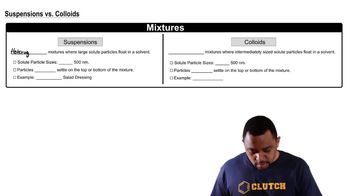
  • Suspensions and Colloids
    02:38
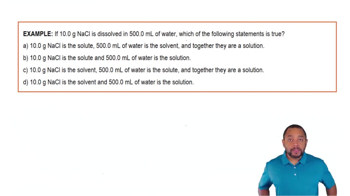
  • Solution Components Example
    1:17

Molarity

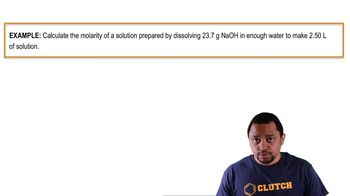
  • Calculate Molarity Example
    01:46
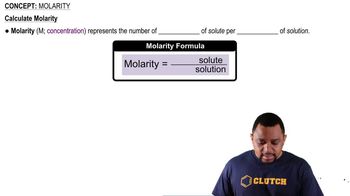
  • Molarity
    01:13
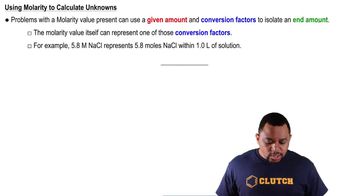
  • Molarity Concept
    00:53

The Ideal Gas Law

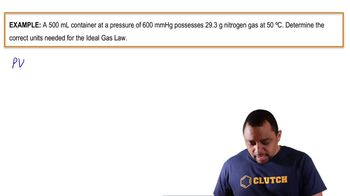
  • Ideal Gas Law Units Example
    02:58
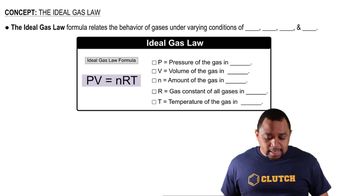
  • Ideal Gas Law Formula
    01:15
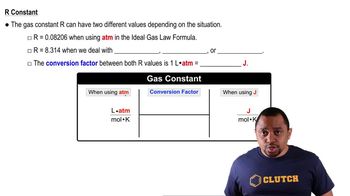
  • Gas Constant Values
    01:56

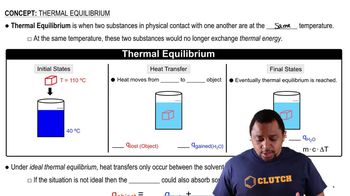
Thermal Equilibrium

  • Thermal Equilibrium
    02:35
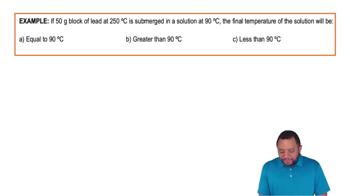
  • Thermal Equilibrium Example 1
    2:14
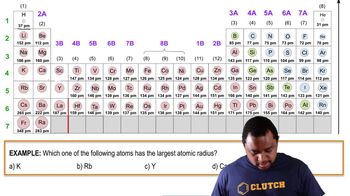
Heat Capacity

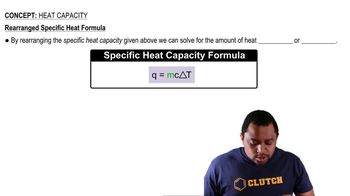
  • Heat Capacity
    00:44
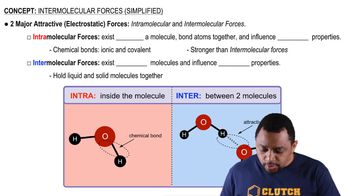
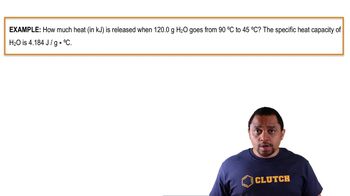
  • Heat Capacity Example 3
    02:08
  • Heat Capacity Example 2
    2:06

Constant-Pressure Calorimetry

  • Constant-Pressure Calorimetry Example 1
    01:20
  • Constant-Pressure Calorimetry Example 2
    04:47
  • Constant-Pressure Calorimetry
    01:11

Quantum Numbers: Principal Quantum Number

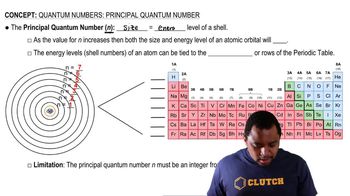
  • Principal Quantum Number
    02:55
  • Principal Quantum Number Example
    00:56

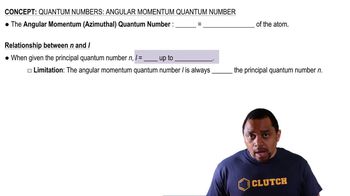
Quantum Numbers: Angular Momentum Quantum Number

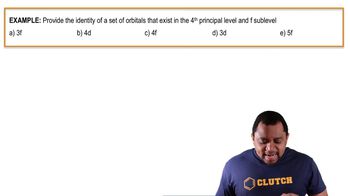
  • Angular Momentum Quantum Number Example
    00:46
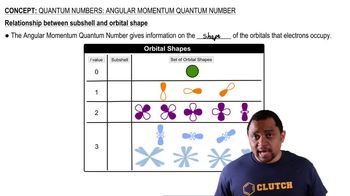
  • Angular Momentum Quantum Number and Orbital Shape
    01:41
  • Angular Momentum Quantum Number
    00:40

Quantum Numbers: Magnetic Quantum Number

  • Quantum Numbers and Orbitals Example
    00:31
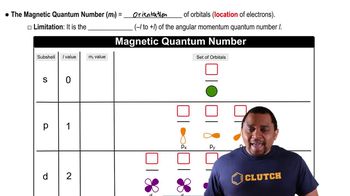
  • Magnetic Quantum Number
    03:06
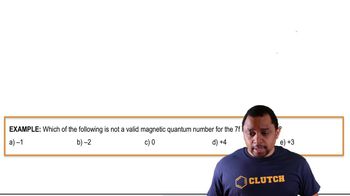
  • Magnetic Quantum Example
    00:59

Quantum Numbers: Spin Quantum Number

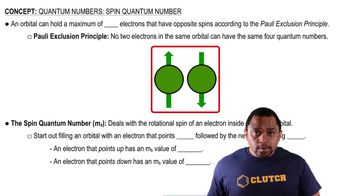
  • Spin Quantum Number
    01:18
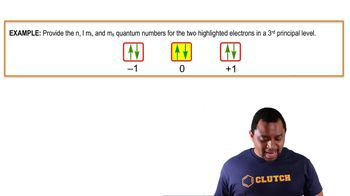
  • Spin Quantum Numbers Example
    01:10

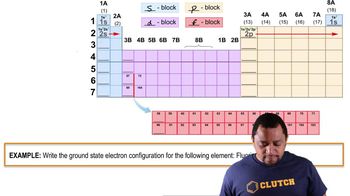
The Electron Configuration

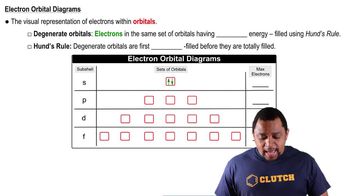
  • Electron Orbital Diagrams
    02:15
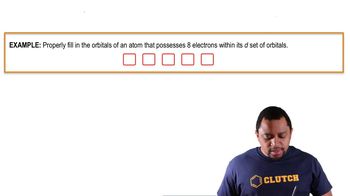
  • Electron Orbital Diagrams Example
    00:50
  • Electron Configuration Example
    01:33

Periodic Trend: Effective Nuclear Charge

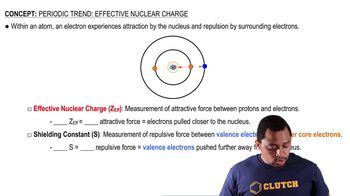
  • Effective Nuclear Charge
    01:51
  • Effective Nuclear Charge Example
    00:44
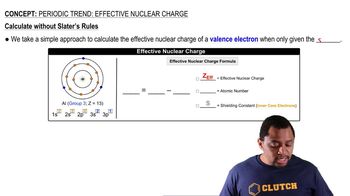
  • Effective Nuclear Charge Calculation
    00:59

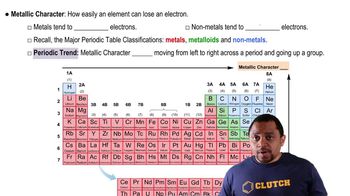
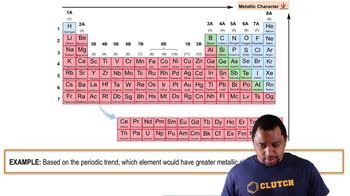
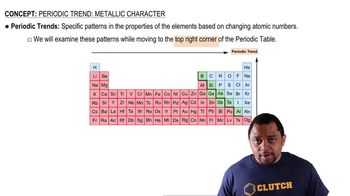
Periodic Trend: Metallic Character

  • Metallic Character Trends
    01:08
  • Metallic Character Example
    00:56
  • Periodic Trends
    00:38

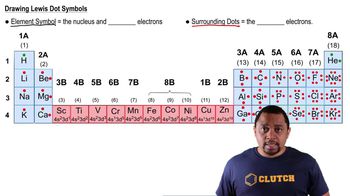
Lewis Dot Symbols

  • Lewis Dot Symbols
    03:17
  • Lewis Dot Symbols Example 1
    00:50
  • Lewis Dot Symbols Example 2
    01:26

Valence Electrons of Elements

  • Main Group Elements Valence Electrons Example
    01:14
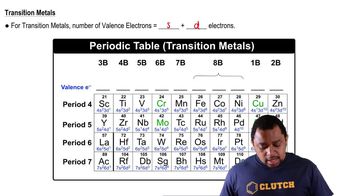
  • Transition Metals Valence Electrons
    02:12
  • Transition Metals Valence Electrons Example
    02:14

Chemical Bonds

  • Chemical Bonds Example 3
    01:04
  • Chemical Bonds
    02:03
  • Chemical Bonds Example 2
    01:18

Intermolecular Forces

  • Intermolecular vs Intramolecular Forces
    01:59
  • Intermolecular vs Intramolecular Example
    2:04
  • Intermolecular Forces Example
    01:59

Intermolecular Forces and Physical Properties

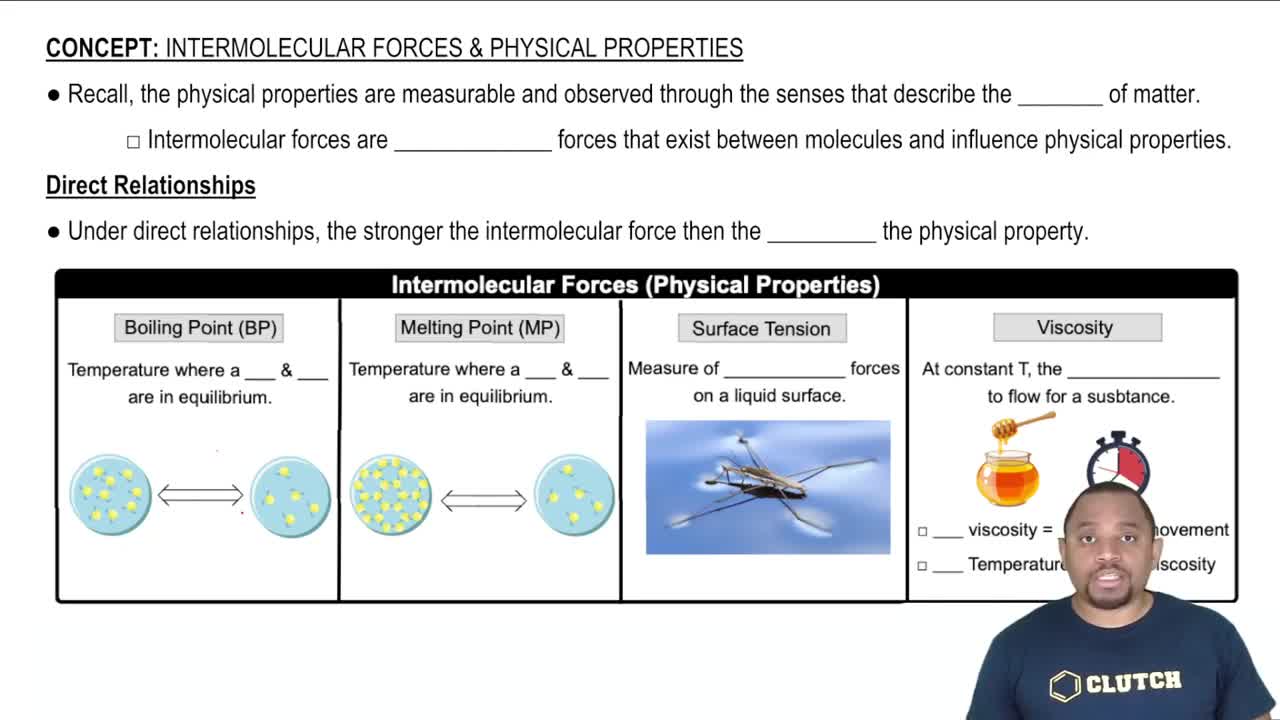
  • Intermolecular Forces & Physical Properties
    01:04
  • Intermolecular Forces and Properties
    03:13
  • Melting Point Example
    01:21

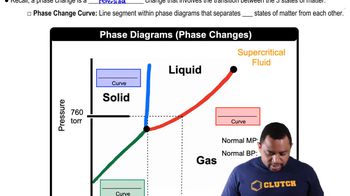
Phase Diagrams

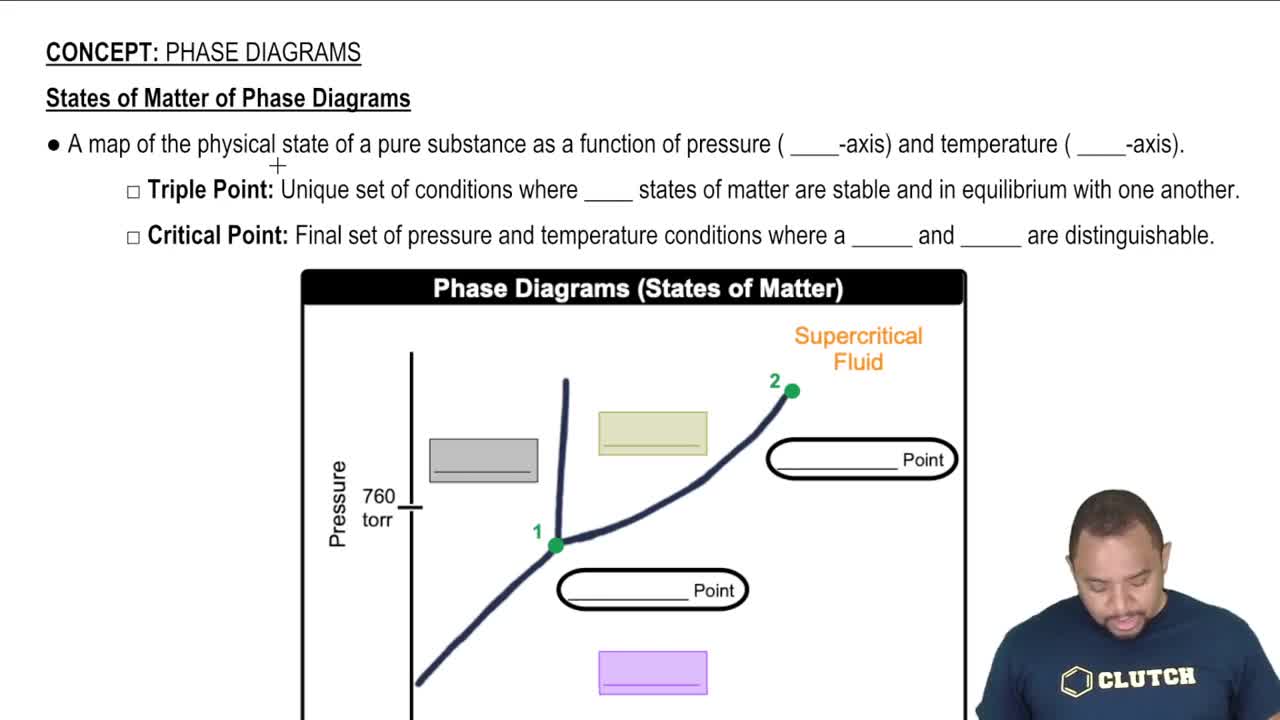
  • States of Matter of Phase Diagrams
    03:19
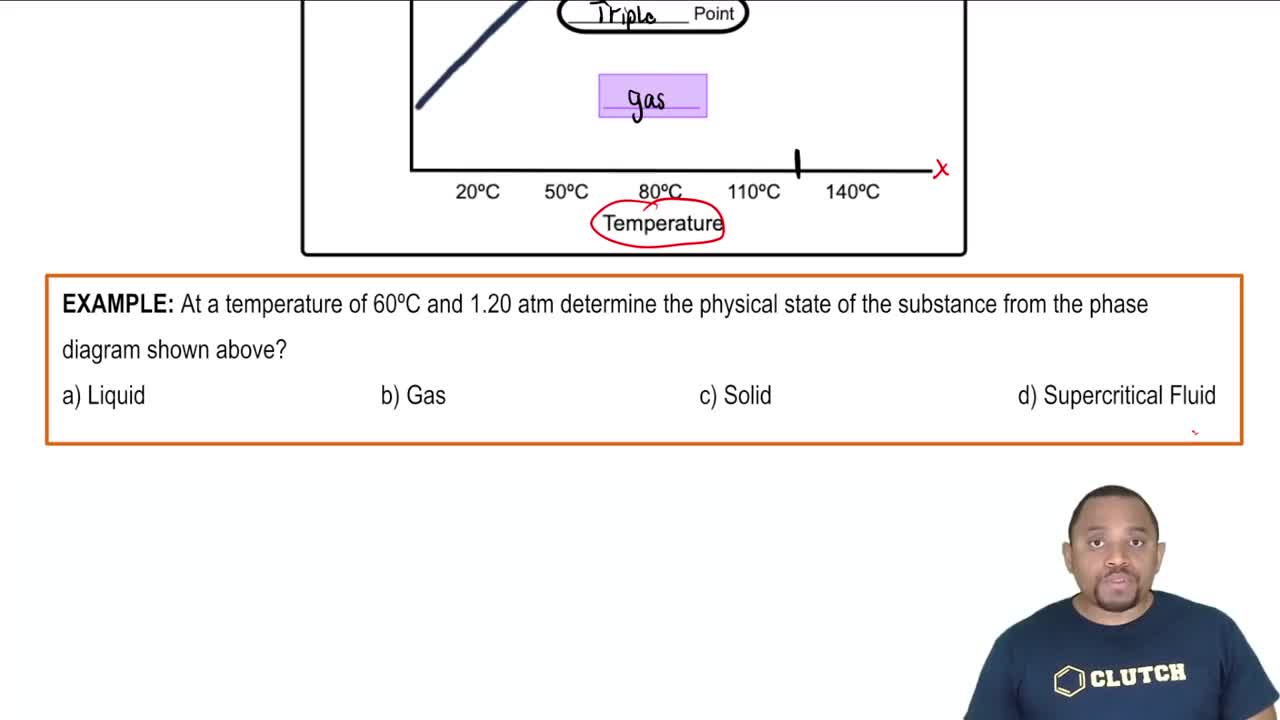
  • Phase Diagram Example
    01:10
  • Phase Changes in Diagrams
    03:22

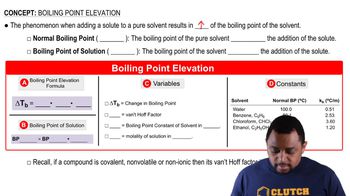
Boiling Point Elevation

  • Boiling Point Elevation
    03:05
  • Boiling Point Calculation Example
    01:54

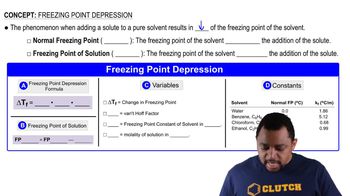
Freezing Point Depression

  • Freezing Point Depression
    01:59
  • Freezing Point Example
    02:18

Intro to Chemical Equilibrium

  • Chemical Equilibrium Example
    01:18
  • Chemical Equilibrium Concepts
    04:20

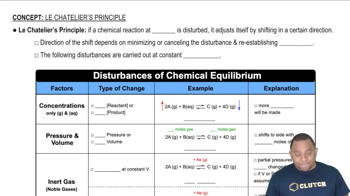
Le Chatelier's Principle

  • Temperature and Equilibrium Shifts
    04:04
  • Le Chatelier's Principle
    07:32
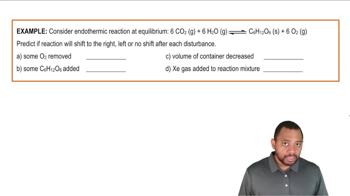
  • Disturbances and Equilibrium Shifts Example
    02:50