Back

General Chemistry Study Guide: Step-by-Step Guidance for Key Questions

Study Guide - Learn with Videos

Curated lessons matched to your uploaded material – learn every topic step by step.

Mole Concept

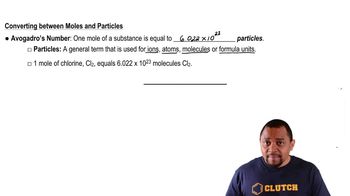
  • Moles and Particles Conversion
    02:41
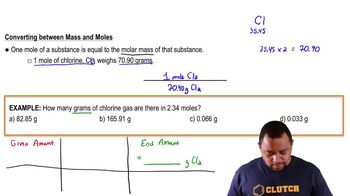
  • Moles to Molecules Conversion Example
    01:41
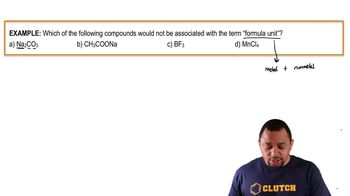
  • Formula Unit Example
    01:28

Atomic Theory

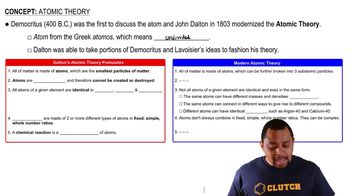
  • Dalton's Atomic Theory
    05:22
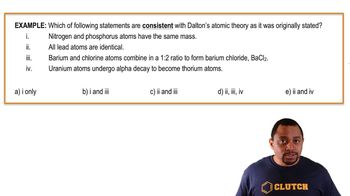
  • Dalton's Atomic Theory Example
    01:48

Isotopes

  • Isotopes
    04:36
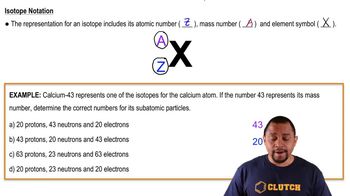
  • Isotope Notation Example
    03:57

Subatomic Particles

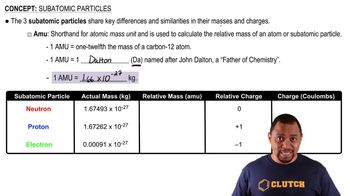
  • Subatomic Particles
    05:19
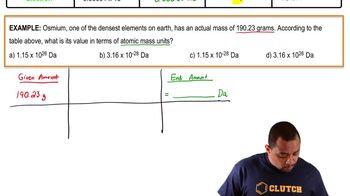
  • Atomic Mass Unit Example
    03:31

Periodic Table: Classifications

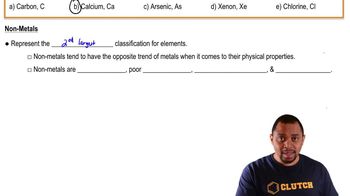
  • Nonmetal Properties
    01:12
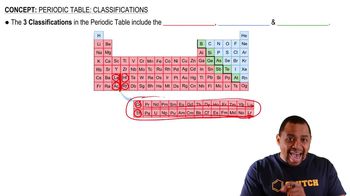
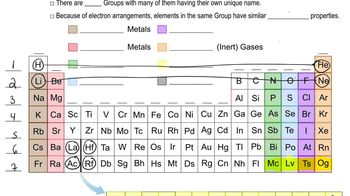
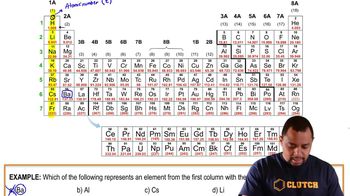
  • Periodic Table Classifications
    02:40
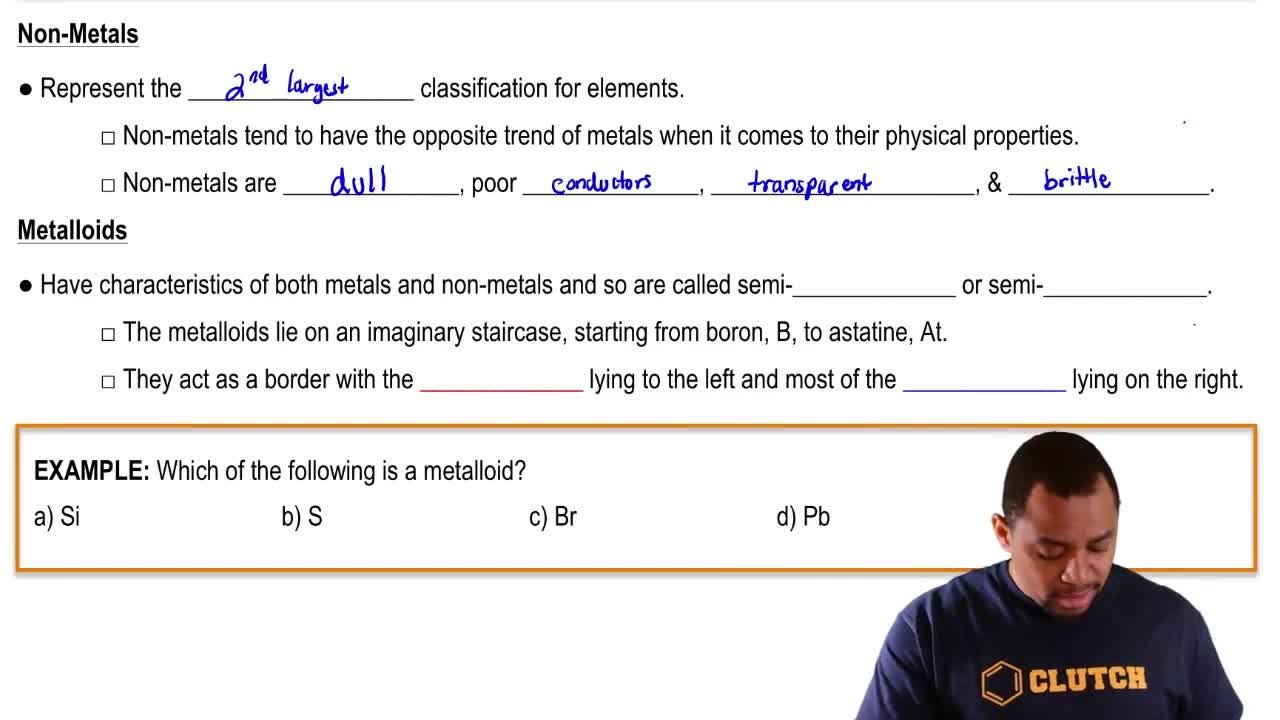
  • Metalloid Properties
    03:37

Periodic Table: Group Names

  • Periodic Table: Group Names
    05:33
  • Periodic Table: Group Names Example
    01:17

Periodic Table: Representative Elements & Transition Metals

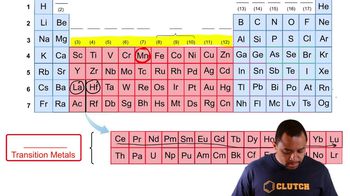
  • Transition Metal Example
    01:23
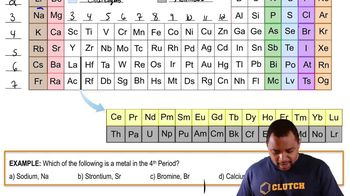
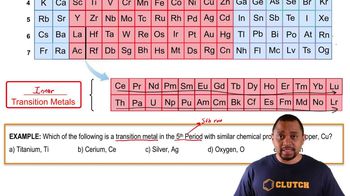
  • Transition Metals and Representative Elements
    03:30

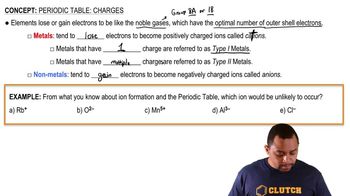
Periodic Table: Charges

  • Unlikely Ion Example
    01:52
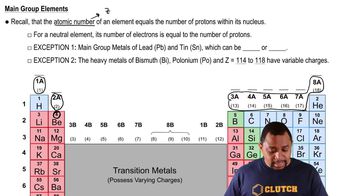
  • Main Group Element Charges
    07:38
  • Main Group Element Charges Example
    00:48

Calculating Molar Mass

  • Molar Mass Concept
    02:11
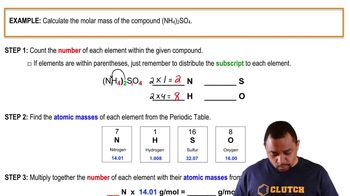
  • Molar Mass Calculation Example
    03:12

Chemical Bonds

  • Chemical Bonds Example 3
    01:04
  • Chemical Bonds
    02:03
  • Chemical Bonds Example 2
    01:18

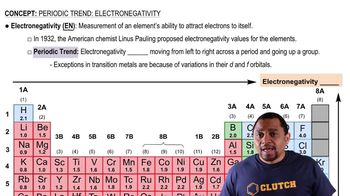
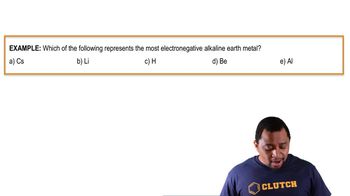
Periodic Trend: Electronegativity

  • Electronegativity Trends
    02:10
  • Electronegativity Example
    00:35

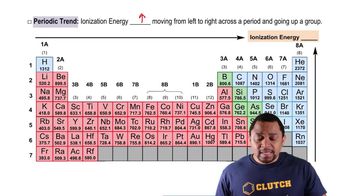
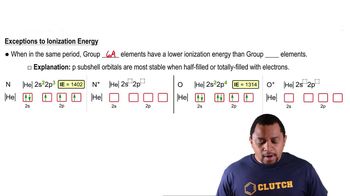
Periodic Trend: Ionization Energy

  • Ionization Energy Trends
    01:08
  • Group 6A vs. Group 5A Elements
    01:32
  • Ionization Energy
    01:19

Lewis Dot Symbols

  • Lewis Dot Symbols
    03:17
  • Lewis Dot Symbols Example 1
    00:50
  • Lewis Dot Symbols Example 2
    01:26

Naming Ionic Compounds

  • Base Names of Nonmetals
    01:52
  • Naming Ionic Compounds Example
    01:01
  • Ionic Compounds Naming
    02:11

Naming Molecular Compounds

  • Naming Molecular Compounds
    02:06
  • Naming Molecular Compounds Example
    01:21

Balancing Chemical Equations

  • Balancing Chemical Equations
    01:32
  • Balancing Chemical Equations Example
    03:50

Stoichiometry

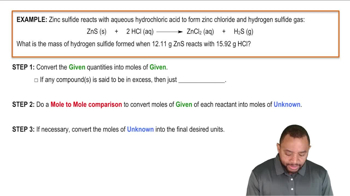
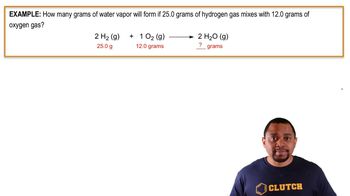
  • Stoichiometry Example
    3:54
  • Stoichiometry Concept
    01:16
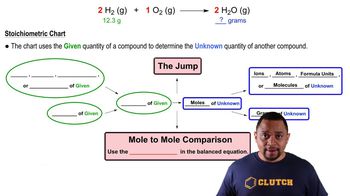
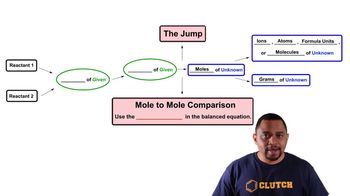
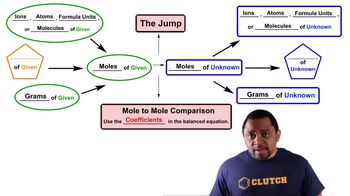
  • Stoichiometric Chart Concept
    03:04

Limiting Reagent

  • Limiting Reagent Example
    4:53
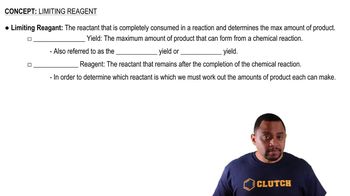
  • Limiting Reagent Concept
    01:30
  • Limiting Reagent in Reactions
    01:34

Percent Yield

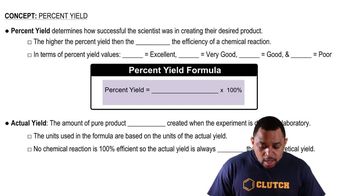
  • Percent Yield in Reactions
    03:09
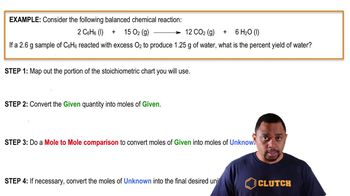
  • Percent Yield Example
    04:43

Mass Percent

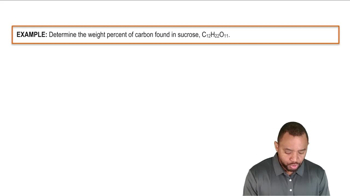
  • Mass Percent Example
    1:22
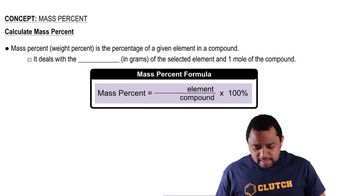
  • Mass Percent Calculation
    00:38

Significant Figures

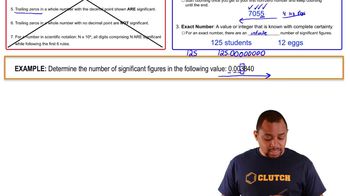
  • Significant Figures Example
    01:09
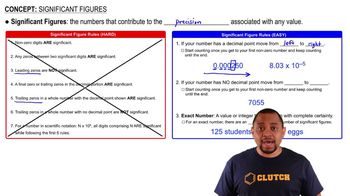
  • Significant Figures Rules
    04:40

Scientific Notation

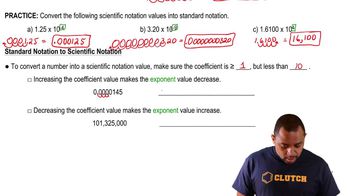
  • Standard Notation to Scientific Notation
    02:50
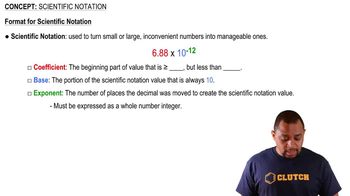
  • Scientific Notation Concepts
    01:41
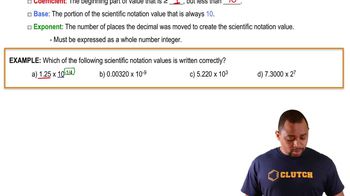
  • Scientific Notation Example
    01:53

SI Units

  • SI Units
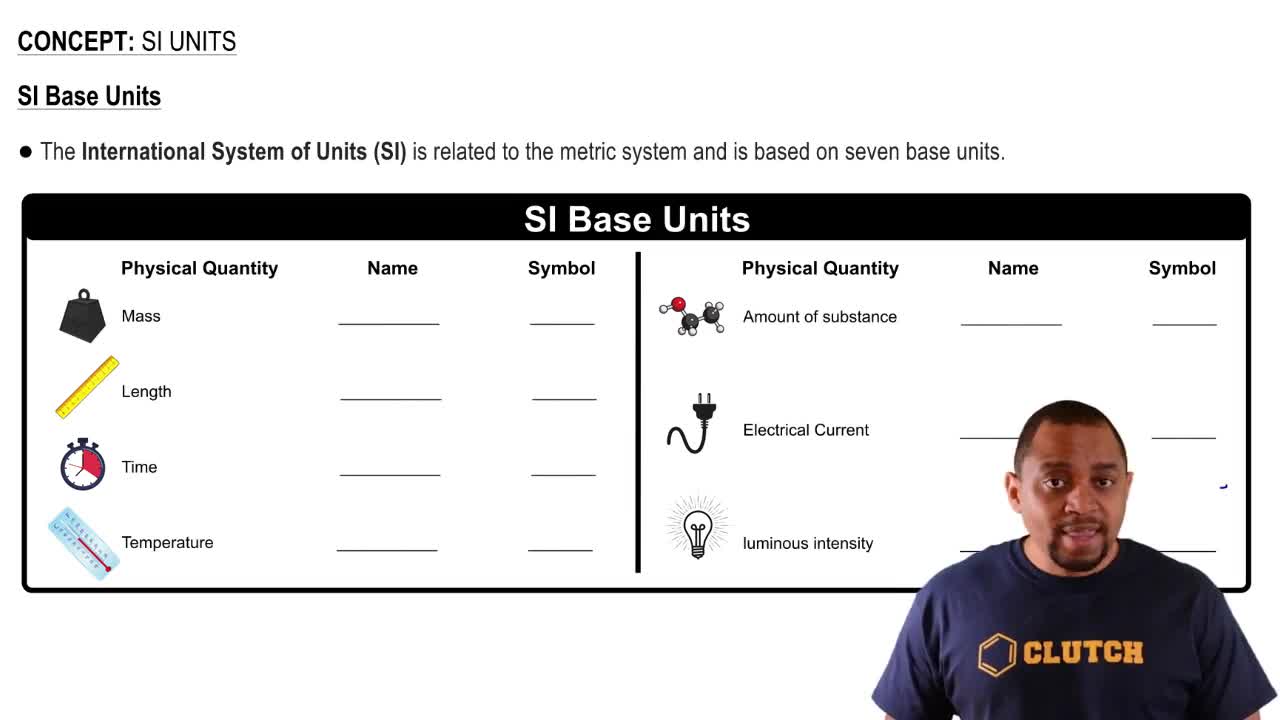
    02:13
  • Perimeter, Area, Volume
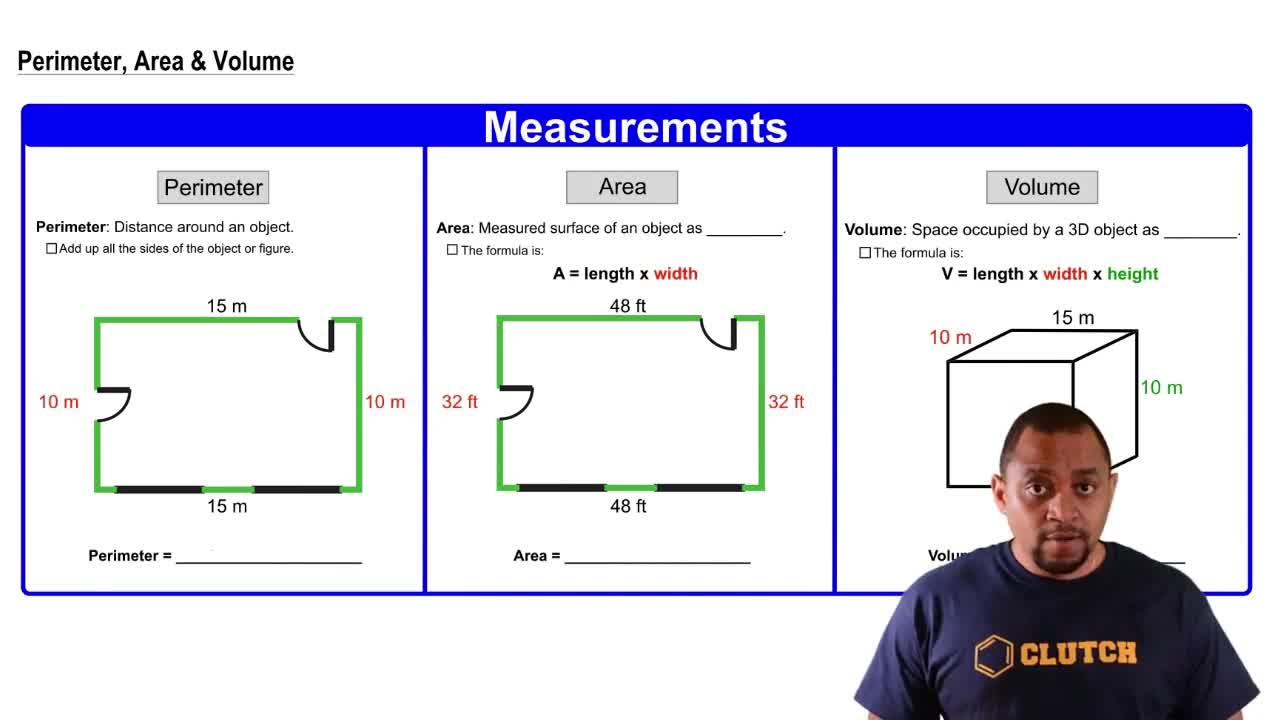
    03:47

Metric Prefixes

  • Metric Prefixes Conversion Example
    03:33
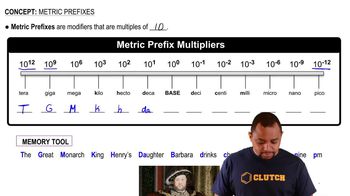
  • Metric Prefixes Chart
    03:59
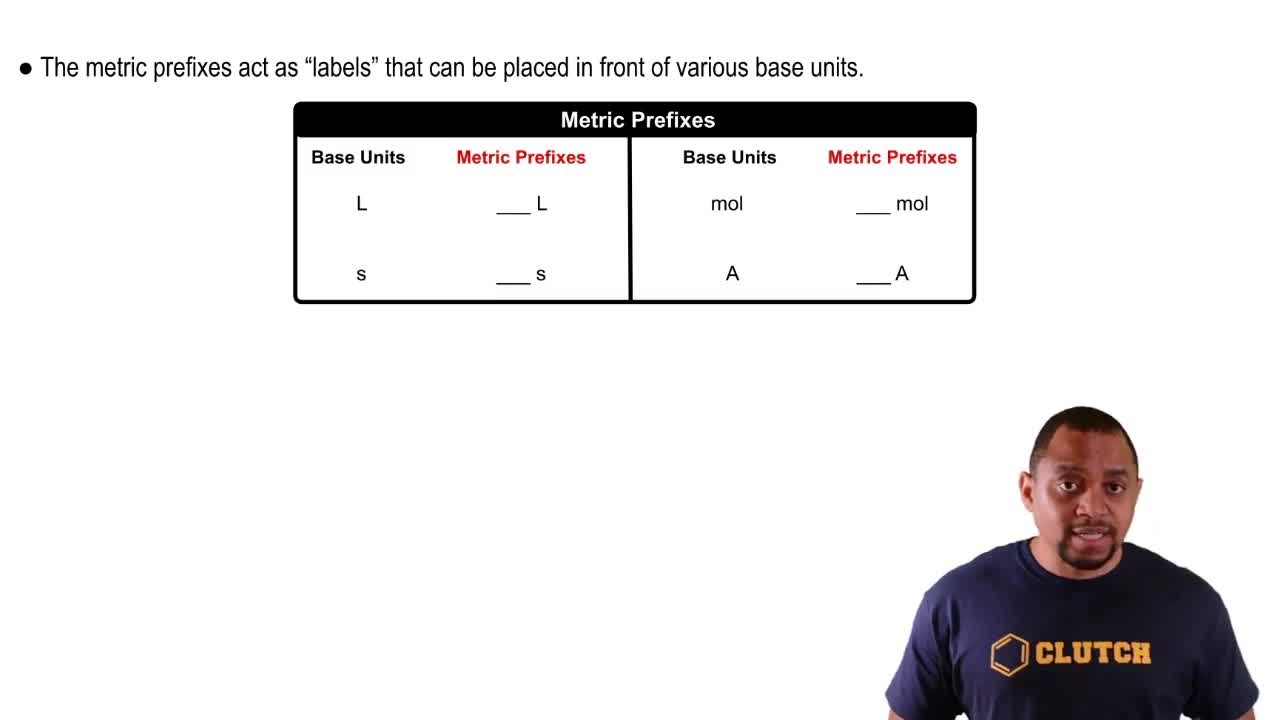
  • Metric Prefixes Usage
    01:16

Conversion Factors

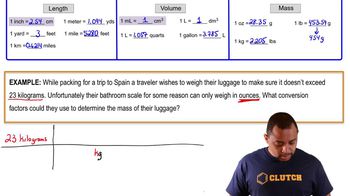
  • Weight Conversion Example
    03:45
  • Conversion Factors Example
    02:12
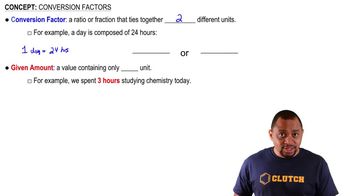
  • Conversion Factors
    01:56

Dimensional Analysis

  • Dimensional Analysis
    06:11
  • Dimensional Analysis Example
    4:48

Density

  • Density Concepts
    01:56
  • Density Conversion Example
    05:30

Physical & Chemical Changes

  • Chemical Change Example
    01:52
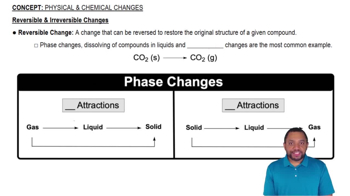
  • Reversible Changes in Matter
    03:42
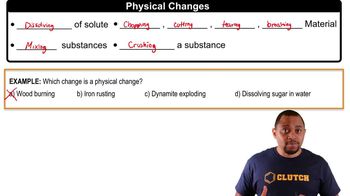
  • Physical Change Example
    01:52

Physical Properties

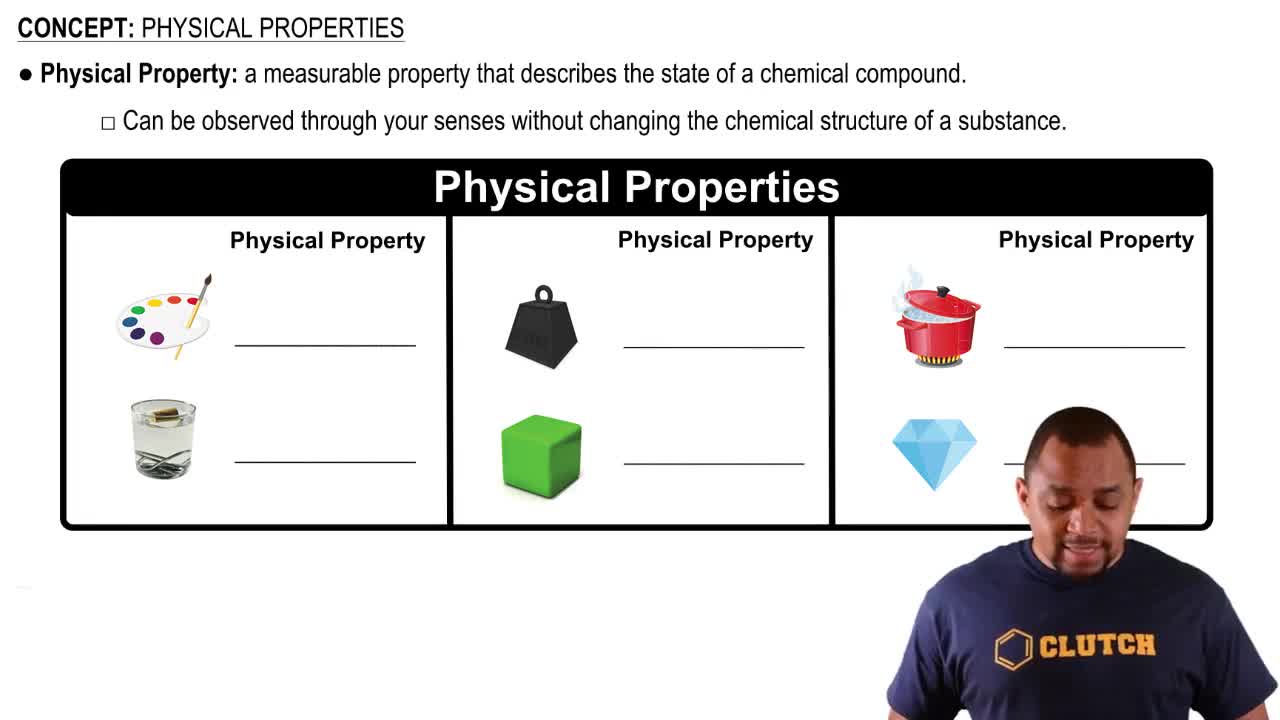
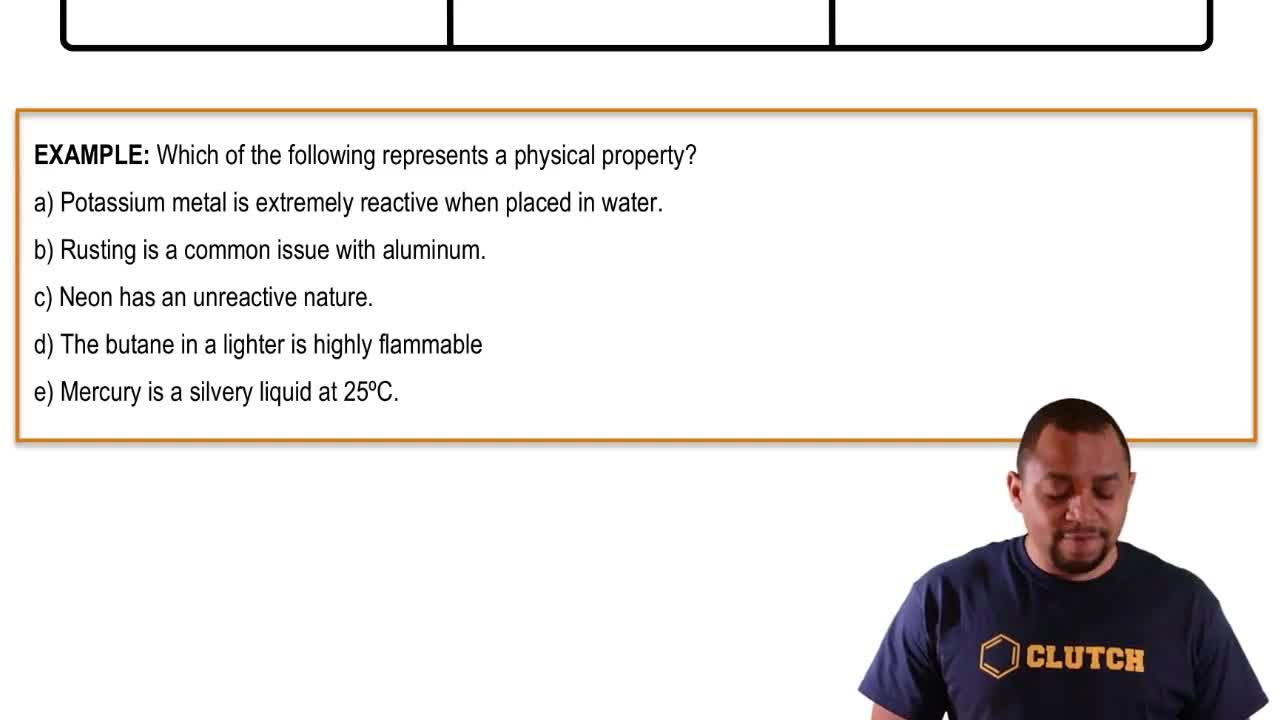
  • Physical Properties
    02:54
  • Physical Properties Example
    01:41

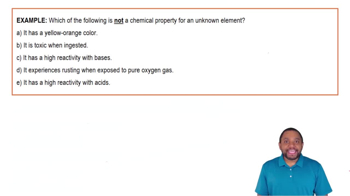
Chemical Properties

  • Chemical Properties Example
    01:34
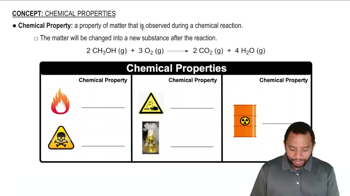
  • Chemical Properties
    03:31

Temperature

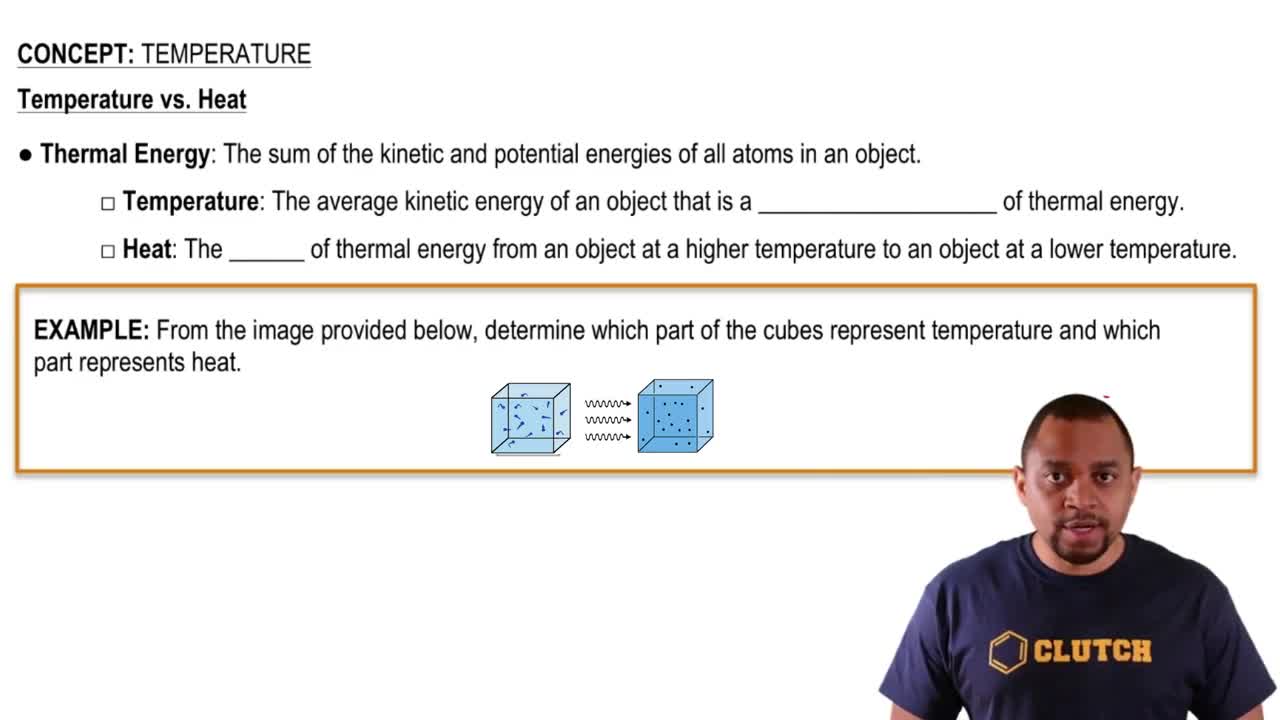
  • Temperature vs Heat
    03:48
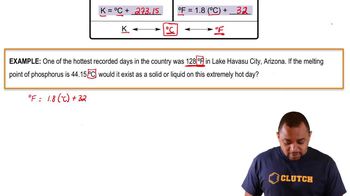
  • Temperature Conversion Example
    02:10
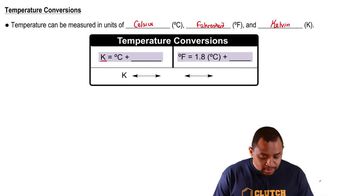
  • Temperature Conversion Formulas
    02:03

The Ideal Gas Law

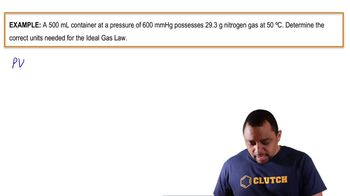
  • Ideal Gas Law Units Example
    02:58
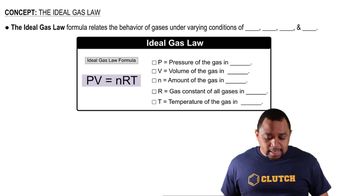
  • Ideal Gas Law Formula
    01:15
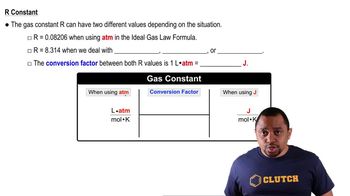
  • Gas Constant Values
    01:56

Gas Stoichiometry

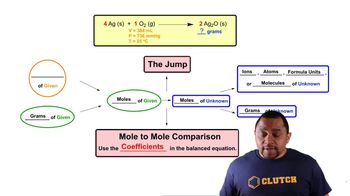
  • Gas Stoichiometry Chart
    02:05
  • Gas Stoichiometry Concepts
    00:47
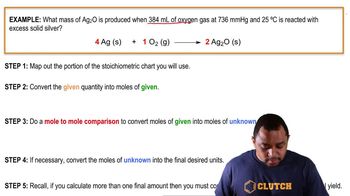
  • Gas Stoichiometry Calculation Example
    03:51

Kinetic Molecular Theory

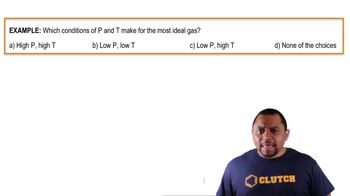
  • Ideal Gas Conditions Example
    02:13
  • Kinetic Molecular Theory
    01:19
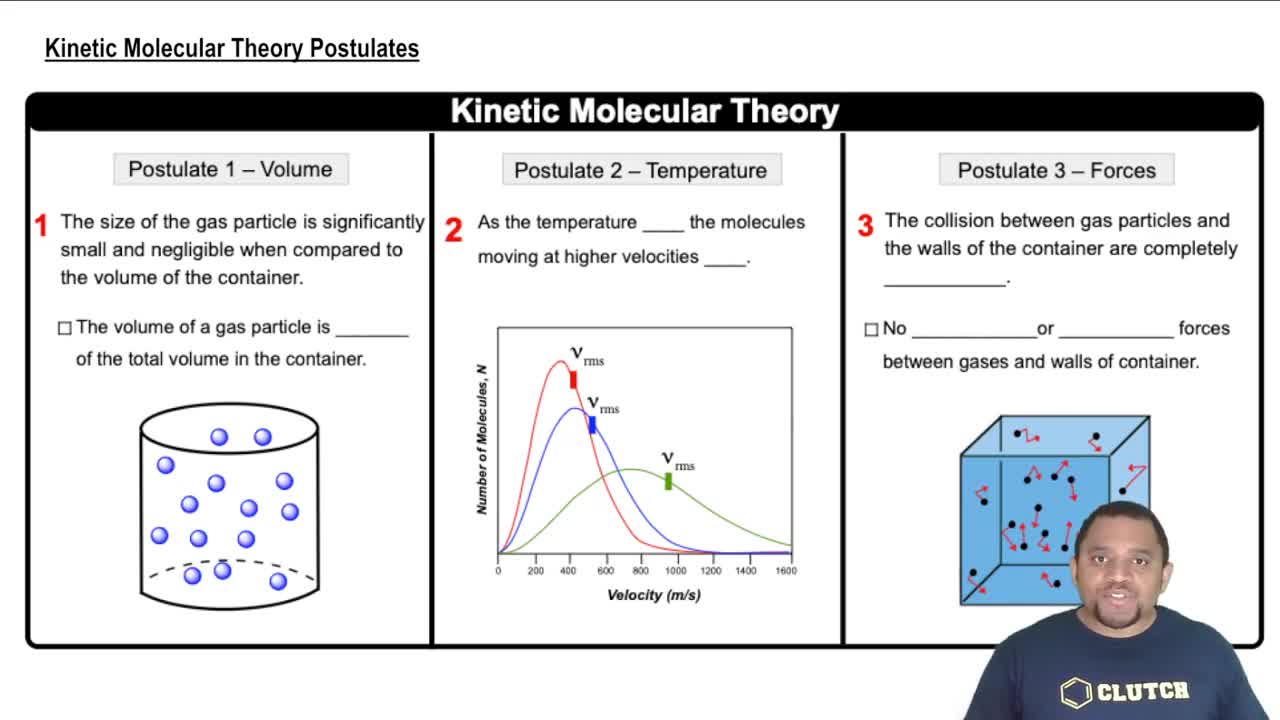
  • Kinetic Molecular Theory Postulates
    03:23

First Law of Thermodynamics

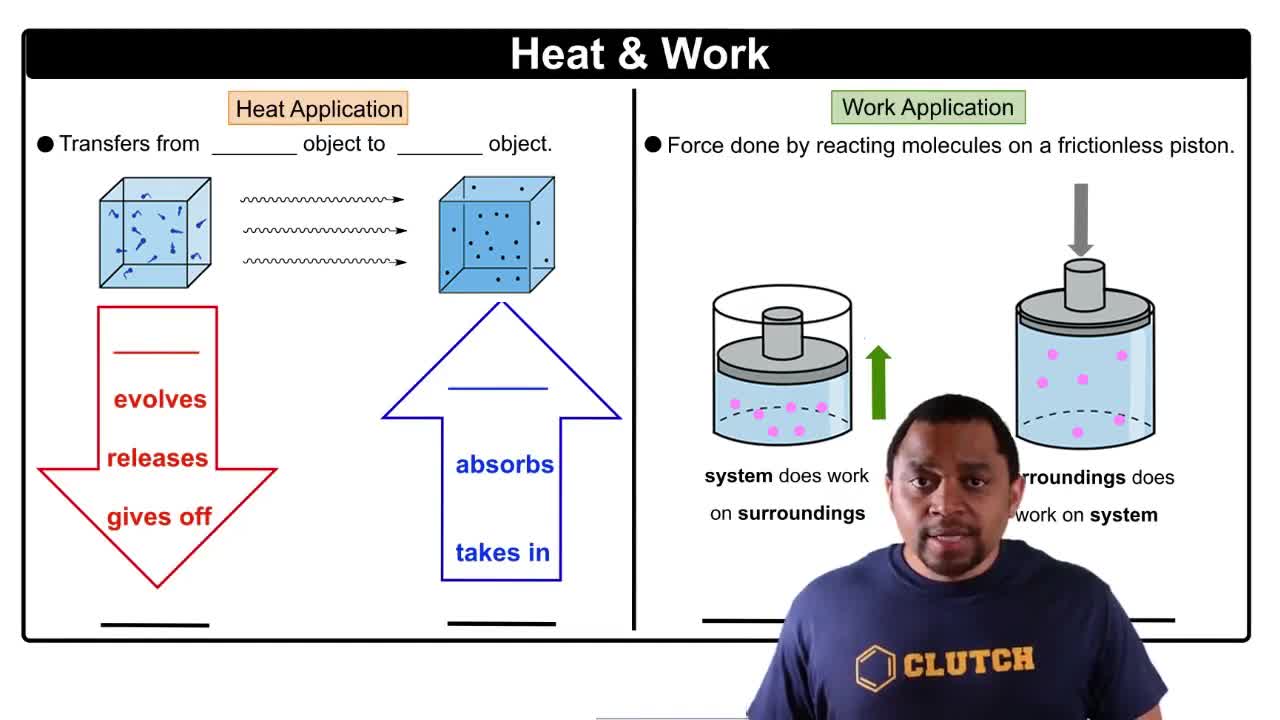
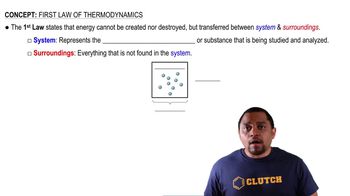
  • First Law of Thermodynamics
    02:50
  • First Law of Thermodynamics
    01:18
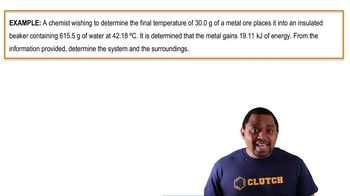
  • First Law of Thermodynamics Example 1
    01:17

Endothermic & Exothermic Reactions

  • Endothermic & Exothermic Reactions Example 2
    1:48
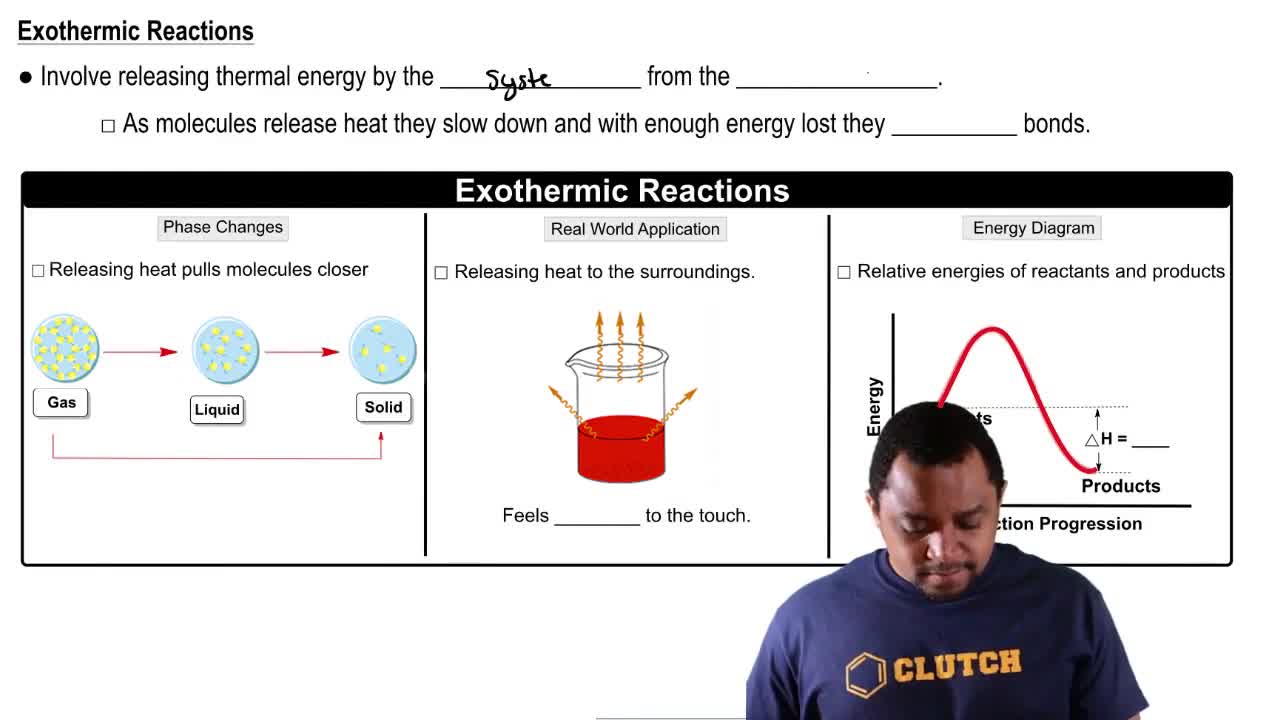
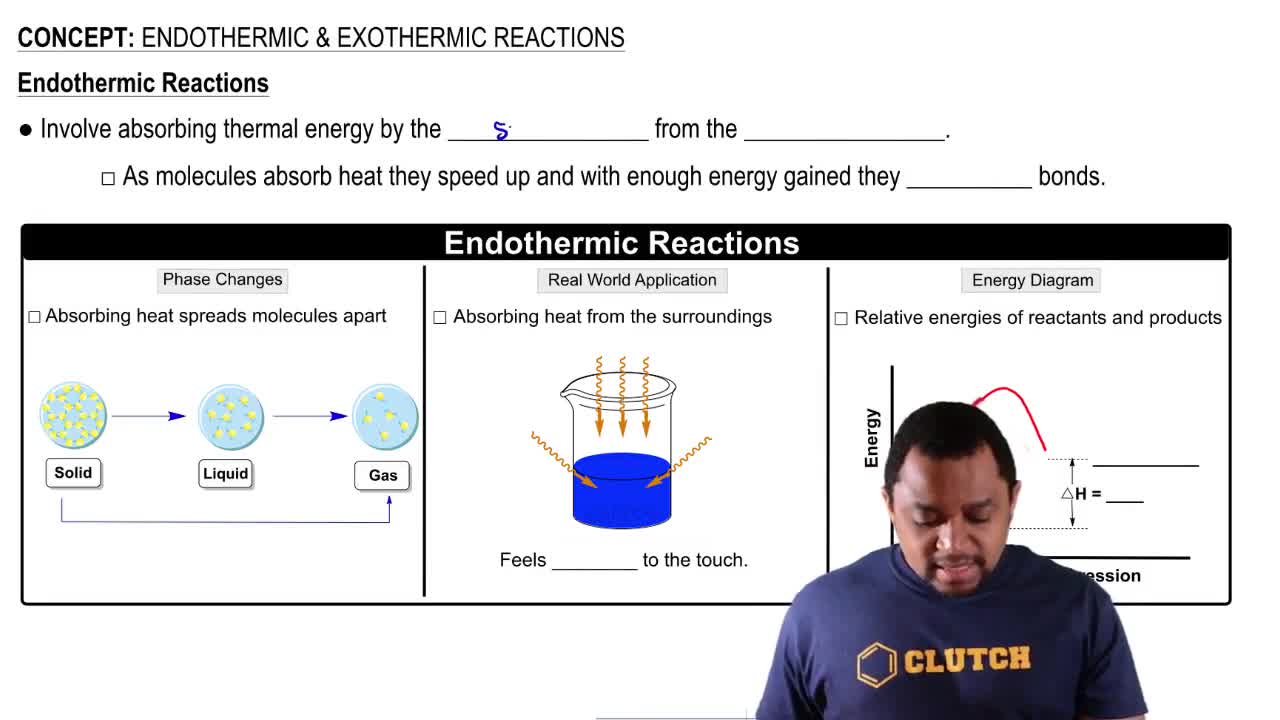
  • Endothermic & Exothermic Reactions
    02:38
  • Endothermic & Exothermic Reactions
    02:30

Heat Capacity

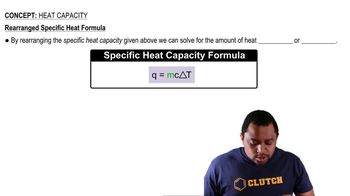
  • Heat Capacity
    00:44
  • Heat Capacity Example 3
    02:08
  • Heat Capacity Example 2
    2:06

Thermochemical Equations

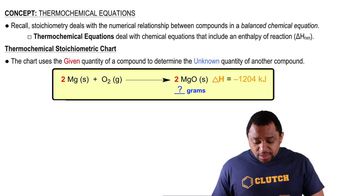
  • Thermochemical Equations
    01:13
  • Thermochemical Equations
    01:57
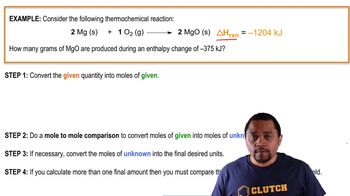
  • Thermochemical Equations Example 1
    02:24

Hess's Law

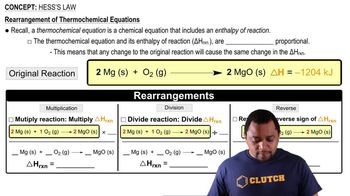
  • Hess's Law
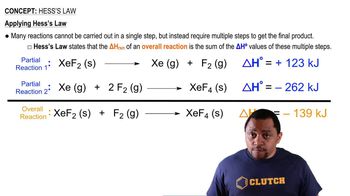
    02:03
  • Hess's Law
    03:11
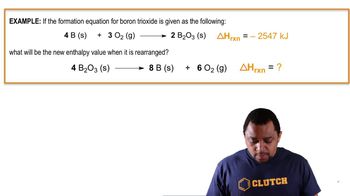
  • Hess's Law Example 1
    01:39

Atomic Mass

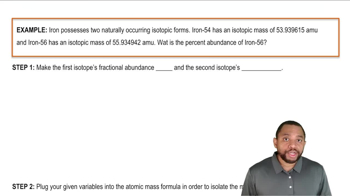
  • Calculating Abundance Example
    5:41
  • Greatest Atomic Mass Example
    02:06
  • Calculating Atomic Mass
    00:40

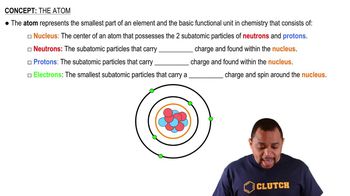
The Atom

  • The Nucleus
    02:53
  • Atom Structure
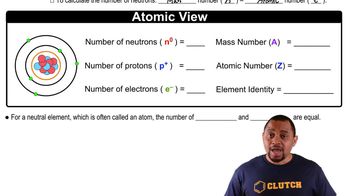
    02:10
  • Atom Structure Example
    02:52

Ions

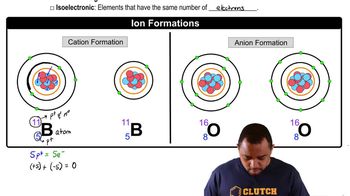
  • Ion Formation
    06:17
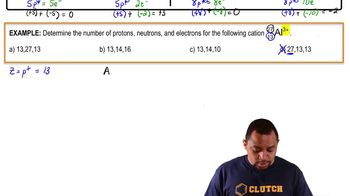
  • Cation Subatomic Particles Example
    02:22
  • Atoms vs. Ions
    01:36

Redox Reactions

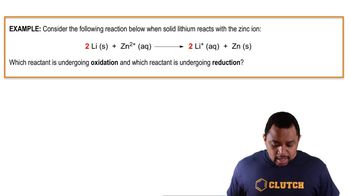
  • Oxidation and Reduction Reaction Example
    02:17
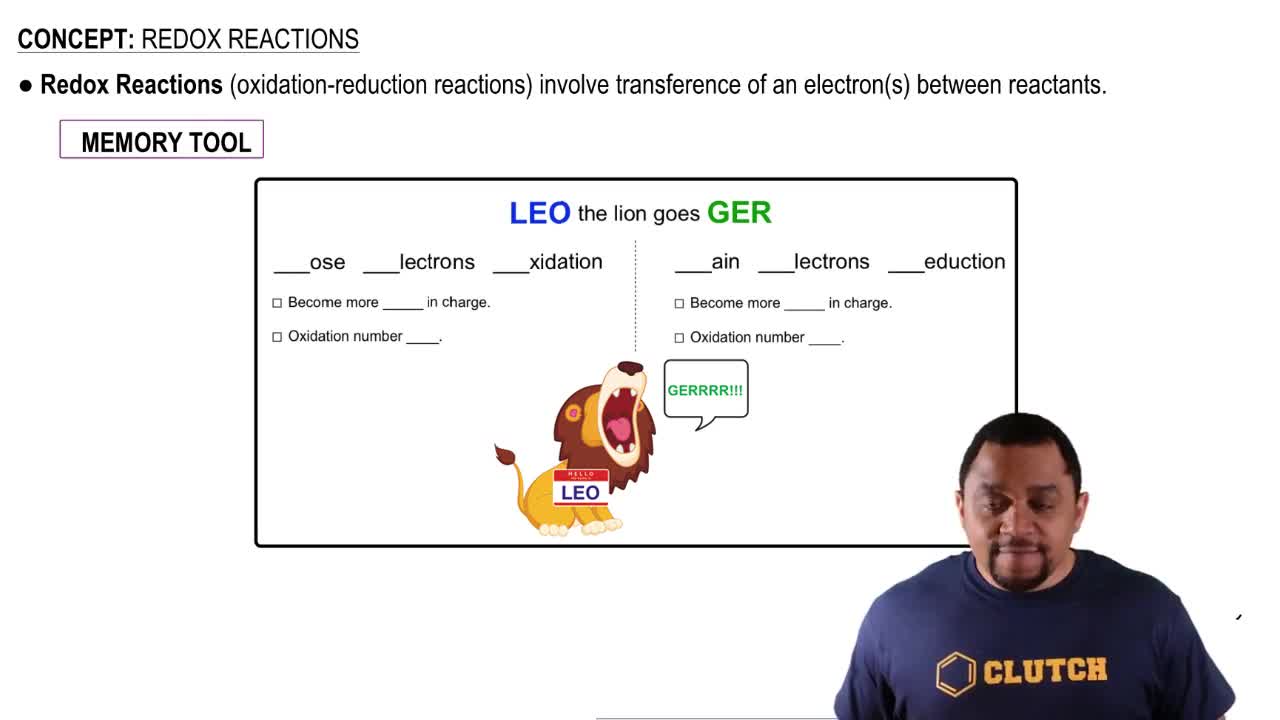
  • Oxidation and Reduction Reactions
    01:53
  • Oxidizing and Reducing Agents
    01:01

Calculate Oxidation Numbers

  • Calculate Oxidation Numbers Example
    01:22
  • Oxidation Numbers in Ions Example
    01:38
  • Oxidation Numbers
    02:42

Intro to Acid-Base Titration Curves

  • Equivalence Point Example
    01:35
  • Acid-Base Titration Curve Example
    01:35
  • Equivalence Point in Titration
    03:06

Acids Introduction

  • Acid Structure and Types
    02:29
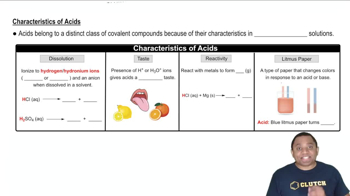
  • Acid Characteristics
    02:59
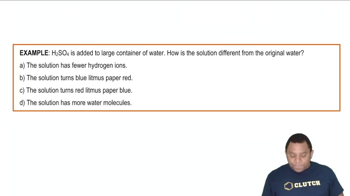
  • Acid Characteristics Example
    01:23

Bases Introduction

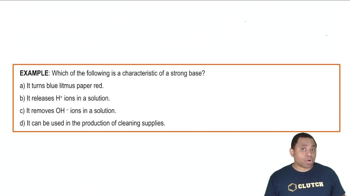
  • Strong Bases Example
    01:12
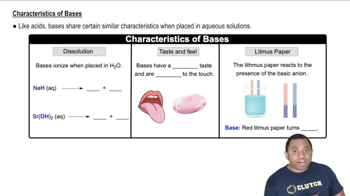
  • Base Properties
    01:57
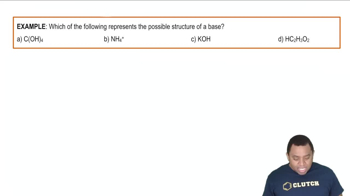
  • Base Structure Example
    01:16

pH of Strong Acids and Bases

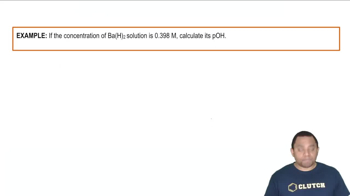
  • pOH Calculation Example
    01:18
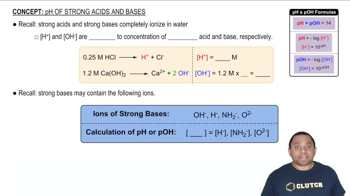
  • pH of Strong Acids and Bases
    02:39

pH of Weak Acids

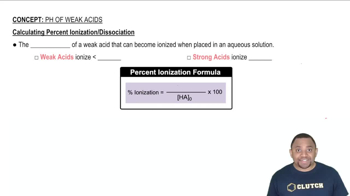
  • Calculating Percent Ionization of Weak Acids
    01:15
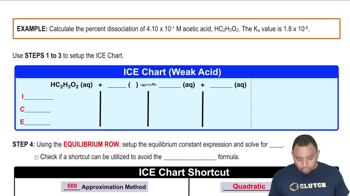
  • Percent Dissociation Example
    04:52
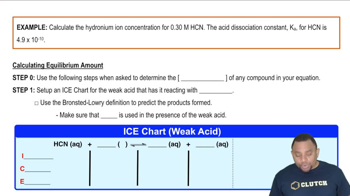
  • Hydronium Ion Concentration Example
    06:25

pH of Weak Bases

  • Calculating Percent Ionization of Weak Bases
    01:00
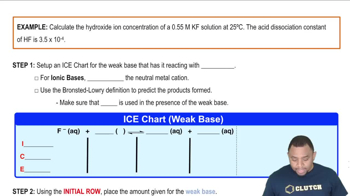
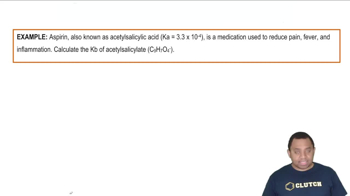
  • Hydroxide Ion Concentration Example
    06:12
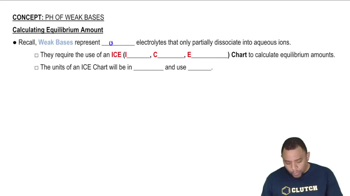
  • ICE Charts of Weak Bases
    00:51

Ka and Kb

  • Ka and Kb Example
    01:31
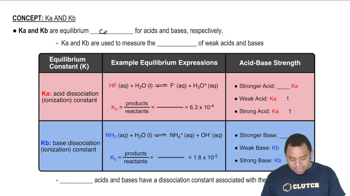
  • Characteristics of Ka and Kb
    03:50
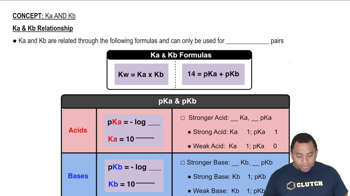
  • Ka and Kb Relationship
    03:01

The pH Scale

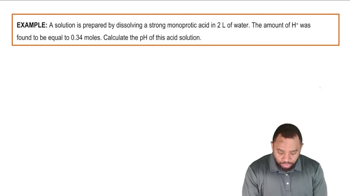
  • pH Calculation Example
    02:15
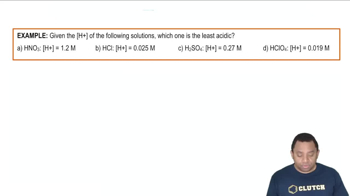
  • Least Acidic Solution Example
    00:48
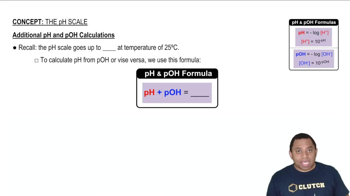
  • Additional pH and pOH Calculations
    00:58

Auto-Ionization

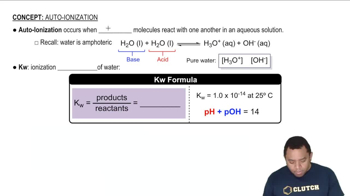
  • Auto-Ionization and Kw
    02:22
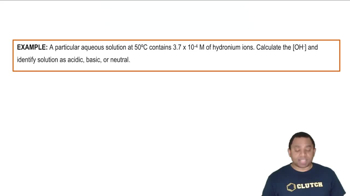
  • Auto-Ionization Example
    01:58
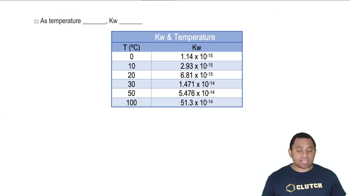
  • Kw Temperature Dependence
    01:24

Molarity

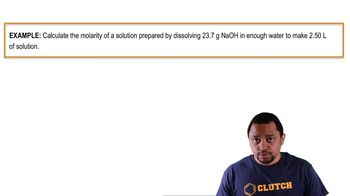
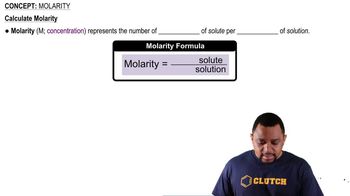
  • Calculate Molarity Example
    01:46
  • Molarity
    01:13
  • Molarity Concept
    00:53

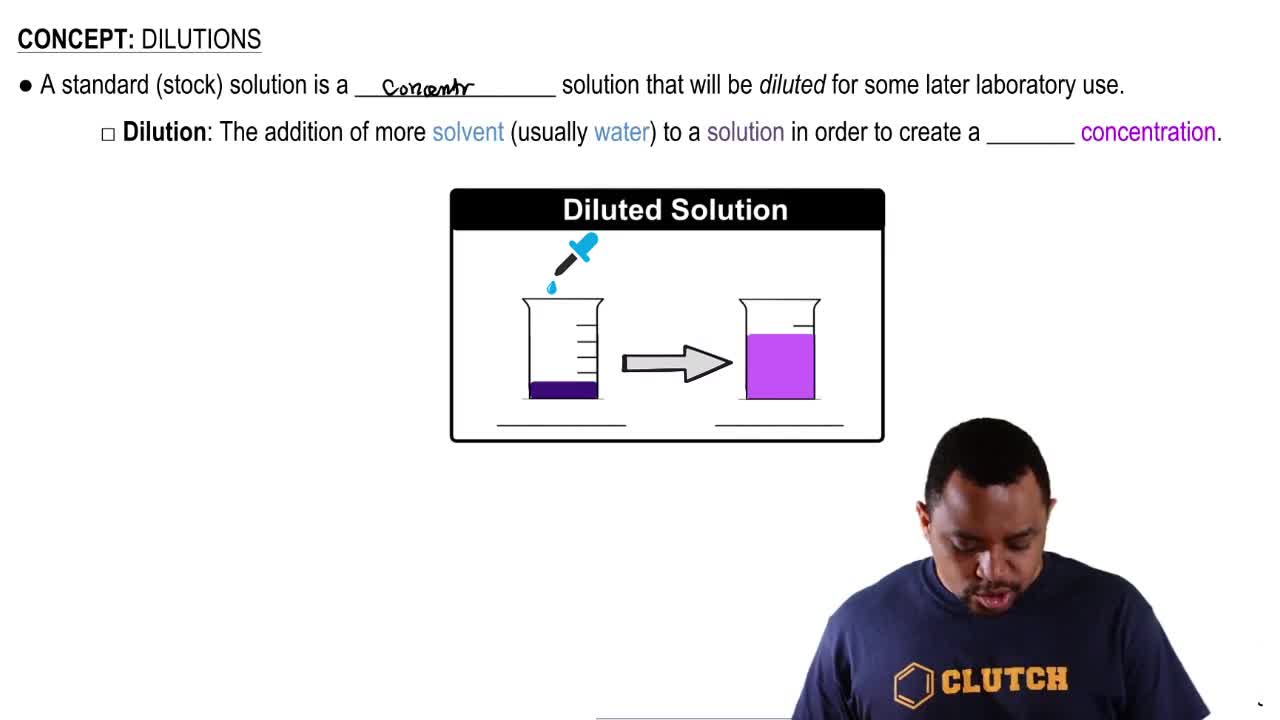
Dilutions

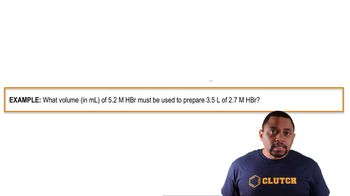
  • Dilution Calculation Example
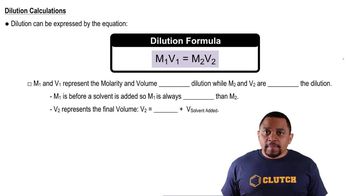
    02:36
  • Dilution Equation
    00:58
  • Solution Dilution Process
    01:03

Solubility Rules

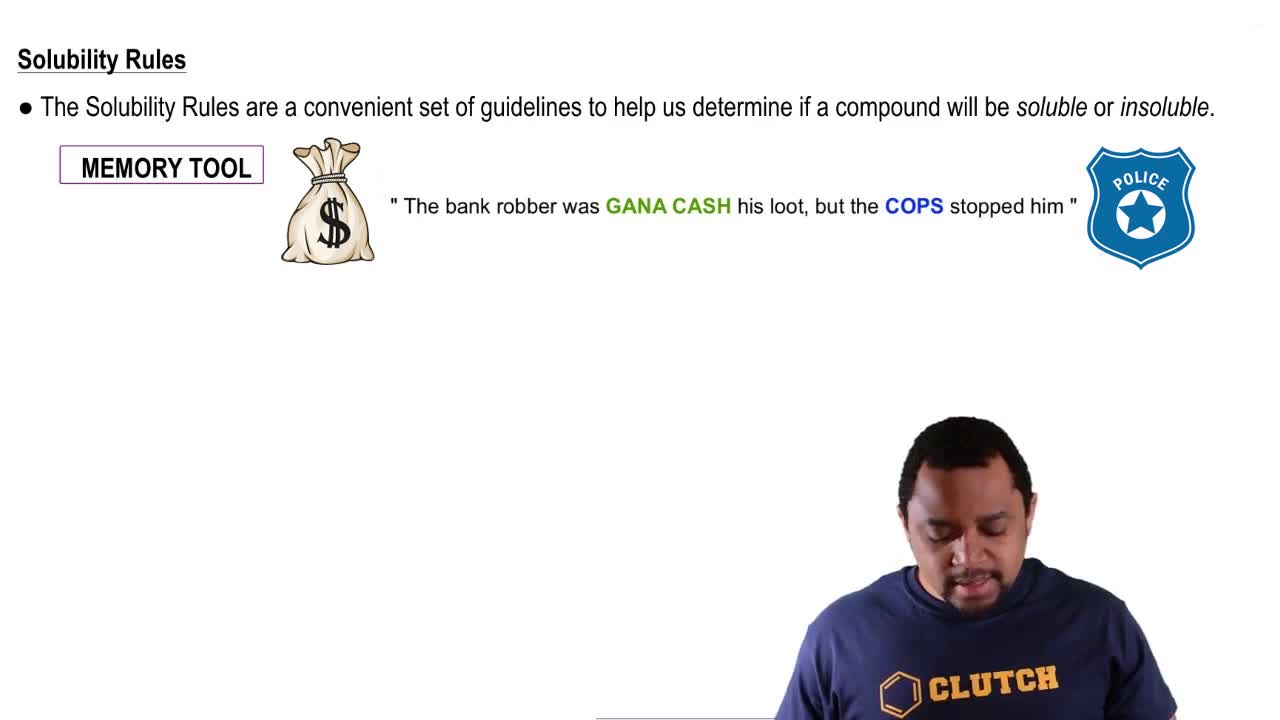
  • Solubility Rules
    00:28
  • Soluble Ionic Solutes Example
    01:32
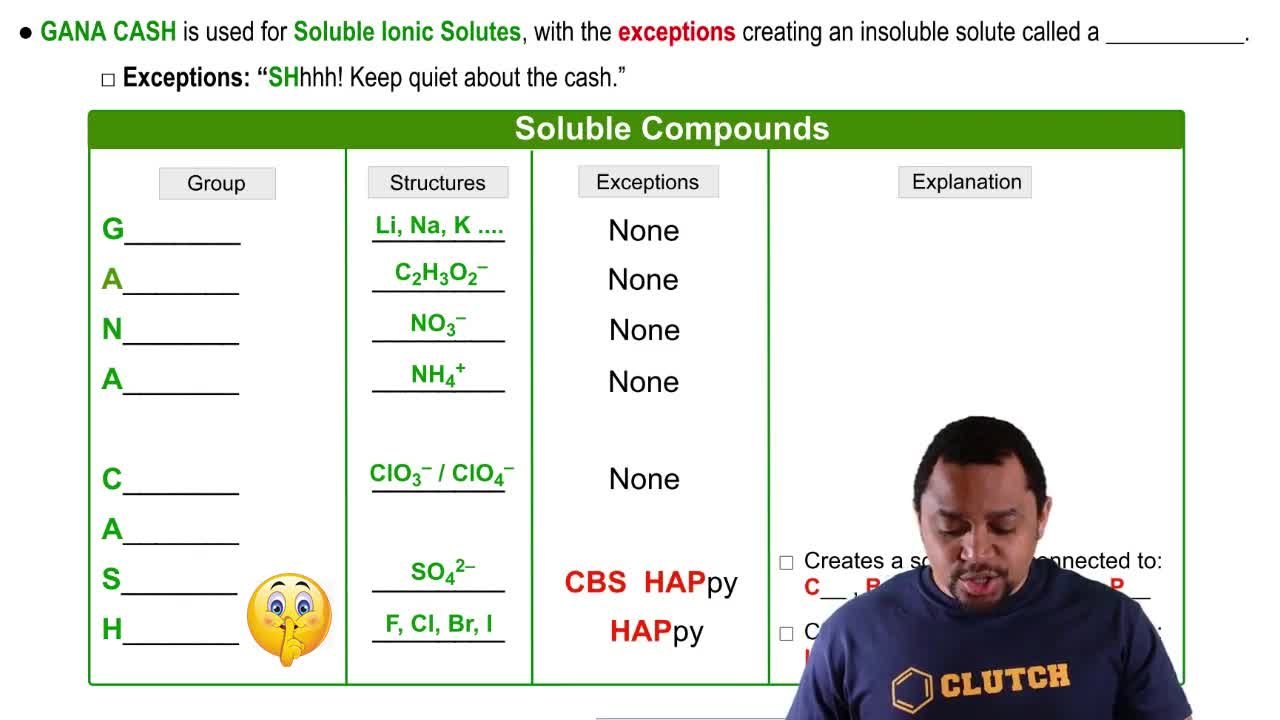
  • Soluble Ionic Solutes
    02:30

Electrolytes

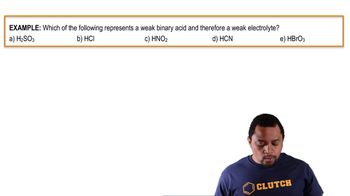
  • Weak Electrolytes and Weak Acids
    00:55
  • Weak Electrolyes and Weak Acids Example
    00:42
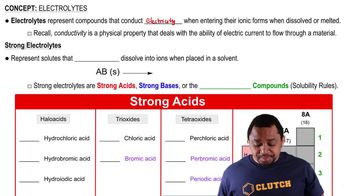
  • Electrolytes and Strong Acids
    02:50

Solutions: Solubility and Intermolecular Forces

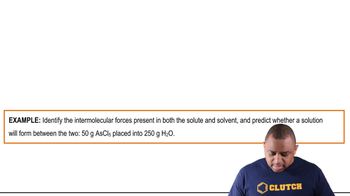
  • Intermolecular Forces Example
    01:52
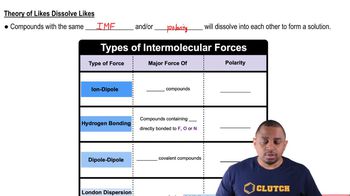
  • Intermolecular Forces in Solutions
    02:42
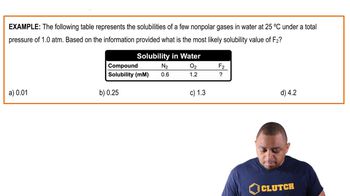
  • Gas Solubility Example
    01:44

Molecular Formula

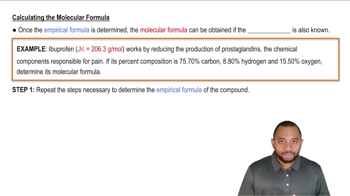
  • Molecular Formula Calculation Example
    6:53
  • Determining Molecular Formulas
    02:08

Empirical Formula

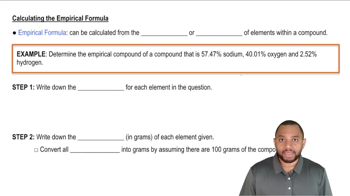
  • Empirical Formula Calculation Example
    5:39
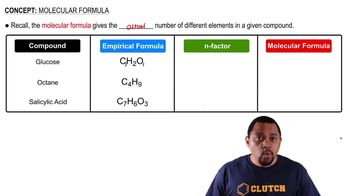
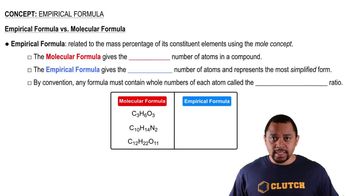
  • Empirical vs Molecular Formula
    02:26

Law of Conservation of Mass

  • Law of Conservation of Mass Example
    01:20
  • Law of Conservation of Mass
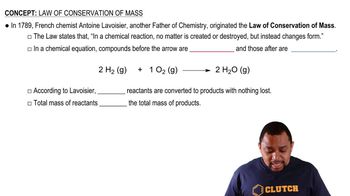
    01:48

Law of Definite Proportions

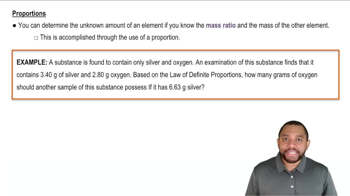
  • Law of Definite Proportions Example
    1:59
  • Law of Definite Proportions Example
    2:23
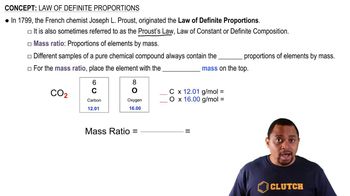
  • Law of Definite Proportions
    02:48

Law of Multiple Proportions

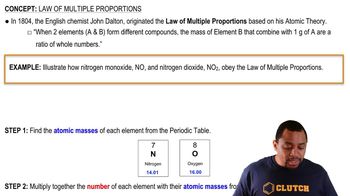
  • Law of Multiple Proportions
    03:32

Intro to Buffers

  • Buffer Solution Example
    02:41
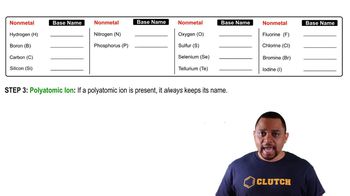
  • Buffer Capacity
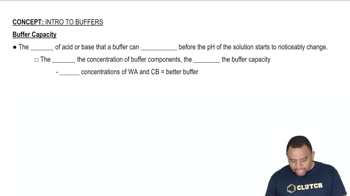
    00:45
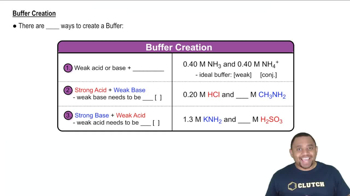
  • Buffer Creation Methods
    03:04

Henderson-Hasselbalch Equation

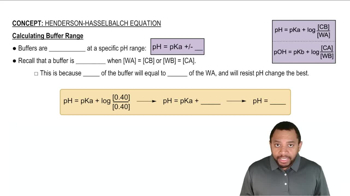
  • Buffer Range Calculation
    02:47
  • Buffering Range Example
    01:22
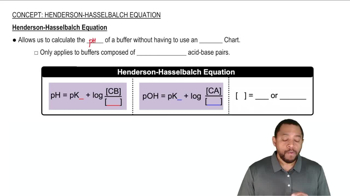
  • Henderson-Hasselbalch Equation
    02:40

Naming Acids

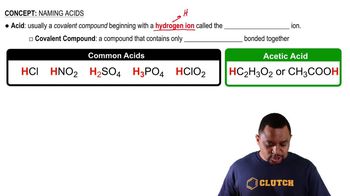
  • Acids and Their Structure
    02:15
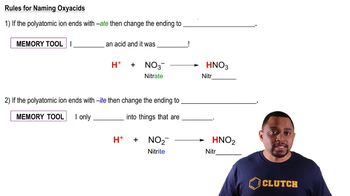
  • Rules for Naming Oxyacids
    02:49
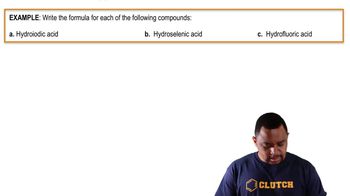
  • Naming Binary Acids Example
    02:21

Naming Ionic Hydrates

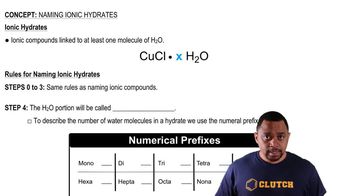
  • Ionic Hydrates Naming
    02:04
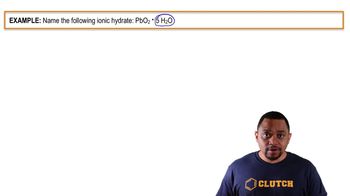
  • Ionic Hydrate Naming Example
    02:07

Naming Ionic Compounds

  • Base Names of Nonmetals
    01:52
  • Naming Ionic Compounds Example
    01:01
  • Ionic Compounds Naming
    02:11

Naming Molecular Compounds

  • Naming Molecular Compounds
    02:06
  • Naming Molecular Compounds Example
    01:21

Intro to Chemical Kinetics

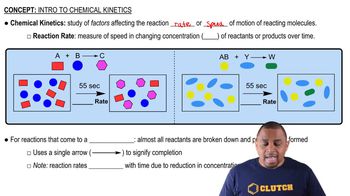
  • Chemical Kinetics
    03:06
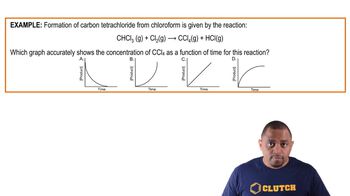
  • Chemical Kinetics Example
    01:34

Reaction Mechanism

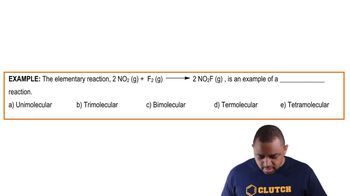
  • Molecularity in Reactions Example
    01:02
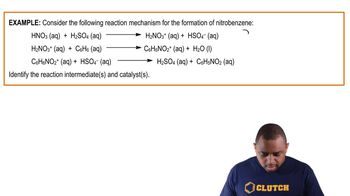
  • Reaction Mechanism Example
    02:14
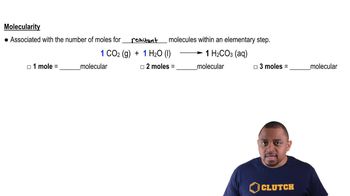
  • Molecularity in Reactions
    01:31

Rate Law

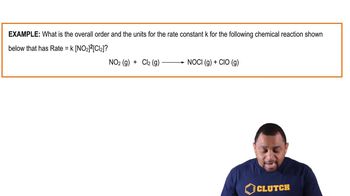
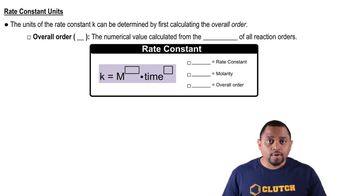
  • Rate Constant Units Example
    01:07
  • Rate Constant Units
    00:45
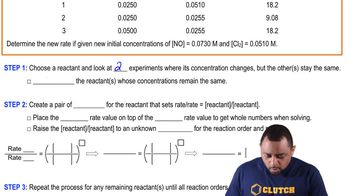
  • Rate Law Calculation Example
    07:33

Arrhenius Equation

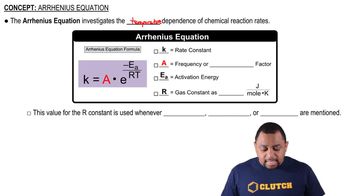
  • Arrhenius Equation
    01:20
  • Linear Form of Arrhenius Equation Example
    01:58
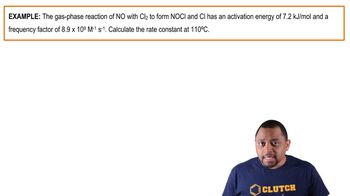
  • Rate Constant Calculation Example
    02:36

Collision Theory

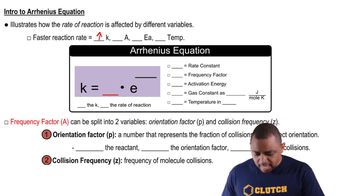
  • Introduction to Arrhenius Equation
    02:22
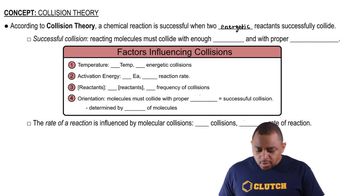
  • Collision Theory
    02:08
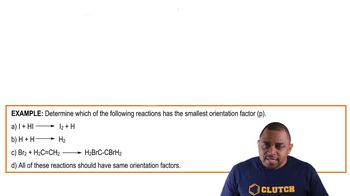
  • Orientation Factor Example
    01:29

Average Rate of Reaction

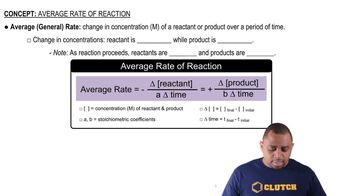
  • Average Rate of Reaction
    02:03
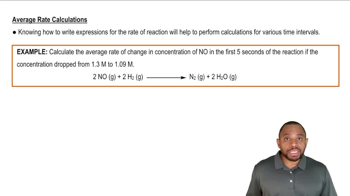
  • Average Rate Calculation Example
    02:42
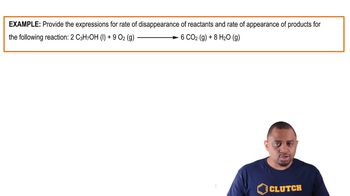
  • Rate Expressions Example
    01:34

Integrated Rate Law

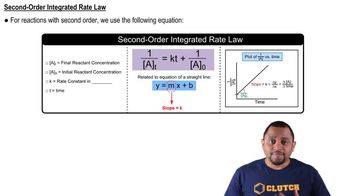
  • Second-Order Reactions
    01:59
  • First-Order Reaction Example
    02:06
  • First-Order Reactions
    02:29

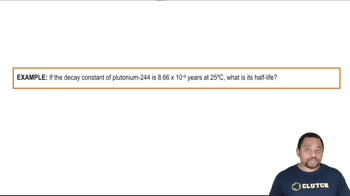
Half-Life

  • First-Order Half-Life Example
    01:18
  • Zero-Order Half-life
    02:17
  • Zero-Order Half-life Example
    01:19

Intro to Chemical Equilibrium

  • Chemical Equilibrium Example
    01:18
  • Chemical Equilibrium Concepts
    04:20

Equilibrium Constant K

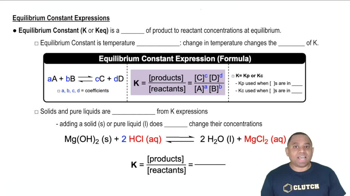
  • Equilibrium Constant K
    01:14
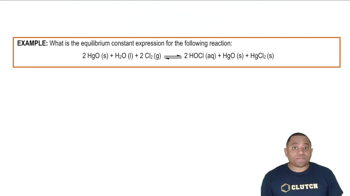
  • Equilibrium Constant Expressions
    03:20
  • Equilibrium Constant Expressions Example
    01:07

Le Chatelier's Principle

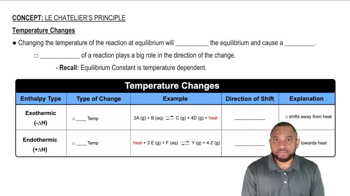
  • Temperature and Equilibrium Shifts
    04:04
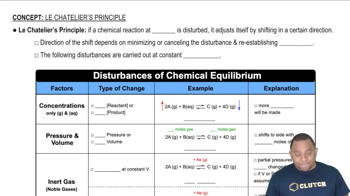
  • Le Chatelier's Principle
    07:32
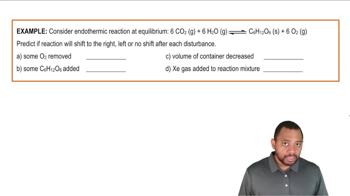
  • Disturbances and Equilibrium Shifts Example
    02:50

ICE Charts

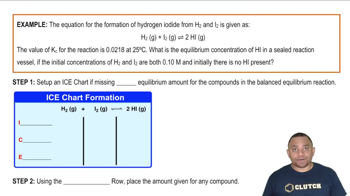
  • Calculate Equilibrium Amount with ICE Chart Example
    08:03
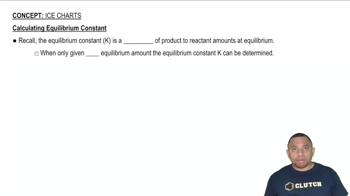
  • ICE Charts and Equilibrium Constant
    00:39
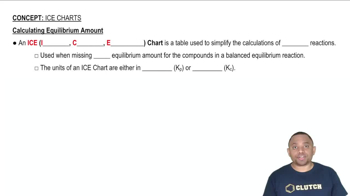
  • ICE Charts and Equilibrium Amount
    01:14

Reaction Quotient

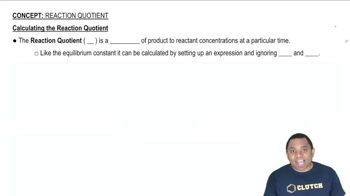
  • Reaction Quotient Q
    00:49
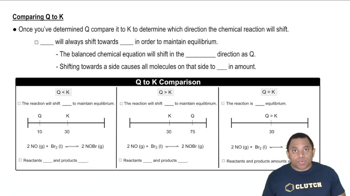
  • Comparing Q to K and Equilibrium Shift
    03:26
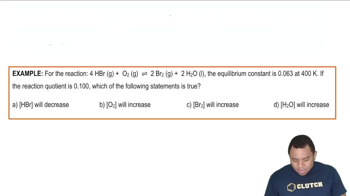
  • Comparing Q to K Example
    02:18

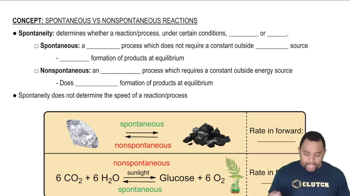
Spontaneous vs Nonspontaneous Reactions

  • Spontaneity of Processes Example
    03:05
  • Spontaneity of Processes
    04:20

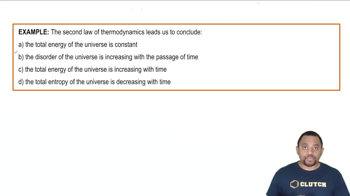
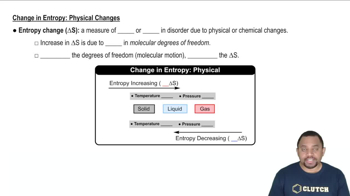
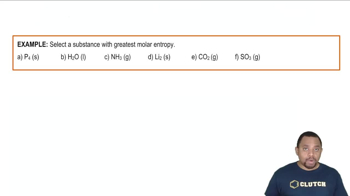
Entropy

  • Second Law of Thermodynamics Example
    00:48
  • Entropy and Physical Changes
    02:35
  • Standard Molar Entropy Example
    01:17

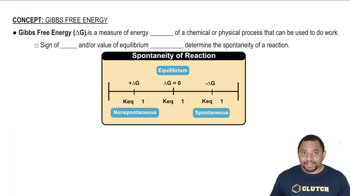
Gibbs Free Energy

  • Spontaneity of Reactions
    03:38
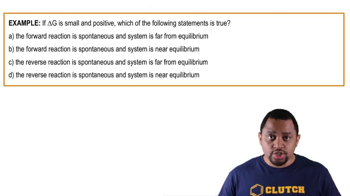
  • ΔG and Spontaneity Example
    01:23
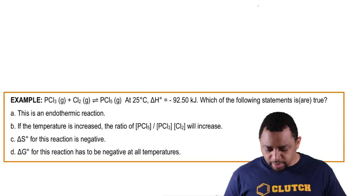
  • Spontaneity and Temperature Example
    02:42

Gibbs Free Energy Calculations

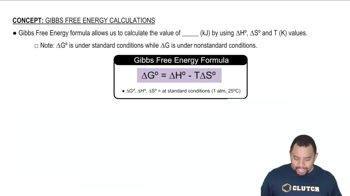
  • The Gibbs Free Energy Formula
    00:44
  • Standard Gibbs Free Energy and Temperature
    00:32
  • The Gibbs Free Energy Formula Example
    01:29

Gibbs Free Energy And Equilibrium

  • ∆G° and K Example
    01:13
  • ∆G° and K
    01:19
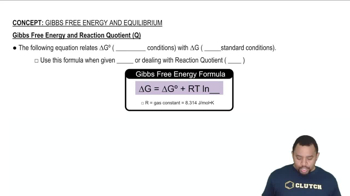
  • ∆G, ∆G° and Q
    01:03

Standard Reduction Potentials

  • Comparing Standard Reduction Potentials
    03:13
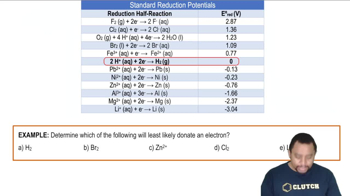
  • Standard Reduction Potentials Example
    01:51
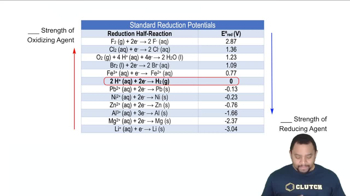
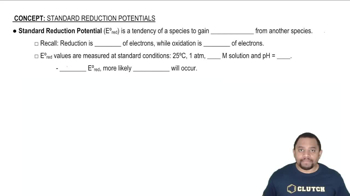
  • Standard Reduction Potentials
    01:10

Intro to Electrochemical Cells

  • Electrochemical Cells Example
    01:01
  • Cell Potential and Spontaneity
    02:32
  • Electrochemical Cells
    02:46

Galvanic Cell

  • Galvanic Cell Components
    03:55
  • Galvanic Cell and Spontaneity
    03:04
  • Galvanic Cell Components Example
    02:22

Electrolytic Cell

  • Electrolytic Cell Example
    00:45
  • The Electrolytic Cell
    01:21
  • Electrolytic Cells and Spontaneity Example
    01:24

Cell Potential: Standard

  • Standard Cell Potential
    01:27
  • Standard Cell Potential and Spontaneity
    01:46
  • Standard Cell Potential Example
    01:34

Cell Potential: The Nernst Equation

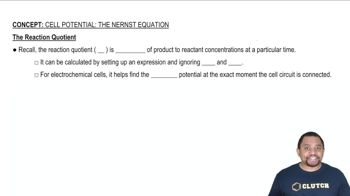
  • The Reaction Quotient
    01:01
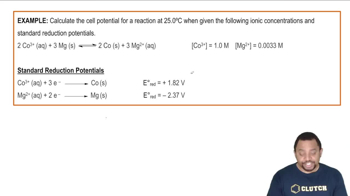
  • The Nernst Equation Example
    04:38
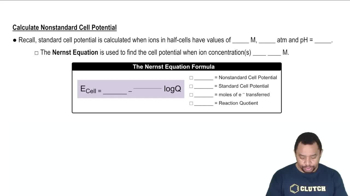
  • The Nernst Equation
    01:17

Cell Potential and Gibbs Free Energy

  • Faraday's Constant in Electrochemistry Example
    02:11
  • Cell Potential and Gibbs Free Energy Example
    03:18
  • Faraday's Constant in Electrochemistry
    01:40

Cell Potential and Equilibrium

  • Cell Potential and Equilibrium
    02:38
  • Cell Potential and Equilibrium Example
    02:17

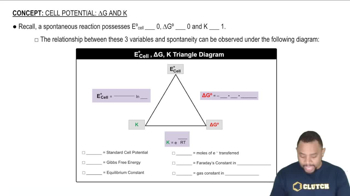
Cell Potential: G and K

  • Relationship between ∆E°, ∆G°, and K
    02:43
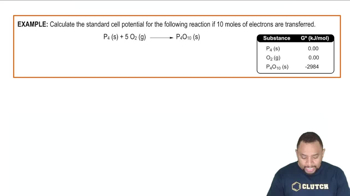
  • Relationship between ∆E°, ∆G°, and K Example
    02:57

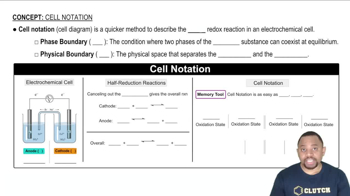
Cell Notation

  • Cell Notation
    06:23
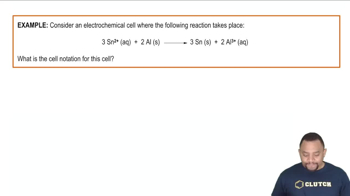
  • Cell Notation Example
    01:49

Electroplating

  • Electrochemical Stoichiometric Chart (Mass) Example
    02:26
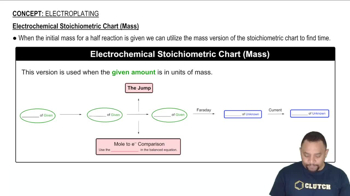
  • Electrochemical Stoichiometric Chart (Mass)
    01:16
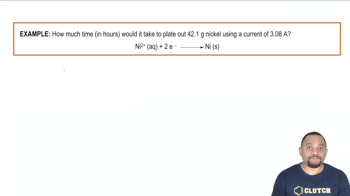
  • Electroplating Example
    01:16

Intro to Radioactivity

  • Nuclear Reaction Example
    00:45
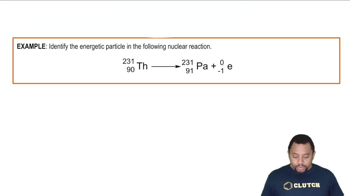
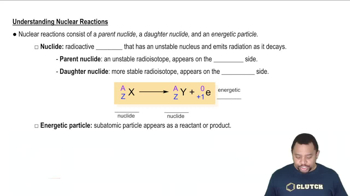
  • Understanding Nuclear Reactions
    01:44
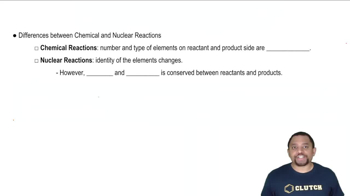
  • Nuclear vs Chemical Reactions
    01:08

Alpha Decay

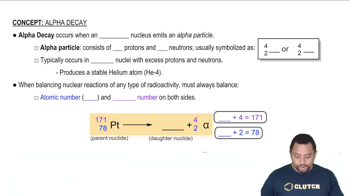
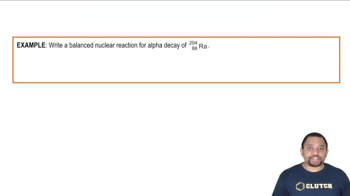
  • Alpha Decay
    03:53
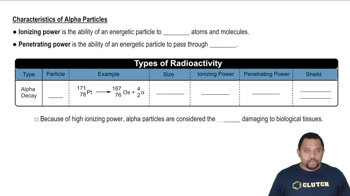
  • Characteristics of Alpha Particles
    02:48
  • Alpha Decay Reaction Example
    01:22

Beta Decay

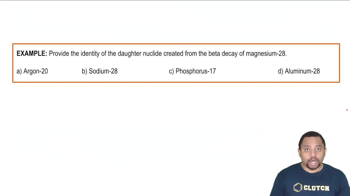
  • Beta Decay Reaction Example
    01:21
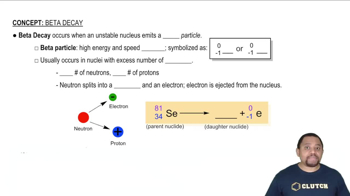
  • Beta Decay
    03:01
  • Characteristics of Beta Particles Example
    01:02

Gamma Emission

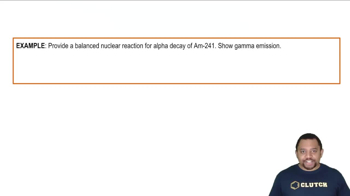
  • Gamma Emission Reaction Example
    02:16
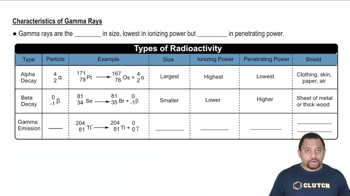
  • Characteristics of Gamma Rays
    01:35
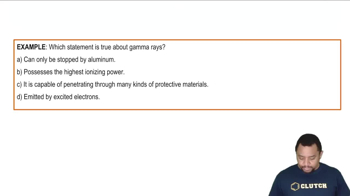
  • Characteristics of Gamma Rays Example
    01:21

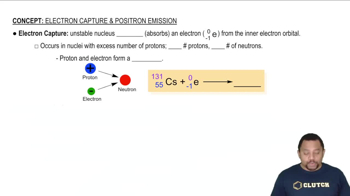
Electron Capture & Positron Emission

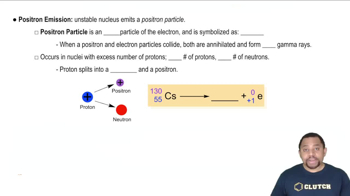
  • Positron Emission
    01:53
  • Electron Capture
    01:26
  • Electron Capture & Positron Emission Reaction Example
    03:29

Neutron to Proton Ratio

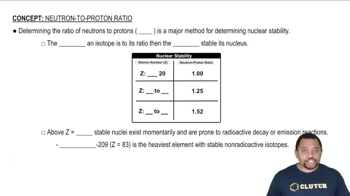
  • Neutron-Proton Ratio
    02:14
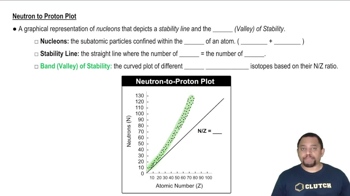
  • Neutron-to-Proton Plot
    01:38
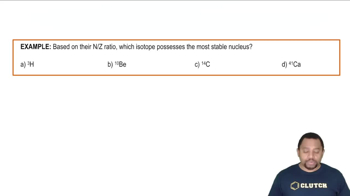
  • Stable Nucleus Example
    01:40

Band of Stability: Alpha Decay & Nuclear Fission

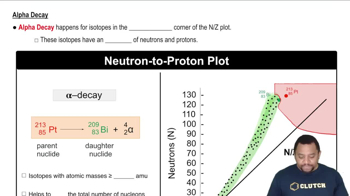
  • Band of Stability: Alpha Decay
    01:46
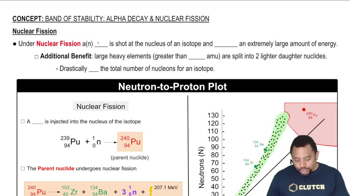
  • Band of Stability: Nuclear Fission
    03:29
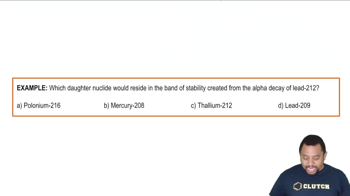
  • Band of Stability: Alpha Decay Example
    01:16

Band of Stability: Beta Decay

  • Band of Stability: Beta Decay Example
    01:11
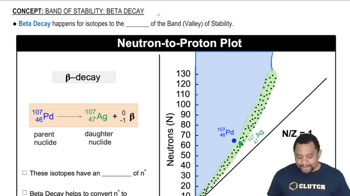
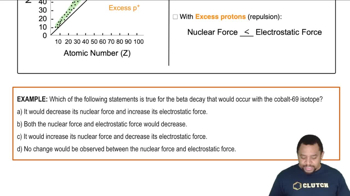
  • Band of Stability: Beta Decay
    01:13

Band of Stability: Electron Capture & Positron Emission

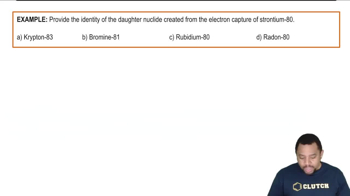
  • Band of Stability: Electron Capture Example
    00:48
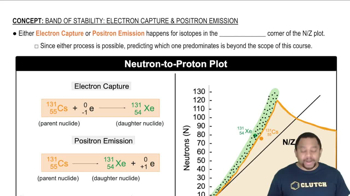
  • Band of Stability: Electron Capture
    02:04

Band of Stability: Overview

  • Band of Stability: Overview Example
    02:10
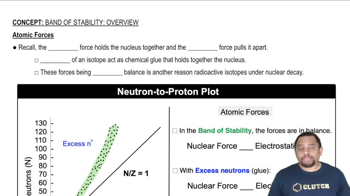
  • Band of Stability: Atomic Forces
    02:32
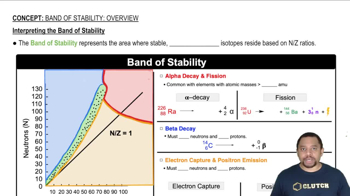
  • Intepreting the Band of Stability
    03:13

Measuring Radioactivity

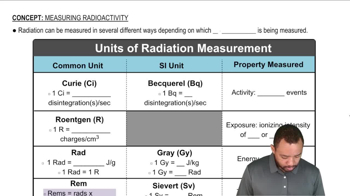
  • Units of Radiation Measurement
    02:52
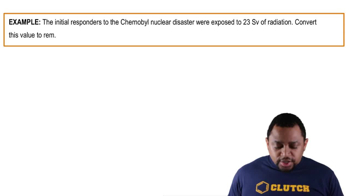
  • Radiation Measurement Units Conversion Example
    00:33

Rate of Radioactive Decay

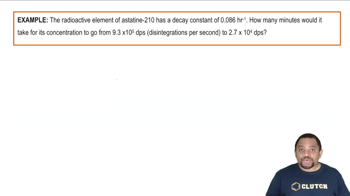
  • Rate of Radioactive Decay Example
    02:25
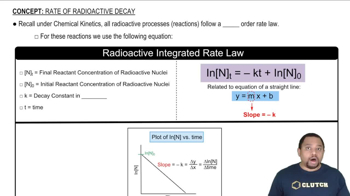
  • Rate of Radioactive Decay
    03:00

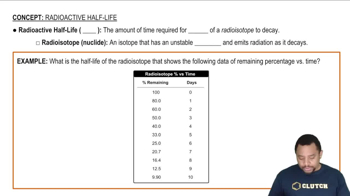
Radioactive Half-Life

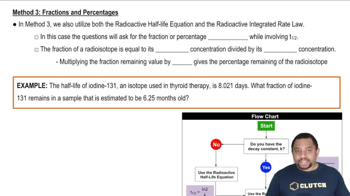
  • Method 3 of Radioactive Half-Life Example
    04:26
  • Intro to Radioactive Half-Life
    01:30
  • Method 1 of Radioactive Half-Life Example
    00:55

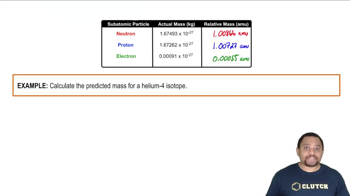
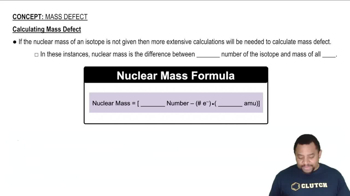
Mass Defect

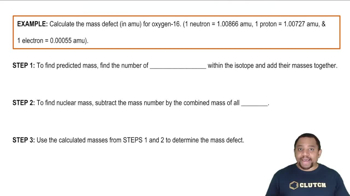
  • Mass Defect Example
    01:35
  • Calculating Mass Defect
    00:55
  • Calculating Mass Defect Example
    03:08

Nuclear Binding Energy

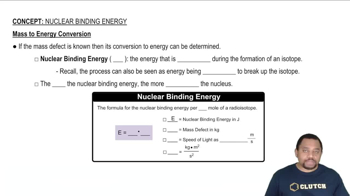
  • Nuclear Binding Energy
    02:06
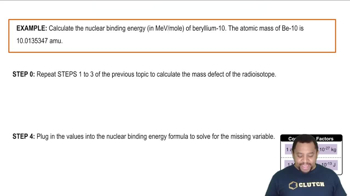
  • Nuclear Binding Energy Example
    03:50

Introduction to Organic Chemistry

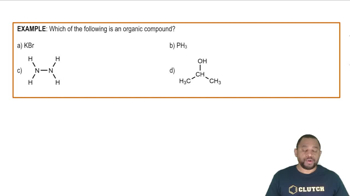
  • Introduction to Organic Chemistry Example
    01:29
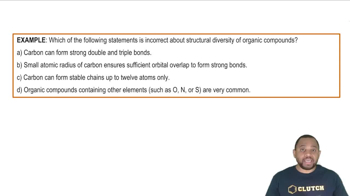
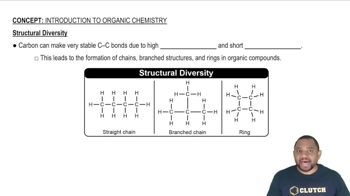
  • Structural Diversity
    01:30
  • Introduction to Organic Chemistry Example
    00:42

Functional Groups in Chemistry

  • Functional Groups Example
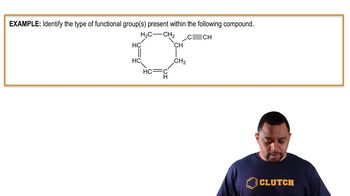
    01:10
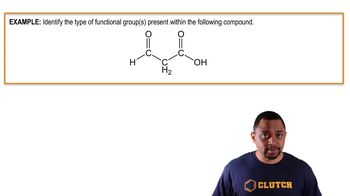
  • Functional Groups Example
    01:00
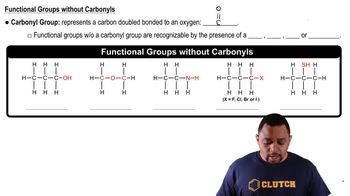
  • Non-Carbonyl Functional Groups
    02:23

Naming Alkanes

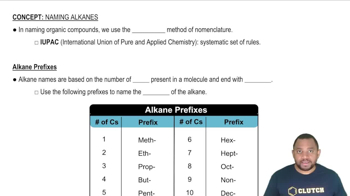
  • Rules for Naming Alkanes
    02:39
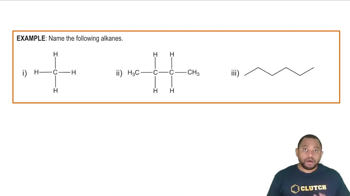
  • Naming Alkanes Example
    01:20

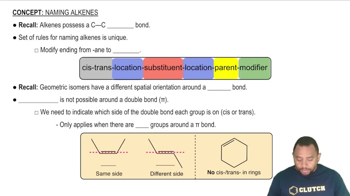
Naming Alkenes

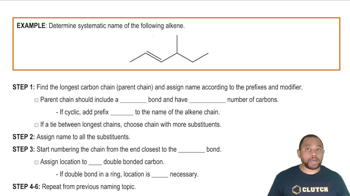
  • Naming Alkenes Example
    03:26
  • Rules for Naming Alkenes
    02:47

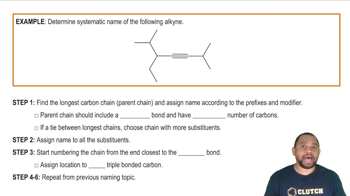
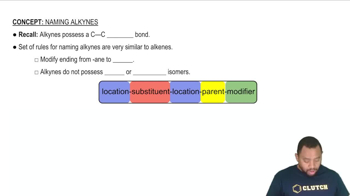
Naming Alkynes

  • Naming Alkynes Example
    04:11
  • Rules for Naming Alkynes
    00:53

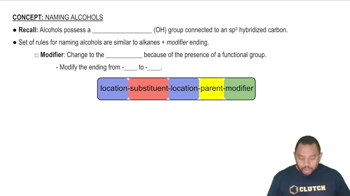
Naming Alcohols

  • Rules for Naming Alcohols
    01:10
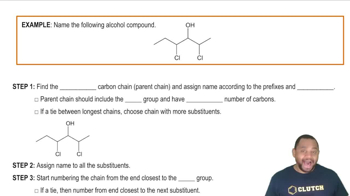
  • Naming Alcohols Example
    03:21

Naming Ketones

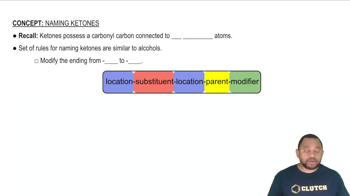
  • Rules for Naming Ketones
    00:39
  • Naming Ketones Example
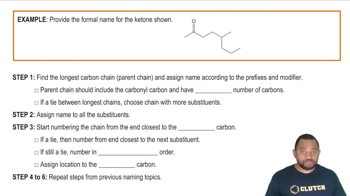
    02:24

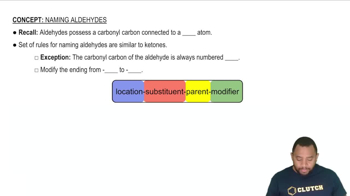
Naming Aldehydes

  • Naming Aldehydes Example
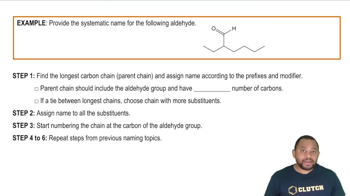
    02:13
  • Rules for Naming Aldehydes
    00:54

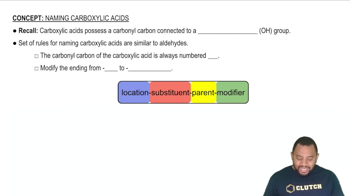
Naming Carboxylic Acids

  • Rules for Naming Carboxylic Acids
    00:55
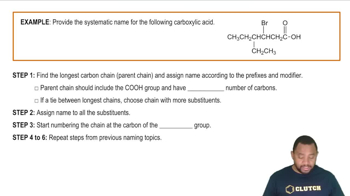
  • Naming Carboxylic Acids Example
    02:26

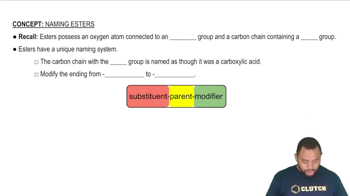
Naming Esters

  • Rules for Naming Esters
    00:59
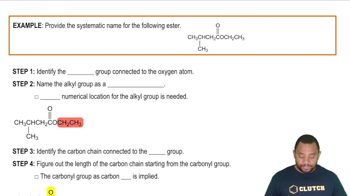
  • Naming Esters Example
    03:34

Naming Ethers

  • Rules for Naming Ethers
    00:34
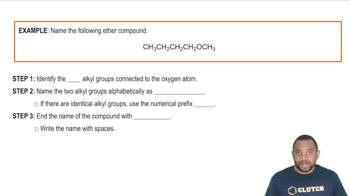
  • Naming Ethers Example
    01:15

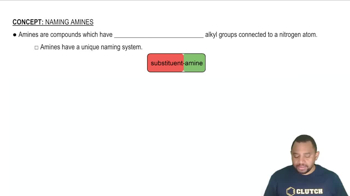
Naming Amines

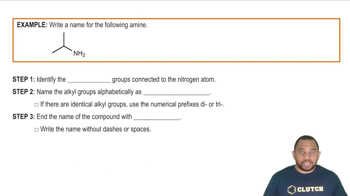
  • Naming Amines Example
    01:06
  • Rules for Naming Amines
    00:28

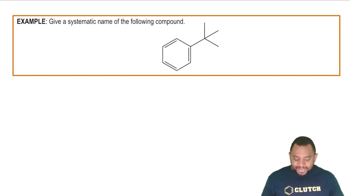
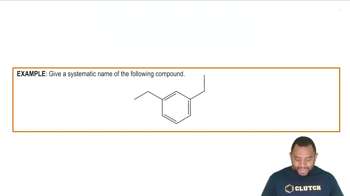
Naming Benzene

  • Naming Benzene Example
    00:48
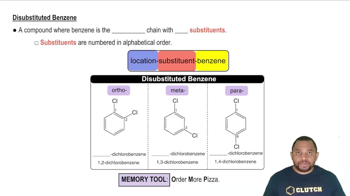
  • Disubstituted Benzene
    02:16
  • Naming Benzene Example
    01:08

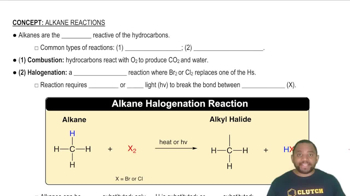
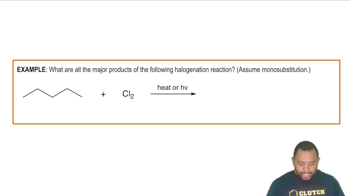
Alkane Reactions

  • Common Types of Alkane Reactions
    02:25
  • Alkane Reactions Example
    02:15

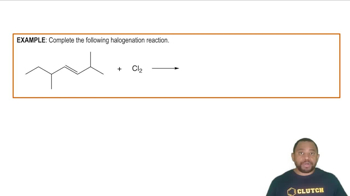
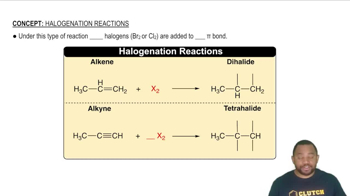
Halogenation Reactions

  • Halogenation Reactions Example
    00:47
  • Halogenation Reactions
    01:11

Hydrogenation Reactions

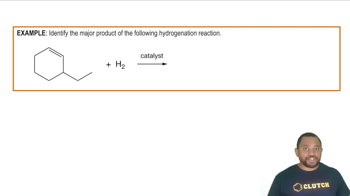
  • Hydrogenation Reactions Example
    00:49
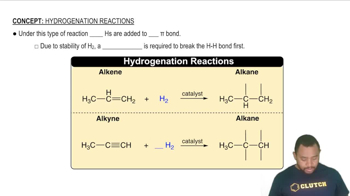
  • Hydrogenation Reactions
    01:22

Hydrohalogenation Reactions

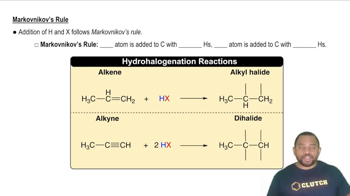
  • Markovnikov’s Rule
    01:37
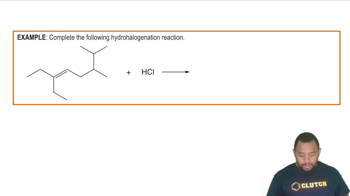
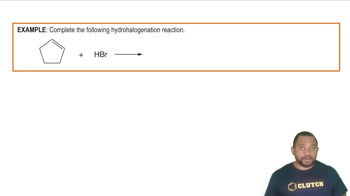
  • Hydrohalogenation Reactions Example
    01:07
  • Hydrohalogenation Reactions Example
    00:36

Alcohol Reactions: Substitution Reactions

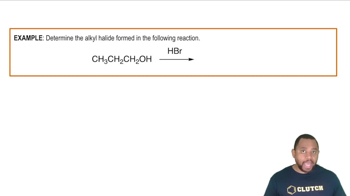
  • Alcohol Reactions Substitution Reactions Example
    00:41
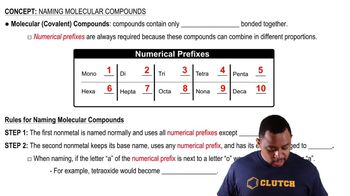
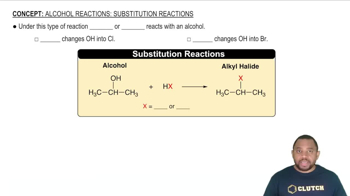
  • Alcohol Reactions: Substitution Reactions
    01:08

Alcohol Reactions: Dehydration Reactions

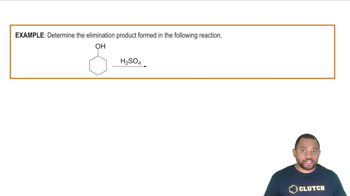
  • Alcohol Reactions Dehydration Reactions Example
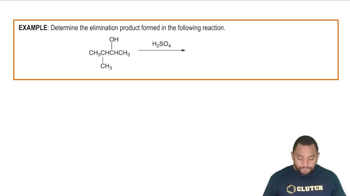
    01:12
  • Alcohol Reactions Dehydration Reactions Example
    01:13
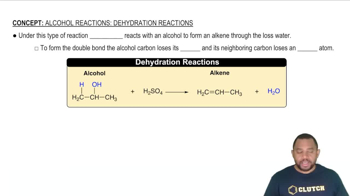
  • Alcohol Reactions: Dehydration Reactions
    01:30

Alcohol Reactions: Oxidation Reactions

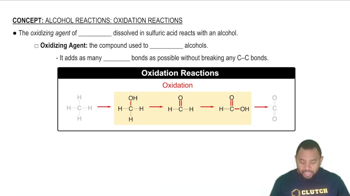
  • Alcohol Reactions: Oxidation Reactions
    01:49
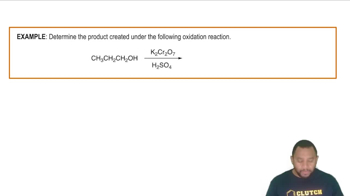
  • Alcohol Reactions Oxidation Reactions Example
    01:32

Aldehydes and Ketones Reactions

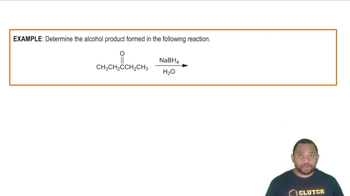
  • Aldehyde and Ketone Reactions Example
    00:50
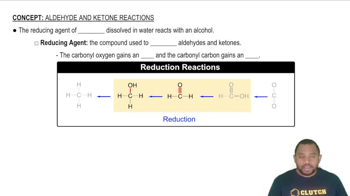
  • Aldehyde and Ketone Reactions
    01:50

Ester Reactions: Esterification

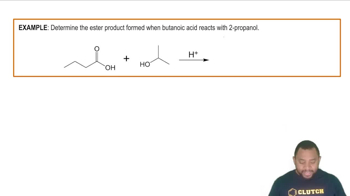
  • Ester Reactions Esterification Example
    00:46
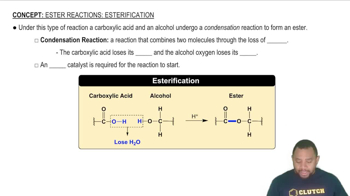
  • Ester Reactions: Esterification
    01:50

Ester Reactions: Saponification

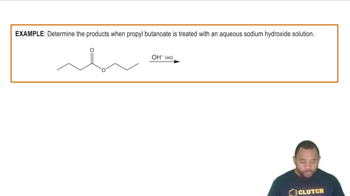
  • Ester Reactions Saponification Example
    00:41
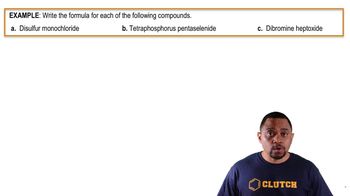
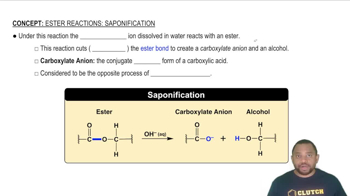
  • Ester Reactions: Saponification
    01:25

Carboxylic Acid Reactions

  • Carboxylic Acid Reactions Example
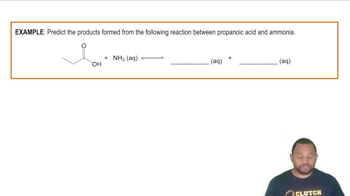
    01:09
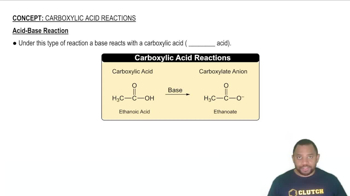
  • Acid-Base Reaction
    01:09

Amine Reactions

  • Amine Reactions Example
    01:05
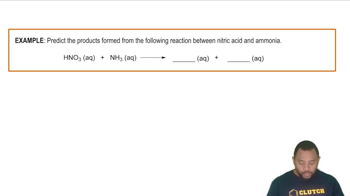
  • Acid-Base Reaction
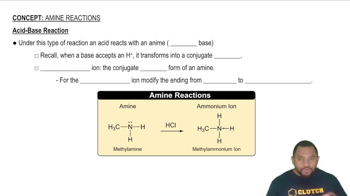
    01:32

Amide Formation

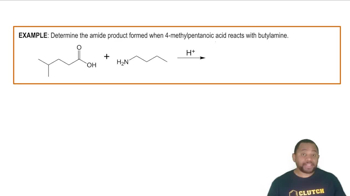
  • Amide Formation Example
    00:48
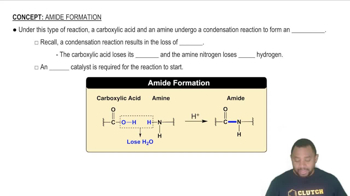
  • Amide Formation
    01:41
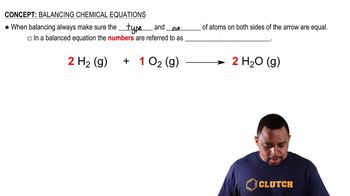
Benzene Reactions

  • Benzene Reactions Example
    00:46
  • Benzene Reactions Example
    00:35
  • Halogenation Reactions
    01:22