Back

General Chemistry Study Notes: Reactions in Aqueous Solution, Periodicity, and Ionic Bonding

Study Guide - Learn with Videos

Curated lessons matched to your uploaded material – learn every topic step by step.

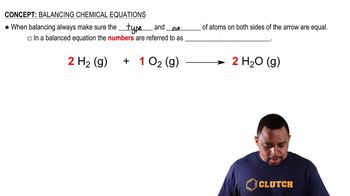
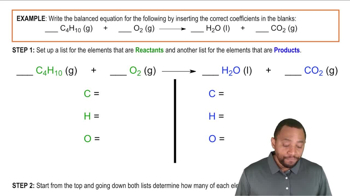
Balancing Chemical Equations

  • Balancing Chemical Equations
    01:32
  • Balancing Chemical Equations Example
    03:50

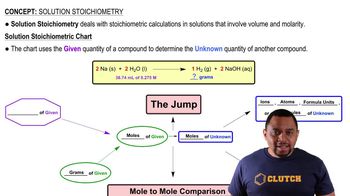
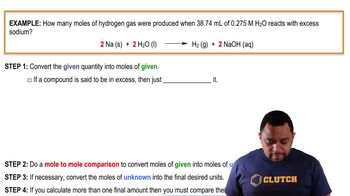
Solution Stoichiometry

  • Solution Stoichiometry
    03:10
  • Solution Stoichiometry Example
    03:11

Molarity

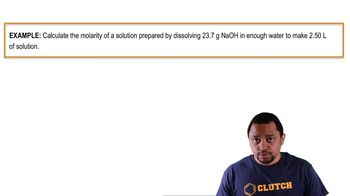
  • Calculate Molarity Example
    01:46
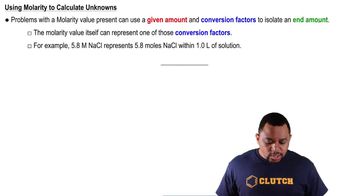
  • Molarity
    01:13
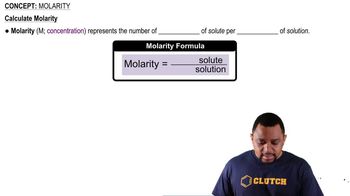
  • Molarity Concept
    00:53

Dilutions

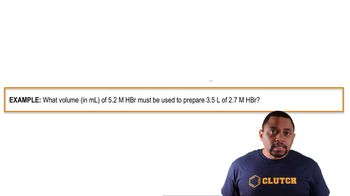
  • Dilution Calculation Example
    02:36
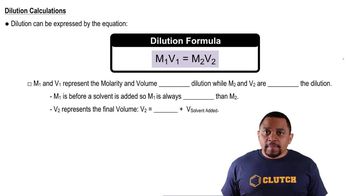
  • Dilution Equation
    00:58
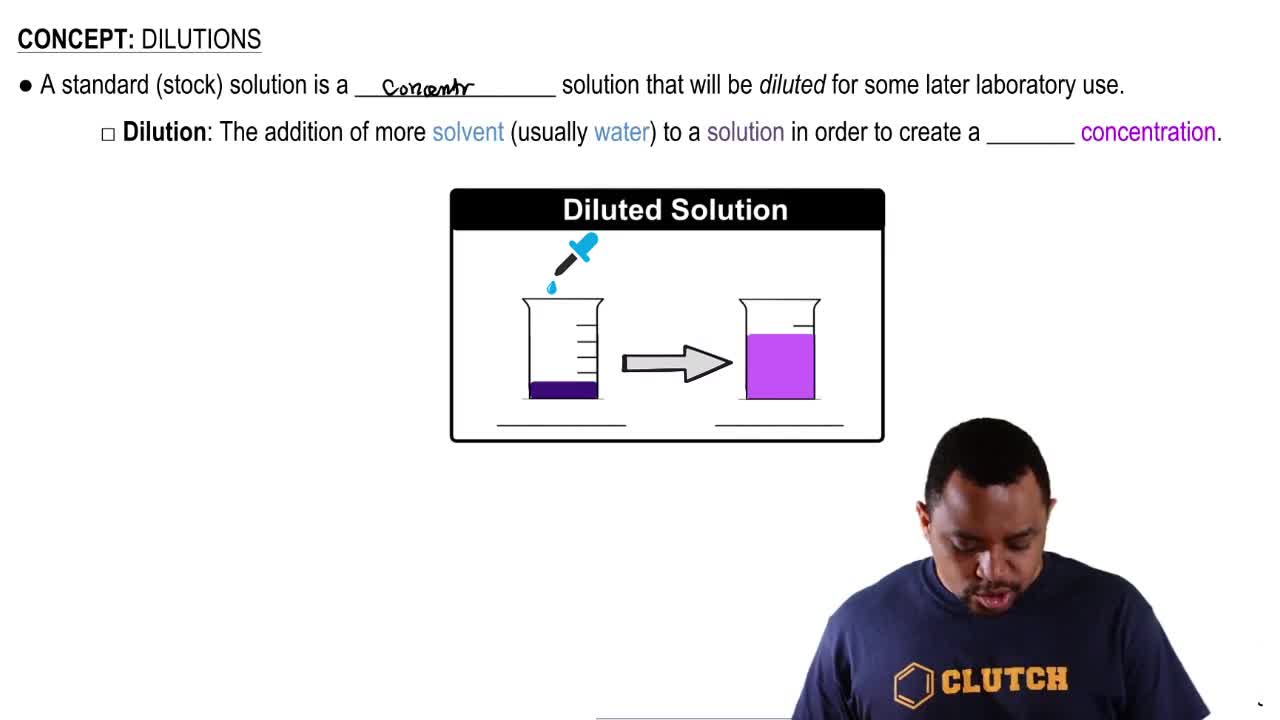
  • Solution Dilution Process
    01:03

Titrations: Strong Acid-Strong Base

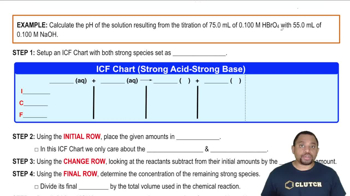
  • Strong Acid-Strong Base Titration Example
    04:43
  • Strong Acid-Strong Base Titration
    01:09

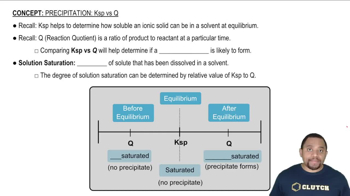
Precipitation: Ksp vs Q

  • Ksp vs Q in Precipitation
    03:05
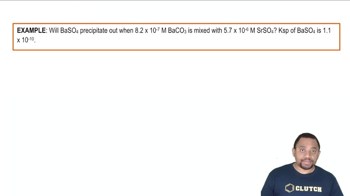
  • Precipitation: Ksp vs Q Example
    03:12

Complete Ionic Equations

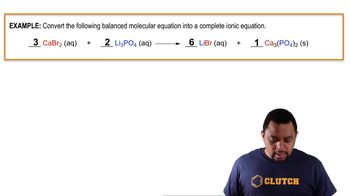
  • Complete Ionic Equation Example
    02:16
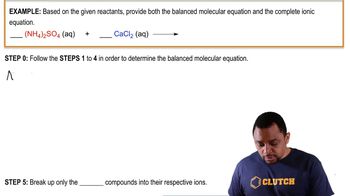
  • Molecular and Complete Ionic Equations Example
    04:41
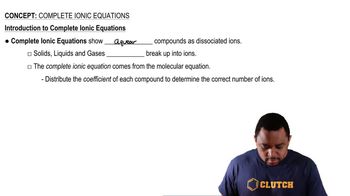
  • Complete Ionic Equations
    00:47

Calculate Oxidation Numbers

  • Calculate Oxidation Numbers Example
    01:22
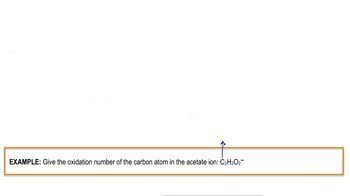
  • Oxidation Numbers in Ions Example
    01:38
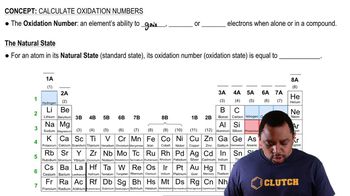
  • Oxidation Numbers
    02:42

Redox Reactions

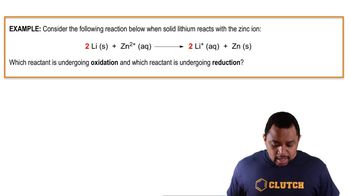
  • Oxidation and Reduction Reaction Example
    02:17
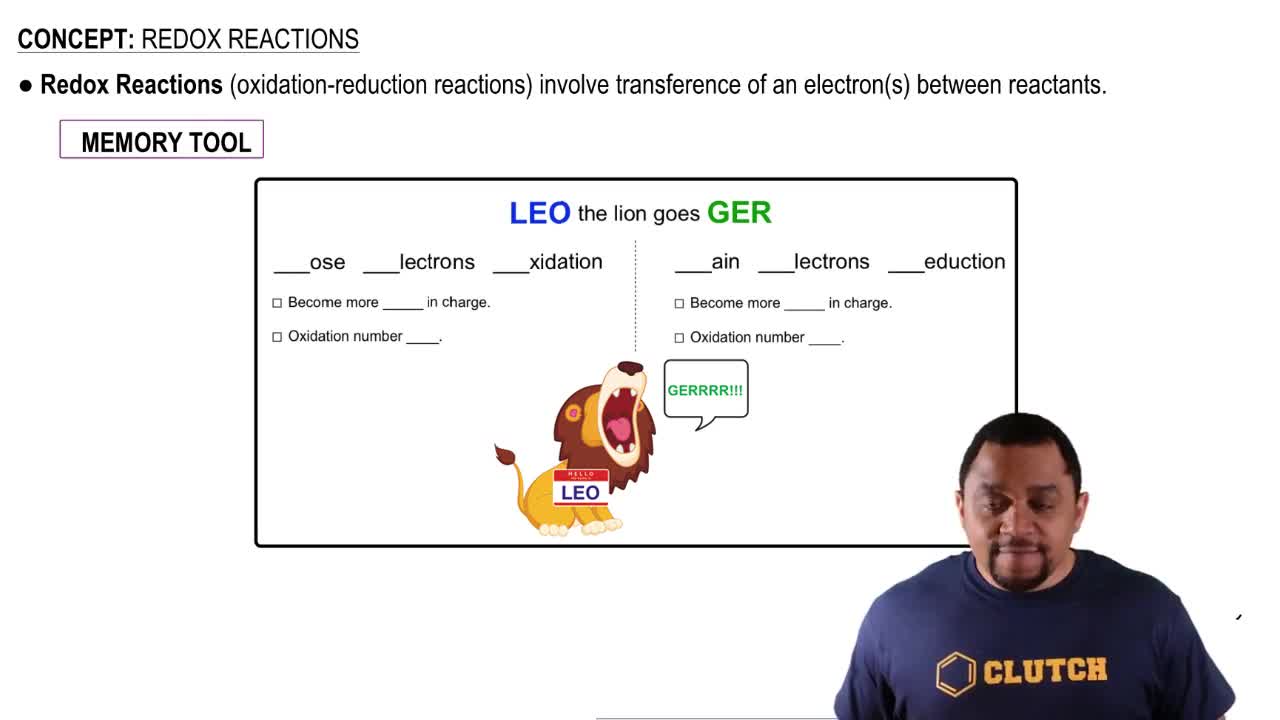
  • Oxidation and Reduction Reactions
    01:53
  • Oxidizing and Reducing Agents
    01:01

Periodic Trend: Atomic Radius

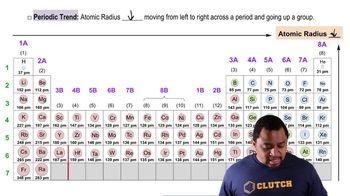
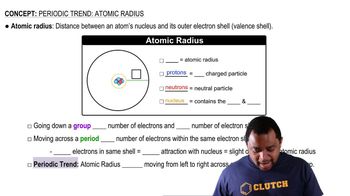
  • Atomic Radius Trends
    01:42
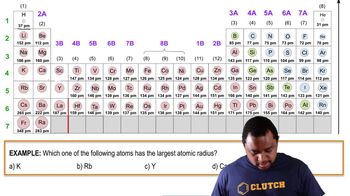
  • Atomic Radius Example
    00:56
  • Atomic Radius
    02:02

Periodic Trend: Effective Nuclear Charge

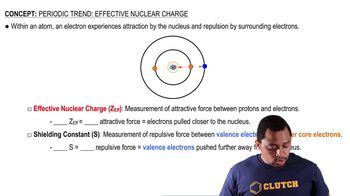
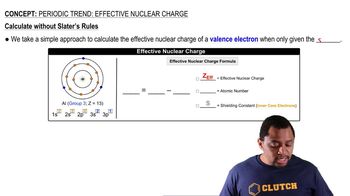
  • Effective Nuclear Charge
    01:51
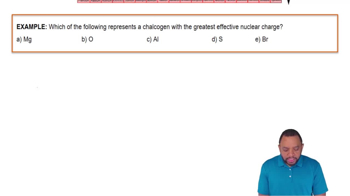
  • Effective Nuclear Charge Example
    00:44
  • Effective Nuclear Charge Calculation
    00:59

Periodic Trend: Ionic Radius

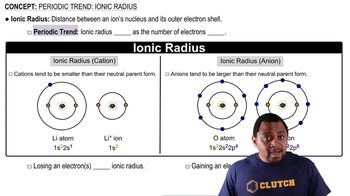
  • Ionic Radius
    02:47
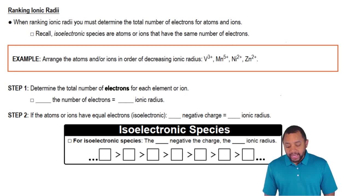
  • Ranking Ionic Radii
    03:56
  • Ionic Radius Example
    01:32
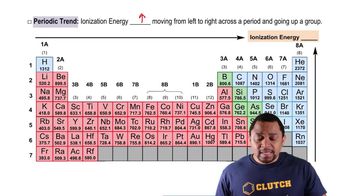
Periodic Trend: Ionization Energy

  • Ionization Energy Trends
    01:08
  • Group 6A vs. Group 5A Elements
    01:32
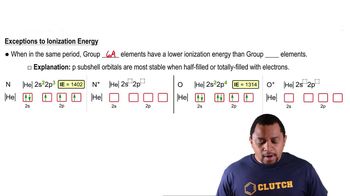
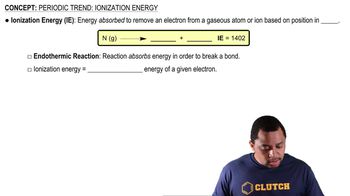
  • Ionization Energy
    01:19

Periodic Trend: Electron Affinity

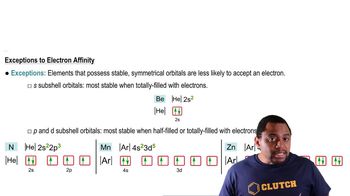
  • Electron Affinity Exceptions
    01:24
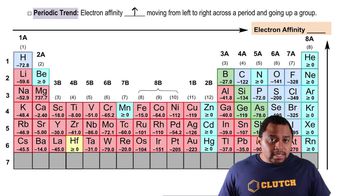
  • Electron Affinity Trends
    01:42
  • Electron Affinity Example
    00:54

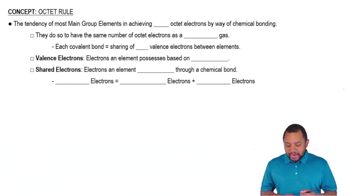
Octet Rule

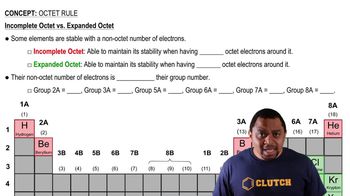
  • Octet Rule
    02:38
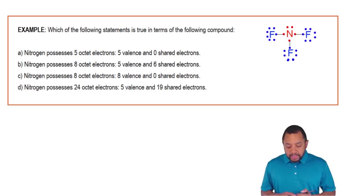
  • Octet Rule Example 1
    01:42
  • Octet Rule
    01:36

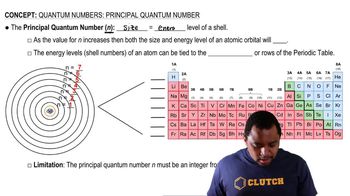
Quantum Numbers: Principal Quantum Number

  • Principal Quantum Number
    02:55
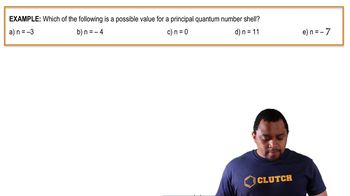
  • Principal Quantum Number Example
    00:56

Quantum Numbers: Angular Momentum Quantum Number

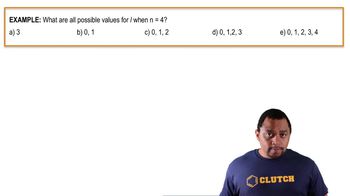
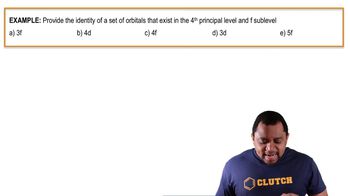
  • Angular Momentum Quantum Number Example
    00:46
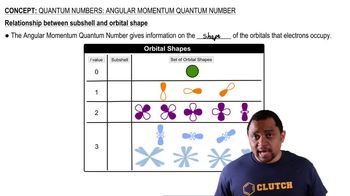
  • Angular Momentum Quantum Number and Orbital Shape
    01:41
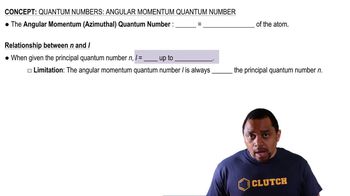
  • Angular Momentum Quantum Number
    00:40

Quantum Numbers: Magnetic Quantum Number

  • Quantum Numbers and Orbitals Example
    00:31
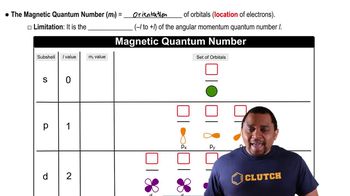
  • Magnetic Quantum Number
    03:06
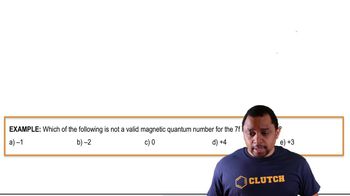
  • Magnetic Quantum Example
    00:59

Quantum Numbers: Spin Quantum Number

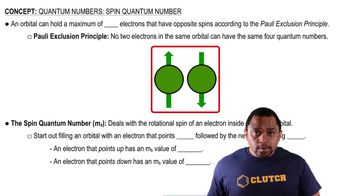
  • Spin Quantum Number
    01:18
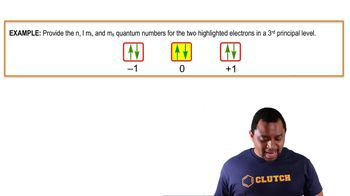
  • Spin Quantum Numbers Example
    01:10

The Electron Configuration

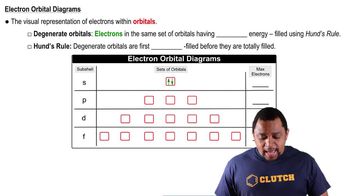
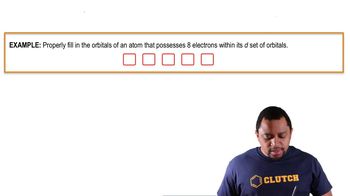
  • Electron Orbital Diagrams
    02:15
  • Electron Orbital Diagrams Example
    00:50
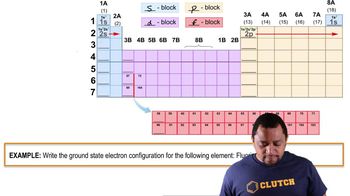
  • Electron Configuration Example
    01:33

The Electron Configuration: Condensed

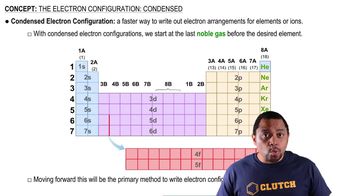
  • Condensed Electron Configuration
    01:08
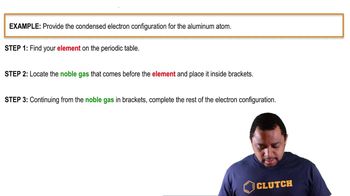
  • Condensed Electron Configuration Example
    01:28

Valence Electrons of Elements

  • Main Group Elements Valence Electrons Example
    01:14
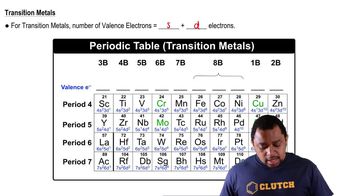
  • Transition Metals Valence Electrons
    02:12
  • Transition Metals Valence Electrons Example
    02:14

Ions

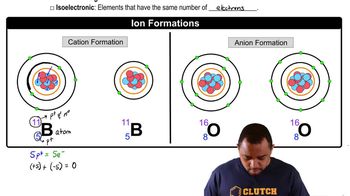
  • Ion Formation
    06:17
  • Cation Subatomic Particles Example
    02:22
  • Atoms vs. Ions
    01:36