 Back
BackLesson 2.1: Introduction to Polymers: Structure, Types, and Applications
Study Guide - Smart Notes
 Tailored notes based on your materials, expanded with key definitions, examples, and context.
Polymers: Structure and Importance
What Are Polymers?
Polymers are very large molecules composed of repeating smaller units called monomers. These molecules can be found in nature or synthesized in laboratories and industries. Polymers are essential to both biological systems and modern materials science, forming the basis of substances ranging from silk and DNA to plastics and synthetic fibers.
Polymer: A large, usually chain-like molecule built from small molecules (monomers).
Monomer: One of the repeating small molecules that make up polymers.
Homopolymer: A polymer made from only one type of monomer.
Copolymer: A polymer made from two or more different types of monomers combined.
Example: Silk is a natural polymer produced by silkworms, valued for its strength, light weight, and flexibility.

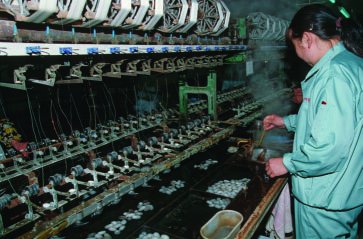
General Structure and Formation of Polymers
Polymerization Reactions
Polymers are formed through chemical reactions that link monomers together. The two main types of polymerization are addition reactions and condensation reactions:
Addition Reaction: Monomers with double bonds (such as ethene) react to form polymers by converting double bonds to single bonds, allowing the monomers to link together without the loss of any small molecule.
Condensation Reaction: Monomers join together with the elimination of a small molecule, often water, as seen in the formation of proteins from amino acids.
Example: Polyethene (polyethylene) is a homopolymer formed from ethene monomers via an addition reaction.
Example: Proteins such as silk are formed by condensation reactions between amino acids, releasing water molecules.
Types of Polymers: Natural vs. Synthetic
Natural Polymers
Natural polymers are produced by living organisms. Examples include:
Silk: Produced by silkworms for cocoon formation.
Starch and Cellulose: Homopolymers of glucose found in plants.
Proteins: Polymers of amino acids, essential for biological functions.
DNA and RNA: Polymers of nucleotides, carrying genetic information.
Synthetic Polymers
Synthetic polymers are manufactured by humans, often inspired by natural polymers. They are crucial in modern life and industry. Examples include:
Polyethene (Polyethylene): Used in containers and packaging.
Polypropene (Polypropylene): Used in textiles and plastics.
Polystyrene: Used in packaging and insulation.
Polyester, Nylon, Kevlar: Used in fabrics, body armor, and more.

Historical Development of Synthetic Polymers
Key Milestones
The development of synthetic polymers has transformed society and industry. Some important milestones include:
Year | Polymer | Significance |
|---|---|---|
1839 | Vulcanized Rubber | Improved natural rubber's strength and heat resistance |
1868 | Celluloid | Replaced ivory, used in film industry |
1909 | Bakelite | First fully synthetic polymer, used in electrical and consumer goods |
1910 | Formica | Electrical insulator, later used in household surfaces |
1929 | Vinyl (PVC) | Used in pipes, records, and more |
1933 | Saran | Protective coatings, food packaging |
1935 | Nylon | Replaced silk, used in textiles |
1997/1998 | Biodegradable Plastics | Developed in response to environmental concerns |





Environmental and Societal Impact of Polymers
Benefits and Drawbacks
Benefits: Polymers have revolutionized materials science, enabling the creation of lightweight, durable, and versatile products for countless applications.
Drawbacks: Many synthetic polymers are not biodegradable, leading to environmental pollution (e.g., the Great Pacific Garbage Patch). Some may release harmful substances during use or disposal.
Example: Concerns exist about chemicals such as BPA leaching from plastics into food and the long-term persistence of plastics in the environment.
Summary Table: Natural vs. Synthetic Polymers
Type | Source | Examples | Formation |
|---|---|---|---|
Natural | Living organisms | Silk, cellulose, DNA, proteins | Biological processes |
Synthetic | Human-made (petrochemicals, plants) | Polyethene, nylon, Bakelite | Chemical synthesis |
Key Concepts and Definitions
Monomer: Small molecule that can join with others to form a polymer.
Polymer: Large molecule made of repeating monomer units.
Homopolymer: Polymer made from one type of monomer.
Copolymer: Polymer made from two or more types of monomers.
Addition Reaction: Polymerization without loss of small molecules.
Condensation Reaction: Polymerization with loss of a small molecule (e.g., water).
Applications and Further Study
Polymers are used in textiles, packaging, medical devices, electronics, and more.
Understanding polymer chemistry is essential for addressing environmental challenges related to plastic waste and developing sustainable materials.
