Back

Unit 4 Study Guide: Organic Chemistry, Coordination Compounds, and Nuclear Chemistry

Study Guide - Learn with Videos

Curated lessons matched to your uploaded material – learn every topic step by step.

Introduction to Organic Chemistry

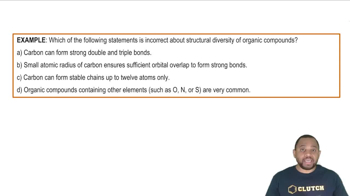
  • Introduction to Organic Chemistry Example
    01:29
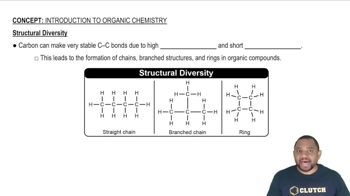
  • Structural Diversity
    01:30
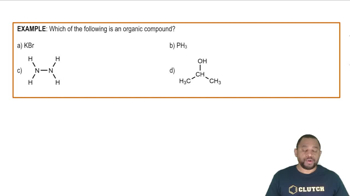
  • Introduction to Organic Chemistry Example
    00:42

Functional Groups in Chemistry

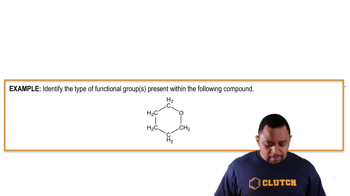
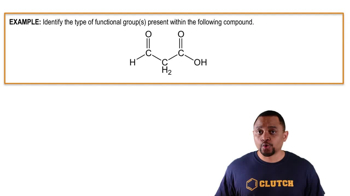
  • Functional Groups In Chemistry Example
    00:41
  • Functional Groups In Chemistry Example
    01:00
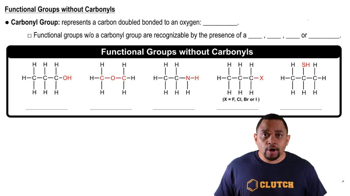
  • Functional Groups without Carbonyls
    02:23

Naming Alkanes

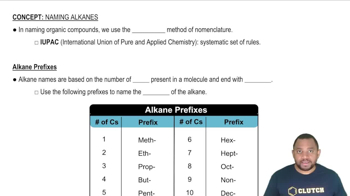
  • Rules for Naming Alkanes
    02:39
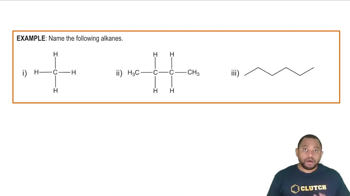
  • Naming Alkanes Example
    01:20

Naming Alkenes

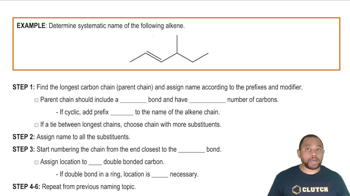
  • Naming Alkenes Example
    03:26
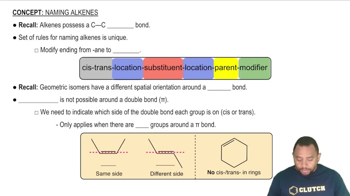
  • Rules for Naming Alkenes
    02:47

Naming Alkynes

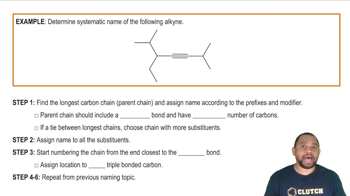
  • Naming Alkynes Example
    04:11
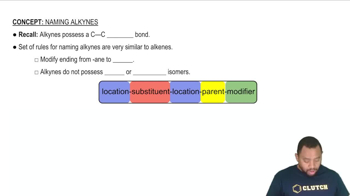
  • Rules for Naming Alkynes
    00:53

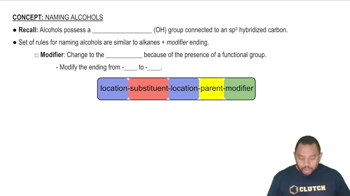
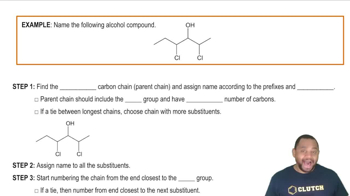
Naming Alcohols

  • Rules for Naming Alcohols
    01:10
  • Naming Alcohols Example
    03:21

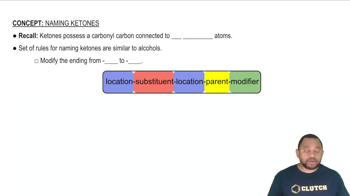
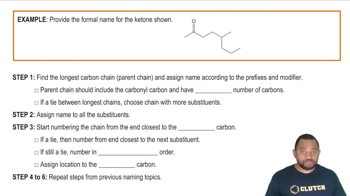
Naming Ketones

  • Rules for Naming Ketones
    00:39
  • Naming Ketones Example
    02:24

Naming Aldehydes

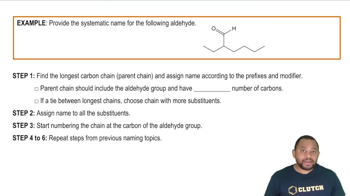
  • Naming Aldehydes Example
    02:13
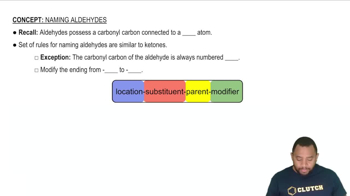
  • Rules for Naming Aldehydes
    00:54

Naming Carboxylic Acids

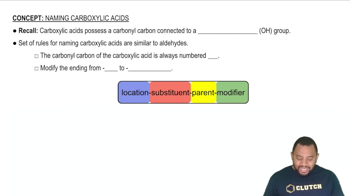
  • Rules for Naming Carboxylic Acids
    00:55
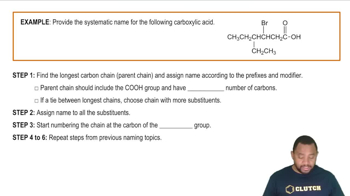
  • Naming Carboxylic Acids Example
    02:26

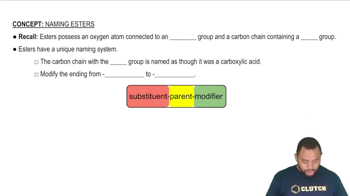
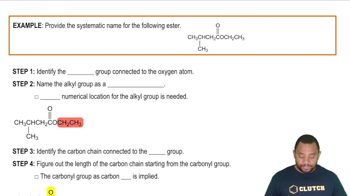
Naming Esters

  • Rules for Naming Esters
    00:59
  • Naming Esters Example
    03:34

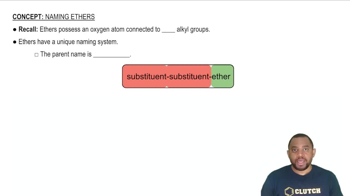
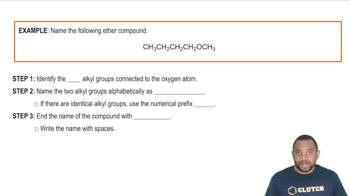
Naming Ethers

  • Rules for Naming Ethers
    00:34
  • Naming Ethers Example
    01:15

Naming Amines

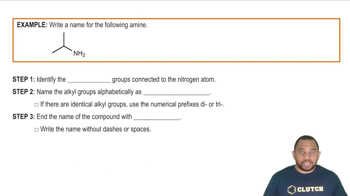
  • Naming Amines Example
    01:06
  • Rules for Naming Amines
    00:28

Isomers

  • Isomers
    02:16
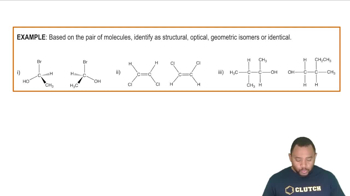
  • Isomers Example
    02:28
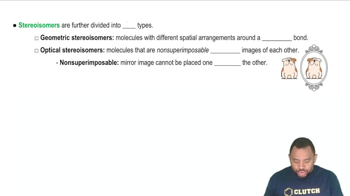
  • Stereoisomers
    01:56

Chirality

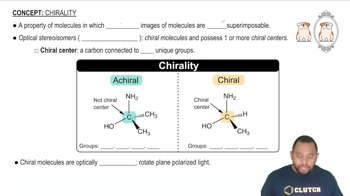
  • Chirality
    02:37
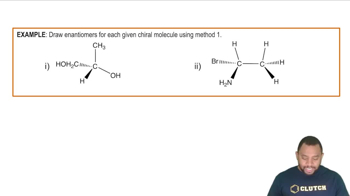
  • Drawing Enantiomers
    02:33
  • Chirality Example
    01:30

Alkane Reactions

  • Common Types of Alkane Reactions
    02:25
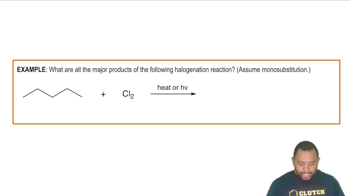
  • Alkane Reactions Example
    02:15

Intro to Redox Reactions

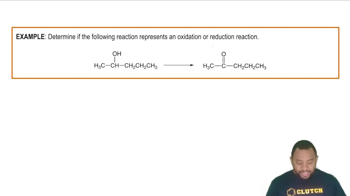
  • Intro To Redox Reactions Example
    01:19
  • Identifying Redox Reactions
    03:12

Intro to Radioactivity

  • Nuclear Reaction Example
    00:45
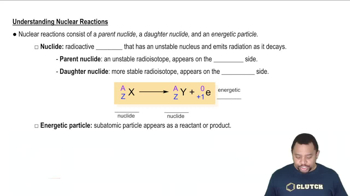
  • Understanding Nuclear Reactions
    01:44
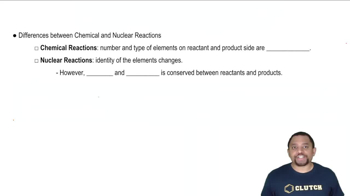
  • Nuclear vs Chemical Reactions
    01:08

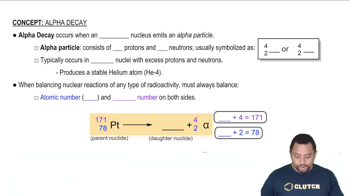
Alpha Decay

  • Alpha Decay
    03:53
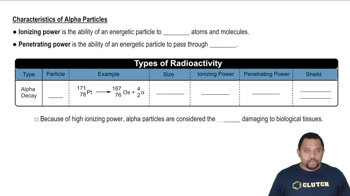
  • Characteristics of Alpha Particles
    02:48
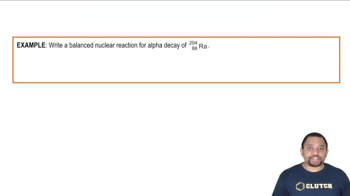
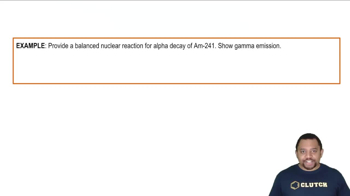
  • Alpha Decay Reaction Example
    01:22

Beta Decay

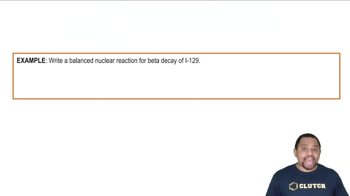
  • Beta Decay Reaction Example
    01:21
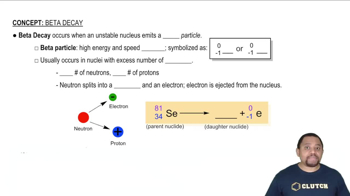
  • Beta Decay
    03:01
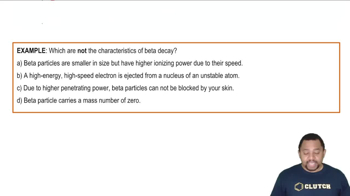
  • Characteristics of Beta Particles Example
    01:02

Gamma Emission

  • Gamma Emission Reaction Example
    02:16
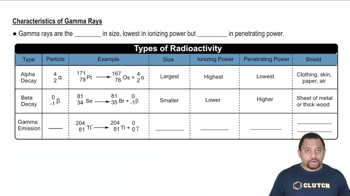
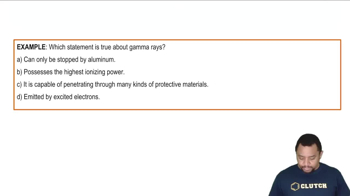
  • Characteristics of Gamma Rays
    01:35
  • Characteristics of Gamma Rays Example
    01:21

Electron Capture & Positron Emission

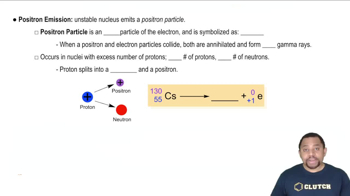
  • Positron Emission
    01:53
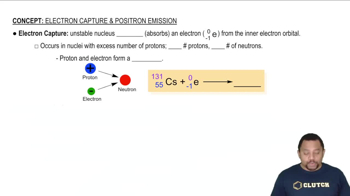
  • Electron Capture
    01:26
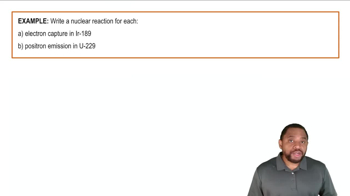
  • Electron Capture & Positron Emission Reaction Example
    03:29
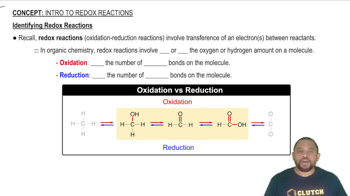
Neutron to Proton Ratio

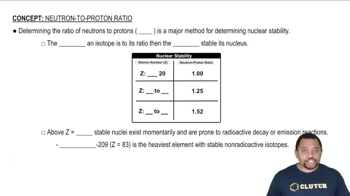
  • Neutron-Proton Ratio
    02:14
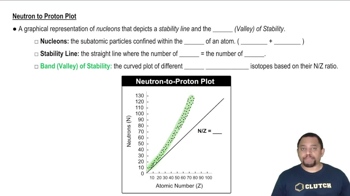
  • Neutron-to-Proton Plot
    01:38
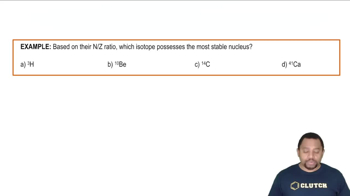
  • Stable Nucleus Example
    01:40

Band of Stability: Overview

  • Band of Stability: Overview Example
    02:10
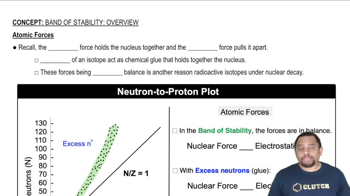
  • Band of Stability: Atomic Forces
    02:32
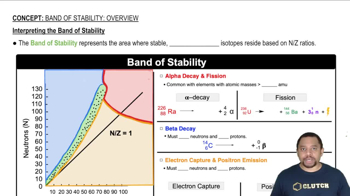
  • Intepreting the Band of Stability
    03:13

Band of Stability: Alpha Decay & Nuclear Fission

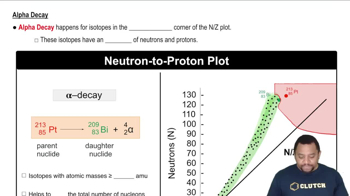
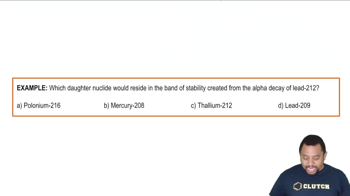
  • Band of Stability: Alpha Decay
    01:46
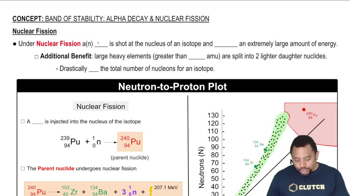
  • Band of Stability: Nuclear Fission
    03:29
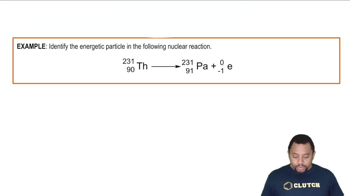
  • Band of Stability: Alpha Decay Example
    01:16

Band of Stability: Beta Decay

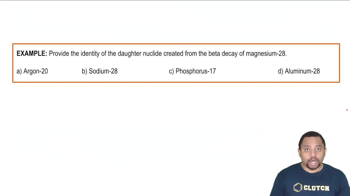
  • Band of Stability: Beta Decay Example
    01:11
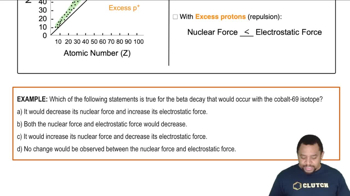
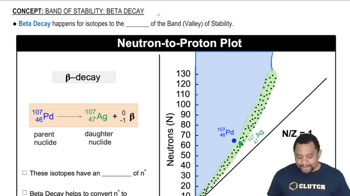
  • Band of Stability: Beta Decay
    01:13

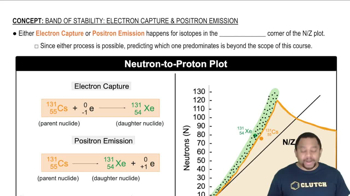
Band of Stability: Electron Capture & Positron Emission

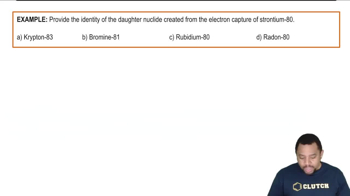
  • Band of Stability: Electron Capture Example
    00:48
  • Band of Stability: Electron Capture
    02:04

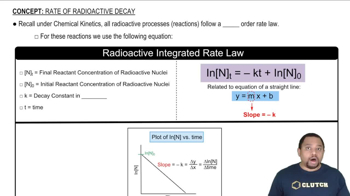
Rate of Radioactive Decay

  • Rate of Radioactive Decay Example
    02:25
  • Rate of Radioactive Decay
    03:00

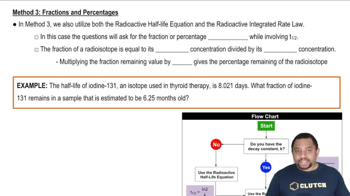
Radioactive Half-Life

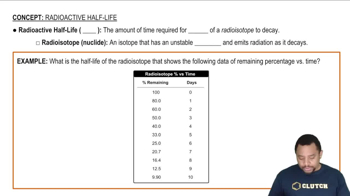
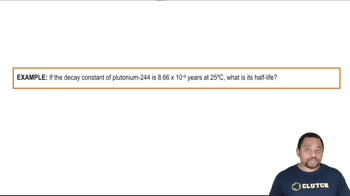
  • Method 3 of Radioactive Half-Life Example
    04:26
  • Intro to Radioactive Half-Life
    01:30
  • Method 1 of Radioactive Half-Life Example
    00:55

Mass Defect

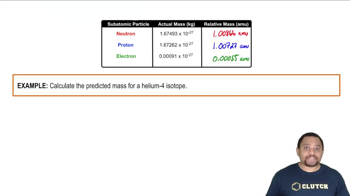
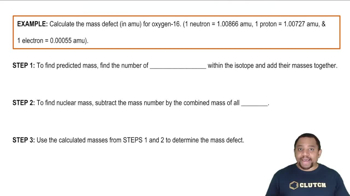
  • Mass Defect Example
    01:35
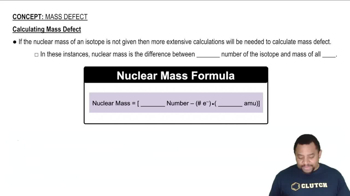
  • Calculating Mass Defect
    00:55
  • Calculating Mass Defect Example
    03:08

Nuclear Binding Energy

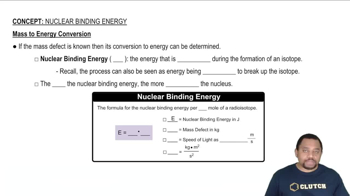
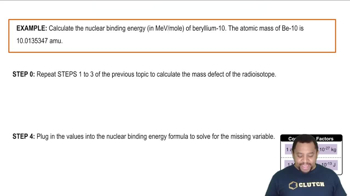
  • Nuclear Binding Energy
    02:06
  • Nuclear Binding Energy Example
    03:50